
Introducing Hipakur® Capsule: An Integrative Herbal Approach to Cardiovascular Health and Blood Pressure Management By Livy-Elcon Emereonye
Introducing Hipakur® Capsule:
An Integrative Herbal Approach to Cardiovascular Health and Blood Pressure Management
By Livy-Elcon Emereonye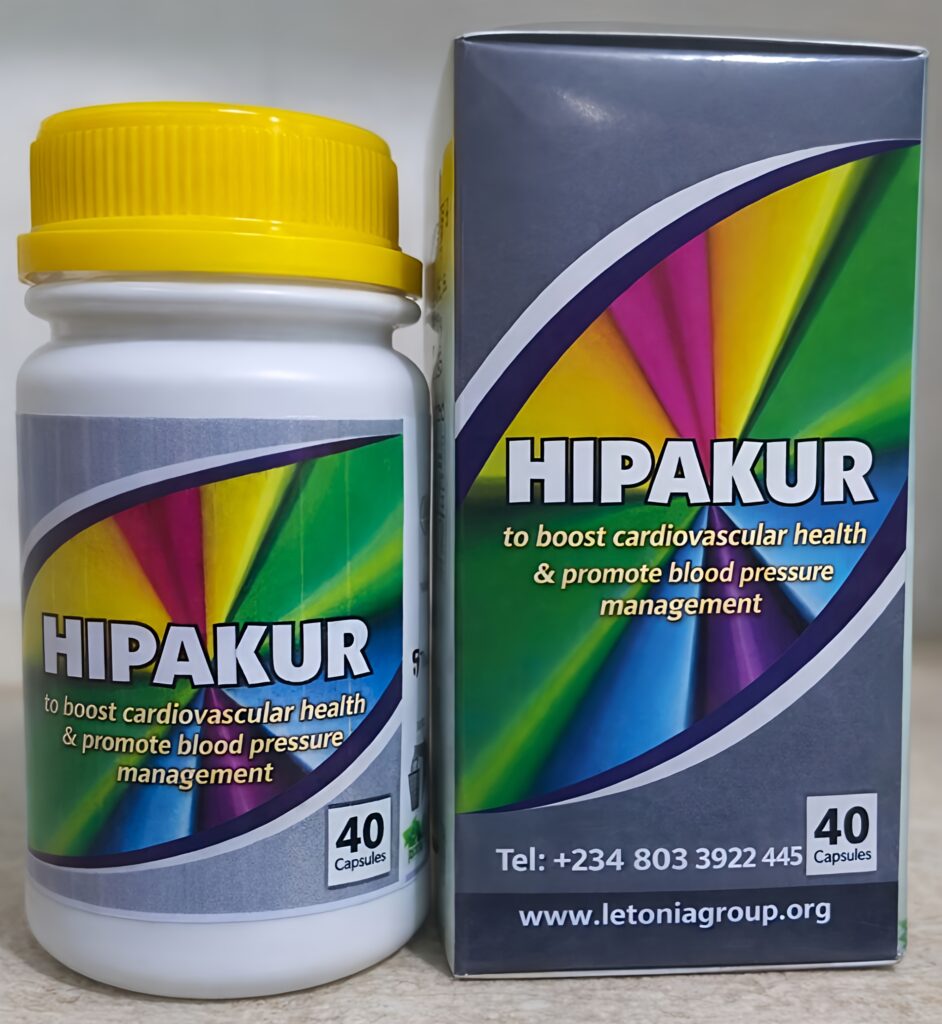 Introduction
Cardiovascular diseases (CVDs), including hypertension, coronary artery disease, stroke, and heart failure, continue to rank among the leading causes of illness and death worldwide. In Nigeria and many parts of the developing world, the growing burden of cardiovascular disorders is closely linked to lifestyle changes, dietary patterns, psychosocial stress, environmental factors, and limited access to sustained preventive healthcare.
Modern medicine has made significant advances in diagnosing and treating cardiovascular conditions. However, there is increasing recognition that long-term cardiovascular health and effective blood pressure management require more than pharmacological intervention alone. This has led to a renewed global interest in herbal medicine and medicinal plants as part of an integrative, preventive, and holistic healthcare model.
Within this context, Hipakur® Capsule, a quality herbal formulation by Letonia Int’l Ltd, is introduced as an integrative herbal approach designed to support cardiovascular health and promote healthy blood pressure management.
Understanding Cardiovascular Health and Blood Pressure
Cardiovascular health refers to the optimal functioning of the heart, blood vessels, and circulatory system. Blood pressure is the force exerted by circulating blood against arterial walls and serves as a key indicator of cardiovascular integrity.
Persistent elevation of blood pressure (hypertension) damages blood vessels, accelerates atherosclerosis, increases cardiac workload, and predisposes individuals to stroke, kidney failure, and heart disease. Effective blood pressure management therefore plays a central role in preventing long-term cardiovascular complications.
Herbal Medicine and Cardiovascular Care: An Integrative Perspective
Historical and Cultural Foundations
Herbal medicine represents one of the oldest systems of healthcare known to humanity. Across Africa, Asia, and indigenous societies, medicinal plants have been used to:
- Strengthen the heart
- Improve blood circulation
- Calm the nervous system
- Reduce excessive fluid retention
- Promote balance within the body
These traditional practices form the foundation upon which modern herbal therapeutics are built.
Scientific Basis of Herbal Cardiovascular Support
Contemporary research increasingly supports the cardiovascular benefits of medicinal plants. Many herbs contain bioactive compounds, such as flavonoids, alkaloids, saponins, polyphenols, and glycosides, which exhibit:
- Antioxidant activity that protects blood vessels from oxidative damage
- Anti-inflammatory effects that reduce vascular inflammation
- Vasodilatory properties that support healthy blood pressure
- Lipid-modulating actions that improve cardiovascular risk profiles
Unlike single-target synthetic drugs, medicinal plants often act synergistically, addressing multiple physiological pathways involved in cardiovascular regulation.
Advantages of Herbal Medicine in Cardiovascular Health
1. Holistic and Multi-Targeted Action
Herbal medicine supports the cardiovascular system as a whole rather than focusing on a single symptom. This holistic action is particularly important in hypertension, which is influenced by multiple interacting factors including stress, metabolism, vascular tone, and inflammation.
2. Support for Long-Term Use
When properly formulated and used responsibly, herbal remedies are generally suitable for long-term use. This makes them valuable for preventive care and sustained cardiovascular support.
3. Reduced Systemic Burden
Herbal formulations, especially when standardized and quality-controlled, often exert gentler physiological effects, making them suitable as adjuncts to lifestyle modification and medical supervision.
4. Alignment with Preventive Healthcare
Herbal medicine emphasizes prevention, balance, and wellness—principles that align with modern public health strategies aimed at reducing the incidence of chronic cardiovascular diseases.
Medicinal Plants and Blood Pressure Management
Medicinal plants used in cardiovascular care support blood pressure regulation through:
- Promoting vascular relaxation
- Enhancing kidney function and fluid balance
- Reducing oxidative stress and endothelial dysfunction
- Supporting nervous system balance and stress adaptation
These mechanisms contribute to healthier blood pressure levels and improved cardiovascular resilience.
Hipakur® Capsule: Harnessing the Power of Medicinal Plants
Overview of Hipakur®
Hipakur® Capsule is a carefully formulated herbal product by Letonia Int’l Ltd, developed to:
- Boost cardiovascular health
- Promote healthy blood pressure management
- Support circulatory balance and vascular function
It reflects Letonia’s commitment to quality, safety, and evidence-informed herbal practice and evidence-based medicine.
Integrative Role of Hipakur®
Hipakur® fits seamlessly into an integrative cardiovascular care model by:
- Complementing lifestyle and dietary interventions
- Supporting preventive cardiovascular wellness
- Serving as an adjunct to conventional medical care under professional guidance
Its herbal composition allows for sustained use as part of a long-term wellness strategy.
Key Benefits of Hipakur®
- Supports healthy blood circulation
- Promotes vascular integrity and elasticity
- Assists in maintaining balanced blood pressure
- Contributes to antioxidant and anti-inflammatory protection
- Encourages overall cardiovascular vitality
Integrating Herbal Medicine with Modern Healthcare
The future of cardiovascular care lies in integration. Herbal medicine does not seek to replace conventional medicine but to complement it. Responsible integration of herbal products such as Hipakur® with:
- Lifestyle modification
- Nutritional optimization
- Stress management
- Regular medical monitoring
offers a comprehensive approach to cardiovascular health and blood pressure management.
Safety, Quality, and Responsible Use
The effectiveness of herbal medicine depends on:
- Proper formulation and quality control
- Responsible usage according to recommended guidelines
- Medical oversight, especially for individuals on antihypertensive medications
Letonia Int’l Ltd upholds these principles in the development and distribution of Hipakur®.
Conclusion
Herbal medicine and medicinal plants occupy an increasingly important place in modern cardiovascular care. Their holistic, multi-targeted actions, suitability for long-term use, and alignment with preventive healthcare make them valuable tools in managing cardiovascular health and blood pressure.
Hipakur® Capsule, a quality herbal formulation by Letonia Int’l Ltd, embodies the integrative potential of herbal medicine—bridging traditional wisdom with contemporary health needs to support cardiovascular wellness and balanced blood pressure management.
PS: Dr. Emereonye could be reached on: +234 803 3922 445
Introduction
Cardiovascular diseases (CVDs), including hypertension, coronary artery disease, stroke, and heart failure, continue to rank among the leading causes of illness and death worldwide. In Nigeria and many parts of the developing world, the growing burden of cardiovascular disorders is closely linked to lifestyle changes, dietary patterns, psychosocial stress, environmental factors, and limited access to sustained preventive healthcare.
Modern medicine has made significant advances in diagnosing and treating cardiovascular conditions. However, there is increasing recognition that long-term cardiovascular health and effective blood pressure management require more than pharmacological intervention alone. This has led to a renewed global interest in herbal medicine and medicinal plants as part of an integrative, preventive, and holistic healthcare model.
Within this context, Hipakur® Capsule, a quality herbal formulation by Letonia Int’l Ltd, is introduced as an integrative herbal approach designed to support cardiovascular health and promote healthy blood pressure management.
Understanding Cardiovascular Health and Blood Pressure
Cardiovascular health refers to the optimal functioning of the heart, blood vessels, and circulatory system. Blood pressure is the force exerted by circulating blood against arterial walls and serves as a key indicator of cardiovascular integrity.
Persistent elevation of blood pressure (hypertension) damages blood vessels, accelerates atherosclerosis, increases cardiac workload, and predisposes individuals to stroke, kidney failure, and heart disease. Effective blood pressure management therefore plays a central role in preventing long-term cardiovascular complications.
Herbal Medicine and Cardiovascular Care: An Integrative Perspective
Historical and Cultural Foundations
Herbal medicine represents one of the oldest systems of healthcare known to humanity. Across Africa, Asia, and indigenous societies, medicinal plants have been used to:
- Strengthen the heart
- Improve blood circulation
- Calm the nervous system
- Reduce excessive fluid retention
- Promote balance within the body
These traditional practices form the foundation upon which modern herbal therapeutics are built.
Scientific Basis of Herbal Cardiovascular Support
Contemporary research increasingly supports the cardiovascular benefits of medicinal plants. Many herbs contain bioactive compounds, such as flavonoids, alkaloids, saponins, polyphenols, and glycosides, which exhibit:
- Antioxidant activity that protects blood vessels from oxidative damage
- Anti-inflammatory effects that reduce vascular inflammation
- Vasodilatory properties that support healthy blood pressure
- Lipid-modulating actions that improve cardiovascular risk profiles
Unlike single-target synthetic drugs, medicinal plants often act synergistically, addressing multiple physiological pathways involved in cardiovascular regulation.
Advantages of Herbal Medicine in Cardiovascular Health
1. Holistic and Multi-Targeted Action
Herbal medicine supports the cardiovascular system as a whole rather than focusing on a single symptom. This holistic action is particularly important in hypertension, which is influenced by multiple interacting factors including stress, metabolism, vascular tone, and inflammation.
2. Support for Long-Term Use
When properly formulated and used responsibly, herbal remedies are generally suitable for long-term use. This makes them valuable for preventive care and sustained cardiovascular support.
3. Reduced Systemic Burden
Herbal formulations, especially when standardized and quality-controlled, often exert gentler physiological effects, making them suitable as adjuncts to lifestyle modification and medical supervision.
4. Alignment with Preventive Healthcare
Herbal medicine emphasizes prevention, balance, and wellness—principles that align with modern public health strategies aimed at reducing the incidence of chronic cardiovascular diseases.
Medicinal Plants and Blood Pressure Management
Medicinal plants used in cardiovascular care support blood pressure regulation through:
- Promoting vascular relaxation
- Enhancing kidney function and fluid balance
- Reducing oxidative stress and endothelial dysfunction
- Supporting nervous system balance and stress adaptation
These mechanisms contribute to healthier blood pressure levels and improved cardiovascular resilience.
Hipakur® Capsule: Harnessing the Power of Medicinal Plants
Overview of Hipakur®
Hipakur® Capsule is a carefully formulated herbal product by Letonia Int’l Ltd, developed to:
- Boost cardiovascular health
- Promote healthy blood pressure management
- Support circulatory balance and vascular function
It reflects Letonia’s commitment to quality, safety, and evidence-informed herbal practice and evidence-based medicine.
Integrative Role of Hipakur®
Hipakur® fits seamlessly into an integrative cardiovascular care model by:
- Complementing lifestyle and dietary interventions
- Supporting preventive cardiovascular wellness
- Serving as an adjunct to conventional medical care under professional guidance
Its herbal composition allows for sustained use as part of a long-term wellness strategy.
Key Benefits of Hipakur®
- Supports healthy blood circulation
- Promotes vascular integrity and elasticity
- Assists in maintaining balanced blood pressure
- Contributes to antioxidant and anti-inflammatory protection
- Encourages overall cardiovascular vitality
Integrating Herbal Medicine with Modern Healthcare
The future of cardiovascular care lies in integration. Herbal medicine does not seek to replace conventional medicine but to complement it. Responsible integration of herbal products such as Hipakur® with:
- Lifestyle modification
- Nutritional optimization
- Stress management
- Regular medical monitoring
offers a comprehensive approach to cardiovascular health and blood pressure management.
Safety, Quality, and Responsible Use
The effectiveness of herbal medicine depends on:
- Proper formulation and quality control
- Responsible usage according to recommended guidelines
- Medical oversight, especially for individuals on antihypertensive medications
Letonia Int’l Ltd upholds these principles in the development and distribution of Hipakur®.
Conclusion
Herbal medicine and medicinal plants occupy an increasingly important place in modern cardiovascular care. Their holistic, multi-targeted actions, suitability for long-term use, and alignment with preventive healthcare make them valuable tools in managing cardiovascular health and blood pressure.
Hipakur® Capsule, a quality herbal formulation by Letonia Int’l Ltd, embodies the integrative potential of herbal medicine—bridging traditional wisdom with contemporary health needs to support cardiovascular wellness and balanced blood pressure management.
PS: Dr. Emereonye could be reached on: +234 803 3922 445
 By Livy-Elcon Emereonye
A miracle, in its broadest and most humane sense, is not necessarily an event that suspends the laws of nature. Rather, it is an outcome that defies prevailing expectations, especially when knowledge, statistics, and experience predict failure, decline, or death. A miracle occurs when the limits we assumed were final quietly reveal themselves to be temporary.
A medical miracle, therefore, is any recovery, survival, adaptation, or therapeutic breakthrough that exceeds established medical forecasts, challenges dominant assumptions, or opens new corridors of healing where none previously seemed possible. It may arrive suddenly or unfold slowly. It may emerge from cutting-edge technology or ancient wisdom. It may be driven by drugs, surgery, herbs, psychology, community care, or the mysterious synergy of all these forces.
A medical miracle does not negate science. It expands science’s humility. It reminds medicine that knowledge is always incomplete, and that life often knows more than our textbooks.
History reminds us that many conditions now treated routinely were once absolute death sentences. Smallpox decimated civilizations. Tuberculosis drained entire generations. Polio imprisoned children in paralysis. HIV/AIDS, within living memory, was spoken of only in whispers of impending death.
Today, many of these conditions are preventable, manageable, or survivable. What changed was not the cruelty of nature, but the depth of human inquiry and perseverance. Every former death sentence turned into a diagnosis is, collectively, a medical miracle.
 The eradication of smallpox remains one of humanity’s most astonishing triumphs. A disease that once ravaged continents was eliminated not by chance, but by coordination, courage, vaccination, and the refusal to accept inevitability. The miracle was not one patient’s recovery, but humanity’s shared resolve.
Similarly, HIV/AIDS tells a story of resurrection through persistence. Antiretroviral therapy transformed despair into durability. Millions now live long, productive lives — not because the virus vanished, but because medicine learned to coexist with it. The miracle was not instant cure, but sustained life with dignity.
On the other hand, Africa’s medical miracle stories are often underreported, yet they are profound and instructive.
Dr. Catherine Nyongesa, a Kenyan oncologist, pioneered pediatric cancer care at the Texas Cancer Center in Eldoret. In a context where childhood cancer was once an unspoken death sentence, her work dramatically improved survival rates for children with leukemia and solid tumors. Each child who returned to school after chemotherapy represented not just clinical success, but a miracle of access, advocacy, and compassion.
Professor Oyewale Tomori, a renowned Nigerian virologist, played a critical role in Africa’s response to viral epidemics, including Ebola and Lassa fever. His work strengthened disease surveillance and outbreak response across the continent. Thousands of lives saved through early detection and containment may never be individually named, but collectively they form one of Africa’s great modern medical miracles.
During the Ebola outbreaks, survival itself was extraordinary. Patients such as Pauline Cafferkey, who survived severe Ebola infection after experimental treatment, and unnamed African survivors who endured isolation, stigma, and near-certain death, reshaped global understanding of viral care. Many later developed antibodies that contributed to research and vaccine development — turning survival into service to humanity.
The impact COVID-19 on HIV/AIDS should open another vista of medical miracles.
Also a look at sickle cell survivors in Nigeria and Ghana can bring about certain lessons.
In West Africa, sickle cell disease once claimed most patients before adulthood but today, due to newborn screening, better hydration protocols, pain management, blood transfusion strategies, and community education, thousands now live into middle age and beyond. Each adult living with sickle cell in Africa represents a quiet but revolutionary medical miracle — not of cure alone, but of continuity.
In the continuum of the past, the present and the future, traditional knowledge meets modern validation - and with a little sparkle miracles happen.
African herbal medicine has long supported healing where formal systems were absent. Plants such as Garcinia kola, Morinda lucida, Azadirachta indica (neem), and Artemisia species were used for fever, inflammation, infections, and immune support long before laboratories confirmed their pharmacological properties.
When modern science later validates indigenous wisdom, it does not create the miracle — it recognizes one that already existed. This dialogue between ancestral knowledge and contemporary research is itself a medical miracle of continuity rather than conflict.
The human body is philosophical wonder - and the mind the wonder fountain.
Philosophically, the human body challenges reductionism. It is not merely a machine of parts, but a self-organizing intelligence. Cells communicate. Systems compensate. Organs adapt. The body remembers past infections and prepares for future threats.
Patients awaken after prolonged comas. Brains rewire after strokes. Some cancers regress unexpectedly. These phenomena humble medicine and echo an ancient philosophical truth: life is not passive matter; it is active intention.
The Stoics believed nature possessed an internal rationality. African philosophies speak of vital force. Modern biology speaks of homeostasis and resilience. Different languages — same wonder.
Time is not only miracle but every miracle is a function of space and time!
Not all medical miracles culminate in cure. Some culminate in time.
A terminal patient lives long enough to reconcile with estranged family. A mother survives childbirth complications to hold her child. A grandfather lives to bless a grandchild. These moments are not medical failures; they are existential victories.
In palliative care, relief from pain, preservation of dignity, and peace of mind become profound miracles. Here, medicine aligns with philosophy’s oldest concern: how to live meaningfully, even in the presence of death.
One's mystery can be another person's mastery so the union of mind and spirituality on the altar of radicalized meaning cannot be wished away. In the pursuit, and in the conquest, of knowledge, complex things can be made simple by the earnest seeker.
Across cultures, healing has never been purely physical. African spirituality, Eastern philosophies, and even modern psychology converge on one truth: meaning strengthens endurance.
Hope is not superstition. It is biological. It modulates stress hormones, strengthens immunity, and improves adherence to treatment. Faith — whether religious or existential — anchors the mind against despair.
This does not mean belief replaces medicine. It means belief partners with medicine. Healing is participatory. The patient is not a battlefield but a collaborator.
As Viktor Frankl observed, those who find meaning endure suffering differently. Medical miracles often occur where meaning refuses to collapse.
Let it be stated without fear or favour that compassion is the most underrated medicine no sane person can ignore.
One of the greatest medical miracles is care itself.
A nurse who notices subtle deterioration. A doctor who listens beyond symptoms. A caregiver who refuses abandonment. Compassion builds trust, and trust improves outcomes. Healing is not only chemical; it is relational.
In overstretched African clinics and advanced Western hospitals alike, kindness often heals wounds that prescriptions cannot reach.
Among other things, medical miracles matter because they defend humanity against fatalism. They remind us that prognosis is not destiny, statistics are not verdicts, and knowledge is never complete.
They teach science humility and patients courage. They insist that what appears final today may be provisional tomorrow.
Above all, they affirm a simple but radical truth: life is stubborn. It resists extinction, adapts under pressure, and surprises even its most careful observers.
It should be noted that medical miracles are not relics of ancient legends. They occur daily — in research laboratories, rural clinics, hospital wards, and private homes. Some arrive with headlines; most arrive quietly.
As long as humanity continues to learn, care, imagine, and hope, medical miracles will persist — not always as dramatic cures, but as steady affirmations that life refuses to surrender easily.
And perhaps that, in the deepest philosophical and spiritual sense, is the greatest miracle of all.
 An integrative public-health perspective
By Livy‑Elcon Emereonye
Introduction
“Happiness can be found, even in the darkest of times, if one remembers to turn on the light.” - J.K Rowling
Seasonal diseases are illnesses whose incidence rises or falls with changes in weather, environment, and human behaviour across the year. In tropical and subtropical regions such as Nigeria and much of Africa, seasons are often defined by rainy and dry periods rather than winter and summer, yet the health implications are no less profound. Temperature, humidity, rainfall, dust, food availability, disease vectors, and social practices together shape predictable patterns of illness.
By understanding these patterns, individuals, families, and governments can move from a reactive treatment model to a proactive prevention strategy—the most economical, caring, and sustainable form of healthcare.
What Are Seasonal Diseases?
Seasonal diseases are conditions whose frequency, severity, or complications are influenced by seasonal environmental changes.
They may be:
- Infectious (e.g., malaria, cholera, typhoid)
- Respiratory (e.g., pneumonia, asthma exacerbations)
- Gastrointestinal (e.g., diarrheal diseases)
- Allergic or inflammatory (e.g., allergic rhinitis, eczema)
- Nutritional or metabolic (e.g., dehydration, micronutrient deficiencies)
Seasonality does not imply inevitability; rather, it implies predictability, and predictability empowers prevention.
Common Seasonal Diseases and Their Patterns
Rainy Season–Associated Diseases
The rainy season creates stagnant water, flooding, and high humidity—ideal conditions for vectors and pathogens.
Common examples include malaria, typhoid fever, cholera, other diarrheal diseases, dengue, yellow fever, and skin or fungal infections. These conditions thrive due to mosquito breeding, contamination of water sources, and compromised sanitation.
Dry Season–Associated Diseases
Dry seasons, particularly the Harmattan in West Africa, are characterized by dust, cold nights, low humidity, and wide temperature fluctuations.
Common examples include upper respiratory tract infections, asthma and bronchitis exacerbations, meningitis, conjunctivitis, dehydration, and heat-related illnesses. Dust and dryness irritate mucous membranes and weaken first-line immune defenses.
Transition-Period Illnesses
The shift between seasons often challenges the body’s adaptive capacity, leading to influenza-like illnesses, fatigue syndromes, blood pressure instability, and immune suppression–related infections, especially among children, the elderly, and those with chronic diseases.
Core Principles of Prevention include but not limited to:
- Environmental and Sanitation Measures
- Elimination of stagnant water around homes
- Safe waste disposal and drainage systems
- Treatment of drinking water by boiling, filtration, or chlorination
- Proper food hygiene and storage
Most seasonal infectious diseases arise from environmental factors and later develop into medical issues.
Personal and Community Hygiene
Regular handwashing, mosquito net use, clean living environments, and avoidance of overcrowding are simple but powerful preventive tools.
Nutrition and Immune Support
Strong immunity is the cornerstone of seasonal disease resistance. Adequate protein, fruits and vegetables rich in vitamins A, C, and E, essential minerals such as zinc and iron, and sufficient hydration are critical. Traditional African diets, when preserved, often provide seasonally appropriate nutritional protection.
Vaccination and Preventive Therapies
Routine immunization, seasonal vaccination where applicable, vitamin A supplementation for children, and preventive antimalarial strategies in endemic areas significantly reduce disease burden.
Management of Seasonal Diseases
Early Recognition and Prompt Treatment
Early diagnosis prevents complications. Febrile illnesses during the rainy season require evaluation for malaria and typhoid, while persistent cough during dry seasons warrants respiratory assessment. Diarrheal illnesses demand immediate rehydration.
Conventional Medical Management
Management may involve antimalarials, antibiotics when indicated, antipyretics, bronchodilators, antihistamines, and fluid therapy. Rational drug use is essential to prevent resistance.
Integrative and Traditional Medicine Approaches
African Traditional Medicine (ATM) and herbal therapeutics have long played a role in managing seasonal illnesses. When scientifically guided and responsibly integrated, they complement orthodox medicine by supporting immunity, reducing inflammation, aiding detoxification, and promoting recovery.
Role of Kuriba® Capsules in Seasonal Disease Prevention and Management
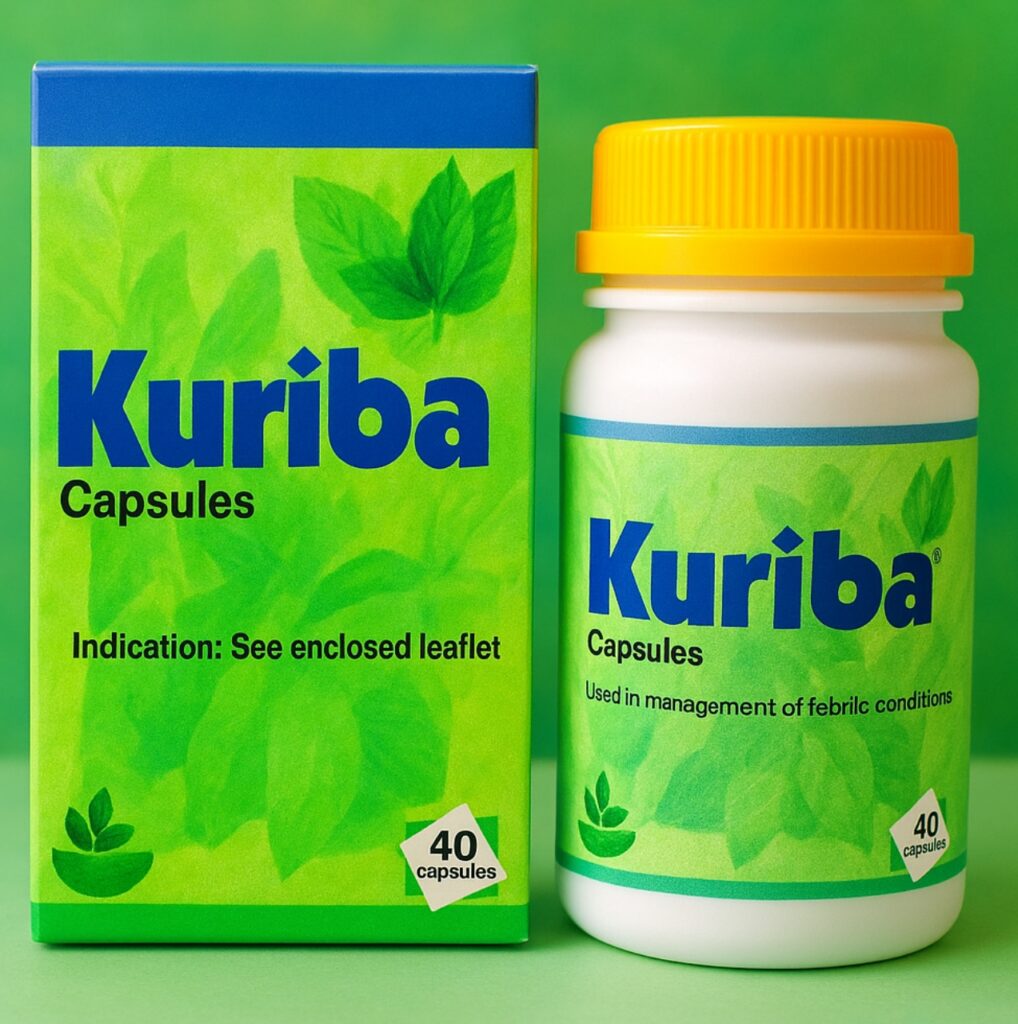 Within the framework of integrative and evidence-based medicine for informed healthcare, Kuriba® capsules by Letonia Int'l Ltd represent a standardized herbal formulation with relevance in the prevention and supportive management of selected seasonal diseases. The formulation draws on medicinal plants with a long history of ethnomedical use and emerging scientific validation for their biological activities.
Kuriba® capsules are composed of botanicals traditionally associated with immunomodulatory, antimicrobial, anti‑inflammatory, antioxidant, and detoxification-supporting properties. These pharmacological attributes are particularly pertinent during seasonal periods characterized by increased pathogen exposure, environmental stressors, and immune vulnerability.
Immunomodulatory and Host‑Defense Support
Seasonal transitions are frequently accompanied by transient immune dysregulation. Kuriba® capsules may support immune homeostasis by enhancing innate defense mechanisms and modulating inflammatory responses, thereby improving host resistance to common seasonal infections. Such immunomodulatory support is relevant for individuals experiencing recurrent seasonal illnesses or heightened susceptibility during climatic changes.
Supportive Role in Rainy‑Season Diseases
Rainy seasons are associated with a higher incidence of febrile and infectious conditions, including malaria, typhoid‑like syndromes, and gastrointestinal infections. Within an integrative care model, Kuriba® capsules may serve as an adjunctive herbal intervention, supporting systemic balance, reducing inflammatory load, and aiding convalescence when used alongside appropriate diagnostic evaluation and orthodox therapy.
Relevance in Dry‑Season and Harmattan‑Related Conditions
Dry seasons, particularly the Harmattan, expose individuals to dust, cold stress, and oxidative challenges that predispose to respiratory irritation, fatigue, and musculoskeletal discomfort. The antioxidant and anti‑inflammatory properties attributed to the botanical constituents of Kuriba® capsules may contribute to improved physiological resilience and symptom modulation during such periods.
Detoxification and Metabolic Support
Seasonal disease vulnerability is often amplified by metabolic burden and environmental toxin exposure. Kuriba® capsules are positioned to support endogenous detoxification pathways, particularly hepatic and renal functions, thereby optimizing the internal biological terrain and enhancing overall disease resistance.
Safety and Integrative Use Considerations
Kuriba® capsules are intended for use as a preventive seasonal wellness supplement, a supportive therapy within integrative clinical care, or a post‑illness recovery aid. Optimal benefits are achieved when the product is used responsibly, in conjunction with sound nutrition, hygiene, lifestyle measures, and conventional medical treatment where clinically indicated.
Vulnerable Populations
Children under five, pregnant women, the elderly, and individuals with chronic illnesses require special preventive attention, as seasonal diseases are often more severe and life-threatening in these groups.
The Role of Health Education
Sustainable control of seasonal diseases depends on public awareness, school-based education, culturally grounded health communication, and trained community health workers.
Seasonal diseases are environmentally scripted challenges that demand foresight rather than fear. Through sanitation, nutrition, vaccination, early treatment, and intelligent integration of traditional and modern medicine—including credible indigenous herbaceutics such as Kuriba® capsules by Letonia Int'l Ltd—their burden can be significantly reduced.
Health is not merely survival through the seasons, but the capacity to enter every season fortified—physically, mentally, and socially, aligning human biology with the rhythms of nature rather than perpetually reacting to crisis.
We can live healthy and enjoy life, if we wish and do the things that can make such possible.
You can contact Dr. Emereonye at: +234 803 3922 445
 Abstract
More than four decades after the advent of HIV/AIDS, biomedical science has yet to produce a definitive cure. Although antiretroviral therapy (ART) has revolutionised HIV management and transformed life expectancy, it remains inherently suppressive rather than curative. Persistent viral reservoirs, viral latency, sanctuary sites, and immunological exhaustion ensure that cessation of ART typically leads to viral rebound. In parallel, Africa possesses unique advantages—biological, ethnomedical, ecological, and socio-historical—that make it an undervalued global epicentre for cure-focused research, particularly in the domain of medicinal plants and natural products. This paper advances a rigorous but polemically charged argument for African-led herbaceutics—the scientific standardisation and pharmaceutical development of medicinal plant knowledge—as a critical and overdue axis of HIV cure science. The analysis demonstrates that Africa’s vast biodiversity, deep ethnomedical traditions, high disease burden, and scientific potential uniquely position the continent to contribute curative leads. Yet epistemic, structural, and geopolitical asymmetries in global research continue to marginalise Africa’s scientific agency. The paper contends that the future of HIV cure discovery requires Africa not as a passive participant but as a central, driving force. It concludes by outlining a pathway for African scientific sovereignty in natural-product-based cure research, supported by verifiable literature.
Introduction
In 1981, the world first encountered the clinical syndrome that would eventually be known as AIDS—ushering in one of the most devastating pandemics in human history. Four decades later, HIV remains both a scientific challenge and a sociopolitical mirror exposing inequalities in research, funding, and global health power relations. ART has successfully suppressed viral replication, reduced morbidity and mortality, and transformed HIV into a chronic manageable disease for millions (UNAIDS 2024). Yet despite these gains, ART is not curative. Once treatment ceases, viral reservoirs reignite systemic infection (Siliciano & Greene 2011).
The global scientific community has attempted for years to crack the code of HIV cure science through gene editing, therapeutic vaccines, latency reversal agents, immune modulation, broadly neutralising antibodies, and stem cell transplantation. Yet despite remarkable progress, a broadly applicable cure remains elusive.
Meanwhile, another reality exists—one scarcely acknowledged in the international discourse: Africa has the world’s most extensive pharmacologically relevant biodiversity and one of the richest reservoirs of ethnomedical knowledge, yet remains on the periphery of HIV cure research. Africa’s botanical landscapes hold compounds with demonstrated anti-HIV, immunomodulatory, latency-modifying, and viral-entry-inhibiting properties (Esposito et al. 2016). Nevertheless, these potentials lie buried beneath layers of global structural inequalities, scientific neglect, and an outdated hierarchy that assumes biomedical breakthroughs must emerge from Western laboratories.
This article intentionally fuses academic analysis with polemical urgency to argue that the next frontier of HIV cure discovery must be African-led and grounded in herbaceutics. Africa must reject the passive role assigned by global research systems and instead assert its scientific sovereignty, leveraging its biodiversity, indigenous pharmacology, and emerging research capacity to drive global cure innovation.
HIV Cure Science: Current Limitations and Missed Opportunities
Despite decades of investment, HIV remains uncured due to biological complexities that stymie conventional pharmaceutical models. Chief among these are:
Viral Latency and Reservoirs
HIV integrates its genome into long-lived resting memory CD4+ T cells, forming latent reservoirs invisible to the immune system and unaffected by ART (Margolis et al. 2016). These reservoirs can persist for decades, generating replication-competent virus upon ART interruption.
Sanctuary Sites
HIV persists in anatomical sanctuaries such as the central nervous system, gut-associated lymphoid tissue, and lymph nodes, where drug penetration is often suboptimal (Estes et al. 2017).
Immune Exhaustion
Persistent immune activation and chronic inflammation weaken the cytotoxic responses necessary for reservoir elimination (McGary et al. 2017).
Viral Diversity
HIV mutates rapidly, creating heterogeneous viral populations within individuals, making therapeutic targeting complex.
Because of these challenges, leading scientists agree that a singular, monolithic cure strategy is unlikely. Instead, a combinatorial approach—incorporating latency reversal ("shock and kill"), permanent silencing ("block and lock"), immune reprogramming, and targeted cell elimination—may be necessary (Deeks et al. 2016).
However, most of these strategies are dominated by Western biomedical paradigms, which often disregard natural product pharmacology despite its historical success in drug discovery and development. The absence of Africa from this conversation represents not only a scientific void but also an epistemological injustice.
Natural products and medicinal plants in HIV research: a proven but underdeveloped frontier!
Natural products have long been foundational to global pharmacology. Nearly half of modern pharmaceuticals are derived from or inspired by natural compounds (Newman & Cragg 2020). In the realm of HIV research, several plant-derived compounds have shown promise:
Prostratin
Originally isolated from Homalanthus nutans, used traditionally in Samoa, prostratin is a potent protein kinase C (PKC) agonist capable of reactivating latent HIV, making it relevant to the “shock-and-kill” cure strategy (Korin et al. 2012).
Betulinic Acid and Bevirimat
Betulinic acid, found in various African plants including Syzygium species, is a precursor to bevirimat, a maturation inhibitor that reached clinical trials (Kanamoto et al. 2001; Martin et al. 2007).
Michellamine B
Extracted from Ancistrocladus korupensis, a rainforest vine discovered in Cameroon, michellamine B displays potent anti-HIV activity against multiple strains (Boyd et al. 1994).
Calanolides
Derived from Calophyllum lanigerum, calanolide A is a notable NNRTI with favourable safety profiles in early human trials (McKee et al. 1996).
These compounds prove that Africa’s botanical wealth is not theoretical—it has already yielded molecules with global scientific relevance. Yet the majority of these discoveries were identified, isolated, and patented by institutions outside Africa. This pattern highlights the persistent coloniality of global biomedical knowledge production. The primary reason might be with us.
Africa’s biodiversity and ethnomedical systems: a foundation waiting for scientific exploration and validation.
Africa is home to more than 45,000 plant species, many of which possess unique chemical architectures previously unstudied by modern science (Cunningham 2018). Traditional African medical systems—including Igbo, Yoruba, Akan, Zulu, Swahili, Amharic, and others—have documented, preserved, and refined plant-based therapies for centuries. These knowledge systems, when viewed through an academic lens, constitute an enormous bioassay-guided screening platform.
This indigenous knowledge, passed through generations, represents a powerful empirical filter—identifying plants with antiviral, immune-boosting, detoxifying, and inflammation-modulating properties long before the invention of chromatographic columns or PCR machines.
In a continent disproportionately afflicted by HIV, it is morally and scientifically indefensible that this wealth remains underutilised or exploited without compensation.
Herbaceutics: Africa’s scientific response to epistemic marginalisation!
Herbaceutics is not traditional medicine romanticised—it is traditional medicine scientised. It is the disciplined transformation of raw plant knowledge into pharmaceutical-grade interventions through:
- systematic phytochemical profiling
- bioassay-guided isolation
- pharmacodynamic and pharmacokinetic evaluation
- toxicological analysis
- standardised extraction and formulation
- regulatory-compliant clinical testing
Herbaceutics bridges indigenous wisdom and modern pharmacology, turning Africa’s botanical wealth into verifiable therapeutic candidates.
Academically, herbaceutics is the missing middle between ethnobotany and drug discovery. Politically, it is Africa’s scientific declaration of independence—an assertion that the continent will no longer provide raw materials for external pharmaceutical profit while remaining scientifically subordinate.
Why Africa must lead HIV Cure Discovery (HCD)
It's no more news that Africa has the most skin in the game!
Sub-Saharan Africa accounts for two-thirds of global HIV infections and the majority of AIDS-related deaths (UNAIDS 2024). Moral logic dictates that the continent most affected should not be the last to contribute to the cure.
Africa has unmatched Natural Product Diversity (NPD).
The molecular scaffolds found in African flora—triterpenoids, alkaloids, saponins, lignans, polyphenols, terpenes, and a host of other secondary metabolites—represent chemical spaces largely uncharted in modern antiviral drug development.
Africa holds deep pharmacological knowledge.
Traditional medicine remains the first point of healthcare for an estimated 80% of Africans (WHO 2013). This knowledge is not superstition; it is empirical, adaptive, and deeply rooted in biological observation.
Africa’s scientific capacity is rising
The continent now hosts world-class research institutions, from South Africa’s CAPRISA to Nigeria’s NIPRD, Ghana’s CSIR, Kenya’s KEMRI, and numerous university research centres capable of molecular biology, medicinal chemistry, and natural product screening.
Yet global systems fail to take Africa seriously as a knowledge originator.
This must change.
The polemical imperative: ending Africa’s role as a Biological Resource Colony (BRC).
The world extracts African plants, patents African molecules, publishes African ethnomedical knowledge, and commercialises African biodiversity—while African scientists are sidelined, underfunded, and expected to applaud from the margins.
Africa cannot cure HIV from the passenger seat of global science. It must seize the driver’s seat.
The continued exclusion of Africa from cure science is not an accident. It is the legacy of extractive research paradigms that treat African flora as global property and African scientists as global assistants.
This system is unethical, unsustainable, and scientifically foolish.
If a cure emerges from an African plant but is discovered and patented elsewhere, it will be another chapter in the book of global biopiracy.
Toward a framework of Herbaceutical renaissance.
To lead cure discovery, Africa must establish:
- Pan-African Herbaceutics Research Institutes
- Centres that integrate phytochemistry, virology, immunology, and pharmacology under one roof
- Natural product libraries owned by Africa
- Digitally catalogued, geographically secure, and legally protected from biopiracy
- High-Throughput screening facilities equipped to test African plant extracts against HIV latency, replication, integration, and immune modulation
There is urgent need to integrate Traditional Healers into research not as symbolic participants, but as intellectual partners and co-owners of knowledge even if it will warrant some interpretation and retraining.
There should also be new funding models that will be less dependent on donor agendas, but more aligned with continental priorities.
Also important is a holistic Intellectual Property Protection (IPP).
A Pan-African treaty ensuring African ownership of African-derived therapeutics will go a long way to encourage more people to submit their work for evaluation, peer-review and validation.
There will also be the need for Continental Clinical Trial Networks capable of running phase I–III trials on herbaceutical cure candidates that may give way to possible functional groups modifications.
African HIV cure research cannot be outsourced.
Scientific ownership-collaboration is the only path to breakthrough.
Indeed, if the global scientific community is serious about achieving an HIV cure, it must confront an uncomfortable truth: the next major antiviral, immunomodulator, latency-reversing agent, or reservoir-disrupting molecule may very well lie hidden within African biodiversity.
But biodiversity alone does not produce cures.
Scientific agency does.
Research autonomy does.
Herbaceutical integration does.
Africa must rise as a central actor, not a peripheral beneficiary, in cure-focused HIV research. Anything less is an injustice to the continent’s scientific potential—and a betrayal of the millions living with HIV across the continent.
A cure discovered for Africa but not by Africa will be another tragedy of global inequity.
A cure discovered through Africa will be a triumph of science, sovereignty, and civilisation.
There's no problem without solution even at infinity.
The plants are waiting.
The science is possible.
The imperative is urgent.
The world must listen.
HIV curative moiety might be within our reach.
Let's look inward for the sake of humankind.
Ps: Dr. Emereonye could be reached on: +234 803 3922 445
References (Harvard Style)
Boyd, M.R. et al. (1994) ‘Michellamine B, a novel plant alkaloid, is a potent inhibitor of HIV-1 and HIV-2 in vitro’, Antiviral Research, 23(1), pp. 45–53.
Cunningham, A. (2018) Applied Ethnobotany: People, Wild Plant Use and Conservation. Earthscan, London.
Deeks, S.G. et al. (2016) ‘HIV cure strategies: The road ahead’, Nature Reviews Immunology, 16(8), pp. 507–518.
Esposito, F. et al. (2016) ‘Natural products in anti-HIV drug discovery’, Phytochemistry Reviews, 15(6), pp. 1155–1177.
Estes, J.D. et al. (2017) ‘HIV persistence in lymphoid tissue: Mechanisms and consequences’, Current Opinion in HIV and AIDS, 12(2), pp. 123–131.
Kanamoto, T. et al. (2001) ‘Anti-HIV activity of betulinic acid and its derivatives’, Biochemical and Biophysical Research Communications, 288(5), pp. 1200–1207.
Korin, Y.D. et al. (2012) ‘Activation of latent HIV-1 by prostratin via PKC pathways’, Journal of Biological Chemistry, 287(22), pp. 16930–16941.
Margolis, D.M. et al. (2016) ‘Latency reversal and HIV eradication strategies’, PLOS Pathogens, 12(6), e1005535.
Martin, D.E. et al. (2007) ‘Bevirimat: Clinical development of a maturation inhibitor for HIV-1 therapy’, Antiviral Chemistry & Chemotherapy, 18(1), pp. 37–49.
McGary, C.S. et al. (2017) ‘Persistent T cell exhaustion and HIV reservoir persistence’, Nature Medicine, 23(8), pp. 885–890.
McKee, T.C. et al. (1996) ‘Isolation and structure determination of calanolides from Calophyllum lanigerum’, Journal of Natural Products, 59(3), pp. 435–437.
Newman, D.J. & Cragg, G.M. (2020) ‘Natural products as sources of new drugs over the nearly four decades from 1981 to 2019’, Journal of Natural Products, 83(3), pp. 770–803.
Siliciano, R.F. & Greene, W.C. (2011) ‘HIV latency’, Cold Spring Harbor Perspectives in Medicine, 1(1), a007096.
UNAIDS (2024) Global AIDS Update 2024. Geneva: UNAIDS.
WHO (2013) WHO Traditional Medicine Strategy 2014–2023. Geneva: World Health Organization.