DON’T MISS A BEAT: Every Beat Counts; Every Action Matters By Livy-Elcon Emereonye
DON’T MISS A BEAT: Every Beat Counts; Every Action Matters.
A World Heart Day 2026 Message
By Livy-Elcon Emereonye
INTRODUCTION: THE HEART NEVER STOPS WORKING
Every heartbeat is a declaration that life continues.
From the moment of conception through birth, childhood, adulthood and old age, the heart performs one of the most remarkable tasks in human biology. It contracts rhythmically, pumping blood through an extraordinary network of blood vessels to deliver oxygen and nutrients to virtually every cell of the body.
It does this while we sleep.
It does it while we work.
It does it when we are exercising, celebrating, worrying or resting.
It does not take weekends off.
It does not go on annual leave.
It simply keeps beating.
That is why the 2026 World Heart Day message, “Don’t Miss a Beat,” under the multi-year umbrella mandate “Use Heart for Action,” carries a particularly powerful public-health message.
It calls upon individuals, families, healthcare professionals, communities and policymakers to move beyond merely talking about heart disease.
We must act.
We must identify cardiovascular risks early.
We must know our numbers.
We must adopt healthier lifestyles.
We must treat established disease appropriately.
We must recognise warning signs.
And when an emergency occurs, we must act quickly.
The fundamental message is therefore:
Do not wait for your heart to fail before you start caring for it.
1. WHY THE HEART DESERVES OUR ATTENTION
The cardiovascular system consists principally of the heart and an extensive network of blood vessels.
The heart functions as a muscular pump. Its right side receives oxygen-depleted blood from the body and sends it to the lungs, while its left side receives oxygenated blood from the lungs and pumps it throughout the body.
This apparently simple arrangement sustains almost every physiological process.
The brain needs continuous oxygen and glucose delivery.
The kidneys require adequate blood flow to filter the blood.
Muscles need oxygen and nutrients to generate energy.
The liver depends on circulation for metabolic functions.
The immune system depends on blood circulation to transport cells and signalling molecules.
Consequently, when cardiovascular function becomes impaired, the effects can extend far beyond the heart itself.
A cardiovascular problem can become a brain problem, kidney problem, limb problem or whole-body problem.
2. CARDIOVASCULAR DISEASE: A GLOBAL PUBLIC-HEALTH CHALLENGE
Cardiovascular diseases (CVDs) remain the leading cause of death globally.
The World Health Organization reports that cardiovascular diseases caused approximately 19.8 million deaths in 2022, accounting for roughly 32% of deaths worldwide. About 85% of these deaths were attributable to heart attack and stroke.
This is not merely a statistical problem.
Behind every number is a human being:
A parent.
A spouse.
A child.
A colleague.
A friend.
A professional.
A community member.
And behind many cardiovascular events are risk factors that could have been detected, modified or treated earlier.
This makes cardiovascular disease particularly important from a preventive-health perspective.
3. WHAT EXACTLY ARE CARDIOVASCULAR DISEASES?
Cardiovascular disease is not a single disease.
It is a broad group of disorders affecting the heart and blood vessels.
They include:
- coronary artery disease;
- heart attack;
- cerebrovascular disease and stroke;
- heart failure;
- peripheral arterial disease;
- certain congenital heart diseases;
- rheumatic heart disease;
- cardiomyopathies; and
- disorders affecting the heart rhythm.
Although these conditions differ, many share common underlying pathways.
One of the most important is atherosclerosis.
4. ATHEROSCLEROSIS: WHEN THE ARTERIES BEGIN TO AGE PREMATURELY
Atherosclerosis is a chronic disease process in which plaques develop within the walls of arteries.
The process is more complicated than simply saying that “fat blocks the arteries.”
It involves interactions among lipoproteins, the vascular wall, inflammatory processes, immune cells and other biological mechanisms.
Over time, atherosclerotic plaques can narrow arteries and restrict blood flow.
If a plaque becomes unstable and ruptures, a blood clot can form rapidly.
If this occurs in a coronary artery, the result may be a heart attack.
If it occurs in an artery supplying the brain, it can cause an ischaemic stroke.
This explains why controlling cardiovascular risk factors early is so important.
The objective is not merely to prevent symptoms.
It is to reduce the biological processes that eventually produce catastrophic events.
5. “DON’T MISS A BEAT” STARTS WITH KNOWING YOUR NUMBERS
One of the most practical interpretations of the theme is:
KNOW YOUR NUMBERS.
Many cardiovascular risk factors can remain silent for years.
A person may feel perfectly well while having:
- elevated blood pressure;
- high LDL cholesterol;
- elevated blood glucose;
- increasing abdominal obesity; or
- other significant cardiovascular risk factors.
Feeling healthy therefore does not necessarily mean being cardiovascularly healthy.
Several measurements deserve attention.
5.1 BLOOD PRESSURE: THE SILENT PRESSURE ON THE VASCULAR SYSTEM
Blood pressure represents the force exerted by circulating blood against the walls of arteries.
When blood pressure remains elevated over time, the cardiovascular system is exposed to excessive mechanical stress.
Persistent hypertension can contribute to:
- coronary artery disease;
- heart failure;
- stroke;
- kidney disease;
- retinal damage; and
- other vascular complications.
The World Health Organization estimates that approximately 1.28 billion adults aged 30–79 years worldwide have hypertension, with many unaware that they have the condition.
This is one reason hypertension has often been called a silent killer.
The term does not mean that hypertension is always completely symptom-free. Rather, it emphasises that significant vascular damage can develop without obvious warning symptoms.
The lesson:
Do not wait for a headache, dizziness or other symptom before checking your blood pressure.
Blood pressure should be measured appropriately and interpreted in clinical context.
6. CHOLESTEROL: UNDERSTANDING THE “BAD” AND THE “GOOD”
Cholesterol is not inherently harmful.
The body needs cholesterol for cell membranes, steroid hormones and other biological functions.
The problem arises when certain circulating lipoproteins—particularly low-density lipoprotein (LDL) and other atherogenic particles—are present at levels that contribute to atherosclerosis.
High-density lipoprotein (HDL) has traditionally been called “good cholesterol,” but cardiovascular risk assessment is more sophisticated than simply trying to raise HDL.
The central preventive objective is to identify and manage atherogenic lipid exposure, especially LDL cholesterol, according to an individual's overall cardiovascular risk.
This is why a lipid profile can be important even when someone feels completely healthy.
7. BLOOD GLUCOSE: WHEN METABOLIC HEALTH BECOMES CARDIOVASCULAR HEALTH
Diabetes is both a metabolic and cardiovascular concern.
Persistently elevated blood glucose can damage blood vessels and contribute to abnormalities in vascular function.
People with diabetes have increased risks of:
- coronary heart disease;
- stroke;
- peripheral arterial disease;
- kidney disease; and
- other vascular complications.
Tests such as fasting plasma glucose and HbA1c can help assess glucose regulation.
HbA1c is particularly useful because it reflects average blood glucose exposure over approximately the preceding two to three months rather than representing only one moment in time.
However, the interpretation of any laboratory result must consider the clinical circumstances and appropriate diagnostic criteria.
8. BMI AND WAIST CIRCUMFERENCE: WHY BODY FAT DISTRIBUTION MATTERS
Body weight is another important component of cardiovascular risk assessment.
Body mass index (BMI) is calculated from weight relative to height.
It is useful at population level and as one component of individual assessment, but it has limitations.
For example, BMI cannot distinguish muscle from adipose tissue.
This is why waist circumference can provide additional information.
Excess abdominal or visceral fat is associated with insulin resistance, abnormal lipid metabolism, hypertension and other cardiometabolic abnormalities.
The important message is therefore not simply:
“Lose weight.”
It is:
Understand your body composition and metabolic risk, and work toward a healthy, sustainable pattern of nutrition and physical activity.
9. HEART RATE: LISTENING TO THE RHYTHM
Heart rate is another basic cardiovascular indicator.
At rest, many healthy adults have a heart rate within approximately 60–100 beats per minute, although normal values vary according to factors such as age, fitness, medications, physiological state and individual characteristics.
An unusually fast, slow or irregular pulse may sometimes indicate an underlying problem, but it does not automatically mean disease.
This distinction is important.
A heart rate measurement should not be interpreted in isolation.
Symptoms, medical history, medications and other clinical findings matter.
Persistent palpitations, fainting, unexplained dizziness, chest discomfort or significant rhythm abnormalities warrant appropriate medical assessment.
10. PHYSICAL ACTIVITY: THE HEART BENEFITS FROM MOVEMENT
The human body was not designed for prolonged physical inactivity.
Regular physical activity can:
- improve cardiovascular fitness;
- lower blood pressure;
- improve insulin sensitivity;
- support healthy body weight;
- improve lipid profiles;
- reduce cardiovascular risk; and
- improve overall physical and psychological wellbeing.
WHO recommends that adults undertake 150–300 minutes of moderate-intensity aerobic activity per week, or 75–150 minutes of vigorous-intensity activity, or an equivalent combination, alongside muscle-strengthening activity on at least two days each week.
But there is an important practical point.
Someone who currently does almost no physical activity should not conclude:
“If I cannot achieve the recommended amount immediately, there is no point starting.”
There is.
Start where you are.
Walk.
Climb appropriate stairs.
Dance.
Cycle.
Exercise.
Perform household or occupational activities.
Reduce prolonged sitting.
Gradually increase activity according to individual capacity and medical circumstances.
The goal is to make movement a habit rather than an occasional event.
11. FOOD AND THE HEART: EVERY MEAL IS AN OPPORTUNITY
Nutrition has profound implications for cardiovascular health.
A heart-supportive dietary pattern generally emphasises:
- vegetables;
- fruits;
- whole grains;
- legumes;
- nuts and seeds;
- appropriate sources of protein;
- dietary fibre; and
- healthier unsaturated fats.
At the same time, excessive intake of:
- sodium;
- highly processed foods;
- added sugars;
- saturated fats;
- industrial trans fats; and
- excessive calories
should be limited.
Salt deserves particular attention because excessive sodium intake contributes to elevated blood pressure in many people.
However, healthy nutrition should not become an exercise in fear.
The objective is not to classify every food as “good” or “bad.”
It is to establish a balanced, sustainable dietary pattern.
12. TOBACCO: A DIRECT ATTACK ON CARDIOVASCULAR HEALTH
Tobacco exposure is one of the major preventable causes of cardiovascular disease.
Smoking can damage the vascular endothelium, promote inflammation, contribute to atherosclerosis and increase the likelihood of thrombosis.
Tobacco exposure is associated with increased risk of coronary heart disease, stroke and peripheral vascular disease.
The good news is equally important:
Stopping tobacco use reduces cardiovascular risk.
Therefore, for someone who smokes, quitting is not merely a lifestyle improvement.
It is a cardiovascular intervention.
13. ALCOHOL: MORE IS NOT BETTER
Alcohol consumption is often surrounded by conflicting messages about possible health benefits.
For cardiovascular public health, however, the issue should be approached cautiously.
Alcohol consumption can contribute to hypertension, atrial fibrillation, cardiomyopathy, stroke and other health problems, particularly with heavier consumption.
Therefore, alcohol should not be started or increased for the purpose of protecting the heart.
Where alcohol is consumed, the safest approach is to avoid harmful or excessive consumption and follow evidence-based public-health guidance.
14. DIABETES, HYPERTENSION AND CHOLESTEROL: THE DANGEROUS COMBINATION
Cardiovascular risk factors often do not occur independently.
An individual may simultaneously have:
- hypertension;
- diabetes;
- elevated LDL cholesterol;
- abdominal obesity; and
- physical inactivity.
These factors can interact and substantially increase overall cardiovascular risk.
This is why cardiovascular prevention should not focus on a single number.
A person with mildly abnormal blood pressure may have a very different overall risk profile from another person with the same blood pressure but additional diabetes, smoking exposure and established vascular disease.
Modern cardiovascular prevention therefore increasingly uses overall cardiovascular risk assessment rather than isolated measurements.
15. KIDNEY HEALTH AND HEART HEALTH: TWO SYSTEMS, ONE CIRCULATION
The kidneys and cardiovascular system are deeply interconnected.
The kidneys regulate fluid balance, electrolytes and blood pressure and contribute to several hormonal processes.
At the same time, the kidneys depend upon healthy circulation.
Chronic kidney disease can increase cardiovascular risk, while cardiovascular disease can adversely affect kidney function.
This relationship demonstrates an important principle:
You cannot always separate heart health from whole-body health.
Appropriate assessment of kidney function can therefore be particularly important in people with hypertension, diabetes or established cardiovascular disease.
16. SLEEP AND THE HEART
Sleep is sometimes overlooked in discussions about cardiovascular health.
Yet sleep is an important component of overall health.
Poor sleep quality and certain sleep disorders—including obstructive sleep apnoea—can be associated with hypertension and other cardiovascular problems.
Persistent loud snoring, witnessed breathing interruptions during sleep, excessive daytime sleepiness or unexplained morning headaches may warrant professional assessment.
Again, prevention involves recognising risk before major complications occur.
17. STRESS AND THE CARDIOVASCULAR SYSTEM
Human beings cannot eliminate all stress.
Work demands, financial difficulties, family responsibilities, illness, bereavement and social pressures are part of life.
The concern is not that every episode of stress causes heart disease.
Rather, persistent psychosocial stress can influence cardiovascular health indirectly and directly through physiological responses and health behaviours.
People under prolonged stress may:
- sleep poorly;
- eat less healthily;
- become physically inactive;
- smoke;
- consume alcohol excessively; or
- fail to take prescribed medicines consistently.
Therefore, cardiovascular prevention should include practical strategies for healthy coping, social support, adequate sleep and professional assistance where appropriate.
18. AIR POLLUTION: THE CARDIOVASCULAR ENVIRONMENT
Heart health is not determined exclusively by personal choices.
Environmental conditions also matter.
Exposure to air pollution—particularly fine particulate matter—has been associated with cardiovascular and respiratory disease.
This is particularly important in rapidly urbanising environments where traffic emissions, industrial activity, household fuel use, waste burning and other sources can contribute to poor air quality.
Therefore, “Use Heart for Action” also has a policy dimension.
Healthy individuals require healthy environments.
19. DON’T MISS THE WARNING SIGNS OF A HEART ATTACK
Prevention is essential, but prevention cannot eliminate every cardiovascular emergency.
People should know the possible warning signs of myocardial infarction.
These may include:
- pressure, squeezing, heaviness or pain in the chest;
- discomfort spreading to the arm, shoulder, back, neck or jaw;
- shortness of breath;
- sweating;
- nausea or vomiting;
- unusual weakness;
- light-headedness; or
- unexplained severe discomfort.
Symptoms may vary considerably between individuals.
Women, older adults and people with diabetes may sometimes present with less typical symptoms.
The key principle is:
When a heart attack is suspected, time matters.
Do not spend precious time attempting to determine at home whether the symptoms are “really serious.”
Seek emergency medical assistance.
20. RECOGNISING STROKE: THINK FAST
Stroke is another major cardiovascular emergency.
A useful public-health mnemonic is:
F — FACE Is one side of the face drooping?
A — ARMS Is there sudden weakness or numbness of one arm?
S — SPEECH Is speech suddenly unclear, abnormal or difficult to understand?
T — TIME Time is critical. Seek emergency medical attention immediately.
Other sudden neurological symptoms—such as loss of vision, severe imbalance, confusion or a sudden severe headache—can also indicate stroke and require urgent assessment.
The most important message is:
Never wait for stroke symptoms to “settle down.”
21. THE AFRICAN AND NIGERIAN DIMENSION
Africa is experiencing a significant epidemiological transition.
Communities are simultaneously confronting infectious diseases and an expanding burden of non-communicable diseases.
This creates what is often described as a double burden of disease.
Urbanisation, dietary transitions, physical inactivity, tobacco exposure, environmental factors and increasing life expectancy are among the factors influencing the cardiovascular landscape.
Nigeria therefore needs cardiovascular prevention that reaches beyond hospitals.
Primary healthcare centres, pharmacies, workplaces, schools, religious organisations, community organisations and families can all become platforms for health education and early detection.
But screening alone is insufficient.
If someone is found to have elevated blood pressure, there must be a pathway for:
confirmation → risk assessment → treatment where indicated → monitoring → adherence → long-term follow-up.
That is the difference between screening as an event and prevention as a health system.
22. THE PHARMACIST: AN UNDERUTILISED FORCE FOR CARDIOVASCULAR PREVENTION
Pharmacists are uniquely positioned within communities.
People often visit pharmacies more frequently than they visit hospitals or specialist clinics.
This gives pharmacists opportunities to contribute to cardiovascular prevention through:
- blood-pressure checks;
- medication reviews;
- adherence counselling;
- identification of possible adverse drug effects;
- identification of drug interactions;
- smoking-cessation support;
- lifestyle education;
- cardiovascular-risk awareness;
- appropriate referral; and
- monitoring support for chronic diseases.
The pharmacist of the future should therefore not be viewed solely as the person who supplies medicines.
The pharmacist can become an important frontline partner in prevention and public health.
23. INTEGRATIVE HEALTH: INTEGRATION MUST NOT MEAN ABANDONING EVIDENCE
The increasing public interest in herbal and complementary medicine provides an opportunity for constructive dialogue.
However, cardiovascular disease is an area where unsupported claims can be dangerous.
A product being described as “natural” does not automatically establish that it is:
- effective;
- safe;
- appropriately dosed;
- free of contaminants;
- free of drug interactions; or
- suitable for every patient.
For example, a patient receiving anticoagulant, antiplatelet, antihypertensive, antiarrhythmic or glucose-lowering therapy should not casually add herbal preparations without considering possible interactions.
The appropriate philosophy is therefore:
Integration, not substitution without evidence.
Evidence-based complementary approaches has an important role within comprehensive care, but they should meet appropriate standards of quality, safety, efficacy and regulatory oversight.
24. HEART HEALTH BEGINS LONG BEFORE HEART DISEASE
One of the most important lessons of cardiovascular medicine is that prevention should begin long before disease becomes clinically obvious.
Atherosclerotic processes can develop over many years.
Risk factors can accumulate gradually.
A person who develops a heart attack at 55 may have been accumulating cardiovascular risk for decades.
This is why cardiovascular prevention should begin early.
Children should learn healthy habits.
Young adults should understand nutrition, physical activity and tobacco risks.
Adults should monitor cardiovascular risk factors.
Older adults should continue appropriate screening and disease management.
Prevention is not an age-specific activity.
25. FROM “KNOW YOUR NUMBERS” TO “ACT ON YOUR NUMBERS”
There is, however, a danger in turning health screening into a collection of numbers.
A blood-pressure reading by itself does not treat hypertension.
A cholesterol result does not prevent a heart attack by itself.
An HbA1c result does not control diabetes.
A BMI calculation does not make someone healthier.
The true sequence is:
Measure → Understand → Act → Monitor → Adjust.
This is the essence of “Use Heart for Action.”
Health information becomes valuable when it leads to an appropriate decision.
26. THE FAMILY AS THE FIRST CARDIOVASCULAR HEALTH TEAM
Cardiovascular prevention should not be restricted to individuals.
Families can create healthier environments by:
- preparing healthier meals;
- reducing excessive salt;
- encouraging physical activity;
- avoiding tobacco exposure;
- supporting medication adherence;
- attending health checks;
- recognising emergency symptoms; and
- encouraging vulnerable relatives to seek professional care.
One person's healthier behaviour can influence an entire household.
A child who grows up in a family where physical activity is normal may be more likely to maintain that habit.
A family that routinely checks blood pressure may identify hypertension earlier.
A household that does not smoke protects both smokers and non-smokers.
Thus:
A heart-healthy family is an investment in a heart-healthy generation.
27. THE WORKPLACE AND COMMUNITY HAVE A ROLE
Adults spend substantial portions of their lives at work.
Workplaces can therefore become powerful settings for cardiovascular prevention.
Possible interventions include:
- periodic health screening;
- opportunities for physical activity;
- healthier food choices;
- smoke-free environments;
- health education;
- stress-management resources; and
- appropriate referral pathways.
Community organisations can do similar work.
The more places in which cardiovascular prevention becomes normal, the greater the opportunity to identify risk before disease becomes catastrophic.
28. WHAT SHOULD WE DO THIS WORLD HEART DAY?
World Heart Day should not end with a poster, lecture or social-media message.
Let it trigger action.
ACTION 1 — CHECK
Know your blood pressure.
Know your blood glucose when appropriate.
Know your lipid profile when appropriate.
Know your weight and waist circumference.
Discuss your overall cardiovascular risk with a qualified healthcare professional.
ACTION 2 — MOVE
Introduce regular physical activity into your routine.
ACTION 3 — EAT BETTER
Build a dietary pattern rich in minimally processed, nutrient-dense foods.
ACTION 4 — STOP TOBACCO
If you smoke, seek support to quit.
ACTION 5 — TAKE YOUR MEDICINES CORRECTLY
Do not discontinue prescribed cardiovascular medicines simply because you feel better.
ACTION 6 — LEARN THE EMERGENCY SIGNS
Know the warning signs of heart attack and stroke.
ACTION 7 — HELP SOMEBODY ELSE
Encourage a parent, spouse, friend, colleague or neighbour to check their cardiovascular health.
ACTION 8 — DEMAND HEALTHIER ENVIRONMENTS
Support policies and environments that make healthy choices easier.
29. THE BIGGER MEANING OF “USE HEART FOR ACTION”
The phrase “Use Heart for Action” can be understood at several levels.
Use your heart for personal action.
Take responsibility for your cardiovascular health.
Use your heart for family action.
Protect the people you love by encouraging healthy habits.
Use your heart for professional action.
Healthcare professionals should make prevention an integral part of their practice.
Use your heart for community action.
Communities should create environments that support healthy living.
Use your heart for policy action.
Governments and institutions should strengthen primary healthcare, cardiovascular prevention, access to essential medicines and emergency care.
In other words:
The heart should not merely be protected by medicine; it should be protected by informed action at every level of society.
30. EVERY BEAT IS AN OPPORTUNITY
We often notice the importance of the heart only when something goes wrong.
But perhaps World Heart Day should encourage a different philosophy.
Instead of asking:
“What should I do after my heart develops a problem?”
we should ask:
“What can I do today to reduce the possibility of a problem tomorrow?”
That shift—from reaction to prevention—is fundamental to modern public health.
CONCLUSION: DON'T MISS A BEAT
The heart beats approximately 100,000 times a day.
Every beat delivers life.
Every beat carries oxygen.
Every beat supports the brain.
Every beat supports the kidneys.
Every beat supports the muscles.
Every beat sustains the extraordinary biological machinery that makes human life possible.
Yet cardiovascular disease continues to claim millions of lives every year.
The tragedy is that many of the major cardiovascular risk factors are detectable, and many are modifiable.
That means there is an enormous opportunity for prevention.
We can measure blood pressure.
We can assess cholesterol.
We can screen for diabetes when appropriate.
We can monitor weight and metabolic health.
We can become physically active.
We can improve our diets.
We can stop smoking.
We can manage established diseases.
We can recognise emergency symptoms.
We can seek help early.
We can educate our families.
We can strengthen our communities.
We can build healthier health systems.
That is what “Use Heart for Action” should mean.
Not simply feeling concern.
Doing something about it.
Not simply knowing.
Acting on what we know.
Not simply waiting for disease.
Preventing what can be prevented.
And not simply counting heartbeats.
Making every heartbeat count.
This World Heart Day 2026, don't merely celebrate the heart. Protect it.
Know it. Check it. Understand it. Protect it. Act on it.
DON’T MISS A BEAT.
PS: Dr. Emereonye could be reached on: +234 803 392 2445
REFERENCES
1. World Health Organization. Cardiovascular diseases (CVDs). WHO Fact Sheet. Updated 31 July 2025. https://www.who.int/news-room/fact-sheets/detail/cardiovascular-diseases-(cvds)
2. World Health Organization. Hypertension. WHO Fact Sheet. 16 March 2023. https://www.who.int/news-room/fact-sheets/detail/hypertension
3. World Health Organization. WHO Guidelines on Physical Activity and Sedentary Behaviour. Geneva: World Health Organization; 2020. https://www.who.int/publications/i/item/9789240015128
4. World Health Organization. Global Report on Hypertension: The Race Against a Silent Killer. Geneva: WHO; 2023. https://www.who.int/publications/i/item/9789240081062
5. World Health Organization. Global Status Report on Physical Activity 2022. Geneva: WHO; 2022. https://www.who.int/publications/i/item/9789240059153
6. World Health Organization. Tobacco. WHO Fact Sheet. https://www.who.int/news-room/fact-sheets/detail/tobacco
7. World Health Organization. Diabetes. WHO Fact Sheet. https://www.who.int/news-room/fact-sheets/detail/diabetes
8. World Heart Federation. World Heart Day. Official campaign resources. https://world-heart-federation.org/world-heart-day/
9. Roth GA, Mensah GA, Johnson CO, et al. Global burden of cardiovascular diseases and risk factors, 1990–2019: update from the GBD 2019 study. Journal of the American College of Cardiology. 2020;76(25):2982–3021. https://doi.org/10.1016/j.jacc.2020.11.010
10. Arnett DK, Blumenthal RS, Albert MA, et al. 2019 ACC/AHA Guideline on the Primary Prevention of Cardiovascular Disease. Circulation. 2019;140:e596–e646. https://doi.org/10.1161/CIR.0000000000000678
11. Kaptoge S, Pennells L, De Bacquer D, et al. World Health Organization cardiovascular disease risk charts: revised models to estimate risk in 21 global regions. The Lancet Global Health. 2019;7(10):e1332–e1345. https://doi.org/10.1016/S2214-109X(19)30318-3
12. Visseren FLJ, Mach F, Smulders YM, et al. 2021 ESC Guidelines on cardiovascular disease prevention in clinical practice. European Heart Journal. 2021;42(34):3227–3337. https://doi.org/10.1093/eurheartj/ehab484
13. Virani SS, Newby LK, Arnold SV, et al. 2023 AHA/ACC/ACCP/ASPC/NLA/PCNA Guideline for the Management of Patients With Chronic Coronary Disease. Circulation. 2023;148:e9–e119. https://doi.org/10.1161/CIR.0000000000001168
14. World Health Organization. HEARTS: Technical Package for Cardiovascular Disease Management in Primary Health Care. Geneva: WHO. https://www.who.int/teams/noncommunicable-diseases/cardiovascular-diseases/hearts
15. World Health Organization. Package of Essential Noncommunicable Disease Interventions for Primary Health Care in Low-Resource Settings (PEN). Geneva: WHO. https://www.who.int/publications/i/item/9789241598996

 Abstract
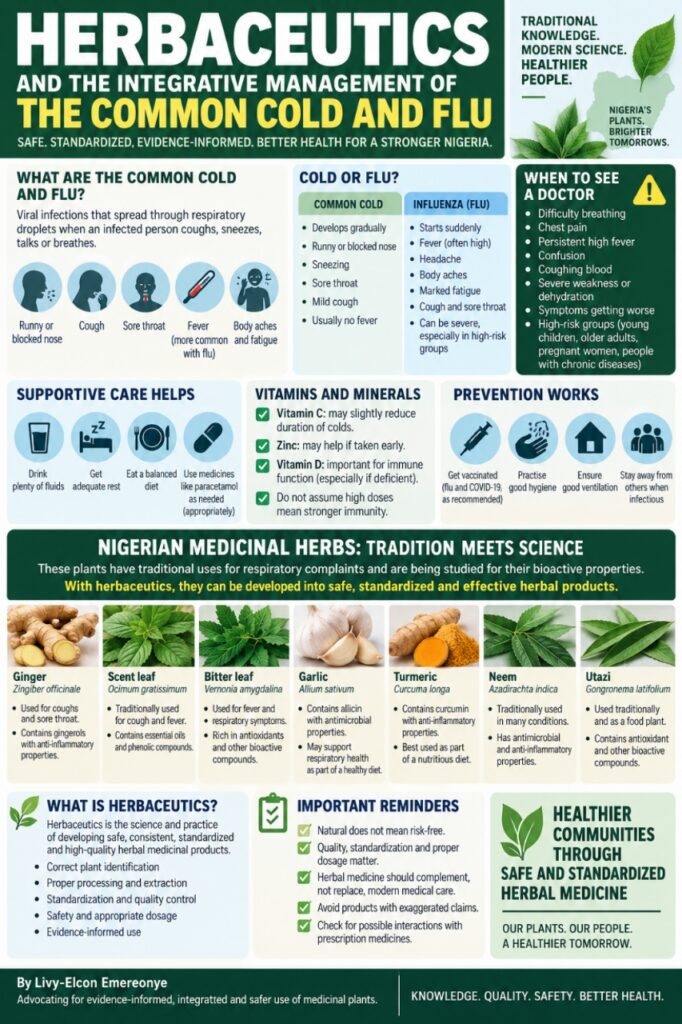
Medicinal plants have contributed substantially to human healthcare for centuries and continue to provide important therapeutic resources for both traditional and modern medicine. Despite their potential, the transition from medicinal plant material to reliable herbal medicinal products remains challenging. Variability in botanical identity, cultivation, harvesting, processing, extraction, phytochemical composition, formulation, storage and administration can significantly influence the quality, safety, reproducibility and therapeutic performance of herbal preparations.
This chapter examines the emerging concept of Herbaceutics, defined as the science and art of herbal dosage-form design and formulation, as a translational discipline within modern herbal medicine development. Although Herbaceutics draws upon pharmacognosy, phytochemistry, pharmacology, toxicology and conventional pharmaceutics, its distinctive contribution is the formulation-centred transformation of complex botanical preparations into stable, reproducible, appropriately dosed and patient-acceptable medicinal products. Particular attention is given to standardization, quality assurance, dosage-form development, drug-delivery considerations, Quality by Design (QbD), advanced analytical technologies, safety, herb–drug interactions, clinical evidence, regulatory science and sustainable development.
The chapter further considers opportunities for medicinal-plant pharmaceutical development across different regions of the world and proposes an integrated plant-to-product framework encompassing botanical identification, authentication, preparation development, pharmacological and safety evaluation, Herbaceutic formulation, manufacturing, clinical and regulatory translation, commercialization and pharmacovigilance. The central proposition is that the medicinal plant should be regarded as the starting material rather than the finished medicine. Herbaceutics can provide an important scientific and technological bridge between botanical therapeutic potential and reproducible medicinal products suitable for contemporary healthcare.
Keywords: Medicinal plants; herbal medicine; Herbaceutics; herbal formulation; dosage forms; phytotherapy; standardization; quality control; phytopharmaceuticals; traditional medicine; drug delivery; evidence-based medicine.
1. Introduction
Medicinal plants constitute one of humanity's oldest and most enduring sources of healthcare. Across cultures and civilizations, plants have been used to prevent, alleviate and manage disease. Contemporary pharmaceutical science has also demonstrated the importance of natural products as sources of biologically active compounds and therapeutic leads.
The continued relevance of medicinal plants is reflected in the widespread use of traditional and complementary medicine globally. However, the existence of a long history of traditional use does not automatically guarantee that every botanical preparation is consistent, safe, effective or suitable for modern pharmaceutical use. The major challenge is therefore no longer simply the identification of medicinal plants but the scientific translation of botanical resources into reliable medicinal products.
Unlike many conventional medicines based on relatively well-defined active pharmaceutical ingredients, herbal medicines may contain complex mixtures of primary and secondary metabolites. Their composition can be influenced by genetic factors, geographical origin, soil, climate, cultivation practices, maturity, harvesting conditions, post-harvest processing, extraction procedures, storage and formulation.
Consequently, two preparations described as being derived from the same plant may not necessarily possess identical chemical or biological characteristics. Differences in preparation may influence stability, dose, bioavailability, pharmacological activity and safety.
These challenges have stimulated increasing interest in authentication, chemical characterization, standardization, advanced analytical technologies, pharmacological evaluation and modern dosage-form development. Nevertheless, an important conceptual gap remains between the medicinal plant or botanical extract and the finished medicinal product.
This chapter proposes Herbaceutics as an emerging discipline addressing this gap. Herbaceutics focuses particularly on the design and formulation of herbal dosage forms while recognizing the distinctive physicochemical, biological and manufacturing characteristics of botanical materials.
The objective is not to replace established disciplines such as pharmacognosy, phytochemistry or pharmaceutics, but to establish a coherent formulation-centred interface through which knowledge from these disciplines can be translated into reproducible herbal medicines.
2. The Medicinal Plant–Medicine Continuum
The development of a medicinal product from a plant is a continuum rather than a single event. It begins with the identification of a potentially useful botanical resource and extends through authentication, cultivation or collection, preparation, extraction, characterization, pharmacological and safety assessment, formulation, manufacturing, clinical evaluation, regulatory approval and post-market surveillance.
Traditional knowledge may provide the initial indication that a plant possesses therapeutic potential. Ethnobotanical information can therefore be valuable in identifying species, plant parts, preparation methods and therapeutic applications worthy of scientific investigation.
However, traditional knowledge and pharmaceutical evidence answer different questions. Traditional use may establish historical or empirical relevance, whereas modern development requires additional information concerning identity, composition, dose, mechanism, safety, reproducibility, pharmacokinetics and clinical performance.
The medicinal plant should consequently be viewed as a starting material in a development process, rather than automatically regarded as a finished medicine.
At each stage, new sources of variability may be introduced. For example, genetic variation can influence phytochemical composition; environmental conditions can modify metabolite production; harvesting and drying can affect chemical stability; extraction can alter the concentration and relative proportions of constituents; and formulation can determine stability, dissolution, release and patient acceptability.
The final product therefore reflects the cumulative effects of the entire development pathway.
A scientifically responsible herbal medicine programme must consequently connect botanical science with pharmaceutical development rather than treating them as separate activities.
3. Herbaceutics: Its Distinct Contribution to Herbal Medicine
Herbaceutics may be conceptualized as the science and art of herbal dosage-form design and formulation.
It draws upon pharmacognosy, phytochemistry, pharmaceutics, pharmacology, toxicology, analytical science and related disciplines, but its principal focus is the transformation of medicinal plant preparations into appropriate, reproducible and stable dosage forms for human use.
Its distinctiveness arises from the nature of botanical medicines. Conventional pharmaceutics frequently begins with a relatively well-characterized active pharmaceutical ingredient. Herbal preparations, in contrast, may contain numerous constituents whose concentrations and interactions vary according to species, chemotype, cultivation, harvesting, processing, extraction and storage.
These characteristics create formulation and product-development challenges that cannot always be addressed simply by applying conventional pharmaceutical techniques.
Herbaceutics therefore addresses five closely related problems:
3.1 Botanical-to-product translation
Herbaceutics transforms a complex botanical preparation into a pharmaceutical dosage form such as a capsule, tablet, liquid preparation, cream, gel, powder or other appropriate delivery system.
3.2 Linking botanical characteristics to dosage-form performance
The physical and chemical characteristics of an extract or plant-derived preparation influence properties such as flow, compressibility, solubility, dissolution, stability, release and manufacturability. Herbaceutic development seeks to understand and manage these relationships.
3.3 Designing for reproducibility
Because botanical materials naturally vary, formulation and manufacturing processes must be designed to minimize unacceptable variability and maintain defined quality attributes.
3.4 Optimizing herbal delivery
The selection of dosage form, excipients, processing conditions, route of administration and, where appropriate, advanced delivery technologies can influence the performance and acceptability of herbal medicines.
3.5 Creating the plant-to-patient bridge
Herbaceutics connects the characterized botanical preparation with a practical dosage form that can be administered consistently to patients.
Thus, Herbaceutics is not synonymous with pharmacognosy, phytochemistry, quality control or conventional pharmaceutics. Neither does it encompass the entire medicinal-plant development pathway. Rather, it provides the formulation and dosage-form bridge within that pathway.
Its central question can be expressed as:
"How can a biologically active botanical preparation be transformed into a reproducible, stable, appropriately dosed and quality-assured medicinal product?"
This formulation-centred perspective provides an important conceptual foundation for integrating botanical science with modern pharmaceutical development.
4. Standardization, Quality and Reproducibility
Quality is fundamental to the development and responsible use of herbal medicines. In botanical products, quality encompasses identity, purity, composition, consistency, stability and the absence or control of undesirable contaminants.
Standardization should not be understood simply as making every plant preparation chemically identical. Rather, it involves establishing appropriate specifications and controls that ensure a product possesses defined and reproducible quality characteristics.
Authentication is the first requirement. Correct botanical identification protects against substitution, adulteration and accidental use of inappropriate species. Macroscopic and microscopic examination may be supplemented by chromatographic, spectroscopic, molecular or DNA-based methods.
Raw materials must also be evaluated for contaminants and other undesirable substances. Depending on the material and production system, relevant concerns may include microorganisms, heavy metals, pesticides, aflatoxins, undeclared pharmaceuticals and other contaminants.
Chemical characterization provides another important layer of quality assurance. Chromatographic fingerprints, marker compounds and quantitative analytical methods can help characterize botanical preparations. Increasingly, metabolomics and other comprehensive analytical approaches offer opportunities to assess complex chemical profiles.
However, chemical consistency alone may not fully represent biological consistency. Where appropriate, analytical characterization should therefore be complemented by pharmacological or biological assays relevant to the intended therapeutic activity.
Reproducibility should be addressed across the complete production chain—from botanical source and processing through extraction, formulation, packaging and storage.
The objective is to establish a controlled relationship between raw material quality, process parameters, product characteristics and intended performance.
5. Herbaceutic Formulation and Drug Delivery
Formulation is the stage at which the characteristics of a botanical preparation are deliberately converted into a usable dosage form.
The selection of a dosage form should reflect the nature of the preparation, intended route of administration, therapeutic objective, dose requirements, stability, patient population, manufacturing capacity and regulatory expectations.
Potential dosage forms include tablets, capsules, powders, oral liquids, syrups, creams, ointments, gels, suppositories and other specialized delivery systems.
Botanical extracts can present formulation challenges including poor water solubility, hygroscopicity, unpleasant taste or odour, poor flow, variable particle size, instability and incompatibility with excipients. Some preparations may also contain constituents that are sensitive to heat, light, oxygen or moisture.
Herbaceutic formulation therefore requires careful selection of excipients and processing methods. Parameters such as particle characteristics, moisture content, extract concentration, compression behaviour, disintegration, dissolution and storage stability may need to be evaluated.
Drug-delivery technologies may offer additional opportunities where conventional dosage forms do not provide adequate performance. Depending on the specific product, technologies involving microencapsulation, nanoformulation, lipid-based systems or other controlled-delivery approaches may be investigated.
Such technologies should not be adopted merely because they are technologically advanced. Their use should be justified by a clearly defined product-development objective and supported by appropriate evidence of safety, stability and performance.
The fundamental purpose of Herbaceutic formulation is therefore not technological complexity but controlled and appropriate delivery of the botanical preparation.
6. Quality by Design in Herbal Medicine
Quality by Design (QbD) provides a systematic methodology for developing products in which quality is deliberately built into the formulation and manufacturing process rather than tested only at the end.
Its application to herbal medicines is particularly relevant because botanical materials and preparations can exhibit substantial natural variability.
A QbD-oriented approach begins with the definition of the Quality Target Product Profile (QTPP). This establishes the intended characteristics of the finished product, including dosage form, route of administration, strength, stability and relevant performance requirements.
Critical Quality Attributes (CQAs) can then be identified. Depending on the product, these may include identity, marker-compound content, chemical fingerprint, microbial quality, moisture, dissolution, physical characteristics and stability.
Critical Material Attributes (CMAs) and Critical Process Parameters (CPPs) are subsequently investigated to understand how raw materials and manufacturing processes influence CQAs.
Risk assessment, design of experiments and process understanding can help identify important relationships and establish robust formulation and manufacturing conditions.
For herbal products, QbD can therefore provide a structured means of managing variability without attempting to eliminate the inherent biological complexity of medicinal plants.
QbD should be regarded as a development methodology within Herbaceutics, rather than as a replacement for Herbaceutics itself.
7. Advanced Analytical and Digital Approaches
Rapid advances in analytical science are expanding the ability to characterize medicinal plants and complex herbal preparations.
Chromatographic and spectroscopic techniques remain central to quality evaluation, while metabolomics can provide broader profiles of chemical constituents. DNA-based authentication can assist in verifying botanical identity, particularly where morphological identification is difficult.
Fingerprinting approaches can provide characteristic patterns that facilitate comparison among batches and help detect substitution or adulteration.
Computational approaches and artificial intelligence may further support pattern recognition, prediction of formulation behaviour, identification of potential bioactive constituents and analysis of complex datasets. Digital tools may also assist in traceability throughout cultivation, processing and manufacturing.
These technologies are most valuable when integrated into a scientifically coherent development strategy. Analytical sophistication does not by itself establish therapeutic efficacy. Instead, advanced analytical methods should support the broader objectives of identity, quality, reproducibility, safety and product understanding.
8. Safety and Herb–Drug Interactions
The perception that natural products are inherently safe can create significant risks. Medicinal plants contain biologically active substances capable of producing therapeutic as well as adverse effects.
Safety evaluation should therefore consider acute and chronic toxicity, organ-specific effects, reproductive and developmental toxicity where relevant, genotoxicity and other potential risks according to the intended use and exposure.
Herb–drug interactions are particularly important in patients receiving conventional medicines. Interactions may arise through effects on drug-metabolizing enzymes, transporters, gastrointestinal absorption, pharmacodynamic pathways or other mechanisms.
Risk assessment should take account of dose, duration of use, preparation type, patient characteristics and concomitant medicines.
Formulation may also influence exposure. Differences in extraction efficiency, concentration, dissolution and bioavailability can alter the amount of biologically active constituents reaching systemic or local sites of action.
Appropriate product labelling, professional education, pharmacovigilance and communication with patients are therefore essential components of responsible herbal medicine use.
9. Traditional Knowledge and Clinical Evidence
Traditional knowledge represents an important source of information for medicinal-plant research. It can guide the selection of species, plant parts, preparation methods and therapeutic applications.
However, the scientific evaluation of traditional knowledge requires methodological care. Historical use should not automatically be equated with clinical efficacy, nor should the absence of conventional clinical evidence necessarily be interpreted as proof of ineffectiveness.
A progressive evidence framework can include ethnomedical documentation, botanical authentication, phytochemical characterization, in vitro investigation, animal studies, toxicological evaluation, pharmacokinetic studies and appropriately designed human clinical studies.
Clinical research should address questions relevant to the intended product and indication. Where feasible, randomized controlled trials can provide important evidence regarding efficacy and safety. Observational studies, pragmatic research and real-world evidence can provide complementary information concerning patterns of use and longer-term experience.
An important consideration is that clinical evidence should correspond to the actual preparation being used. Evidence generated from one extract or formulation cannot automatically be transferred to a substantially different preparation.
This reinforces the importance of Herbaceutic reproducibility: the product evaluated scientifically should correspond sufficiently to the product ultimately administered to patients.
10. Medicinal Plants in Integrative Healthcare
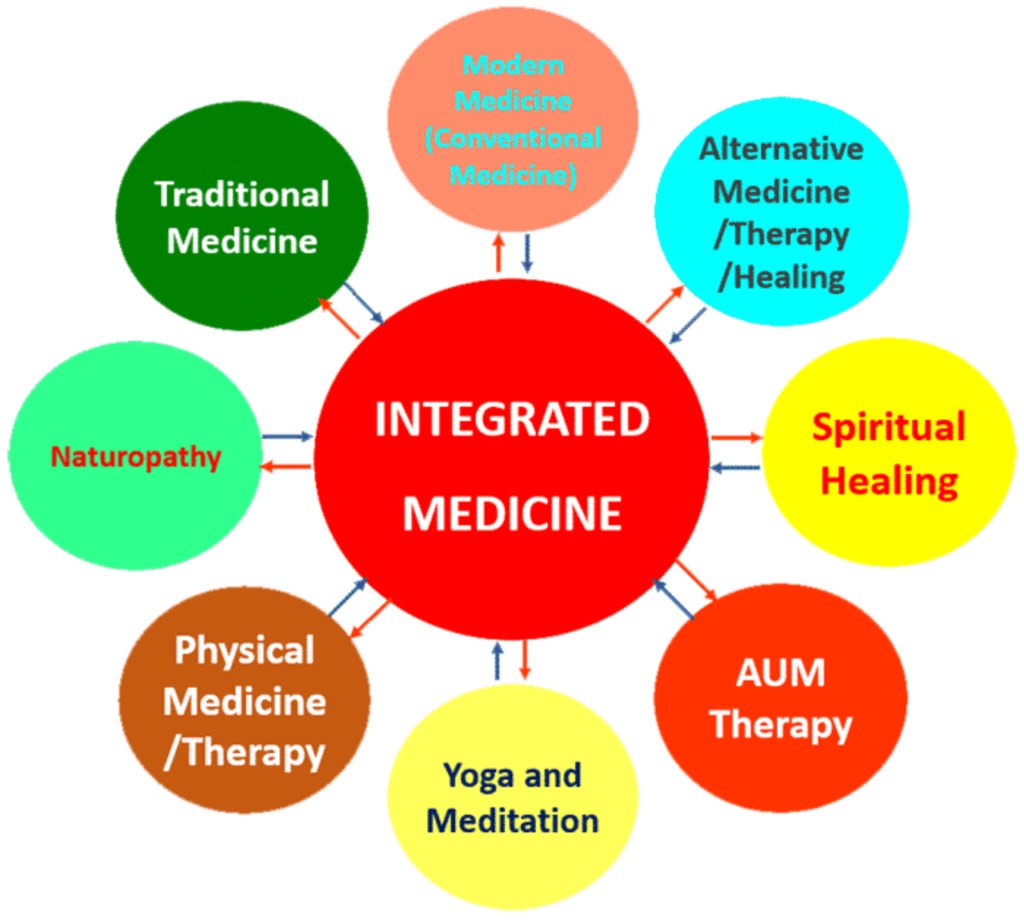
Integrative healthcare seeks to bring together appropriate conventional and complementary approaches within a coordinated framework centred on patient needs, safety and evidence.
Medicinal plants can contribute to such systems where there is adequate evidence for their intended applications and appropriate safeguards concerning quality, dosage and interactions.
Integration requires communication among healthcare professionals. Pharmacists, physicians, nurses, herbal medicine practitioners and other relevant professionals should understand the potential benefits, limitations and risks of herbal products.
From a pharmaceutical perspective, reliable dosage forms and clear product information can facilitate appropriate use. Patients should be encouraged to disclose their use of herbal products, particularly when receiving prescription medicines or undergoing procedures.
The future of integrative healthcare therefore depends not simply on increasing the availability of herbal products but on improving their quality, evidence base, transparency and compatibility with responsible clinical practice.
11. Global Opportunities for Medicinal Plant-Based Pharmaceutical Development
The growing global interest in medicinal plants presents an opportunity to strengthen the transition from traditional botanical remedies to scientifically characterized, quality-assured and clinically relevant herbal medicines. This opportunity extends across Africa, Asia, Europe, the Americas and other regions where medicinal plants remain important components of healthcare, pharmaceutical research and cultural heritage.
A major opportunity lies in integrating traditional knowledge with contemporary pharmaceutical science. Traditional use can provide valuable leads for identifying medicinal species, therapeutic indications and preparation methods. However, traditional use alone does not establish consistent composition, safety, dosage or clinical effectiveness. Herbaceutic development can provide a structured pathway through which promising botanical preparations are authenticated, characterized, formulated and evaluated.
Global collaboration is particularly important because medicinal-plant research is inherently multidisciplinary and geographically diverse. Partnerships among pharmacognosists, phytochemists, pharmacists, formulation scientists, pharmacologists, clinicians, toxicologists, botanists, ethnomedical practitioners, regulators and industry can accelerate translation of promising plants into appropriate medicinal products.
There is also considerable potential for local and regional pharmaceutical manufacturing. Countries rich in medicinal-plant resources can move beyond the export of raw botanical materials towards the development of standardized extracts, finished dosage forms and evidence-supported phytopharmaceutical products. Such development can contribute to pharmaceutical self-reliance, economic diversification, employment and improved access to locally relevant healthcare products.
Technological advances are expanding these opportunities. Modern analytical chemistry, metabolomics, molecular authentication, advanced extraction technologies, computational approaches and novel drug-delivery systems can improve the characterization and reproducibility of botanical medicines.
An important objective is the development of regionally appropriate but internationally compatible herbal medicines. Botanical resources, traditional practices and healthcare systems differ among populations. A globally relevant Herbaceutic framework should therefore not impose a single model on all medicinal-plant systems. Instead, it should provide common scientific principles—identity, quality, safety, reproducibility, appropriate formulation and evidence—while allowing legitimate regional differences.
Regulatory cooperation is another important opportunity. Differences in definitions, quality requirements, evidence standards, permitted claims and registration pathways can complicate the international development and movement of herbal medicinal products. Greater cooperation among regulators, researchers and industry could promote convergence of scientific and quality expectations while respecting national and regional regulatory requirements.
Sustainability must remain integral to medicinal-plant development. Increasing commercial demand can place pressure on wild populations and ecosystems. Sustainable cultivation, responsible collection, traceability, biodiversity conservation and equitable benefit-sharing are therefore essential components of responsible innovation.
The global opportunity is ultimately not simply to increase the number of herbal products available in the marketplace. It is to improve their quality, reproducibility, safety, acceptability and therapeutic usefulness.
Herbaceutics can contribute to this objective by providing a formulation-centred bridge between botanical resources, pharmaceutical science and patient use. Its international relevance lies in its adaptability: botanical materials and regulatory environments may differ across regions, but the fundamental challenge remains similar—transforming complex biological materials into reliable medicinal products without losing sight of their biological, cultural and ecological context.
12. Sustainability, Biodiversity and Traditional Knowledge
Medicinal-plant development must be compatible with ecological sustainability and responsible use of biological resources.
Unsustainable harvesting may threaten plant populations and biodiversity, particularly when demand increases rapidly following the commercialization of a medicinal species.
Cultivation can provide an alternative to uncontrolled wild collection, although cultivation itself requires appropriate management of soil, water, genetic diversity, pesticides and other agricultural inputs.
Good Agricultural and Collection Practices can support consistent raw-material quality while promoting responsible resource management.
Traceability is also important. The ability to identify the geographical and production history of a botanical material can support quality assurance, supply-chain management and sustainability.
Traditional knowledge presents an additional ethical dimension. Communities that have developed and maintained knowledge concerning medicinal plants should not be excluded from benefits arising from its commercial or scientific utilization. Appropriate legal and ethical frameworks for access, benefit-sharing and protection of traditional knowledge are therefore important.
Sustainable medicinal-plant development should consequently seek a balance among therapeutic innovation, biodiversity conservation, economic opportunity and cultural responsibility.
13. Regulatory Science
Regulation is essential for ensuring that herbal medicinal products meet appropriate standards of quality, safety and, where applicable, efficacy.
Regulatory systems differ internationally in how they classify and evaluate herbal products. Depending on jurisdiction, a botanical product may be regulated as a traditional medicine, herbal medicinal product, dietary or health supplement, phytopharmaceutical or another category.
Such differences influence requirements for evidence, manufacturing, quality control, labelling, claims and registration.
For manufacturers and researchers, regulatory considerations should be incorporated early rather than treated as an end-stage activity. Product development should anticipate relevant requirements concerning botanical identity, specifications, contaminants, stability, manufacturing controls, documentation and clinical evidence.
Harmonization of scientific principles may facilitate international development while allowing regulatory authorities to maintain jurisdiction-specific requirements.
Herbaceutics can support regulatory science by strengthening the connection between formulation design, critical quality attributes, manufacturing processes, stability and finished-product specifications.
14. Integrated Herbaceutic Plant-to-Product Development Framework
An effective medicinal-plant development programme can be organized into a continuous framework:
Ethnomedical/Scientific Identification → Authentication and Sustainable Sourcing → Preparation Development → Pharmacological and Safety Evaluation → Herbaceutic Formulation → Stability and Manufacturing → Clinical and Regulatory Translation → Commercialization and Pharmacovigilance
Stage 1: Ethnomedical and Scientific Identification
Potential medicinal plants are identified through traditional knowledge, ethnobotanical investigation, scientific literature, pharmacological screening or other discovery approaches.
Stage 2: Authentication and Sustainable Sourcing
The botanical identity is established, the appropriate plant material is selected and sourcing is controlled through appropriate agricultural or collection practices.
Stage 3: Raw-Material and Preparation Development
Processing, drying, extraction and preparation methods are investigated and controlled to produce a sufficiently characterized botanical preparation.
Stage 4: Pharmacological and Safety Evaluation
The biological activity, preliminary mechanism, dose-response characteristics and relevant safety profile are investigated using appropriate experimental models.
Stage 5: Herbaceutic Formulation and Optimization
This is the core Herbaceutic stage. The botanical preparation is transformed into an appropriate dosage form, taking into account its physicochemical and biological characteristics, intended dose, route, stability, acceptability, manufacturability and desired delivery characteristics.
Stage 6: Stability, Manufacturing and Scale-Up
The formulation and manufacturing process are optimized for reproducibility, stability and scalable production. Appropriate in-process and finished-product controls are established.
Stage 7: Clinical and Regulatory Translation
The product is evaluated in appropriate human studies and developed in accordance with applicable regulatory requirements.
Stage 8: Commercialization, Pharmacovigilance and Continuous Improvement
Following appropriate authorization, the product enters controlled distribution and use. Safety monitoring, product-quality surveillance, consumer feedback and emerging scientific evidence contribute to continuous improvement.
The framework emphasizes that the medicinal plant is the starting material, not the finished medicine.
It also clarifies the position of Herbaceutics within the wider development process. Herbaceutics does not replace botanical identification, pharmacological research, clinical investigation or regulatory science. Its principal contribution is the scientifically controlled transformation of a characterized botanical preparation into a suitable medicinal dosage form.
15. Future Perspectives
The future of herbal medicine will increasingly depend on the ability to combine the strengths of traditional knowledge with rigorous pharmaceutical and biomedical science.
Several developments are likely to shape the field.
First, advances in analytical science will improve the characterization of complex botanical preparations. Second, computational methods and artificial intelligence may facilitate the interpretation of large phytochemical, pharmacological and clinical datasets. Third, novel drug-delivery technologies may improve the performance of selected herbal preparations.
Fourth, greater attention will likely be directed towards the relationship between chemical composition and biological activity. Rather than focusing exclusively on isolated marker compounds, future research may increasingly investigate multidimensional chemical and biological signatures.
Fifth, personalized and precision-oriented approaches could eventually influence herbal medicine, particularly where genetic, metabolic or microbiome-related differences affect therapeutic response. Such applications, however, require substantial evidence before routine clinical implementation.
The field will also need stronger international collaboration. Shared reference materials, validated analytical methods, standardized terminology, interoperable datasets and collaborative clinical research could improve comparability among studies and products.
Education will be equally important. Pharmaceutical and healthcare curricula should provide appropriate understanding of botanical medicines, including their quality characteristics, evidence, safety considerations, formulation and potential interactions.
Within this evolving landscape, Herbaceutics has an opportunity to develop as a recognizable scientific discipline focused on the unique formulation and dosage-form challenges of botanical medicines.
16. Key Research Priorities
Future research in Herbaceutics and medicinal-plant pharmaceutical development should address several priority areas:
1. Botanical authentication and traceability using complementary morphological, chemical and molecular methods.
2. Understanding sources of variability from genetics and cultivation through harvesting, processing and extraction.
3. Development of robust standardization strategies that integrate chemical and, where appropriate, biological characteristics.
4. Advanced herbal dosage-form development addressing stability, solubility, bioavailability, patient acceptability and manufacturability.
5. Application of Quality by Design to improve formulation and manufacturing robustness.
6. Validation of advanced analytical and computational methods for complex botanical preparations.
7. Systematic investigation of safety and herb–drug interactions, particularly for products likely to be used alongside conventional medicines.
8. Well-designed clinical studies using clearly characterized and reproducible preparations.
9. Long-term pharmacovigilance and real-world evidence generation following market introduction.
10. Sustainable cultivation and responsible sourcing to protect medicinal-plant biodiversity.
11. International collaboration and regulatory convergence to facilitate responsible development and appropriate access to quality herbal medicines.
12. Development of Herbaceutics as an academic and professional field, including appropriate terminology, curricula, research methodologies and competency standards.
These priorities should be pursued collaboratively rather than in disciplinary isolation. The complexity of medicinal plants makes interdisciplinary research particularly important.
17. Conclusion
Medicinal plants remain an important source of therapeutic knowledge and pharmaceutical potential. Their continued relevance, however, depends on the ability to address the scientific, technological, clinical, regulatory and sustainability challenges associated with converting complex botanical materials into reliable medicines.
The central challenge is not simply discovering medicinal plants or demonstrating that a plant contains biologically active constituents. It is establishing a controlled pathway through which botanical identity, preparation, composition, formulation, dosage, stability, safety and therapeutic performance can be connected.
Herbaceutics—the science and art of herbal dosage-form design and formulation—provides an important contribution to this challenge. Its distinctive role lies in creating the formulation and dosage-form bridge between a characterized botanical preparation and a reproducible medicinal product.
This perspective does not diminish the importance of pharmacognosy, phytochemistry, pharmacology, toxicology, clinical medicine or conventional pharmaceutics. Rather, it provides an interface through which these disciplines can contribute to the development of herbal medicines.
The future of medicinal-plant healthcare should therefore move beyond the simple dichotomy between “traditional” and “modern.” The more productive objective is a scientifically integrated continuum in which traditional knowledge can inform discovery, botanical science establishes identity and quality, pharmacological and clinical sciences generate evidence, and Herbaceutics translates characterized botanical preparations into appropriate medicinal dosage forms.
Ultimately, the medicinal plant is the starting material, not the finished medicine.
The successful transformation of botanical therapeutic potential into safe, effective, reproducible and patient-acceptable products will require not only better plants and better science, but also better formulation thinking. Herbaceutics provides a framework for that formulation thinking and, consequently, has the potential to become an important component of the future scientific development of herbal medicine.
PS: Livy-Elcon Emereonye is the propounder of Herbaceutics
References
1. World Health Organization. WHO Global Report on Traditional and Complementary Medicine 2019. Geneva: World Health Organization; 2019.
2. World Health Organization. WHO Guidelines on Good Agricultural and Collection Practices (GACP) for Medicinal Plants. Geneva: World Health Organization; 2003.
3. World Health Organization. WHO Guidelines for Assessing Quality of Herbal Medicines with Reference to Contaminants and Residues. Geneva: World Health Organization; 2007.
4. World Health Organization. Quality Control Methods for Herbal Materials. Geneva: World Health Organization; 2011.
5. World Health Organization. WHO Traditional Medicine Strategy 2014–2023. Geneva: World Health Organization; 2013.
6. Heinrich M, Barnes J, Gibbons S, Williamson EM. Fundamentals of Pharmacognosy and Phytotherapy. 2nd ed. Edinburgh: Churchill Livingstone Elsevier; 2012.
7. Evans WC. Trease and Evans' Pharmacognosy. 16th ed. Edinburgh: Saunders Elsevier; 2009.
8. Atanasov AG, Waltenberger B, Pferschy-Wenzig EM, et al. Discovery and resupply of pharmacologically active plant-derived natural products: a review. Biotechnology Advances. 2015;33(8):1582–1614.
9. Newman DJ, Cragg GM. Natural products as sources of new drugs over the nearly four decades from 1981 through 2019. Journal of Natural Products. 2020;83(3):770–803.
10. Pan SY, Litscher G, Gao SH, et al. Historical perspective of traditional indigenous medical practices: the current renaissance and conservation of herbal resources. Evidence-Based Complementary and Alternative Medicine. 2014;2014:525340.
11. Li FS, Weng JK. Demystifying traditional herbal medicine with modern approach. Nature Plants. 2017;3:17109.
12. Mukherjee PK. Quality Control and Evaluation of Herbal Drugs: Evaluating Natural Products and Traditional Medicine. 2nd ed. Elsevier; 2019.
13. Bandaranayake WM. Quality control, screening, toxicity, and regulation of herbal drugs. In: Ahmad I, Aqil F, Owais M, editors. Modern Phytomedicine: Turning Medicinal Plants into Drugs. Weinheim: Wiley-VCH; 2006.

 Of all the Neglected Tropical Diseases (NTDs), schistosomiasis stands out as the only one linked to cases where “men menstruate”!