
The Resurgent Ebola Virus Disease: A Public Health Challenge
By Livy-Elcon Emereonye
Introduction
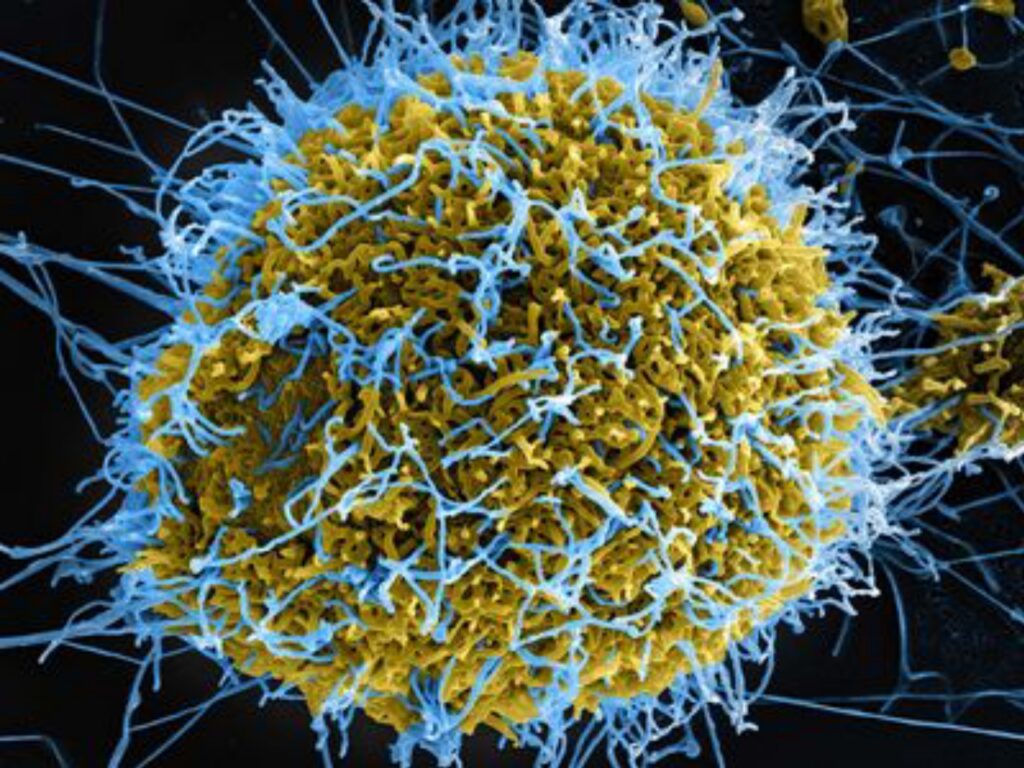
Ebola Virus Disease (EVD) remains one of the world’s most feared infectious diseases because of its high fatality rate, rapid transmission potential, and devastating impact on healthcare systems and communities. Since its discovery in 1976, Ebola has continued to pose serious public health threats, particularly in parts of Africa where outbreaks have repeatedly emerged. Although significant progress has been made in surveillance, laboratory diagnosis, vaccine development, treatment protocols, and emergency response systems, the recurrent resurgence of Ebola demonstrates that the disease remains a major global health concern.
The re-emergence of Ebola outbreaks in recent years has renewed discussions about the preparedness of healthcare systems, the importance of disease surveillance, the role of public health education, and the need for stronger international collaboration. Ebola outbreaks not only threaten lives directly but also disrupt economies, social structures, educational systems, healthcare delivery, and public confidence.
The burden of Ebola is especially severe in low-resource settings where poverty, weak healthcare infrastructure, political instability, misinformation, and inadequate sanitation increase vulnerability to infectious disease outbreaks. In addition, increasing environmental disruption, deforestation, urbanization, and human interaction with wildlife reservoirs have contributed to the persistence and resurgence of zoonotic diseases such as Ebola.
The lessons learned from previous Ebola outbreaks, particularly the West African epidemic of 2014–2016 and subsequent outbreaks in the Democratic Republic of Congo and Uganda, have shown that preparedness and rapid response are essential for reducing mortality and preventing widespread transmission.
This article examines the resurgence of Ebola Virus Disease as a major public health challenge. It explores the nature of the disease, modes of transmission, clinical manifestations, epidemiology, contributing factors to resurgence, public health implications, prevention and control strategies, and the role of integrative and community-based healthcare approaches.
Understanding Ebola Virus Disease
Ebola Virus Disease is a severe and often fatal illness caused by viruses belonging to the genus Ebolavirus within the family Filoviridae. The disease was first identified in 1976 near the Ebola River in what is now the Democratic Republic of Congo.
Several species of Ebola virus have been identified, including: -Zaire ebolavirus -Sudan ebolavirus -Bundibugyo ebolavirus -Taï Forest ebolavirus -Reston ebolavirus -Bombali ebolavirus
Among these, the Zaire ebolavirus species has been responsible for the deadliest outbreaks.
The disease has a high fatality rate, ranging from 25% to 90% depending on the outbreak, quality of healthcare, and timeliness of intervention.
Transmission of Ebola Virus Disease
Ebola is primarily a zoonotic disease, meaning it can spread from animals to humans. Fruit bats are considered the natural reservoirs of the virus.
Animal-to-Human Transmission
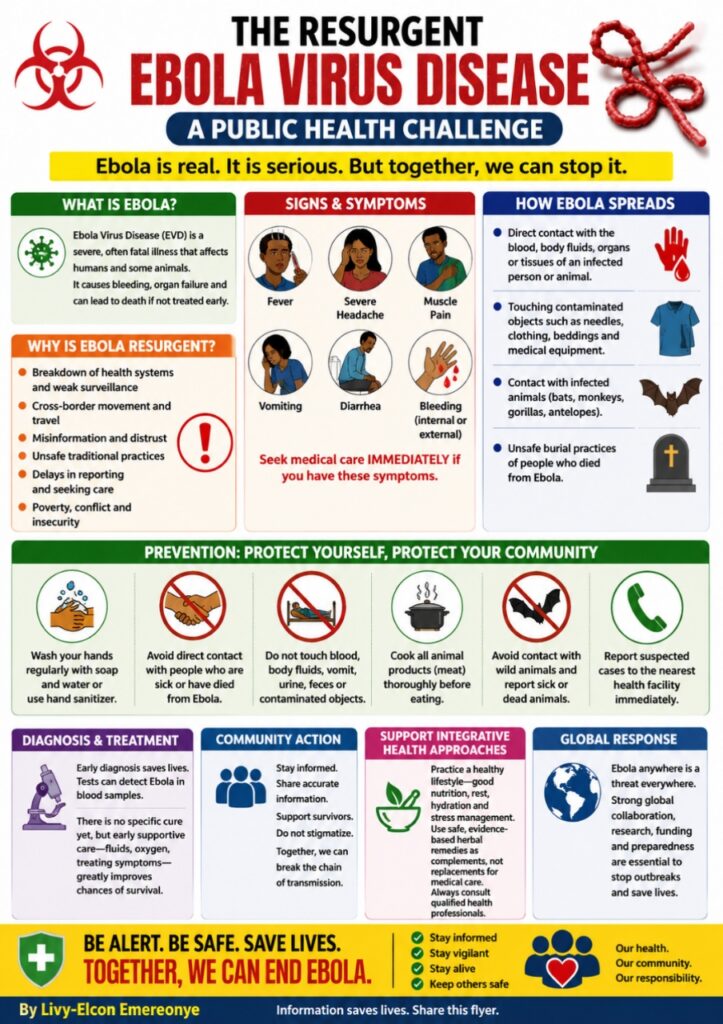
Humans may become infected through: -Contact with infected bats -Handling infected wildlife such as monkeys, chimpanzees, gorillas, antelopes, or porcupines -Consumption of contaminated bush meat -Exposure to infected animal blood or body fluids
Human-to-Human Transmission
Once introduced into human populations, Ebola spreads through direct contact with: -Blood -Vomit -Saliva -Sweat -Urine -Semen -Breast milk -Feces -Contaminated surfaces or materials
Healthcare workers and caregivers are particularly vulnerable when infection prevention measures are inadequate.
Traditional burial practices involving direct contact with corpses also contribute significantly to transmission.
Signs and Symptoms
The incubation period of Ebola ranges from 2 to 21 days.
Early Symptoms
Initial symptoms are often non-specific and may resemble malaria, typhoid fever, or influenza. They include: Sudden fever Severe weakness Fatigue Headache Muscle pain Sore throat Loss of appetite
Progressive Symptoms
As the disease progresses, patients may develop: -Vomiting -Diarrhea -Abdominal pain -Skin rash -Red eyes -Difficulty breathing -Difficulty swallowing -Internal and external bleeding -Severe dehydration, organ failure, shock, and death may occur if prompt treatment is not provided.
Epidemiology and Resurgence of Ebola
Ebola outbreaks have mainly occurred in Central and West Africa. Major outbreaks have been recorded in:
Democratic Republic of Congo, Uganda, Guinea, Sierra Leone, Liberia, Sudan etc
The 2014–2016 West African outbreak remains the largest Ebola epidemic in history, causing more than 28,000 cases and over 11,000 deaths.
Despite advances in outbreak response, sporadic resurgences continue to occur. Recent outbreaks in Uganda and the Democratic Republic of Congo have reinforced concerns about the persistent threat of Ebola.
Factors Responsible for the Resurgence of Ebola
1. Weak Healthcare Systems
Many countries vulnerable to Ebola outbreaks suffer from inadequate healthcare infrastructure, shortage of healthcare personnel, poor laboratory capacity, and limited emergency preparedness.

2. Poverty and Poor Living Conditions
Poverty contributes to poor sanitation, overcrowding, malnutrition, and limited access to healthcare services, increasing vulnerability to infectious diseases.
3. Deforestation and Environmental Changes
Human encroachment into forests increases contact between humans and infected wildlife reservoirs.
4. Conflict and Insecurity
Armed conflicts disrupt healthcare delivery, weaken surveillance systems, and hinder outbreak response efforts.
5. Misinformation and Cultural Beliefs
False information, distrust of authorities, and harmful traditional practices can discourage communities from seeking medical help or complying with public health measures.
6. Global Travel and Migration
International travel increases the risk of cross-border transmission and global spread.
7. Inadequate Disease Surveillance
Delayed detection and reporting allow outbreaks to spread before containment measures are implemented.
Public Health Implications of Ebola Resurgence
1. High Mortality and Morbidity
Ebola outbreaks can cause devastating loss of life, especially in resource-limited settings.
2. Healthcare System Collapse
Outbreaks place enormous pressure on hospitals, healthcare workers, and medical supplies.
3. Economic Disruption
Ebola outbreaks negatively affect trade, agriculture, tourism, investment, and productivity.
4. Social and Psychological Impact
Fear, stigma, anxiety, and social isolation are common consequences of Ebola outbreaks.
5. Educational Disruption
School closures during outbreaks interrupt learning and increase social vulnerability.
6. International Health Threat
The potential for international spread makes Ebola a major global health security concern.
Diagnosis of Ebola Virus Disease
Early diagnosis is essential for effective containment and treatment.
Laboratory tests used for diagnosis include: -Polymerase Chain Reaction (PCR) -Antigen-capture detection tests -Serum neutralization tests -Virus isolation -Antibody detection tests
Because early symptoms resemble other infectious diseases, differential diagnosis is important.
Treatment and Management
There is no universally curative drug for Ebola, but supportive care significantly improves survival.
Supportive Treatment Includes: -Oral or intravenous fluids -Electrolyte correction -Oxygen therapy -Blood pressure management -Nutritional support -Treatment of secondary infections
Antiviral Therapies
Some monoclonal antibody therapies have shown effectiveness in reducing mortality.
Vaccination
The development of Ebola vaccines represents a major breakthrough in outbreak prevention and control.
Vaccination strategies are especially important for: -Healthcare workers -High-risk contacts -Frontline responders -Communities in outbreak zones
Prevention and Control Measures
1. Public Health Education
Communities should receive accurate information about:
Modes of transmission
Symptoms
Preventive practices
Early reporting
Safe burial practices
2. Infection Prevention and Control
Healthcare facilities should maintain: -Hand hygiene -Personal protective equipment (PPE) -Isolation units -Proper waste disposal -Environmental sanitation
3. Surveillance and Contact Tracing
Rapid identification and monitoring of contacts are critical to interrupt transmission chains.
4. Safe Burial Practices
Specialized teams should handle burial procedures to minimize exposure.
5. Border and Travel Monitoring
Screening at borders and airports can help reduce international spread.
6. Community Engagement
Public cooperation is essential for successful outbreak response.

The Role of Integrative and Community-Based Healthcare
An effective Ebola response requires not only biomedical interventions but also community participation and integrative public health strategies.
Community Participation
Community leaders, religious organizations, traditional rulers, and civil society groups play critical roles in:
Public awareness
Reducing stigma
Promoting early healthcare seeking
Supporting survivors
Nutritional Support
Good nutrition helps strengthen immunity and improve recovery outcomes.
Patients recovering from infectious diseases require adequate: -Proteins -Vitamins -Minerals -Hydration -Mental Health Support
Psychological counseling and emotional support are essential for survivors, families, and healthcare workers.

Herbal Medicine and Traditional Health Practices
Traditional medicine remains an important aspect of healthcare in many African communities. However, herbal remedies should not replace scientifically approved Ebola treatment protocols.
Some medicinal plants possess immune-supportive, anti-inflammatory, antioxidant, or antimicrobial properties that may support general wellness. Nonetheless, herbal interventions should only be used responsibly and under professional guidance.
Public health authorities should collaborate with traditional healers to:
i. Encourage early referral of suspected cases ii. Reduce misinformation iii. Promote infection prevention practices iv. Improve community trust
Integrating culturally acceptable health education with evidence-based medicine may improve outbreak response effectiveness.
Challenges Facing Ebola Control Efforts
Several obstacles continue to hinder Ebola prevention and control. They include among others: -Insufficient funding -Limited healthcare infrastructure -Vaccine access inequities -Political instability -Community resistance -Poor transportation systems -Inadequate research capacity -Healthcare worker shortages
Addressing these challenges requires sustained political commitment and international cooperation.
Lessons from Previous Outbreaks
Past Ebola outbreaks have provided important public health lessons:
Early detection saves lives
Community trust is essential
Strong healthcare systems improve resilience
International collaboration is necessary
Public communication must be transparent
Preparedness should be continuous, not reactive
Countries that invest in preparedness and surveillance are better equipped to respond rapidly to outbreaks.
The Global Health Perspective
Ebola demonstrates how local outbreaks can rapidly become international emergencies.
Global health organizations such as:
World Health Organization (WHO)
Africa Centres for Disease Control and Prevention (Africa CDC)
UNICEF
Médecins Sans Frontières (MSF)
Centers for Disease Control and Prevention (CDC), among others, continue to play important roles in: -Outbreak response -Research -Vaccine deployment -Healthcare worker training etc
Public health education
International solidarity and resource sharing remain critical to preventing future epidemics.
Conclusion
The resurgence of Ebola Virus Disease remains a serious public health challenge with significant medical, social, economic, and global implications. Although progress has been made in diagnostics, treatment, vaccination, and outbreak management, persistent weaknesses in healthcare systems and socio-economic conditions continue to fuel recurring outbreaks.
Combating Ebola requires a comprehensive approach involving strong healthcare infrastructure, effective surveillance systems, public health education, vaccination, community participation, research, and international cooperation.
Governments, healthcare professionals, researchers, traditional leaders, and communities must work together to strengthen preparedness and response mechanisms. The fight against Ebola is not solely a medical responsibility but a collective global obligation.
By investing in resilient health systems, promoting evidence-based public health practices, and fostering community trust, the world can reduce the threat posed by Ebola Virus Disease and protect future generations from devastating outbreaks.
Accurate information, early reporting, community cooperation, and responsible healthcare practices remain essential in reducing the spread and impact of Ebola Virus Disease globally.
PS: Dr. Emereonye could be reached on: +234 803 3922 445
References
1. World Health Organization (WHO) – Ebola Virus Disease Fact Sheet https://www.who.int/news-room/fact-sheets/detail/ebola-virus-disease
2. World Health Organization (WHO) – Ebola Disease Outbreak News https://www.who.int/emergencies/disease-outbreak-news
3. Centers for Disease Control and Prevention (CDC) – Ebola Information https://www.cdc.gov/ebola/
4. Africa Centres for Disease Control and Prevention (Africa CDC) https://africacdc.org/
5. Feldmann H., Geisbert T.W. “Ebola haemorrhagic fever.” The Lancet (2011). https://www.thelancet.com/journals/lancet/article/PIIS0140-6736(10)60667-8/fulltext
6. National Institutes of Health (NIH) – Ebola Research https://www.nih.gov/research-training/medical-research-initiatives/ebola-research
7. UNICEF – Ebola Response and Community Engagement https://www.unicef.org/emergencies/ebola
8. Médecins Sans Frontières (MSF) – Ebola Response https://www.msf.org/ebola
9. World Bank – The Economic Impact of Ebola https://www.worldbank.org/en/topic/pandemics/brief/2014-ebola-epidemic-west-africa
10. The New England Journal of Medicine – Ebola Research Articles https://www.nejm.org/doi/full/10.1056/NEJMra1410860
11. BMJ Global Health – Strengthening Health Systems Against Ebola https://gh.bmj.com/
12. The Lancet Infectious Diseases – Ebola and Public Health Response https://www.thelancet.com/journals/laninf/home
13. Nature Reviews Microbiology – Ebola Virus Biology and Pathogenesis https://www.nature.com/articles/nrmicro3144
14. CDC – Infection Prevention and Control Recommendations https://www.cdc.gov/vhf/ebola/clinicians/evd/infection-control.html
15. WHO – Clinical Management of Ebola Virus Disease https://www.who.int/publications/i/item/clinical-management-of-patients-with-viral-haemorrhagic-fever
16. WHO – Ebola Vaccines and Vaccination Strategies https://www.who.int/news-room/questions-and-answers/item/ebola-vaccines
17. CDC – Safe and Dignified Burial Practices https://www.cdc.gov/vhf/ebola/prevention/index.html
18. International Journal of Environmental Research and Public Health – Zoonotic Diseases and Environmental Risk Factors https://www.mdpi.com/journal/ijerph
19. Journal of Infectious Diseases – Ebola Epidemiology https://academic.oup.com/jid
20. United Nations Development Programme (UNDP) – Ebola Recovery and Economic Impact https://www.undp.org/
 Introduction
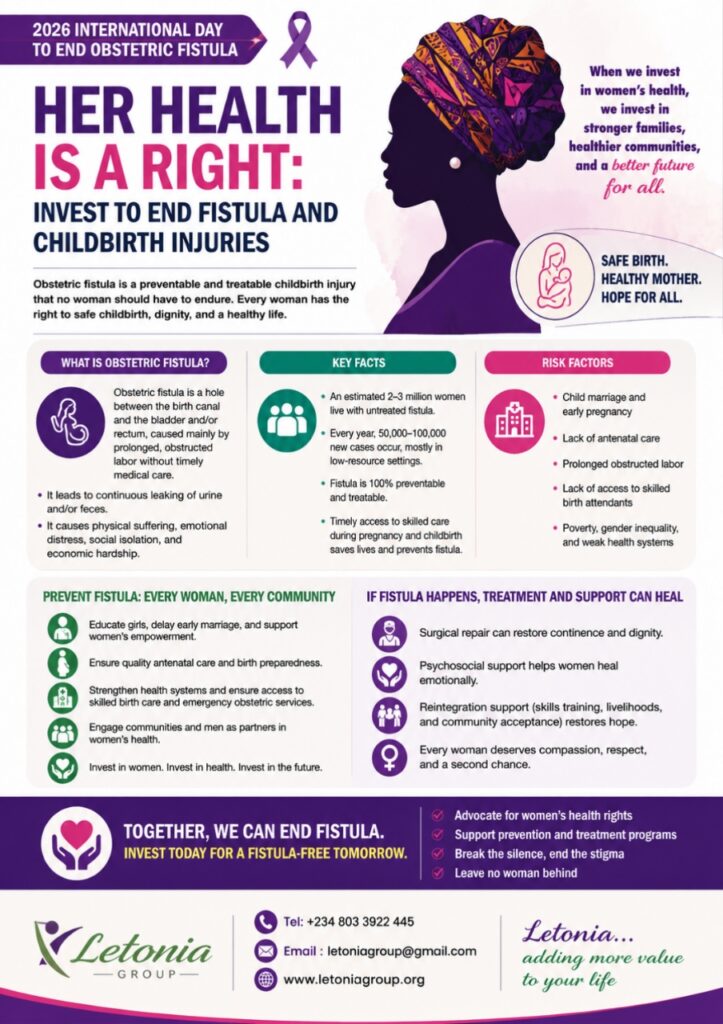
Every year, the International Day to End Obstetric Fistula draws global attention to one of the most devastating yet preventable childbirth injuries affecting women and girls, particularly in low- and middle-income countries. The 2026 theme, “Her Health Is a Right: Invest to End Fistula and Childbirth Injuries,” highlights the urgent need for governments, healthcare institutions, development partners, and communities to prioritize maternal healthcare investments, gender equity, skilled birth attendance, and access to quality obstetric services.
Obstetric fistula remains a profound public health challenge and a symbol of global inequities in healthcare access. It reflects failures in maternal health systems, poverty reduction, education, women’s empowerment, and emergency obstetric care. Beyond the physical injury, obstetric fistula carries devastating psychological, social, emotional, economic, and reproductive consequences.
The World Health Organization (WHO) describes obstetric fistula as one of the most serious childbirth injuries, resulting primarily from prolonged obstructed labor without timely medical intervention. Women living with fistula often experience chronic urinary or fecal incontinence, social isolation, stigma, infertility, recurrent infections, depression, and economic hardship.
Ending obstetric fistula requires more than surgical intervention alone. It demands a comprehensive public health approach that addresses the social determinants of health, maternal healthcare financing, nutrition, girl-child education, reproductive rights, community awareness, and access to safe childbirth services. Integrative healthcare approaches can also contribute significantly to prevention, rehabilitation, psychosocial support, and long-term wellbeing.
This work explores the epidemiology, causes, risk factors, consequences, prevention strategies, treatment options, policy implications, and integrative management approaches to obstetric fistula within the framework of the 2026 global theme.
Understanding Obstetric Fistula
Obstetric fistula is an abnormal opening between the birth canal and the bladder or rectum caused mainly by prolonged obstructed labor. The most common forms include:
Vesicovaginal fistula (VVF): between the bladder and vagina
Rectovaginal fistula (RVF): between the rectum and vagina
Ureterovaginal fistula: involving the ureter and vagina
The condition develops when prolonged pressure from the baby’s head cuts off blood supply to tissues in the pelvis during obstructed labor. This tissue subsequently dies, leaving a hole through which urine or feces leak uncontrollably.
In many cases, the baby does not survive the prolonged labor, resulting in both maternal injury and stillbirth.
Global Burden and Epidemiology
According to the United Nations Population Fund (UNFPA), approximately 50,000 to 100,000 new cases of obstetric fistula occur annually worldwide, while over two million women are estimated to be living with untreated fistula, mainly in sub-Saharan Africa and South Asia.
Countries with weak maternal healthcare systems, high rates of poverty, limited access to emergency obstetric care, early marriage, adolescent pregnancy, malnutrition, and low female education levels bear the highest burden.
Nigeria is among the countries with a significant burden of obstetric fistula. Factors such as:
-Poor access to healthcare facilities
-Rural healthcare disparities
-Cultural barriers
-Low utilization of skilled birth attendants
-Delays in seeking emergency obstetric care
-Poverty and transportation challenges etc
The factors continue to contribute to high maternal morbidity.
Despite advancements in maternal healthcare globally, many women still deliver without skilled assistance, particularly in remote communities. This contributes to preventable childbirth injuries and maternal deaths.
 Causes and Risk Factors
1. Prolonged Obstructed Labor
This is the leading cause of obstetric fistula. Obstructed labor occurs when the baby cannot pass through the birth canal due to factors such as:
-Cephalopelvic disproportion
-Abnormal fetal positioning
-Small maternal pelvis
-Prolonged labor without intervention
Without timely cesarean section or emergency obstetric care, tissue damage occurs.
2. Early Marriage and Adolescent Pregnancy
Young girls whose pelvises are not fully developed are at greater risk of obstructed labor. In many low-resource settings, child marriage contributes directly to early pregnancy and childbirth complications.
3. Poverty
Poverty limits access to:
-Antenatal care
-Skilled birth attendants
-Transportation to health facilities
-Nutritional support
-Emergency obstetric services
Poor women are disproportionately affected.
4. Malnutrition
Malnutrition during childhood and adolescence can result in stunted growth and underdeveloped pelvic structures, increasing the likelihood of obstructed labor.
5. Lack of Skilled Birth Attendance
Women delivering at home or with unskilled attendants may experience delayed referrals during complications.
6. Weak Healthcare Systems
Inadequate health infrastructure, shortages of trained personnel, limited surgical capacity, and poor referral systems contribute significantly.
7. Harmful Cultural Practices
Some communities discourage hospital delivery or promote practices that delay medical intervention during labor.
Clinical Manifestations
Women with obstetric fistula commonly present with:
-Continuous leakage of urine
-Leakage of feces
-Offensive odor
-Skin irritation and infections
-Pelvic pain
-Recurrent urinary tract infections
-Infertility
-Amenorrhea in some cases
-Vaginal scarring etc
The condition may also lead to severe social and emotional distress.
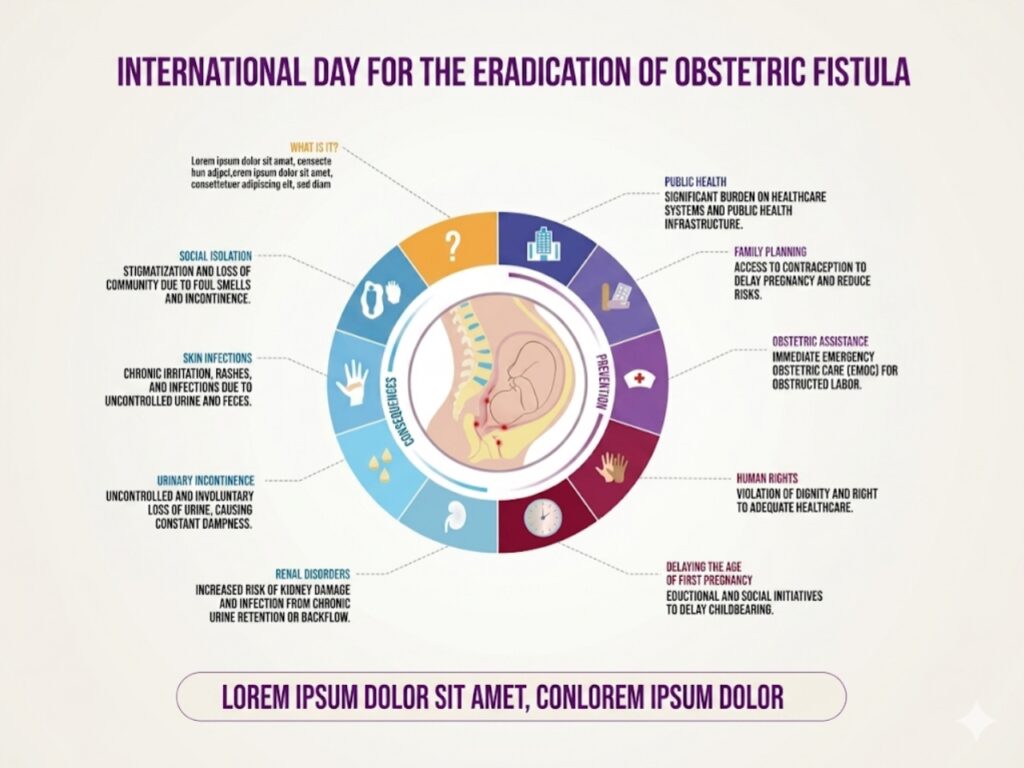
Psychological and Social Consequences
The burden of obstetric fistula extends far beyond physical injury.
Social Isolation
Many affected women face rejection by spouses, family members, and communities because of odor and incontinence.
Mental Health Challenges
Depression, anxiety, low self-esteem, trauma, and suicidal thoughts are common.
Economic Hardship
Women may lose employment opportunities and become financially dependent.
Marital Breakdown
Divorce and abandonment frequently occur among affected women.
Stigma and Discrimination
Societal misconceptions often lead to discrimination and exclusion.
The psychosocial impact demonstrates why fistula should be addressed as both a medical and human rights issue.
Obstetric Fistula as a Human Rights Issue
The 2026 theme emphasizes that women’s health is a fundamental human right.
Obstetric fistula reflects violations of:
-The right to health
-The right to dignity
-The right to safe motherhood
-Reproductive rights
-Gender equality
 Access to quality healthcare
Women living with fistula are often among the most vulnerable populations, including poor rural women, adolescents, displaced persons, and marginalized groups.
Investment in maternal health services is therefore not merely a healthcare intervention but also a social justice imperative.
Prevention Strategies
Preventing obstetric fistula is achievable through comprehensive public health interventions.
1. Access to Quality Maternal Healthcare
Universal access to:
-Antenatal care
-Skilled birth attendance
-Emergency obstetric care
-Cesarean section services, are essential.
2. Strengthening Primary Healthcare
Strong primary healthcare systems improve:
-Early risk identification
-Referral systems
Community outreach
-Maternal health education
-Family health
3. Girl-Child Education
Educated girls are more likely to:
-Delay marriage
-Seek healthcare
-Make informed reproductive choices
-Access maternal services
4. Delaying Early Marriage
Laws and policies against child marriage should be enforced.
5. Nutrition and Adolescent Health
Improved nutrition reduces stunting and promotes healthy pelvic development.
6. Community Awareness
Health education campaigns can encourage:
-Facility-based delivery
-Early referral during labor
-Male involvement in maternal health etc
7. Transportation and Emergency Referral Systems
Timely access to hospitals during labor emergencies is critical.
8. Investment in Healthcare Workforce
Training more:
-Midwives
-Obstetricians
-Nurses
-Surgeons
-Pharmacists
-Community health workers, among others, can reduce maternal complications.
Diagnosis and Clinical Evaluation
Diagnosis is based on:
-Medical history
-Pelvic examination
-Dye tests
-Imaging studies when necessary etc
Healthcare providers assess:
-Type and location of fistula
-Tissue damage
-Associated complications
-Urinary tract involvement
-Comprehensive assessment guides treatment planning.
Conventional Medical and Surgical Management
Surgical Repair
Surgery is the primary treatment for obstetric fistula.
Successful repair depends on:
-Size of fistula
-Extent of tissue damage
-Timing of repair
-Surgical expertise
Many women regain continence after successful surgery.
Catheterization
Small and newly formed fistulas may heal with prolonged bladder catheterization.
Antibiotic Therapy
Used to manage infections.
Nutritional Support
Nutritional rehabilitation promotes tissue healing and recovery.
Rehabilitation Services
Postoperative rehabilitation includes:
-Physiotherapy
-Counseling
-Social reintegration
-Vocational support
Integrative Management Approaches
Integrative management combines conventional medical care with evidence-informed complementary approaches that address physical, psychological, nutritional, emotional, and social wellbeing.
 Integrative approaches should never replace surgical intervention where indicated, but they may support prevention, recovery, rehabilitation, mental health, and quality of life.
1. Nutritional Therapy
Proper nutrition supports:
-Tissue repair
-Immune function
-Wound healing
-Recovery after surgery
Key nutritional considerations include:
-Adequate protein intake
-Iron-rich foods
-Vitamins A, C, D, and E
-Zinc supplementation where appropriate
-Hydration etc
Community nutrition programmes targeting girls and pregnant women may also reduce risks associated with obstructed labor.
2. Mental Health and Psychosocial Support
Psychological support is essential.
Integrative mental health interventions include:
-Counseling
-Cognitive behavioral therapy
-Group therapy
-Trauma-informed care
-Peer support groups
-Spiritual care where culturally appropriate etc
These approaches help restore dignity, self-esteem, and emotional resilience.
3. Physiotherapy and Pelvic Floor Rehabilitation
Pelvic floor exercises and physiotherapy may support:
-Muscle strengthening
-Bladder control
-Mobility improvement
-Post-surgical recovery
Trained physiotherapists can assist women during rehabilitation.
4. Community-Based Rehabilitation
Community reintegration programmes help survivors:
-Return to normal life
-Access livelihood opportunities
-Reduce stigma
-Improve social participation
Economic empowerment programmes are particularly important.
 However, evidence-informed herbal approaches may contribute positively to preventive and rehabilitative maternal health strategies.
Herbal Support for Maternal Nutrition and Wellness
Certain medicinal plants and herbal preparations traditionally used in maternal health may support:
-Nutritional supplementation
-Iron status
-Immune support
-Anti-inflammatory functions
-Recovery after childbirth
-General wellbeing
Examples of commonly studied medicinal plants include: Moringa oleifera,
Zingiber officinale, Allium sativum, Hibiscus sabdariffa, Curcuma longa.
These herbs contain phytochemicals, antioxidants, vitamins, and minerals that may support maternal health when used appropriately.
Herbal Approaches to Wound Healing and Tissue Support
Some medicinal plants possess antimicrobial, anti-inflammatory, and wound-healing properties that may support postoperative recovery and skin care under clinical supervision.
Herbal products investigated in wound care research include: Aloe vera, Calendula officinalis, Centella asiatica, Honey-based herbal preparations etc
These may help support tissue healing, reduce inflammation, and promote skin integrity.
Herbal Medicine and Mental Wellbeing
Women living with obstetric fistula frequently experience depression, anxiety, emotional trauma, and social isolation.
Certain herbal and natural approaches traditionally used for emotional wellbeing may support stress management and relaxation when combined with counseling and psychosocial care.
Examples include: Chamomile, Lavender, Lemon balm, Passion flower etc
Such approaches should be individualized and supervised by qualified healthcare professionals.
Traditional Birth Practices and Public Health Concerns
While traditional medicine remains culturally important in many communities, unsafe childbirth practices and delayed referral during obstructed labor can contribute significantly to fistula formation.
Public health systems should therefore encourage collaboration between Conventional healthcare providers, Traditional medicine practitioners, Traditional birth attendants and Community leaders through education, training, referral systems, and evidence-based maternal healthcare practices.
Traditional birth attendants can play valuable roles in:
community awareness, early identification of complications, prompt referral to hospitals and maternal education especially when adequately trained and integrated into healthcare systems.
Safety Considerations in Herbal Medicine
It should be noted that not all herbal products are safe during pregnancy or postpartum periods.
Potential concerns include:
-Toxicity
-Herb-drug interactions
-Contamination
-Incorrect dosing
-Adulteration
-Delayed access to emergency care etc
Healthcare providers should encourage evidence-based use of herbal medicine, quality assurance, pharmacovigilance, and patient education.
Research into herbal medicine safety and efficacy remains essential.
Integrative Herbal Medicine within Maternal Healthcare
An evidence-informed integrative approach to maternal healthcare may include:
-Nutritional counseling
-Safe herbal support where appropriate
-Conventional obstetric care
-Mental health support
-Physiotherapy
-Community rehabilitation
-Health education
Such multidisciplinary collaboration can improve maternal outcomes while respecting cultural practices and patient preferences.
Ultimately, the safest strategy for preventing obstetric fistula remains access to skilled maternal healthcare, timely emergency obstetric intervention, and strong healthcare systems supported by informed public health policies.
 The Role of Governments and Policymakers
Ending obstetric fistula requires political commitment and sustainable financing.
Governments should:
Increase healthcare funding
Strengthen maternal health infrastructure
Expand rural healthcare access
Subsidize maternal healthcare services
Train healthcare workers
Improve emergency obstetric care
Support fistula repair centres
Strengthen data collection systems
National policies should prioritize maternal health as a key development indicator.
The Role of International Organizations
Organizations such as: WHO, UNFPA, UNICEF, FIGO, other local and international NGOs have contributed significantly through:
-Funding
-Surgical outreach programmes
-Advocacy
-Training
-Research
-Community mobilization
Global partnerships remain essential.
The Role of Healthcare Professionals
Healthcare professionals play vital roles in:
-Prevention
-Early diagnosis
-Surgical management
-Counseling
-Rehabilitation
-Advocacy
-Research
Continuous medical education and capacity building are necessary.
Healthcare workers must also uphold compassion, dignity, and respectful maternity care.
Research and Innovation
Research remains critical for:
-Understanding disease burden
-Improving surgical outcomes
-Developing preventive strategies
-Evaluating rehabilitation programmes
-Strengthening maternal health systems
Digital health technologies, telemedicine, mobile health education, and artificial intelligence may improve maternal healthcare delivery in underserved communities.
Investing to End Fistula and Childbirth Injuries
The 2026 theme calls for investment at multiple levels.
Healthcare Investment
Funding is needed for:
-Maternal hospitals
-Skilled personnel
-Surgical services
-Medical equipment
-Rural healthcare centres
-Social Investment
Governments and stakeholders must invest in:
-Female education
-Poverty reduction
-Women’s empowerment
-Nutrition
-Transportation infrastructure
-Human Capital Investment
Healthy women contribute significantly to:
-Economic growth
-Family stability
-Community development
-National productivity
Investment in women’s health is therefore an investment in societal progress.
In conclusion, obstetric fistula remains one of the clearest indicators of global maternal health inequities. The 2026 International Day to End Obstetric Fistula theme, “Her Health Is a Right: Invest to End Fistula and Childbirth Injuries,” is both a call to action and a moral responsibility.
No woman should suffer lifelong injury, stigma, or isolation because she lacked access to quality maternal healthcare. Ending obstetric fistula requires comprehensive investments in healthcare systems, education, nutrition, gender equality, emergency obstetric care, and community awareness.
Integrative management approaches further strengthen prevention, rehabilitation, psychosocial recovery, and long-term wellbeing. Holistic and patient-centered strategies can improve quality of life and support reintegration into society.
 Governments, healthcare professionals, researchers, civil society organizations, development partners, and communities must work collaboratively to ensure safe motherhood for every woman.
Protecting women’s health is not charity—it is a fundamental human right.
A world free from obstetric fistula is achievable when nations choose to invest in women, prioritize maternal health, strengthen healthcare systems, and uphold the dignity of every mother.
PS: Dr. Emereonye could be reached on: +234 803 3922 445
References
1. World Health Organization (WHO). Obstetric Fistula Fact Sheet. Geneva: WHO; 2024.
2. United Nations Population Fund (UNFPA). Campaign to End Fistula. Available at: https://www.unfpa.org/end-fistula
3. World Health Organization. Maternal Health Overview. Geneva: WHO; 2023.
4. Ahmed S, Holtz SA. Social and economic consequences of obstetric fistula: Life changed forever? International Journal of Gynecology & Obstetrics. 2007;99(Suppl 1):S10–S15.
5. Wall LL. Obstetric vesicovaginal fistula as an international public-health problem. Lancet. 2006;368(9542):1201–1209.
6. United Nations. International Day to End Obstetric Fistula. Available at: https://www.un.org/en/observances/end-fistula-day
7. Tebeu PM, et al. Risk factors for obstetric fistula in the Far North Province of Cameroon. International Journal of Gynecology & Obstetrics. 2012;118(2):145–146.
8. World Health Organization. Trends in Maternal Mortality 2000–2023. Geneva: WHO; 2024.
9. Adler AJ, et al. Integrative approaches to women’s reproductive health. Journal of Women’s Health. 2018;27(8):987–995.
10. United Nations Children’s Fund (UNICEF). Maternal and Newborn Health Statistics. New York: UNICEF; 2024.
11. FIGO. Global Competency-Based Fistula Surgery Training Manual. International Federation of Gynecology and Obstetrics; 2022.
12. Banke-Thomas A, et al. Maternal health services in Nigeria: A critical review. BMC Pregnancy and Childbirth. 2021;21:67.
13. Lewis G, de Bernis L. Obstetric fistula: Guiding principles for clinical management and programme development. WHO; 2006.
14. United Nations Sustainable Development Goals (SDGs). Goal 3: Ensure healthy lives and promote wellbeing for all at all ages.
15. Arrowsmith SD, Hamlin EC, Wall LL. Obstructed labor injury complex: Obstetric fistula formation and the multifaceted morbidity of maternal birth trauma in the developing world. Obstetrical & Gynecological Survey. 1996;51(9):568–574.
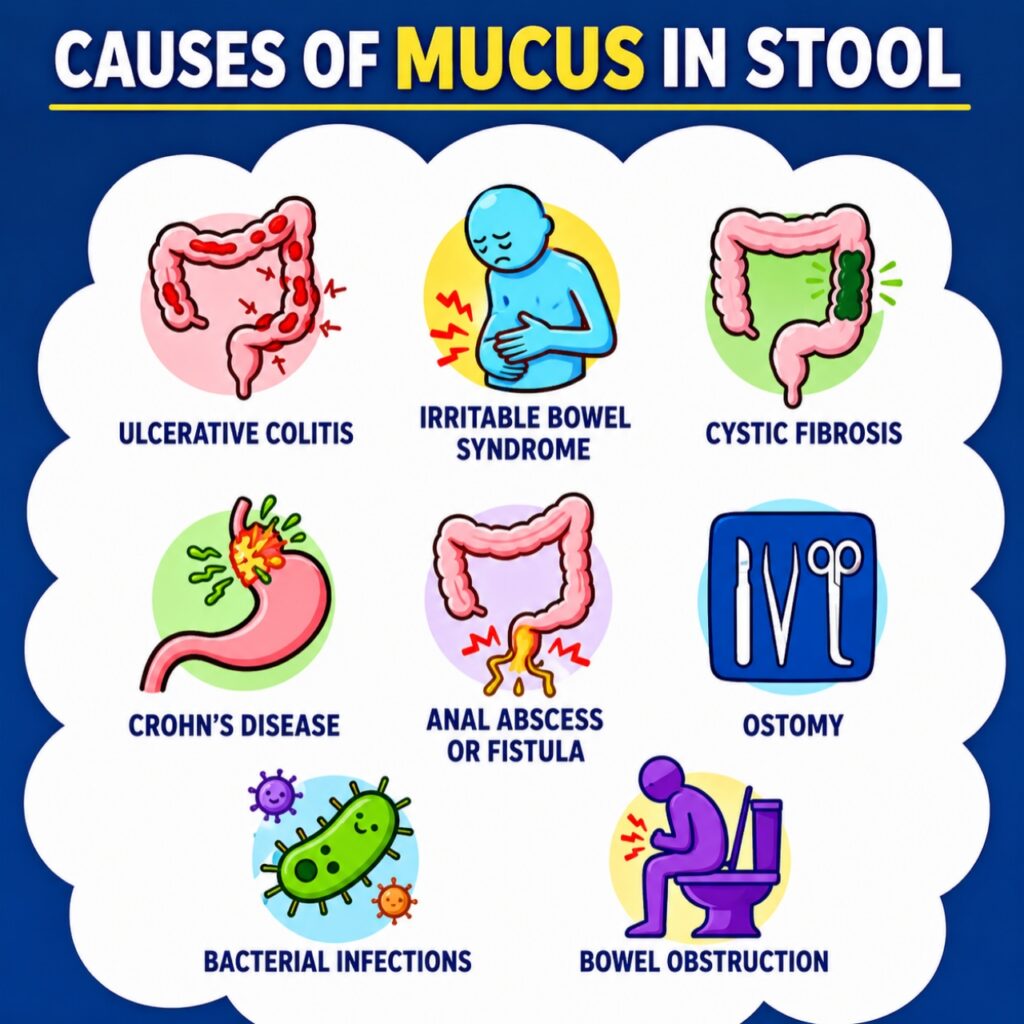 Digestive health remains one of the most overlooked areas of healthcare, especially in many developing societies where people silently endure embarrassing bowel symptoms without seeking medical help. One of such distressing conditions is faecal seepage accompanied by fatty, foul-smelling mucus discharge. Though often ignored or dismissed as ordinary “stomach upset,” this symptom may indicate deeper problems involving digestion, intestinal inflammation, microbial imbalance, liver dysfunction, pancreatic disease, or bowel disorders.
Faecal seepage refers to the involuntary leakage of stool or mucus from the anus, particularly after bowel movements or during bowel urgency. When associated with oily, greasy, or offensive-smelling mucus, it commonly suggests poor fat digestion or intestinal irritation. Affected individuals may also experience bloating, abdominal discomfort, excessive gas, floating stool, incomplete bowel evacuation, and irritation around the anal region. Beyond the physical discomfort, these symptoms can significantly affect confidence, mental well-being, social interaction, and productivity.
From a public health perspective, digestive disorders are increasingly common due to unhealthy diets, sedentary lifestyle, stress, alcohol consumption, overuse of antibiotics, environmental toxins, and poor fibre intake. In many low- and middle-income countries, poor sanitation, contaminated water, and parasitic infections further contribute to bowel diseases. Unfortunately, embarrassment and stigma often prevent many people from seeking proper medical evaluation, allowing potentially serious conditions to progress unnoticed.
 Several medical conditions can cause fatty, smelly mucus stool. One of the most common is fat malabsorption, also known as steatorrhea. This occurs when the body is unable to properly digest or absorb dietary fats. Under normal conditions, bile acids from the liver and digestive enzymes from the pancreas help break down fats for absorption in the intestine. When these processes are impaired due to pancreatic insufficiency, liver disease, gallbladder problems, celiac disease, or intestinal disorders, excess fat remains in the stool, producing greasy, floating, foul-smelling stool and oily leakage.
Another important factor is gut dysbiosis, a condition involving imbalance of the intestinal microbiome. The human gut contains trillions of microorganisms that regulate digestion, immunity, metabolism, and inflammation. Poor diet, alcohol abuse, infections, chronic stress, and excessive antibiotic use may disrupt this balance, leading to gas formation, inflammation, excess mucus production, bloating, and offensive stool odour.
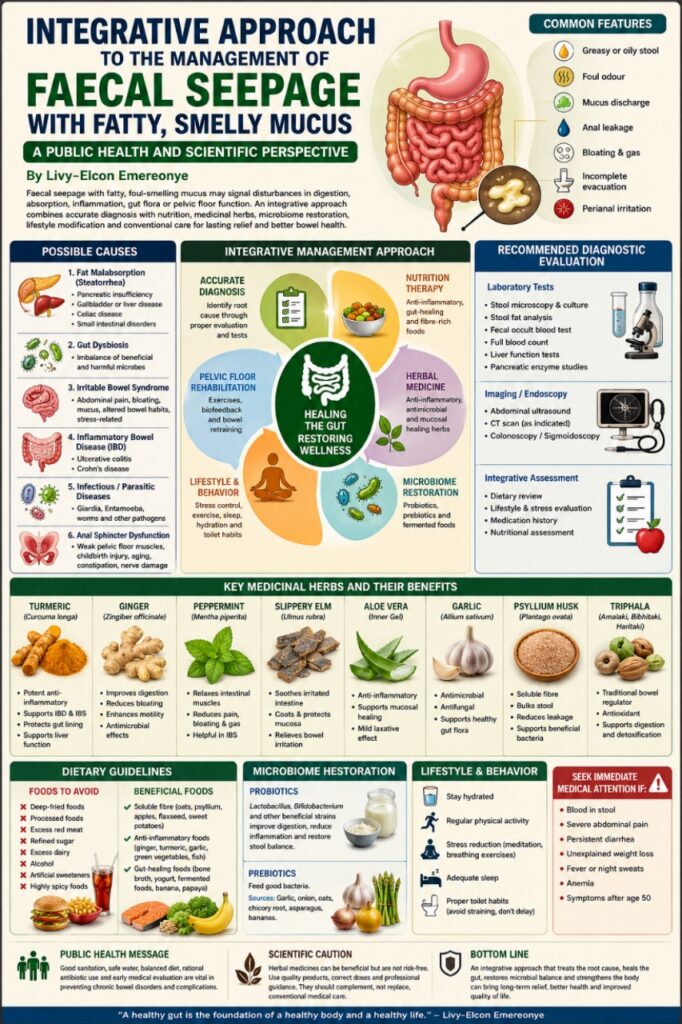 Irritable Bowel Syndrome (IBS) is another common cause. IBS is a functional bowel disorder characterized by abnormal interaction between the brain and digestive system. Symptoms often include mucus in stool, bloating, abdominal pain, altered bowel habits, and anxiety-related bowel disturbances. Emotional stress can worsen bowel urgency and mucus secretion.
Chronic inflammatory conditions such as ulcerative colitis and Crohn’s disease, collectively known as inflammatory bowel disease (IBD), may also cause mucus discharge, diarrhea, abdominal pain, fatigue, and weight loss. In some cases, infections caused by parasites such as Giardia lamblia or Entamoeba histolytica contribute to intestinal irritation and malabsorption, especially in areas with poor sanitation.
Weakness of the anal sphincter or pelvic floor muscles can also lead to faecal seepage. This may occur due to aging, childbirth injury, chronic constipation, or neurological disorders.
Because several diseases can produce similar symptoms, proper medical evaluation is essential. Diagnostic investigations may include stool microscopy and culture, stool fat analysis, fecal occult blood test, liver function tests, pancreatic enzyme studies, abdominal ultrasound, colonoscopy, and nutritional assessment. Lifestyle factors such as stress, alcohol intake, sleep quality, and medication history should also be reviewed carefully.
 An integrative approach to management combines conventional medicine with nutrition, herbal therapy, microbiome restoration, lifestyle modification, and preventive healthcare.
Dietary therapy plays a central role in intestinal healing. Deep-fried foods, processed meat, excess dairy products, refined sugar, alcohol, and highly spicy foods should be reduced because they worsen inflammation and digestive irritation. Instead, emphasis should be placed on soluble fibre-rich foods such as oats, apples, flaxseed, psyllium husk, and sweet potatoes, which help bulk stool and reduce seepage.
Anti-inflammatory foods including ginger, turmeric, garlic, green vegetables, and fatty fish may support gut healing. Fermented foods, yogurt, papaya, banana, and bone broth may also help restore intestinal integrity and improve digestion.
Medicinal herbs have long been used in managing gastrointestinal disorders, and several possess scientifically recognized anti-inflammatory, antimicrobial, and digestive properties.
Curcuma longa contains curcumin, a powerful anti-inflammatory compound that may help reduce intestinal inflammation, support liver function, and improve symptoms of IBS and inflammatory bowel disease. It can be consumed as tea, powder, or capsules.
Zingiber officinale is widely known for improving digestion and bowel motility. It may help reduce bloating, nausea, gas formation, and intestinal fermentation.
Mentha piperita has shown benefits in IBS management by relaxing intestinal muscles and reducing abdominal pain, bloating, and bowel discomfort. Enteric-coated peppermint oil capsules are commonly used clinically.
Ulmus rubra contains mucilage that coats and soothes the intestinal lining, thereby reducing irritation and improving stool passage.
Aloe vera inner gel may support intestinal healing and soothe inflamed bowel tissue when used cautiously in appropriate preparations.
Allium sativum possesses antimicrobial and antifungal properties that may help combat harmful intestinal microorganisms contributing to foul stool odour and dysbiosis.
Plantago ovata is particularly valuable because it improves stool consistency, supports beneficial gut bacteria, and reduces leakage.
 For individuals with anal sphincter weakness, pelvic floor rehabilitation involving Kegel exercises, bowel retraining, and biofeedback therapy may help improve bowel control and reduce seepage.
Fat malabsorption may also result in deficiencies of vitamins A, D, E, and K, as well as minerals such as zinc, magnesium, and iron. Proper nutritional assessment and supplementation may therefore be necessary.
Prevention remains a critical public health strategy. Healthy high-fibre diets, improved sanitation, safe water supply, rational antibiotic use, and early medical evaluation of persistent bowel symptoms are essential in reducing digestive disease burden.
However, immediate medical attention should be sought if symptoms are accompanied by blood in stool, severe abdominal pain, fever, unexplained weight loss, persistent diarrhea, vomiting, anemia, or symptoms beginning after age 50, as these may indicate more serious disease.
Although medicinal herbs may provide important benefits, they are not entirely risk-free. Herb-drug interactions, allergic reactions, contamination, and improper dosing can occur. Herbal therapies should therefore complement—not replace—proper medical evaluation and treatment.
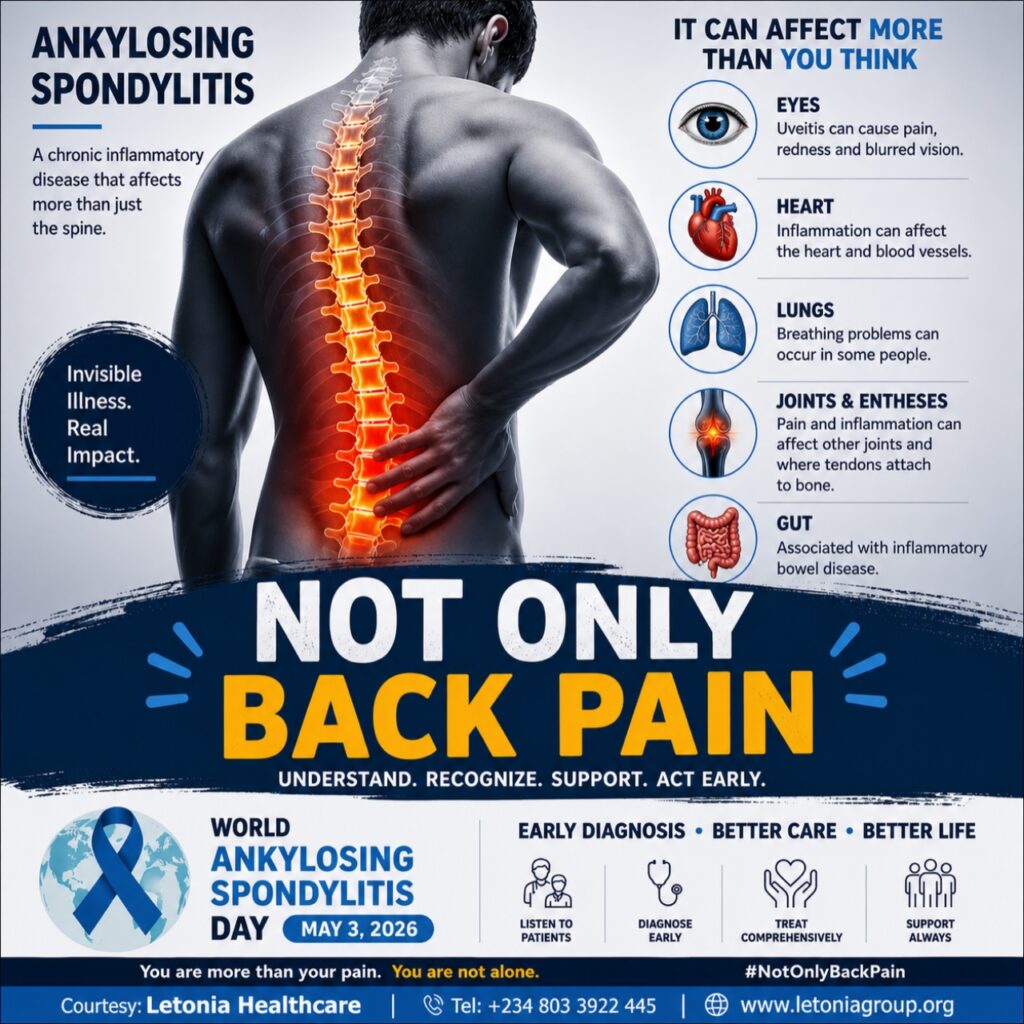 On May 3 each year, the global health community pauses to acknowledge Ankylosing Spondylitis (AS)—a chronic, inflammatory disease that is at once underdiagnosed, misunderstood, and too often trivialized. The 2026 theme, “Not Only Back Pain,” is not a slogan for rhetorical flourish; it is a corrective lens. It challenges a dangerous reductionism that has long obscured the full clinical, social, and economic burden of this condition.
To call Ankylosing Spondylitis “back pain” is akin to calling a storm a breeze. It is incomplete at best, and at worst, it delays diagnosis, distorts treatment, and diminishes patient dignity. This article argues that AS is a systemic disease with multi-organ implications, profound psychosocial consequences, and a pressing need for integrative, patient-centered care. It also contends that health systems—particularly in low- and middle-income countries—must evolve rapidly to meet the demands of this complex condition.
The Science Beyond the Spine
Ankylosing Spondylitis belongs to a family of diseases known as axial spondyloarthritis (axSpA), characterized primarily by inflammation of the spine and sacroiliac joints. The hallmark symptom is inflammatory back pain—typically worse in the morning or after periods of inactivity, and improving with exercise. But this clinical description, though accurate, is insufficient.
At the molecular level, AS is strongly associated with the HLA-B27 gene, yet the presence of this gene is neither necessary nor sufficient to cause the disease. This underscores the multifactorial nature of AS, involving genetic predisposition, immune dysregulation, and environmental triggers. Cytokines such as tumor necrosis factor-alpha (TNF-α) and interleukin-17 (IL-17) play pivotal roles in driving inflammation, making them key targets for modern biologic therapies.
But the inflammation in AS does not respect anatomical boundaries. It extends beyond the axial skeleton to affect peripheral joints, entheses (sites where tendons and ligaments attach to bone), and multiple organ systems. Uveitis, a painful inflammation of the eye, occurs in up to 40% of patients. Cardiovascular complications, including aortitis and conduction abnormalities, are well-documented. Pulmonary fibrosis, renal impairment, and gastrointestinal involvement—particularly in association with inflammatory bowel disease—further complicate the clinical picture.

 Therapeutic Advances—and Gaps
The past two decades have witnessed remarkable progress in the treatment of AS. Nonsteroidal anti-inflammatory drugs (NSAIDs) remain the first line of therapy, providing symptomatic relief for many patients. However, for those with persistent disease activity, biologic agents targeting TNF-α and IL-17 have revolutionized care.
These therapies not only reduce inflammation but can also slow or halt disease progression. They represent a triumph of translational medicine—where insights from immunology are translated into targeted interventions.
Yet, access to these therapies is deeply unequal. In high-income countries, biologics are increasingly available, though still costly. In low- and middle-income settings, including much of Africa, they remain largely inaccessible. Even when available, they are often not covered by insurance, placing them out of reach for most patients.
This disparity is not merely economic; it is ethical. The right to effective treatment should not be determined by geography or income.