
INTEGRATIVE APPROACH TO THE PREVENTION AND MANAGEMENT OF EBOLA DISEASE
By Livy-Elcon Emereonye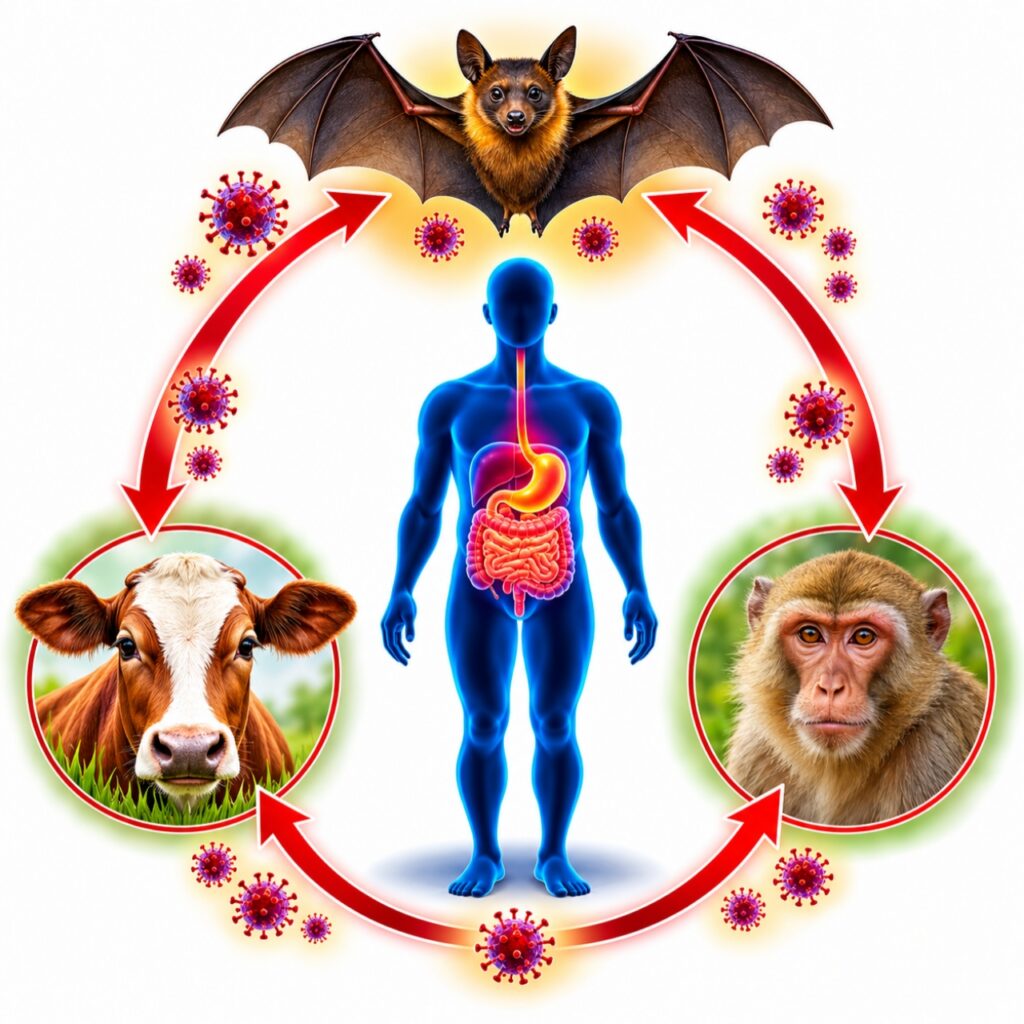
An evidence-based scientific and public health perspective on combining biomedical interventions, epidemiological surveillance, community engagement, environmental health, and supportive care in the control of Ebola virus disease.
INTRODUCTION: EBOLA – A CONTINUING GLOBAL PUBLIC HEALTH CHALLENGE
Ebola virus disease (EVD), formerly known as Ebola haemorrhagic fever, remains one of the most feared infectious diseases confronting global public health. Its high fatality potential, rapid progression in some patients, capacity to spread through direct contact with infected body fluids, and ability to overwhelm weak healthcare systems make it a significant threat to individual health, community stability, national security and international health security.
Since its identification in 1976, Ebola has caused several outbreaks, particularly in Central and West Africa. The 2014–2016 West African epidemic, which affected Guinea, Liberia and Sierra Leone, demonstrated the devastating consequences of delayed detection, inadequate infection prevention and control, weak surveillance systems, insufficient healthcare infrastructure and poor community engagement. The outbreak resulted in more than 28,000 reported cases and over 11,000 deaths.
Subsequent outbreaks, including those in the Democratic Republic of the Congo, further reinforced the need for a comprehensive and integrated approach to prevention, preparedness, early diagnosis, clinical management, vaccination and community-based interventions.
Ebola control must therefore go beyond treating infected individuals. It requires a coordinated public health strategy that addresses the biological characteristics of the virus, human behaviour, environmental conditions, healthcare delivery systems, socioeconomic realities and the broader determinants of health.
An integrative approach is particularly important because no single intervention can independently eliminate the threat of Ebola. Rather, successful control depends on the coordinated application of established biomedical interventions, evidence-based public health measures, effective community participation and health-system preparedness.
1. UNDERSTANDING EBOLA VIRUS DISEASE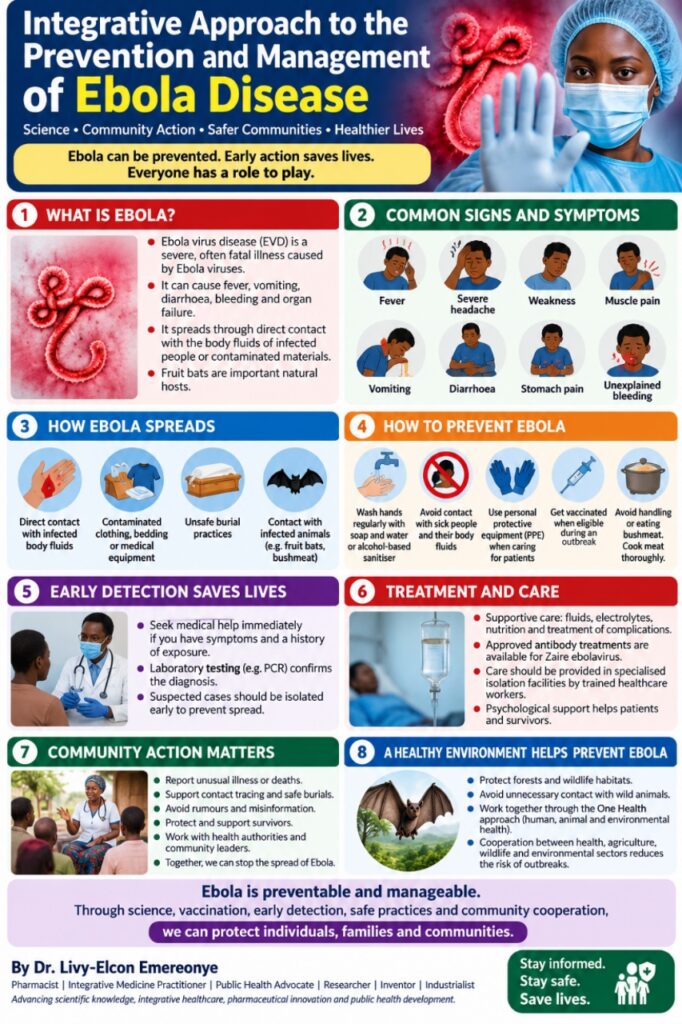
Ebola virus disease is a severe, often fatal illness in humans caused by viruses belonging to the genus Orthoebolavirus (formerly Ebolavirus), within the family Filoviridae.
The disease is associated with several distinct Ebola virus species, including:
* Orthoebolavirus zairense – commonly referred to as Zaire ebolavirus.
* Orthoebolavirus sudanense – Sudan ebolavirus.
* Orthoebolavirus bundibugyoense – Bundibugyo ebolavirus.
* Orthoebolavirus taiense – Taï Forest ebolavirus.
* Orthoebolavirus bombaliense – Bombali ebolavirus, identified in bats, with its capacity to cause human disease not established.
The Zaire and Sudan species have been responsible for major human outbreaks. Importantly, not all Ebola virus species have the same epidemiological characteristics or available preventive and therapeutic interventions.
1.1 Reservoir and transmission
Fruit bats are considered important natural hosts and possible reservoirs of Ebola viruses, although the precise ecological mechanisms of maintenance and transmission remain incompletely understood.
Human infection may occur following contact with infected wildlife or through exposure to infected human beings.
Human-to-human transmission occurs primarily through direct contact with:
– Blood and other body fluids of symptomatic or deceased infected persons.
– Contaminated clothing, bedding, medical equipment and other materials.
– Contaminated objects used in caring for infected individuals.
– The bodies of people who have died from Ebola during unsafe burial practices.
– Infected animals, including through the handling, slaughtering or consumption of inadequately cooked bushmeat.
Ebola is not ordinarily transmitted through casual contact, sharing a public space or simply being near an infected person without the relevant exposure.
Importantly, people are generally not considered infectious before developing symptoms. However, viral persistence in certain body compartments, particularly semen, means that sexual transmission can occur after clinical recovery. This makes survivor follow-up and counselling important components of outbreak control.
1.2 Pathophysiology
Following entry into the body, Ebola virus targets cells of the immune system, particularly monocytes, macrophages and dendritic cells. Viral replication and immune dysregulation contribute to widespread inflammation, endothelial dysfunction, impaired vascular integrity, coagulation abnormalities and multi-organ involvement.
The resulting pathological processes may include severe inflammatory responses, fluid and electrolyte disturbances, vascular leakage, circulatory compromise, coagulation abnormalities, hepatic and renal dysfunction, gastrointestinal disturbances, shock and multi-organ failure in severe cases.
The severity of illness varies, and the outcome is influenced by viral species, host factors, disease severity, timing of presentation and access to appropriate medical care.
1.3 Clinical manifestations
The incubation period is generally 2–21 days, with symptoms commonly developing between 8 and 10 days after exposure.
Early symptoms are often nonspecific and may include fever, severe headache, generalised weakness and fatigue, muscle and joint pain, sore throat and loss of appetite.
As the disease progresses, patients may develop vomiting, diarrhoea, abdominal pain, skin rash, conjunctival redness, dehydration, impaired kidney and liver function, bleeding manifestations in some patients, shock and multi-organ dysfunction.
A particularly important diagnostic challenge is that the early symptoms of Ebola resemble those of other infectious diseases prevalent in Africa, including malaria, typhoid fever, meningitis and other viral infections.
Consequently, clinicians must maintain a high index of suspicion when evaluating individuals with compatible symptoms and relevant exposure histories, especially during an outbreak or in areas with epidemiological links to an affected location.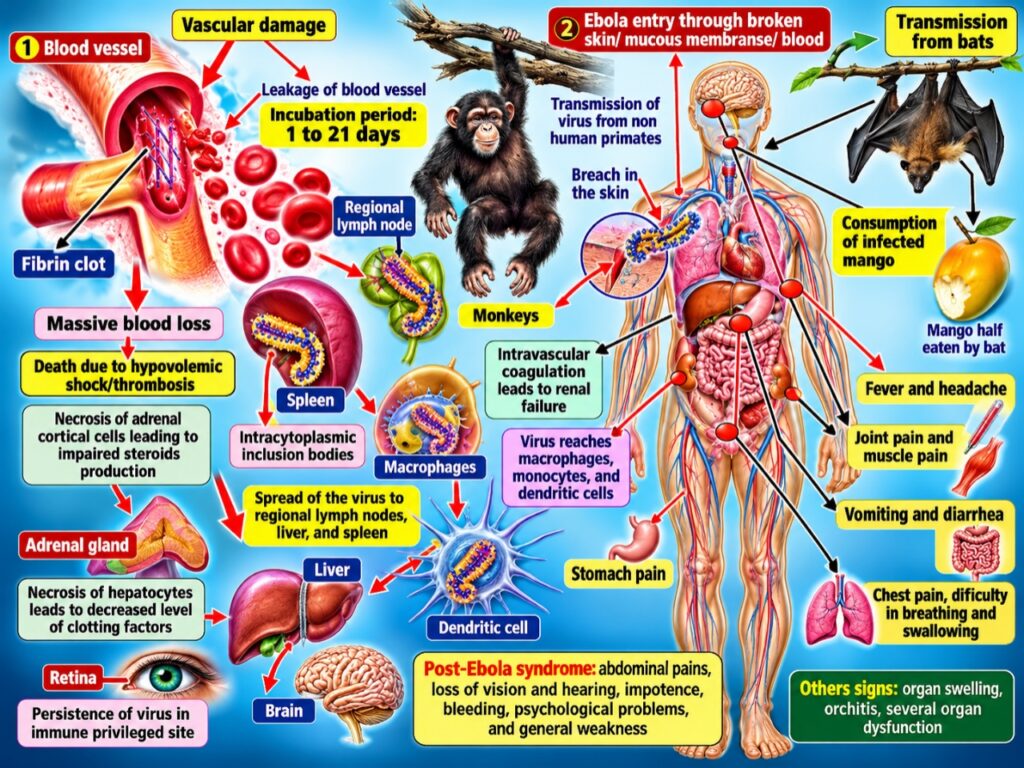
2. THE RATIONALE FOR AN INTEGRATIVE APPROACH
An integrative approach to Ebola prevention and management involves combining scientifically established medical interventions with complementary public health strategies to achieve better prevention, earlier detection, effective treatment, reduced transmission and improved survival.
It is important to distinguish integrative healthcare from the indiscriminate combination of conventional and traditional remedies.
In the context of Ebola, integrative healthcare must remain firmly anchored in scientific evidence, infection prevention and control, appropriate clinical management and interventions recommended by recognised public health authorities.
The approach should incorporate six interconnected dimensions: biomedical prevention and clinical management; epidemiological surveillance and early diagnosis; vaccination and immunological protection; infection prevention and environmental health; community engagement and behavioural interventions; and health-system preparedness, research and policy coordination.
These dimensions should operate as a coordinated system rather than as isolated interventions.
3. BIOMEDICAL APPROACH TO PREVENTION AND MANAGEMENT
3.1 Early identification and diagnosis
Early identification is one of the most important determinants of effective Ebola control.
Because the initial symptoms are nonspecific, diagnosis must integrate clinical assessment, exposure history, epidemiological information and laboratory confirmation.
Healthcare professionals should establish whether the patient has travelled to or lived in an affected area, whether there has been contact with a suspected or confirmed Ebola case, whether the individual has participated in funeral activities involving an infected deceased person, whether there has been exposure to potentially infected animals and whether the patient has had occupational exposure in healthcare or laboratory settings.
Laboratory confirmation is principally achieved through molecular testing, particularly reverse transcription polymerase chain reaction (RT-PCR), using appropriately collected and handled specimens.
Testing should be undertaken through designated laboratories with suitable biosafety procedures.
A negative test obtained very early in the course of illness may not conclusively exclude Ebola. Where clinical suspicion remains high, repeat testing should follow applicable national and WHO protocols.
Every suspected case should trigger immediate risk assessment, appropriate isolation, notification to public health authorities and safe diagnostic arrangements. Treatment and supportive care must not be unnecessarily delayed while awaiting confirmation.
3.2 Isolation and clinical management
Patients suspected of having Ebola should be placed in designated isolation facilities while appropriate diagnostic and clinical procedures are undertaken.
Isolation serves two purposes: protecting healthcare workers, other patients and the wider community, while providing a controlled environment for close clinical monitoring and treatment.
Clinical management should be individualised according to the patient’s condition and may involve adequate fluid replacement, correction of electrolyte abnormalities, nutritional support, monitoring of renal and hepatic function, maintenance of oxygenation, haemodynamic support where necessary, management of pain, fever, nausea and vomiting, and treatment of bacterial co-infections and other complications when indicated.
Severe Ebola may cause substantial fluid losses through vomiting and diarrhoea. Failure to correct dehydration and electrolyte abnormalities can worsen circulatory instability and organ dysfunction.
Intravenous fluids may be necessary in patients who cannot maintain adequate hydration orally. However, fluid administration must be carefully monitored to avoid fluid overload.
The availability of trained healthcare personnel, laboratory monitoring, oxygen delivery systems, essential medicines and appropriate critical care support is therefore fundamental to improving outcomes.
3.3 Specific antiviral and antibody-based treatment
One of the major advances in Ebola management has been the development of targeted antibody-based therapeutics.
For infection caused by Zaire ebolavirus, two monoclonal antibody treatments have demonstrated significant survival benefits: Inmazeb (REGN-EB3), a combination of three monoclonal antibodies, and Ebanga (ansuvimab or mAb114), a single monoclonal antibody.
The PALM clinical trial demonstrated improved survival among patients receiving these treatments compared with the investigational treatments used in the trial.
However, an essential qualification is that these treatments are specifically indicated for Zaire ebolavirus infection. Their effectiveness against Sudan ebolavirus and other Ebola virus species has not been established.
Consequently, they must not be assumed to provide equivalent protection or treatment for every Ebola outbreak.
This distinction is particularly important in outbreak planning, procurement and clinical decision-making.
3.4 Supportive and symptomatic treatment
Even where specific antibody treatments are available, comprehensive supportive care remains indispensable.
Management should address the patient’s physiological needs while preventing secondary complications.
The major objectives include maintaining adequate circulating blood volume, preserving kidney function, correcting metabolic and electrolyte disturbances, preventing and treating secondary infections, maintaining nutritional status, monitoring for haemorrhage and organ failure, and providing appropriate psychological and emotional support.
The availability of effective supportive care should never be underestimated. It is an essential component of reducing Ebola mortality, irrespective of whether specific therapeutics are available.
4. VACCINATION: AN ESSENTIAL COMPONENT OF EBOLA PREVENTION
Vaccination represents one of the most important scientific advances in Ebola prevention.
The rVSV-ZEBOV vaccine, marketed as Ervebo, has been used in outbreak response, particularly through ring vaccination strategies.
Ring vaccination involves identifying individuals who have had direct or indirect contact with a confirmed case and vaccinating eligible contacts and contacts of contacts.
This strategy creates a protective barrier around identified cases and helps interrupt transmission chains.
The landmark Ebola Ça Suffit! trial in Guinea provided evidence of the high efficacy of the rVSV-ZEBOV vaccine against Zaire ebolavirus.
However, vaccination policy must recognise the differences between Ebola virus species.
An important distinction is that the Ervebo vaccine is designed to protect against disease caused by Zaire ebolavirus. It should not be represented as providing established protection against Sudan ebolavirus or all other members of the Ebola virus genus.
Therefore, outbreak identification and species-specific vaccine availability are important considerations in vaccination planning.
Vaccination programmes should be supported by reliable vaccine procurement and cold-chain management, appropriate eligibility assessment, community education and informed consent, contact tracing and follow-up, adverse-event monitoring, and coordination with national and international health authorities.
Vaccination must complement, rather than replace, surveillance, isolation, safe burial practices and infection prevention and control.
5. INTEGRATIVE AND COMPLEMENTARY HEALTHCARE: OPPORTUNITIES, LIMITATIONS AND SCIENTIFIC CAUTION
The inclusion of complementary healthcare in an integrative approach to Ebola requires particular scientific and ethical consideration.
Africa possesses extensive traditional medical knowledge, including the use of medicinal plants, natural products and indigenous healthcare practices. These resources may offer opportunities for pharmaceutical research, drug discovery and the development of future therapeutic interventions.
However, the existence of traditional medicinal knowledge does not automatically establish clinical efficacy or safety against Ebola virus disease.
5.1 The role of medicinal plants in pharmaceutical research
Medicinal plants contain diverse bioactive compounds, including alkaloids, flavonoids, terpenoids, phenolic compounds, glycosides, saponins and tannins.
Some phytochemicals have demonstrated antiviral, anti-inflammatory, antioxidant or immunomodulatory activities in laboratory investigations.
These findings may provide a scientific basis for investigating selected medicinal plants and their constituents as potential sources of antiviral drug candidates.
Nevertheless, three important distinctions must be maintained.
First, an antiviral effect demonstrated in a laboratory does not establish effectiveness in humans.
Second, activity against another virus does not establish activity against Ebola virus.
Third, traditional use for fever, infections or immune support does not demonstrate the ability to prevent or cure Ebola.
Any plant-derived candidate intended for Ebola management must undergo appropriate pharmacognostic identification, phytochemical characterisation, toxicological assessment, antiviral screening, pharmacokinetic studies and properly designed clinical trials.
5.2 Herbaceutics and the development of evidence-based herbal medicines
Herbaceutics, understood as the science and art of herbal dosage-form formulation, offers an important pharmaceutical perspective on the responsible development of medicinal plant products.
The development of a herbal medicinal product requires much more than identifying a plant traditionally used for a particular health condition.
It involves correct botanical identification and authentication, standardisation of raw materials, determination of active or characteristic chemical markers, assessment of contaminants, adulterants and microbial quality, evaluation of toxicity and potential drug interactions, formulation development and stability testing, appropriate dosage determination, reproducibility of manufacturing processes, and clinical evaluation of safety and efficacy.
These principles are particularly important in infectious disease management, where inappropriate remedies can delay diagnosis, increase exposure to infection and undermine effective treatment.
There is currently no herbal medicine with established clinical efficacy for preventing or curing Ebola virus disease. Herbal products must not be promoted as substitutes for vaccination, isolation, approved antibody treatments where indicated, or evidence-based supportive care.
Similarly, immune-boosting claims should not be confused with demonstrated protection against Ebola infection.
5.3 Nutritional and metabolic support
Nutrition plays an important role in maintaining physiological function and supporting recovery from severe illness.
Patients with Ebola may experience substantial nutritional losses because of fever, vomiting, diarrhoea, poor appetite and metabolic disturbances.
An appropriate nutritional strategy should therefore consider adequate energy intake, appropriate protein provision, replacement of fluid and electrolyte losses, correction of clinically identified nutritional deficiencies, and individualised nutritional support according to the patient’s tolerance and clinical condition.
Nutrition supports general recovery but does not directly eliminate Ebola virus infection.
The objective is to preserve physiological function and minimise the complications associated with severe illness.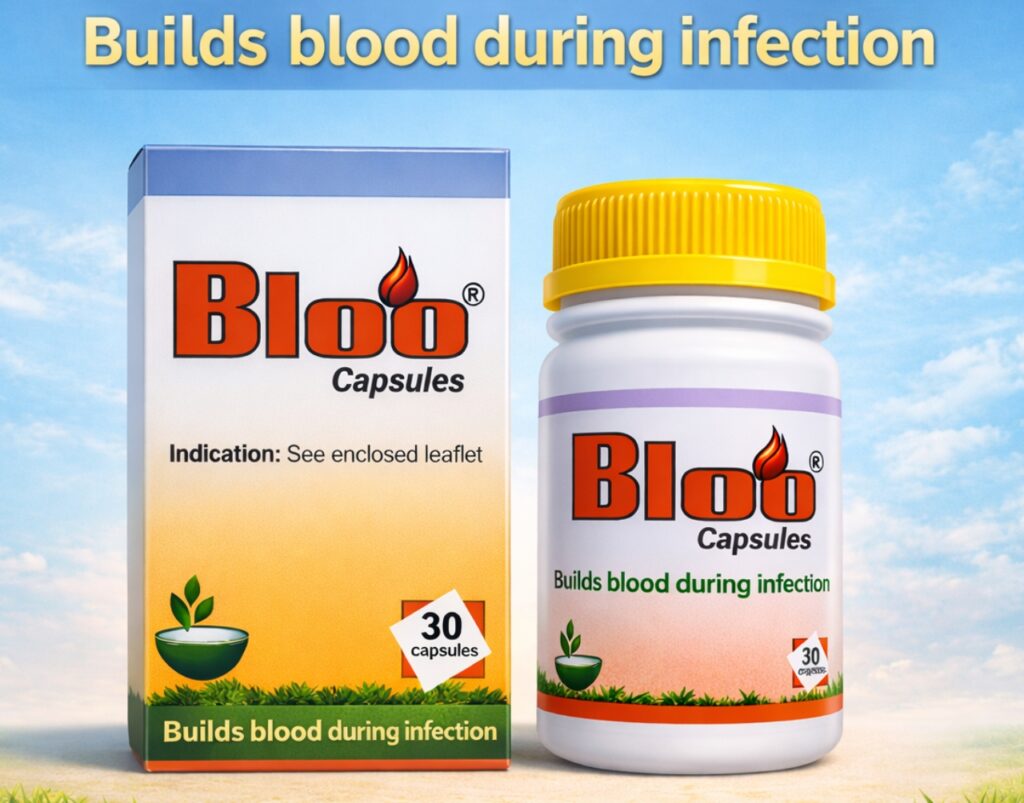
5.4 Psychological and psychosocial care
Ebola outbreaks can produce profound psychological distress.
Patients may experience fear, anxiety, isolation, uncertainty and stigma. Survivors may also face discrimination, relationship difficulties and social exclusion.
An integrative approach should therefore include psychological first aid, compassionate communication, confidential counselling, family support within appropriate infection-control precautions, post-recovery psychosocial rehabilitation and community reintegration programmes.
The emotional wellbeing of healthcare workers and affected families should also be considered.
6. INFECTION PREVENTION AND CONTROL: PROTECTING HEALTHCARE WORKERS AND COMMUNITIES
Healthcare facilities can become important points of transmission when infection prevention and control systems are inadequate.
Healthcare workers are particularly vulnerable because of their close contact with infected patients and potentially contaminated materials.
6.1 Personal protective equipment
Appropriate personal protective equipment (PPE) is essential when caring for suspected or confirmed Ebola patients.
Depending on the level of exposure and the applicable WHO protocol, PPE may include appropriate protective gowns or coveralls, gloves, medical masks or respirators as indicated by the procedure and risk assessment, eye and face protection, protective footwear or boots, and head coverings where required.
The effectiveness of PPE depends not only on availability but also on correct use.
Healthcare workers must receive practical training in putting on and removing PPE, hand hygiene, safe waste disposal and management of accidental exposure.
Improper removal of contaminated PPE can result in self-contamination and infection.
6.2 Environmental decontamination
The virus can be transmitted through contact with contaminated materials.
Environmental control should therefore include appropriate cleaning and disinfection of patient-care environments, safe handling of contaminated bedding and clothing, proper sterilisation or disposal of medical equipment, safe management of healthcare waste, strict separation of clean and contaminated areas, and adequate handwashing and hand-hygiene facilities.
Disinfectants must be selected and used according to approved infection-control protocols, including the correct concentration and contact time.
6.3 Safe and dignified burial practices
Unsafe burial practices have contributed to Ebola transmission during previous outbreaks.
The bodies of people who die from Ebola can contain high concentrations of infectious virus.
Consequently, traditional funeral activities involving washing, touching, kissing or preparing the body may expose family members and community participants to infection.
Safe burial programmes should combine trained burial teams, appropriate PPE, safe body preparation and handling, proper disinfection procedures, community participation, respect for religious and cultural values, and dignified treatment of deceased persons.
An important public health lesson is that safe burial interventions are more effective when communities understand and participate in them rather than perceiving them as imposed restrictions.
7. EPIDEMIOLOGICAL SURVEILLANCE, CONTACT TRACING AND EARLY WARNING SYSTEMS
Surveillance is the foundation of effective outbreak control.
A health system that cannot identify suspected cases promptly, investigate exposures and monitor disease transmission will struggle to contain Ebola.
7.1 Active surveillance
Active surveillance involves systematically identifying individuals who may have Ebola or who may have been exposed to an infected person.
It should include community-based reporting, healthcare facility surveillance, monitoring of unusual clusters of illness or deaths, event-based surveillance, investigation of suspected cases and laboratory-supported confirmation.
Healthcare workers, community health extension workers, pharmacists, traditional healthcare practitioners and other frontline personnel can contribute to early detection through appropriate referral and reporting mechanisms.
7.2 Contact tracing
Contact tracing involves identifying individuals who have been exposed to a confirmed case, assessing their risk and monitoring them for symptoms throughout the prescribed observation period.
Because Ebola’s incubation period can extend to 21 days, exposed contacts are generally monitored for 21 days after their last relevant exposure.
Effective contact tracing requires accurate identification of contacts, confidential documentation, daily monitoring, prompt referral of symptomatic contacts, adequate staffing and logistical support, and appropriate community communication.
Contact tracing is not merely a data collection exercise. It is an intervention for breaking chains of transmission.
7.3 Digital surveillance and technology
Modern public health systems can strengthen Ebola surveillance through digital tools.
These may include electronic case notification systems, geographic information systems (GIS), digital contact-tracing platforms, laboratory information management systems, real-time epidemiological dashboards, mobile health applications, data analytics and artificial intelligence.
Such tools can improve the speed and accuracy of public health decision-making.
However, technology must be supported by reliable data collection, trained personnel, adequate infrastructure, privacy safeguards and community trust.
8. COMMUNITY ENGAGEMENT, HEALTH EDUCATION AND BEHAVIOURAL CHANGE
One of the most important lessons from previous Ebola outbreaks is that scientific interventions alone cannot control an epidemic without community cooperation.
Communities are not simply recipients of public health instructions. They are essential partners in disease prevention and control.
8.1 Risk communication
Effective risk communication should provide clear, accurate and culturally appropriate information about how Ebola is transmitted, early symptoms and warning signs, when and where to seek medical attention, the importance of avoiding contact with suspected cases, safe caregiving practices, safe burial procedures, the importance of vaccination when indicated, and the need for survivor support and freedom from stigma.
Communication must be transparent and consistent.
Contradictory information, exaggerated claims and unnecessary fear can undermine public confidence.
8.2 Addressing myths and misinformation
Ebola outbreaks often generate misinformation, rumours and misconceptions.
Some individuals may believe that the disease is caused by witchcraft, political manipulation or supernatural forces. Others may believe that particular foods, herbs, alcoholic beverages or traditional preparations can prevent infection.
Such beliefs can discourage people from seeking appropriate healthcare.
Public health communication should address misinformation respectfully, using evidence and culturally sensitive explanations.
Religious leaders, traditional rulers, community associations, market leaders, professional organisations and local influencers should be involved.
8.3 Community participation in outbreak control
Communities should be actively involved in reporting unusual illnesses, supporting contact tracing, promoting early presentation at healthcare facilities, encouraging vaccination where appropriate, supporting safe burial programmes, protecting survivors from discrimination and disseminating accurate health information.
The effectiveness of an outbreak response depends significantly on the trust established between public health authorities and the populations they serve.
9. THE ONE HEALTH APPROACH: CONNECTING HUMAN, ANIMAL AND ENVIRONMENTAL HEALTH
Ebola is an important example of why human health cannot be considered independently of animal and environmental health.
The One Health approach recognises the interconnectedness of humans, animals, plants and the environment.
Because Ebola is a zoonotic disease, its prevention requires cooperation between public health authorities, veterinary services, wildlife experts, environmental scientists and community stakeholders.
9.1 Wildlife surveillance
Surveillance of wildlife populations can contribute to understanding the ecological distribution of Ebola viruses and identifying potential risks of animal-to-human transmission.
Particular attention should be paid to fruit bats and other suspected reservoir hosts, non-human primates, wildlife mortality events, hunting and bushmeat handling, and human activities that increase contact with wildlife.
Wildlife surveillance must be scientifically designed and should not encourage indiscriminate killing of animals.
9.2 Environmental management
Deforestation, habitat destruction, agricultural expansion and uncontrolled human encroachment into wildlife habitats can alter human-animal interactions.
Although these factors do not independently explain every Ebola outbreak, they can influence opportunities for zoonotic spillover.
Environmental management should therefore promote responsible land-use planning, wildlife conservation, safe wildlife handling, community education on zoonotic risks, sustainable agricultural practices and appropriate management of animal products.
9.3 Multisectoral collaboration
An effective One Health response requires coordinated action among ministries of health, ministries of agriculture and veterinary services, environmental protection agencies, wildlife management authorities, research institutions, universities, local governments and international health organisations.
The purpose is to detect potential threats early and reduce the conditions that facilitate disease emergence and spread.
10. SPECIAL CONSIDERATIONS FOR NIGERIA AND OTHER AFRICAN COUNTRIES
Nigeria has important experience in managing infectious disease threats, including the successful containment of the 2014 Ebola importation.
The response demonstrated the value of rapid identification, contact tracing, laboratory capacity, effective coordination and decisive public health action.
Nigeria’s experience also illustrated the importance of maintaining strong surveillance systems even when a country is not experiencing an active outbreak.
10.1 Strengthening Nigeria’s preparedness
Nigeria should continue to strengthen several important areas.
Border and entry-point surveillance: Ports, airports and other points of entry should maintain appropriate public health preparedness, including risk assessment, referral pathways and coordination with national surveillance systems. Screening should be guided by current epidemiological risk rather than indiscriminate restrictions.
Laboratory preparedness: Nigeria needs adequately equipped and geographically accessible laboratories with trained personnel capable of safely testing suspected cases. Laboratory networks must be supported by reliable specimen transport, biosafety procedures and timely reporting.
Healthcare facility preparedness: Hospitals, primary healthcare facilities, private clinics and other healthcare providers should have clear protocols for identifying and referring suspected cases.
Public health workforce development: Continuous training should be provided for physicians, pharmacists, nurses and midwives, laboratory scientists, epidemiologists, community health practitioners, environmental health officers and emergency response personnel.
Public education: Health education should be continuous rather than activated only during an outbreak. The public must understand the basic principles of Ebola transmission, prevention and early reporting.
10.2 The role of pharmacists
Pharmacists occupy an important position in Nigeria’s healthcare delivery system because community pharmacies are frequently among the first points of contact for people seeking treatment.
Their contribution to Ebola preparedness should include recognising compatible symptoms and relevant exposure histories; avoiding inappropriate dispensing or self-medication that may delay referral; referring suspected cases promptly through designated public health channels; educating patients on transmission and prevention; promoting responsible use of medicines and discouraging unproven Ebola remedies; supporting medicine supply-chain preparedness; participating in professional training and public health campaigns; and supporting pharmacovigilance and research where appropriate.
Pharmacists should not attempt to independently diagnose or manage suspected Ebola cases in ordinary community pharmacy settings. Their priority must be safe referral and prevention of further exposure.
The pharmaceutical industry also has a responsibility to maintain ethical procurement, quality assurance, secure distribution and appropriate stock management of essential healthcare commodities.
11. RESEARCH, INNOVATION AND PHARMACEUTICAL DEVELOPMENT
The future of Ebola prevention and management will depend significantly on sustained investment in scientific research.
11.1 Vaccine development
Further work is required to develop and evaluate vaccines that protect against additional Ebola virus species, particularly those responsible for outbreaks for which established vaccine protection remains limited.
11.2 Antiviral drug discovery
Research should continue into antiviral agents that can inhibit viral entry, replication, assembly or release.
Potential drug candidates should be subjected to appropriate preclinical and clinical evaluation.
11.3 Monoclonal antibody development
The success of antibody-based treatments against Zaire ebolavirus demonstrates the importance of immunological research.
Further research should investigate effective therapeutic antibodies for other clinically important Ebola virus species.
11.4 Diagnostics
There is a continuing need for reliable, rapid and safe diagnostic methods that can support early case identification, particularly in resource-limited environments.
11.5 Survivorship research
Ebola survivors may experience prolonged health complications, including musculoskeletal pain, visual disturbances, hearing difficulties, fatigue, neurological symptoms, psychological distress and persistent viral material in certain body compartments.
Research should investigate the long-term consequences of infection and improve survivor monitoring and rehabilitation.
11.6 African-led research and innovation
African universities, pharmaceutical manufacturers, biotechnology companies and research institutions should play a more prominent role in Ebola-related research.
This includes strengthening local capacity for vaccine research, pharmaceutical development, diagnostic manufacturing, clinical research, epidemiological modelling, herbal drug discovery and public health innovation.
African countries should not remain dependent solely on external research and pharmaceutical manufacturing capacity when local scientific expertise can contribute meaningfully to global health security.
However, research involving highly pathogenic Ebola viruses must be undertaken only in appropriately authorised, highly specialised facilities under stringent biosafety and biosecurity arrangements.
12. POLICY, GOVERNANCE AND INTERNATIONAL COLLABORATION
Ebola prevention and control require strong political commitment and institutional coordination.
National governments must establish clear emergency response structures and ensure that health authorities have the legal, financial, technical and operational capacity to respond to outbreaks.
Key policy priorities include sustainable funding for public health surveillance, strengthening primary healthcare systems, establishing functional emergency operations centres, improving laboratory networks, maintaining adequate supplies of PPE and essential medicines, investing in healthcare workforce development, supporting vaccine access and equitable distribution, establishing effective cross-border surveillance, and strengthening international research collaboration.
The World Health Organization, Africa Centres for Disease Control and Prevention, national public health institutes and other partners have important roles in coordinating outbreak preparedness and response.
International collaboration is particularly important because infectious diseases do not respect national boundaries.
A weak surveillance or response system in one country can create risks for neighbouring countries and the wider international community.
13. AN INTEGRATED FRAMEWORK FOR EBOLA PREVENTION AND MANAGEMENT
The preceding discussions can be translated into a practical public health framework that brings together the major components of prevention, detection, treatment, containment and long-term preparedness.
13.1 Primary prevention
Primary prevention involves vaccination where indicated, health education, safe handling of wildlife and reducing exposure to potentially infected animals.
The expected outcome is a reduction in the risk of infection and the prevention of avoidable exposure.
13.2 Early detection
Early detection requires effective surveillance, exposure assessment, clinical evaluation and laboratory diagnosis.
The objective is to identify suspected and confirmed cases promptly and initiate appropriate public health interventions.
13.3 Clinical management
Clinical management involves appropriate isolation, supportive care, monitoring and administration of species-appropriate therapeutics where indicated.
The expected outcome is improved survival and reduced complications.
13.4 Infection prevention and control
This involves appropriate PPE, hand hygiene, environmental disinfection, safe waste management and strict infection-control protocols.
The objective is to reduce healthcare-associated and community transmission.
13.5 Community intervention
Community intervention involves risk communication, contact tracing, safe burials, community participation and survivor support.
Its major objective is to interrupt transmission chains and improve public confidence in outbreak response.
13.6 One Health interventions
One Health interventions integrate human, animal and environmental surveillance to identify and reduce zoonotic risks.
13.7 Research and innovation
Research and innovation involve developing vaccines, therapeutics, diagnostics and surveillance technologies to improve future preparedness and response.
13.8 Governance and policy
Effective governance requires adequate funding, institutional coordination, appropriate legislation, healthcare workforce development and international cooperation.
These interventions are complementary and should operate concurrently, with priorities adapted to the outbreak’s epidemiological characteristics and available resources.
13.9 A proposed implementation strategy for Nigeria
A practical national strategy could be organised into five stages.
Stage One: Preparedness
National and state-level response plans should be updated. Healthcare workers should receive continuous training, laboratory capacity should be strengthened, essential infection-control supplies should be maintained, and clear referral pathways should be established.
Stage Two: Detection and notification
Suspected cases should be identified through surveillance and clinical assessment. Immediate risk assessment should be conducted, relevant public health authorities notified and safe specimen collection and testing arranged.
Stage Three: Containment
Suspected and confirmed cases should be appropriately isolated. Contact tracing should be initiated, infection prevention and control measures implemented, and safe and dignified burial procedures enforced where necessary.
Stage Four: Treatment and recovery
Patients should receive appropriate supportive care and species-appropriate therapeutics when indicated. Vaccination should be provided in accordance with outbreak-specific recommendations. Survivors should receive appropriate monitoring and rehabilitation.
Stage Five: Evaluation and learning
Epidemiological data should be analysed, response effectiveness assessed, operational weaknesses identified and lessons documented to strengthen future preparedness.
14. CONCLUSION: EBOLA CONTROL REQUIRES MORE THAN MEDICINE
Ebola virus disease is not simply a clinical problem. It is a complex biological, epidemiological, environmental, behavioural, socioeconomic and public health challenge.
Its prevention and management demand a coordinated approach that integrates scientific medicine, vaccination, effective supportive care, laboratory diagnosis, epidemiological surveillance, infection prevention, community engagement, environmental management and sustained research.
The advances achieved in vaccine development and monoclonal antibody treatment represent important milestones in the fight against Ebola. Nevertheless, these achievements must be supported by functional healthcare systems, adequate resources, public trust and strong institutional leadership.
The contribution of traditional medicine and medicinal plant research should also be recognised within a scientifically regulated framework. Africa’s botanical resources offer opportunities for pharmaceutical discovery, but unproven herbal remedies must never replace established Ebola prevention and treatment interventions.
For Nigeria, the experience of the 2014 Ebola response should serve as a continuing reminder that preparedness is considerably more effective than waiting for an epidemic to expose weaknesses in the health system.
Every healthcare professional has a role to play. Physicians, pharmacists, nurses, laboratory scientists, epidemiologists, public health practitioners, researchers, policymakers and community leaders must work collaboratively to strengthen the country’s capacity to prevent, detect and respond to Ebola.
Ultimately, the most effective strategy is one that combines scientific excellence with public health intelligence, community participation, institutional preparedness and responsible innovation.
Ebola prevention and management must therefore be approached not as the responsibility of one profession, one institution or one intervention, but as a shared commitment to protecting human life and advancing global health security.
PS: Dr. Emereonye could be reached on: +234 803 392 2445
REFERENCES
1\. World Health Organization (WHO). (2023). Ebola virus disease – Fact sheet. WHO. [https://www.who.int/news-room/fact-sheets/detail/ebola-virus-disease](https://www.who.int/news-room/fact-sheets/detail/ebola-virus-disease?utm_source=chatgpt.com)
2\. World Health Organization. (2022). Therapeutics for Ebola virus disease: Guidelines. WHO. [https://www.who.int/publications/i/item/9789240055742](https://www.who.int/publications/i/item/9789240055742?utm_source=chatgpt.com)
3\. Mulangu, S., et al. (2019). A randomized, controlled trial of Ebola virus disease therapeutics. New England Journal of Medicine, 381, 2293–2303. [https://doi.org/10.1056/NEJMoa1910993](https://doi.org/10.1056/NEJMoa1910993?utm_source=chatgpt.com)
4\. Henao-Restrepo, A. M., et al. (2017). Efficacy and effectiveness of an rVSV-vectored vaccine in preventing Ebola virus disease: Final results from the Guinea ring vaccination, open-label, cluster-randomised trial (Ebola Ça Suffit!). The Lancet, 389(10068), 505–518. [https://doi.org/10.1016/S0140-6736(16)32621-6](https://doi.org/10.1016/S0140-6736\(16\)32621-6?utm_source=chatgpt.com)
5\. Vetter, P., et al. (2016). Ebola virus disease. Nature Reviews Disease Primers, 2, 16013. [https://doi.org/10.1038/nrdp.2016.13](https://doi.org/10.1038/nrdp.2016.13?utm_source=chatgpt.com)
6\. World Health Organization. (2021). Ebola virus disease vaccines: WHO position paper – June 2021. Weekly Epidemiological Record, 96(27), 321–344. [https://www.who.int/publications/i/item/WER9627](https://www.who.int/publications/i/item/WER9627?utm_source=chatgpt.com)
7\. Centers for Disease Control and Prevention (CDC). About Ebola disease: Transmission, signs and symptoms, prevention and treatment. [https://www.cdc.gov/ebola/](https://www.cdc.gov/ebola/?utm_source=chatgpt.com)
8\. Shuaib, F., et al. (2014). Ebola virus disease outbreak – Nigeria, July–September 2014. Morbidity and Mortality Weekly Report, 63(39), 867–872. [https://www.cdc.gov/mmwr/preview/mmwrhtml/mm6339a5.htm](https://www.cdc.gov/mmwr/preview/mmwrhtml/mm6339a5.htm?utm_source=chatgpt.com)
9\. World Health Organization. Ebola virus disease: Infection prevention and control. [https://www.who.int/health-topics/ebola](https://www.who.int/health-topics/ebola?utm_source=chatgpt.com)
10\. World Health Organization. Ebola virus disease: Clinical management and survivor care resources. [https://www.who.int/emergencies/situations/ebola](https://www.who.int/emergencies/situations/ebola?utm_source=chatgpt.com)
Leave a comment