Medicinal, Mystical and Spiritual Uses of Herbs: The Convergence, Divergence, Commonality and Contradictions By Livy-Elcon Emereonye
Medicinal, Mystical and Spiritual Uses of Herbs: The Convergence, Divergence, Commonality and Contradictions
A Comprehensive Perspective on Tradition, Science, Culture and Faith
By Livy-Elcon Emereonye
 Introduction
Human civilization has maintained a profound relationship with plants since the dawn of history. Before the emergence of modern hospitals, pharmaceutical industries, and sophisticated diagnostic technologies, herbs formed the cornerstone of healthcare, cultural identity, spirituality, and community life. Across Africa, Asia, Europe, and the Americas, plants have served not merely as food and medicine but also as symbols of faith, instruments of rituals, and objects of mystical significance.
In many traditional societies, including those in Nigeria, the boundaries between medicinal, mystical, and spiritual uses of herbs were often fluid. The same plant that was administered to relieve fever might also be employed during cultural ceremonies or incorporated into practices believed to offer protection against unseen forces. This integration reflected a holistic worldview in which physical health, spiritual well-being, social harmony, and cosmological beliefs were inseparable.
The advancement of science, however, has introduced distinctions between therapeutic claims that can be objectively verified and beliefs rooted in faith, symbolism, or cultural traditions. Today, it has become increasingly important to understand where these domains converge, where they differ, what they share in common, and where contradictions emerge.
Such understanding is particularly relevant in Africa, where traditional medicine remains widely practiced alongside conventional medicine and where cultural and spiritual values continue to shape healthcare decisions. Appreciating the medicinal, mystical, and spiritual dimensions of herbs demands intellectual honesty, scientific rigor, cultural sensitivity, and ethical responsibility.
This work examines these dimensions comprehensively, using familiar Nigerian and African herbs as examples while maintaining a balanced and evidence-informed perspective.
Understanding the Medicinal Use of Herbs
Medicinal use refers to the application of herbs for preventing, managing, or treating diseases through physiological mechanisms that can be observed, studied, and, ideally, reproduced.
The medicinal value of herbs is grounded in the presence of biologically active compounds known as phytochemicals. These compounds include alkaloids, flavonoids, glycosides, tannins, terpenoids, saponins, and essential oils, many of which exert measurable effects on the human body.
Across Nigeria especially in Igboland, numerous indigenous herbs are employed for medicinal purposes.
Bitter Leaf (Vernonia amygdalina)
Bitter leaf, locally called Onugbu among the Igbo, is one of the most commonly used medicinal plants in West Africa. Traditionally, it is employed in managing malaria, gastrointestinal disorders, loss of appetite, and certain metabolic conditions.
Scientific studies have demonstrated its antioxidant, antimicrobial, and antidiabetic properties. The bitter principles contained in the plant stimulate digestion and may contribute to blood glucose regulation.
The medicinal value of bitter leaf is therefore linked to identifiable chemical constituents rather than mystical explanations.
Neem (Azadirachta indica)
Known popularly as Dogonyaro, neem occupies a significant place in Nigerian traditional medicine. Its leaves, bark, seeds, and oil are utilized for treating skin infections, malaria, dental conditions, and certain inflammatory disorders.
Research has identified compounds such as azadirachtin and nimbin, which possess antimicrobial and insecticidal properties. While neem is not a substitute for modern antimalarial drugs, it exemplifies how traditional herbal knowledge can align with scientific investigation.
Ginger (Zingiber officinale)
Ginger, widely consumed throughout Nigeria, serves both culinary and medicinal functions. It helps alleviate nausea, indigestion, common colds, and inflammatory conditions.
Modern pharmacology attributes these effects primarily to compounds such as gingerols and shogaols, which exhibit anti-inflammatory and antioxidant activities.
Scent Leaf (Ocimum gratissimum)
Scent leaf, known as Nchuanwu among the Igbo and Efinrin among the Yoruba, is traditionally used for cough, diarrhea, stomach disorders, and microbial infections.
Its essential oils possess antimicrobial properties that have been documented in scientific literature.
These examples illustrate that medicinal herbal practice seeks explanations rooted in biological mechanisms that can be studied and verified.
The Evolution from Traditional Herbal Medicine to Modern Phytotherapy
Many conventional drugs trace their origins to medicinal plants.
Aspirin emerged from willow bark.
Artemisinin, one of humanity's greatest weapons against malaria, originated from Artemisia annua.
Morphine was isolated from opium poppy.
Digitalis, used in heart disease, came from foxglove.
This historical progression demonstrates that medicinal herbalism and modern pharmacology are not adversaries but partners in human health advancement.
The challenge lies in ensuring that herbal remedies undergo:
-Standardization,
-Toxicological evaluation,
-Dosage determination,
-Clinical validation,
-Regulatory oversight etc
Without these safeguards, medicinal claims may become unreliable or even dangerous.
Understanding the Mystical Use of Herbs
Mystical uses of herbs involve beliefs that plants possess powers extending beyond their chemical properties.
These powers may include:
-Protection from evil influences,
-Attraction of prosperity,
-Enhancement of fortune,
-Neutralization of curses,
-Influence over destiny,
-Communication with unseen forces etc
Such beliefs are deeply embedded within many cultures and deserve anthropological understanding, even when they cannot be scientifically verified.
The Use of Alligator Pepper
In many Nigerian communities, alligator pepper (Aframomum melegueta) carries mystical significance.
Apart from its culinary and medicinal applications, some traditions employ it during oath-taking ceremonies, ancestral rituals, and protective practices.
The seeds may be used symbolically to invoke truthfulness or communal unity.
While alligator pepper possesses medicinal properties owing to its pungent compounds, claims regarding supernatural influence belong to the mystical domain rather than medical science.
Kolanut and Traditional Ceremonies
Kolanut occupies a revered place in many African societies.
The presentation and breaking of kolanut symbolize hospitality, unity, blessings, and ancestral connections.
Some communities attach mystical meanings to the number of cotyledons present in a nut, interpreting them as signs of fortune or destiny.
Such interpretations represent cultural and mystical understandings rather than scientifically demonstrable realities.
Protective Herbal Charms
Across various cultures, herbs may be incorporated into charms, amulets, or protective objects.
Leaves, roots, or seeds may be carried with the belief that they confer protection against malevolent forces.
Anthropologists recognize these practices as important expressions of cultural identity and worldview.
However, from a scientific perspective, claims regarding supernatural protection remain beyond empirical verification.
Distinguishing Mysticism from Medicine
One of the greatest challenges in traditional healthcare lies in distinguishing medicinal effects from mystical beliefs.
A herbal preparation may genuinely relieve symptoms because of its pharmacological constituents, while cultural narratives surrounding it attribute success to mystical forces.
For example, a decoction prepared from neem and scent leaf may reduce microbial infections because of their active compounds. If its effectiveness is attributed solely to hidden supernatural powers, the actual medicinal mechanisms become obscured.
Clear distinctions are therefore necessary to prevent confusion between evidence-based therapy and cultural beliefs.
Understanding the Spiritual Use of Herbs
The spiritual use of herbs differs significantly from mystical applications.
Spirituality generally concerns humanity's relationship with God, sacred realities, morality, transcendence, and inner transformation.
In many religious traditions, herbs function as symbols, reminders, or facilitators of devotion.
Frankincense and Myrrh
Frankincense and myrrh occupy important places within Christianity.
They were among the gifts presented to Jesus by the wise men according to biblical narratives.
Churches continue to use incense during worship services as symbols of prayers ascending to God.
The significance here is spiritual and symbolic rather than magical.
Palm Fronds
Palm fronds are used during Christian observances such as Palm Sunday.
Their value lies in commemorating Christ's triumphal entry into Jerusalem.
No medicinal or mystical claims are necessarily involved.
The herbs serve as spiritual symbols that reinforce communal memory and faith.
Olive Branches
The olive branch represents peace, reconciliation, and divine favor within Abrahamic traditions.
Its symbolic importance transcends its practical uses as food and medicine.
Basil and Holy Traditions
In some Christian traditions, basil is associated with sacred events and religious observances.
Similarly, in Hinduism, Holy Basil (Tulsi) is deeply revered as a sacred plant connected with devotion and purity.
These examples demonstrate that spiritual uses emphasize meaning, reverence, and worship rather than supernatural manipulation.
The Convergence of Medicinal, Mystical and Spiritual Uses
Although distinctions exist, these three dimensions often intersect.
Shared Historical Origins
Historically, the healer was frequently:
Physician,
Herbalist,
Priest,
Spiritual adviser,
Custodian of communal wisdom etc
In traditional African societies, healthcare was not compartmentalized.
The same individual might prepare medicinal herbs, conduct rituals, offer prayers, and provide social counseling.
Ancient Egyptian medicine similarly integrated spiritual practices with herbal treatments.
Traditional Chinese Medicine incorporated philosophical and spiritual concepts into therapeutic systems.
Ayurveda in India viewed health as harmony among physical, mental, and spiritual dimensions.
Thus, separation among these domains is relatively recent in human history.
Common Respect for Nature
Medicinal practitioners, spiritual leaders, and traditional mystics all acknowledge the importance of nature.
Plants are regarded as valuable gifts deserving respect and conservation.
This shared appreciation promotes biodiversity preservation and environmental stewardship.
Many sacred groves in Africa survived precisely because communities attached spiritual significance to them.
Ironically, spiritual beliefs sometimes protected ecological systems long before environmental science emerged.
Holistic Understanding of Human Well-being
Traditional cultures often perceive human beings as integrated wholes.
Physical illness may influence emotional states.
Emotional suffering may affect spiritual life.
Social conflicts may generate psychological distress.
Consequently, healing frequently addresses multiple dimensions simultaneously.
Modern medicine increasingly recognizes similar principles through holistic and integrative healthcare models.
The Role of Ritual in Herbal Practice
Rituals appear in medicinal, mystical, and spiritual uses of herbs.
Traditional herbalists may insist that certain plants be harvested at particular times.
Religious communities may bless herbs during ceremonies.
Mystical traditions may require specific procedures before administering preparations.
Even contemporary medicine contains ritualistic elements:
-Doctor consultations,
-Prescription writing,
-White laboratory coats,
-Pharmacy dispensing procedures.
These rituals create trust, order, and psychological reassurance.
Human beings naturally derive meaning from structured practices.
Divergence in Foundations of Knowledge
Despite convergences, significant differences remain.
Medicinal herbalism rests upon evidence, observation, experimentation, and reproducibility.
Mystical herbalism depends upon tradition, esoteric teachings, personal experiences, and cultural narratives.
Spiritual herbalism derives authority from faith, sacred texts, and religious institutions.
These distinct foundations influence how claims are evaluated.
A medicinal claim must withstand scientific scrutiny.
A spiritual practice may rely upon theological acceptance.
A mystical belief often persists through cultural continuity.
Confusing these foundations creates misunderstanding and conflict.
Divergence in Objectives
The goals pursued by each domain differ fundamentally.
Medicinal herbalism seeks:
Disease prevention,
Symptom relief,
Physiological restoration,
Improved quality of life etc
Mystical herbalism seeks:
Protection,
Prosperity,
Influence over hidden forces,
Resolution of perceived supernatural challenges etc
Spiritual herbalism seeks:
Communion with God,
Inner peace,
Moral transformation,
Religious devotion etc
Recognizing these differing objectives prevents conceptual confusion.
Divergence in Methods of Validation
Scientific medicine validates herbal claims through:
Laboratory experiments,
Animal studies,
Clinical trials,
Peer review,
Reproducibility etc
Mystical traditions validate practices through:
Oral histories,
Cultural acceptance,
Testimonies,
Community experiences etc
Spiritual traditions validate practices through:
Sacred scriptures,
Religious authorities,
Collective faith experiences etc
Each system possesses its own standards of legitimacy.
Problems arise when standards appropriate to one domain are imposed upon another without careful consideration.
Commonality in Cultural Identity
Herbs embody cultural memory.
The preparation of bitter leaf soup, the sharing of kolanuts, and the use of scent leaf in domestic remedies all reinforce communal identity.
Traditional herbal knowledge connects generations.
Grandparents transmit practices to parents, who teach children.
This continuity preserves not merely botanical information but entire worldviews.
The loss of indigenous herbal knowledge therefore represents both scientific and cultural impoverishment.
Commonality in Symbolism
Plants frequently carry meanings beyond their material properties.
Palm branches symbolize victory.
Olive branches symbolize peace.
Kolanuts symbolize hospitality.
Alligator pepper symbolizes truth and communal unity.
The symbolic dimensions of herbs enrich human experience and strengthen social bonds.
Commonality in the Human Search for Healing
Ultimately, medicinal, mystical, and spiritual uses of herbs reflect humanity's universal desire to overcome suffering.
People seek:
Physical healing,
Emotional comfort,
Spiritual reassurance,
Social harmony etc
The means may differ, but the underlying aspirations remain remarkably similar.
This shared quest explains why herbal traditions persist across cultures and historical periods.
Contradictions Between Evidence and Belief
Perhaps the most significant contradiction concerns the relationship between evidence and belief.
Medicinal claims require objective verification and validation.
If a herb is said to lower blood pressure, researchers should be able to demonstrate this effect under controlled conditions.
Mystical claims, however, frequently depend upon subjective experiences that resist scientific testing.
The contradiction emerges when unverifiable beliefs are presented as established medical facts.
Such confusion may undermine public health.
The Danger of Replacing Medical Treatment with Mystical Practices
One of the gravest concerns involves substituting mystical remedies for evidence-based healthcare.
Patients suffering from severe malaria require prompt diagnosis and appropriate antimalarial medications.
Individuals with diabetes may need dietary management, monitoring, and pharmacological interventions.
Hypertension demands careful medical supervision.
Reliance solely upon mystical explanations can delay treatment and worsen outcomes.
Respect for cultural beliefs must therefore coexist with commitment to medical responsibility.
Ethical Challenges in Herbal Practice
Ethics constitute an essential consideration.
Unscrupulous individuals sometimes exploit vulnerable populations through exaggerated claims.
Promises of instant wealth, miraculous healing, or supernatural protection may generate financial gain at the expense of human welfare.
Responsible herbal practice requires:
Honesty,
Transparency,
Evidence,
Respect for autonomy,
Regulatory compliance etc
Healthcare professionals must avoid making claims unsupported by available evidence.
 The Herbaceutics Perspective
From the standpoint of Herbaceutics, defined as the science and art of herbal dosage form formulation, traditional knowledge must be transformed into safe, effective, standardized, and reproducible products.
This approach acknowledges cultural heritage while embracing scientific methodology.
It recognizes that:
Traditional wisdom possesses immense value.
Spiritual practices deserve respect.
Mystical beliefs constitute important cultural phenomena.
Therapeutic claims require evidence.
The future of herbal medicine lies in integrating indigenous knowledge with modern research, quality assurance, and ethical practice.
Toward a Balanced Understanding
A mature perspective neither dismisses traditional beliefs nor abandons scientific rigor.
Medicinal uses should remain evidence-based.
Spiritual practices should respect freedom of religion and personal faith.
Mystical traditions should be approached with cultural sensitivity and critical reflection.
Maintaining clear distinctions enables mutual respect without intellectual confusion.
Herbs can simultaneously be:
-Medicines
-Cultural symbols
-Objects of spiritual significance
However, therapeutic claims affecting human lives must ultimately rest upon demonstrable evidence with reproduceable results.
Conclusion
The medicinal, mystical, and spiritual uses of herbs reveal the richness and complexity of humanity's relationship with nature.
They converge through shared historical origins, holistic philosophies, respect for plants, and common aspirations toward healing and well-being.
They diverge in their foundations, objectives, and methods of validation.
Their commonalities preserve cultural identity and reinforce social cohesion.
Their contradictions remind us of the importance of distinguishing evidence from belief, symbolism from pharmacology, and spirituality from medical science.
In contemporary society, the challenge is not to eliminate any dimension but to place each within its proper context.
Medicinal herbalism should continue advancing through research, standardization, and regulation.
Spiritual uses should nurture moral values, faith, and communal harmony.
Mystical traditions should be appreciated as cultural phenomena while avoiding claims that jeopardize public health.
By maintaining this balance, humanity can preserve the wisdom of ancestral traditions while embracing the benefits of scientific progress.
The future of herbal medicine, particularly within Africa, depends upon such thoughtful integration—one that honors heritage, protects health, and promotes truth.
PS: Dr. Emereonye could be reached on: +234 803 3922 445
References
Akinmoladun, A. C., Ibukun, E. O., Afor, E., Akinrinlola, B. L., Onibon, T. R., Akinboboye, A. O., Obuotor, E. M., & Farombi, E. O. (2007). Chemical constituents and antioxidant activity of Ocimum gratissimum. Scientific Research and Essays, 2(5), 163–166.
Fabricant, D. S., & Farnsworth, N. R. (2001). The value of plants used in traditional medicine for drug discovery. Environmental Health Perspectives, 109(Suppl. 1), 69–75.
Farnsworth, N. R. (1988). Screening plants for new medicines. In E. O. Wilson (Ed.), Biodiversity. Washington, DC: National Academy Press.
Iwu, M. M. (2014). Handbook of African Medicinal Plants (2nd ed.). Boca Raton, FL: CRC Press.
National Research Council. (1992). Neem: A Tree for Solving Global Problems. Washington, DC: National Academy Press.
Newman, D. J., & Cragg, G. M. (2020). Natural products as sources of new drugs over the nearly four decades from 1981 to 2019. Journal of Natural Products, 83(3), 770–803.
Sofowora, A. (2008). Medicinal Plants and Traditional Medicine in Africa (3rd ed.). Ibadan: Spectrum Books.
The Holy Bible, New International Version. Matthew 2:11; John 12:13; Revelation 8:3–4.
World Health Organization (WHO). (2013). WHO Traditional Medicine Strategy 2014–2023. Geneva: World Health Organization.
World Health Organization (WHO). (2025). Global Traditional Medicine Centre: Integrating Traditional Medicine into Health Systems. Geneva: World Health Organization.
Introduction
Human civilization has maintained a profound relationship with plants since the dawn of history. Before the emergence of modern hospitals, pharmaceutical industries, and sophisticated diagnostic technologies, herbs formed the cornerstone of healthcare, cultural identity, spirituality, and community life. Across Africa, Asia, Europe, and the Americas, plants have served not merely as food and medicine but also as symbols of faith, instruments of rituals, and objects of mystical significance.
In many traditional societies, including those in Nigeria, the boundaries between medicinal, mystical, and spiritual uses of herbs were often fluid. The same plant that was administered to relieve fever might also be employed during cultural ceremonies or incorporated into practices believed to offer protection against unseen forces. This integration reflected a holistic worldview in which physical health, spiritual well-being, social harmony, and cosmological beliefs were inseparable.
The advancement of science, however, has introduced distinctions between therapeutic claims that can be objectively verified and beliefs rooted in faith, symbolism, or cultural traditions. Today, it has become increasingly important to understand where these domains converge, where they differ, what they share in common, and where contradictions emerge.
Such understanding is particularly relevant in Africa, where traditional medicine remains widely practiced alongside conventional medicine and where cultural and spiritual values continue to shape healthcare decisions. Appreciating the medicinal, mystical, and spiritual dimensions of herbs demands intellectual honesty, scientific rigor, cultural sensitivity, and ethical responsibility.
This work examines these dimensions comprehensively, using familiar Nigerian and African herbs as examples while maintaining a balanced and evidence-informed perspective.
Understanding the Medicinal Use of Herbs
Medicinal use refers to the application of herbs for preventing, managing, or treating diseases through physiological mechanisms that can be observed, studied, and, ideally, reproduced.
The medicinal value of herbs is grounded in the presence of biologically active compounds known as phytochemicals. These compounds include alkaloids, flavonoids, glycosides, tannins, terpenoids, saponins, and essential oils, many of which exert measurable effects on the human body.
Across Nigeria especially in Igboland, numerous indigenous herbs are employed for medicinal purposes.
Bitter Leaf (Vernonia amygdalina)
Bitter leaf, locally called Onugbu among the Igbo, is one of the most commonly used medicinal plants in West Africa. Traditionally, it is employed in managing malaria, gastrointestinal disorders, loss of appetite, and certain metabolic conditions.
Scientific studies have demonstrated its antioxidant, antimicrobial, and antidiabetic properties. The bitter principles contained in the plant stimulate digestion and may contribute to blood glucose regulation.
The medicinal value of bitter leaf is therefore linked to identifiable chemical constituents rather than mystical explanations.
Neem (Azadirachta indica)
Known popularly as Dogonyaro, neem occupies a significant place in Nigerian traditional medicine. Its leaves, bark, seeds, and oil are utilized for treating skin infections, malaria, dental conditions, and certain inflammatory disorders.
Research has identified compounds such as azadirachtin and nimbin, which possess antimicrobial and insecticidal properties. While neem is not a substitute for modern antimalarial drugs, it exemplifies how traditional herbal knowledge can align with scientific investigation.
Ginger (Zingiber officinale)
Ginger, widely consumed throughout Nigeria, serves both culinary and medicinal functions. It helps alleviate nausea, indigestion, common colds, and inflammatory conditions.
Modern pharmacology attributes these effects primarily to compounds such as gingerols and shogaols, which exhibit anti-inflammatory and antioxidant activities.
Scent Leaf (Ocimum gratissimum)
Scent leaf, known as Nchuanwu among the Igbo and Efinrin among the Yoruba, is traditionally used for cough, diarrhea, stomach disorders, and microbial infections.
Its essential oils possess antimicrobial properties that have been documented in scientific literature.
These examples illustrate that medicinal herbal practice seeks explanations rooted in biological mechanisms that can be studied and verified.
The Evolution from Traditional Herbal Medicine to Modern Phytotherapy
Many conventional drugs trace their origins to medicinal plants.
Aspirin emerged from willow bark.
Artemisinin, one of humanity's greatest weapons against malaria, originated from Artemisia annua.
Morphine was isolated from opium poppy.
Digitalis, used in heart disease, came from foxglove.
This historical progression demonstrates that medicinal herbalism and modern pharmacology are not adversaries but partners in human health advancement.
The challenge lies in ensuring that herbal remedies undergo:
-Standardization,
-Toxicological evaluation,
-Dosage determination,
-Clinical validation,
-Regulatory oversight etc
Without these safeguards, medicinal claims may become unreliable or even dangerous.
Understanding the Mystical Use of Herbs
Mystical uses of herbs involve beliefs that plants possess powers extending beyond their chemical properties.
These powers may include:
-Protection from evil influences,
-Attraction of prosperity,
-Enhancement of fortune,
-Neutralization of curses,
-Influence over destiny,
-Communication with unseen forces etc
Such beliefs are deeply embedded within many cultures and deserve anthropological understanding, even when they cannot be scientifically verified.
The Use of Alligator Pepper
In many Nigerian communities, alligator pepper (Aframomum melegueta) carries mystical significance.
Apart from its culinary and medicinal applications, some traditions employ it during oath-taking ceremonies, ancestral rituals, and protective practices.
The seeds may be used symbolically to invoke truthfulness or communal unity.
While alligator pepper possesses medicinal properties owing to its pungent compounds, claims regarding supernatural influence belong to the mystical domain rather than medical science.
Kolanut and Traditional Ceremonies
Kolanut occupies a revered place in many African societies.
The presentation and breaking of kolanut symbolize hospitality, unity, blessings, and ancestral connections.
Some communities attach mystical meanings to the number of cotyledons present in a nut, interpreting them as signs of fortune or destiny.
Such interpretations represent cultural and mystical understandings rather than scientifically demonstrable realities.
Protective Herbal Charms
Across various cultures, herbs may be incorporated into charms, amulets, or protective objects.
Leaves, roots, or seeds may be carried with the belief that they confer protection against malevolent forces.
Anthropologists recognize these practices as important expressions of cultural identity and worldview.
However, from a scientific perspective, claims regarding supernatural protection remain beyond empirical verification.
Distinguishing Mysticism from Medicine
One of the greatest challenges in traditional healthcare lies in distinguishing medicinal effects from mystical beliefs.
A herbal preparation may genuinely relieve symptoms because of its pharmacological constituents, while cultural narratives surrounding it attribute success to mystical forces.
For example, a decoction prepared from neem and scent leaf may reduce microbial infections because of their active compounds. If its effectiveness is attributed solely to hidden supernatural powers, the actual medicinal mechanisms become obscured.
Clear distinctions are therefore necessary to prevent confusion between evidence-based therapy and cultural beliefs.
Understanding the Spiritual Use of Herbs
The spiritual use of herbs differs significantly from mystical applications.
Spirituality generally concerns humanity's relationship with God, sacred realities, morality, transcendence, and inner transformation.
In many religious traditions, herbs function as symbols, reminders, or facilitators of devotion.
Frankincense and Myrrh
Frankincense and myrrh occupy important places within Christianity.
They were among the gifts presented to Jesus by the wise men according to biblical narratives.
Churches continue to use incense during worship services as symbols of prayers ascending to God.
The significance here is spiritual and symbolic rather than magical.
Palm Fronds
Palm fronds are used during Christian observances such as Palm Sunday.
Their value lies in commemorating Christ's triumphal entry into Jerusalem.
No medicinal or mystical claims are necessarily involved.
The herbs serve as spiritual symbols that reinforce communal memory and faith.
Olive Branches
The olive branch represents peace, reconciliation, and divine favor within Abrahamic traditions.
Its symbolic importance transcends its practical uses as food and medicine.
Basil and Holy Traditions
In some Christian traditions, basil is associated with sacred events and religious observances.
Similarly, in Hinduism, Holy Basil (Tulsi) is deeply revered as a sacred plant connected with devotion and purity.
These examples demonstrate that spiritual uses emphasize meaning, reverence, and worship rather than supernatural manipulation.
The Convergence of Medicinal, Mystical and Spiritual Uses
Although distinctions exist, these three dimensions often intersect.
Shared Historical Origins
Historically, the healer was frequently:
Physician,
Herbalist,
Priest,
Spiritual adviser,
Custodian of communal wisdom etc
In traditional African societies, healthcare was not compartmentalized.
The same individual might prepare medicinal herbs, conduct rituals, offer prayers, and provide social counseling.
Ancient Egyptian medicine similarly integrated spiritual practices with herbal treatments.
Traditional Chinese Medicine incorporated philosophical and spiritual concepts into therapeutic systems.
Ayurveda in India viewed health as harmony among physical, mental, and spiritual dimensions.
Thus, separation among these domains is relatively recent in human history.
Common Respect for Nature
Medicinal practitioners, spiritual leaders, and traditional mystics all acknowledge the importance of nature.
Plants are regarded as valuable gifts deserving respect and conservation.
This shared appreciation promotes biodiversity preservation and environmental stewardship.
Many sacred groves in Africa survived precisely because communities attached spiritual significance to them.
Ironically, spiritual beliefs sometimes protected ecological systems long before environmental science emerged.
Holistic Understanding of Human Well-being
Traditional cultures often perceive human beings as integrated wholes.
Physical illness may influence emotional states.
Emotional suffering may affect spiritual life.
Social conflicts may generate psychological distress.
Consequently, healing frequently addresses multiple dimensions simultaneously.
Modern medicine increasingly recognizes similar principles through holistic and integrative healthcare models.
The Role of Ritual in Herbal Practice
Rituals appear in medicinal, mystical, and spiritual uses of herbs.
Traditional herbalists may insist that certain plants be harvested at particular times.
Religious communities may bless herbs during ceremonies.
Mystical traditions may require specific procedures before administering preparations.
Even contemporary medicine contains ritualistic elements:
-Doctor consultations,
-Prescription writing,
-White laboratory coats,
-Pharmacy dispensing procedures.
These rituals create trust, order, and psychological reassurance.
Human beings naturally derive meaning from structured practices.
Divergence in Foundations of Knowledge
Despite convergences, significant differences remain.
Medicinal herbalism rests upon evidence, observation, experimentation, and reproducibility.
Mystical herbalism depends upon tradition, esoteric teachings, personal experiences, and cultural narratives.
Spiritual herbalism derives authority from faith, sacred texts, and religious institutions.
These distinct foundations influence how claims are evaluated.
A medicinal claim must withstand scientific scrutiny.
A spiritual practice may rely upon theological acceptance.
A mystical belief often persists through cultural continuity.
Confusing these foundations creates misunderstanding and conflict.
Divergence in Objectives
The goals pursued by each domain differ fundamentally.
Medicinal herbalism seeks:
Disease prevention,
Symptom relief,
Physiological restoration,
Improved quality of life etc
Mystical herbalism seeks:
Protection,
Prosperity,
Influence over hidden forces,
Resolution of perceived supernatural challenges etc
Spiritual herbalism seeks:
Communion with God,
Inner peace,
Moral transformation,
Religious devotion etc
Recognizing these differing objectives prevents conceptual confusion.
Divergence in Methods of Validation
Scientific medicine validates herbal claims through:
Laboratory experiments,
Animal studies,
Clinical trials,
Peer review,
Reproducibility etc
Mystical traditions validate practices through:
Oral histories,
Cultural acceptance,
Testimonies,
Community experiences etc
Spiritual traditions validate practices through:
Sacred scriptures,
Religious authorities,
Collective faith experiences etc
Each system possesses its own standards of legitimacy.
Problems arise when standards appropriate to one domain are imposed upon another without careful consideration.
Commonality in Cultural Identity
Herbs embody cultural memory.
The preparation of bitter leaf soup, the sharing of kolanuts, and the use of scent leaf in domestic remedies all reinforce communal identity.
Traditional herbal knowledge connects generations.
Grandparents transmit practices to parents, who teach children.
This continuity preserves not merely botanical information but entire worldviews.
The loss of indigenous herbal knowledge therefore represents both scientific and cultural impoverishment.
Commonality in Symbolism
Plants frequently carry meanings beyond their material properties.
Palm branches symbolize victory.
Olive branches symbolize peace.
Kolanuts symbolize hospitality.
Alligator pepper symbolizes truth and communal unity.
The symbolic dimensions of herbs enrich human experience and strengthen social bonds.
Commonality in the Human Search for Healing
Ultimately, medicinal, mystical, and spiritual uses of herbs reflect humanity's universal desire to overcome suffering.
People seek:
Physical healing,
Emotional comfort,
Spiritual reassurance,
Social harmony etc
The means may differ, but the underlying aspirations remain remarkably similar.
This shared quest explains why herbal traditions persist across cultures and historical periods.
Contradictions Between Evidence and Belief
Perhaps the most significant contradiction concerns the relationship between evidence and belief.
Medicinal claims require objective verification and validation.
If a herb is said to lower blood pressure, researchers should be able to demonstrate this effect under controlled conditions.
Mystical claims, however, frequently depend upon subjective experiences that resist scientific testing.
The contradiction emerges when unverifiable beliefs are presented as established medical facts.
Such confusion may undermine public health.
The Danger of Replacing Medical Treatment with Mystical Practices
One of the gravest concerns involves substituting mystical remedies for evidence-based healthcare.
Patients suffering from severe malaria require prompt diagnosis and appropriate antimalarial medications.
Individuals with diabetes may need dietary management, monitoring, and pharmacological interventions.
Hypertension demands careful medical supervision.
Reliance solely upon mystical explanations can delay treatment and worsen outcomes.
Respect for cultural beliefs must therefore coexist with commitment to medical responsibility.
Ethical Challenges in Herbal Practice
Ethics constitute an essential consideration.
Unscrupulous individuals sometimes exploit vulnerable populations through exaggerated claims.
Promises of instant wealth, miraculous healing, or supernatural protection may generate financial gain at the expense of human welfare.
Responsible herbal practice requires:
Honesty,
Transparency,
Evidence,
Respect for autonomy,
Regulatory compliance etc
Healthcare professionals must avoid making claims unsupported by available evidence.
The Herbaceutics Perspective
From the standpoint of Herbaceutics, defined as the science and art of herbal dosage form formulation, traditional knowledge must be transformed into safe, effective, standardized, and reproducible products.
This approach acknowledges cultural heritage while embracing scientific methodology.
It recognizes that:
Traditional wisdom possesses immense value.
Spiritual practices deserve respect.
Mystical beliefs constitute important cultural phenomena.
Therapeutic claims require evidence.
The future of herbal medicine lies in integrating indigenous knowledge with modern research, quality assurance, and ethical practice.
Toward a Balanced Understanding
A mature perspective neither dismisses traditional beliefs nor abandons scientific rigor.
Medicinal uses should remain evidence-based.
Spiritual practices should respect freedom of religion and personal faith.
Mystical traditions should be approached with cultural sensitivity and critical reflection.
Maintaining clear distinctions enables mutual respect without intellectual confusion.
Herbs can simultaneously be:
-Medicines
-Cultural symbols
-Objects of spiritual significance
However, therapeutic claims affecting human lives must ultimately rest upon demonstrable evidence with reproduceable results.
Conclusion
The medicinal, mystical, and spiritual uses of herbs reveal the richness and complexity of humanity's relationship with nature.
They converge through shared historical origins, holistic philosophies, respect for plants, and common aspirations toward healing and well-being.
They diverge in their foundations, objectives, and methods of validation.
Their commonalities preserve cultural identity and reinforce social cohesion.
Their contradictions remind us of the importance of distinguishing evidence from belief, symbolism from pharmacology, and spirituality from medical science.
In contemporary society, the challenge is not to eliminate any dimension but to place each within its proper context.
Medicinal herbalism should continue advancing through research, standardization, and regulation.
Spiritual uses should nurture moral values, faith, and communal harmony.
Mystical traditions should be appreciated as cultural phenomena while avoiding claims that jeopardize public health.
By maintaining this balance, humanity can preserve the wisdom of ancestral traditions while embracing the benefits of scientific progress.
The future of herbal medicine, particularly within Africa, depends upon such thoughtful integration—one that honors heritage, protects health, and promotes truth.
PS: Dr. Emereonye could be reached on: +234 803 3922 445
References
Akinmoladun, A. C., Ibukun, E. O., Afor, E., Akinrinlola, B. L., Onibon, T. R., Akinboboye, A. O., Obuotor, E. M., & Farombi, E. O. (2007). Chemical constituents and antioxidant activity of Ocimum gratissimum. Scientific Research and Essays, 2(5), 163–166.
Fabricant, D. S., & Farnsworth, N. R. (2001). The value of plants used in traditional medicine for drug discovery. Environmental Health Perspectives, 109(Suppl. 1), 69–75.
Farnsworth, N. R. (1988). Screening plants for new medicines. In E. O. Wilson (Ed.), Biodiversity. Washington, DC: National Academy Press.
Iwu, M. M. (2014). Handbook of African Medicinal Plants (2nd ed.). Boca Raton, FL: CRC Press.
National Research Council. (1992). Neem: A Tree for Solving Global Problems. Washington, DC: National Academy Press.
Newman, D. J., & Cragg, G. M. (2020). Natural products as sources of new drugs over the nearly four decades from 1981 to 2019. Journal of Natural Products, 83(3), 770–803.
Sofowora, A. (2008). Medicinal Plants and Traditional Medicine in Africa (3rd ed.). Ibadan: Spectrum Books.
The Holy Bible, New International Version. Matthew 2:11; John 12:13; Revelation 8:3–4.
World Health Organization (WHO). (2013). WHO Traditional Medicine Strategy 2014–2023. Geneva: World Health Organization.
World Health Organization (WHO). (2025). Global Traditional Medicine Centre: Integrating Traditional Medicine into Health Systems. Geneva: World Health Organization. 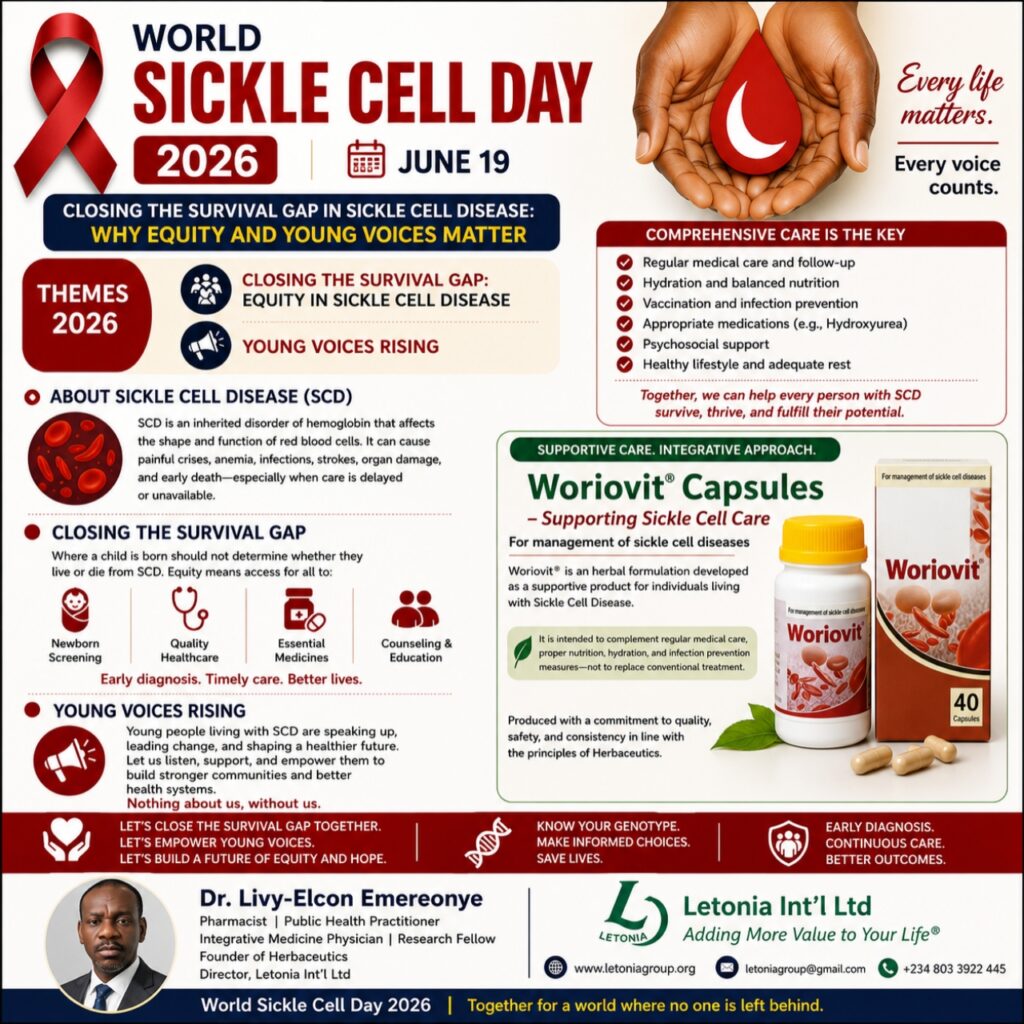 Every year on June 19, the global health community commemorates World Sickle Cell Day, a day set aside by the United Nations to raise awareness about Sickle Cell Disease (SCD), one of the world's most common inherited blood disorders. The observance serves as a reminder of the enormous health, social, and economic burden imposed by the disease and the urgent need for improved prevention, diagnosis, treatment, and support services.
The themes for World Sickle Cell Day 2026, "Closing the Survival Gap: Equity in Sickle Cell Disease" and "Young Voices Rising," highlight two critical issues in the global fight against SCD. The first draws attention to the unequal health outcomes experienced by people living with the disease in different parts of the world, while the second recognizes the growing role of young people with SCD as advocates, educators, and leaders in shaping policies and healthcare services that affect their lives.
Sickle Cell Disease remains a major public health challenge, particularly in sub-Saharan Africa, where the majority of affected children are born. Despite remarkable advances in medical science, thousands of individuals living with SCD continue to face preventable suffering and premature death because of inadequate access to healthcare services. The place where a child is born often determines the likelihood of surviving and thriving with the disease. This reality underscores the importance of the 2026 call for equity in sickle cell care.
Sickle Cell Disease is an inherited disorder of hemoglobin, the protein in red blood cells responsible for carrying oxygen throughout the body. The condition occurs when an individual inherits abnormal hemoglobin genes from both parents. The most common and severe form is known as sickle cell anemia or HbSS disease.
Unlike normal red blood cells, which are flexible and round, sickled red blood cells become rigid, sticky, and crescent-shaped under certain conditions such as dehydration, infection, or low oxygen levels. These abnormal cells can block blood vessels, restrict blood flow, and reduce oxygen delivery to tissues and organs. They are also more fragile and break down more rapidly than normal red blood cells, resulting in chronic anemia.
The consequences can be devastating. Individuals with SCD may experience recurrent painful crises, severe anemia, recurrent infections, delayed growth, stroke, acute chest syndrome, kidney disease, eye complications, and damage to multiple organs. The disease affects not only physical health but also emotional wellbeing, educational attainment, family stability, and economic productivity.
Globally, Sickle Cell Disease represents one of the most significant inherited disorders. According to the World Health Organization, hundreds of thousands of babies are born each year with severe hemoglobin disorders, with the majority occurring in Africa. Nigeria carries one of the largest burdens of the disease worldwide. It is estimated that approximately 20 to 30 percent of Nigerians carry the sickle cell trait, while about 150,000 children are born annually with SCD. These figures make Nigeria a focal point in global efforts to reduce the burden of the disease.
Unfortunately, many affected individuals in Nigeria and other low- and middle-income countries continue to encounter significant challenges. These include delayed diagnosis, poor access to specialist care, inadequate healthcare infrastructure, limited availability of essential medicines, and the high cost of treatment. These challenges contribute significantly to the survival gap highlighted in this year's theme.
The phrase "Closing the Survival Gap" reflects the striking differences in outcomes between patients living in high-income countries and those living in resource-limited settings. In countries with strong healthcare systems, routine newborn screening programs allow early diagnosis of SCD. Children identified through these programs receive timely interventions such as vaccination, prophylactic antibiotics, parental education, and specialist care. As a result, survival rates have improved dramatically, and many individuals with SCD now live well into adulthood.
In contrast, many children in developing countries remain undiagnosed for years. Some die before reaching their fifth birthday from preventable complications. The difference is not due to variations in the disease itself but rather to disparities in healthcare access and quality. Closing this survival gap requires deliberate efforts to ensure that every child born with SCD has access to early diagnosis, quality treatment, and comprehensive care regardless of socioeconomic status or geographic location.
Health equity is therefore central to the fight against SCD. Equity means ensuring that all individuals have a fair opportunity to achieve the highest possible level of health. For people living with SCD, this includes access to newborn screening, affordable medications, vaccination services, specialist care, genetic counseling, laboratory services, and public health education. Governments, healthcare institutions, development partners, and civil society organizations must work together to eliminate barriers that prevent patients from receiving the care they need.
The second theme, "Young Voices Rising," recognizes the growing influence of young people living with SCD. Historically, healthcare decisions affecting patients were often made without meaningful patient participation. Today, young people with SCD are increasingly sharing their experiences, advocating for better services, participating in research, and influencing public policy.
Their voices are important because they understand firsthand the challenges associated with living with the disease. They know what it means to cope with recurrent pain episodes, frequent hospital visits, educational disruptions, social stigma, and emotional stress. Their perspectives can help healthcare providers and policymakers design services that are more responsive to patient needs. The future of SCD care must be built on meaningful partnerships between healthcare professionals and the communities they serve.
One of the most important public health interventions in SCD management is newborn screening. Early diagnosis enables healthcare providers to initiate preventive measures before complications occur. Research has consistently shown that newborn screening, combined with comprehensive follow-up care, significantly reduces childhood mortality and improves long-term outcomes. Expanding newborn screening programs across Nigeria and other African countries should therefore remain a public health priority.
Another critical strategy is genetic counseling. Since SCD is inherited, public awareness about genotype status is essential. Many cases can be prevented through informed reproductive choices. Encouraging individuals to know their genotype before marriage and providing access to genetic counseling services can help reduce the incidence of SCD over time. The message remains simple but powerful: Know Your Genotype.
Advances in medical science have significantly improved the management of SCD. One of the most important developments has been the use of hydroxyurea, a medication that increases the production of fetal hemoglobin and reduces the frequency of painful crises and hospital admissions. Hydroxyurea has transformed the lives of many patients and is now widely recommended for appropriate individuals with SCD.
Blood transfusion therapy remains an important component of management, particularly for severe anemia, stroke prevention, and certain acute complications. In selected cases, bone marrow transplantation offers the possibility of cure, although access remains limited because of cost and donor availability.
More recently, advances in gene therapy and gene-editing technologies have generated tremendous excitement. These emerging approaches seek to correct or modify the genetic defects responsible for the disease. Although currently expensive and not widely available, they represent a significant milestone in the quest for a cure.
Beyond medical treatment, nutrition and lifestyle play important supportive roles in the management of SCD. Adequate hydration is essential because dehydration can trigger sickling episodes. A balanced diet rich in fruits, vegetables, proteins, and other essential nutrients supports overall health. Regular medical follow-up, appropriate vaccination, sufficient rest, and moderate physical activity also contribute to improved wellbeing.
The psychological impact of SCD should not be overlooked. Many individuals living with the disease experience anxiety, depression, social isolation, and low self-esteem. Recurrent illness can affect educational achievement, employment opportunities, and social relationships. Comprehensive care must therefore include psychosocial support, counseling services, patient support groups, and family education.
The economic burden of SCD is equally significant. Families often face repeated medical expenses, transportation costs, lost income, and disruptions to daily life. Healthcare systems bear the cost of hospital admissions, medications, laboratory investigations, and long-term management of complications. Investments in prevention, early diagnosis, and effective management are therefore not only medically beneficial but also economically sensible.
Within the context of comprehensive healthcare, there is growing interest in integrative approaches that combine evidence-based conventional medicine with supportive complementary interventions. Integrative medicine emphasizes a holistic approach to health while maintaining scientific rigor and patient safety. Areas of interest include nutrition, lifestyle modification, stress management, and carefully evaluated herbal products.
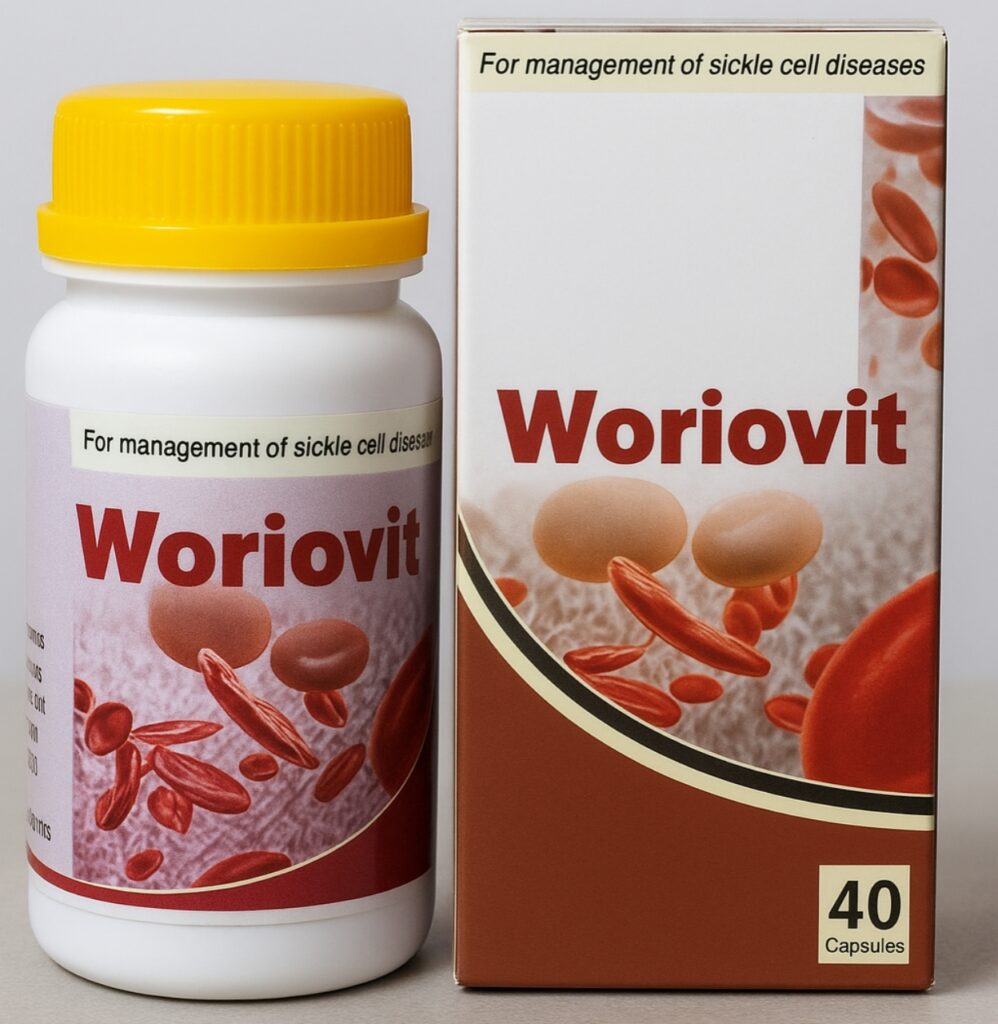
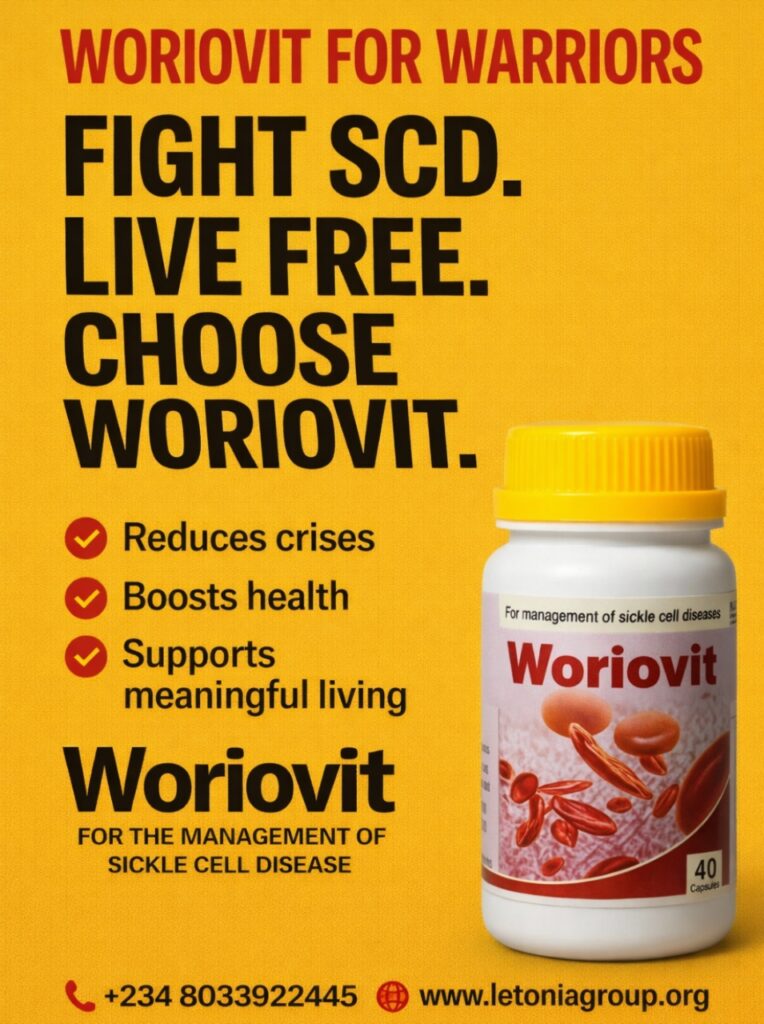
One indigenous innovation in this area is Woriovit® Capsules, a herbal product formulated and produced by Letonia Int'l Ltd. The product was developed as part of the company's commitment to healthcare innovation and the advancement of Herbaceutics, defined as the science and art of herbal dosage form formulation.
Woriovit® was conceived within the broader framework of supporting individuals living with Sickle Cell Disease through a holistic and integrative approach to healthcare. The product reflects the growing recognition that locally developed solutions can contribute meaningfully to healthcare delivery when produced according to appropriate quality standards and used responsibly within a comprehensive care plan.
According to the manufacturer, Woriovit® is intended as a Complementary/ supportive herbal product for individuals living with Sickle Cell Disease. Its use is envisioned alongside regular medical care, adequate hydration, proper nutrition, infection prevention measures, and routine clinical follow-up. It is not intended to replace conventional medical treatment but rather to complement broader healthcare strategies.
The development of Woriovit® is rooted in the principles of quality, safety, consistency, and continuous improvement that underpin the discipline of Herbaceutics. Like all healthcare interventions, herbal products intended for long-term use should be subjected to ongoing research, quality assurance processes, and appropriate regulatory oversight. Further studies involving phytochemical characterization, pharmacological evaluation, toxicological assessment, and clinical investigation will help strengthen the evidence base for herbal interventions in SCD management.
 The importance of local innovation cannot be overstated. Countries such as Nigeria possess rich biodiversity, extensive traditional knowledge, and a growing scientific community capable of contributing to healthcare solutions. Indigenous pharmaceutical and herbal product development can support healthcare accessibility, stimulate research, promote local manufacturing, and strengthen national healthcare systems.
As we commemorate World Sickle Cell Day 2026, the message is clear. No child should die from preventable complications of Sickle Cell Disease because of where they were born. No patient should be denied access to quality healthcare because of financial limitations. No young person living with SCD should be excluded from conversations about policies and programs that affect their future.
Closing the survival gap requires commitment from governments, healthcare professionals, researchers, patient advocacy groups, development partners, and communities. It requires investment in newborn screening, healthcare infrastructure, research, education, and equitable access to treatment. It requires listening to and empowering young voices. It also requires continued exploration of innovative solutions, including evidence-based integrative approaches that may enhance patient care.
The themes "Closing the Survival Gap: Equity in Sickle Cell Disease" and "Young Voices Rising" remind us that progress is measured not only by scientific breakthroughs but also by our ability to ensure that those breakthroughs reach the people who need them most.
With sustained commitment, stronger healthcare systems, expanded access to care, patient empowerment, and continued scientific innovation, we can move closer to a future in which every individual living with Sickle Cell Disease has the opportunity not merely to survive but to thrive.
PS: Dr. Emereonye could be reached on: +234 803 3922 445
References
World Health Organization (WHO). Sickle-cell disease Fact Sheet. Available at: https://www.who.int
Piel FB, Steinberg MH, Rees DC. Sickle Cell Disease. New England Journal of Medicine. 2017;376(16):1561–1573.
Kato GJ, Piel FB, Reid CD, et al. Sickle Cell Disease. Nature Reviews Disease Primers. 2018;4:18010.
Rees DC, Williams TN, Gladwin MT. Sickle-cell disease. The Lancet. 2010;376(9757):2018–2031.
Ware RE, de Montalembert M, Tshilolo L, Abboud MR. Sickle Cell Disease. The Lancet. 2017;390(10091):311–323.
National Heart, Lung, and Blood Institute (NHLBI). Evidence-Based Management of Sickle Cell Disease.
Centers for Disease Control and Prevention (CDC). Data and Statistics on Sickle Cell Disease. Available at: https://www.cdc.gov/sicklecell
Grosse SD, Odame I, Atrash HK, et al. Sickle Cell Disease in Africa. American Journal of Preventive Medicine. 2011;41(6 Suppl 4):S398–S405.
 Tshilolo L, Tomlinson G, Williams TN, et al. Hydroxyurea for Children with Sickle Cell Anemia in Sub-Saharan Africa. New England Journal of Medicine. 2019;380:121–131.