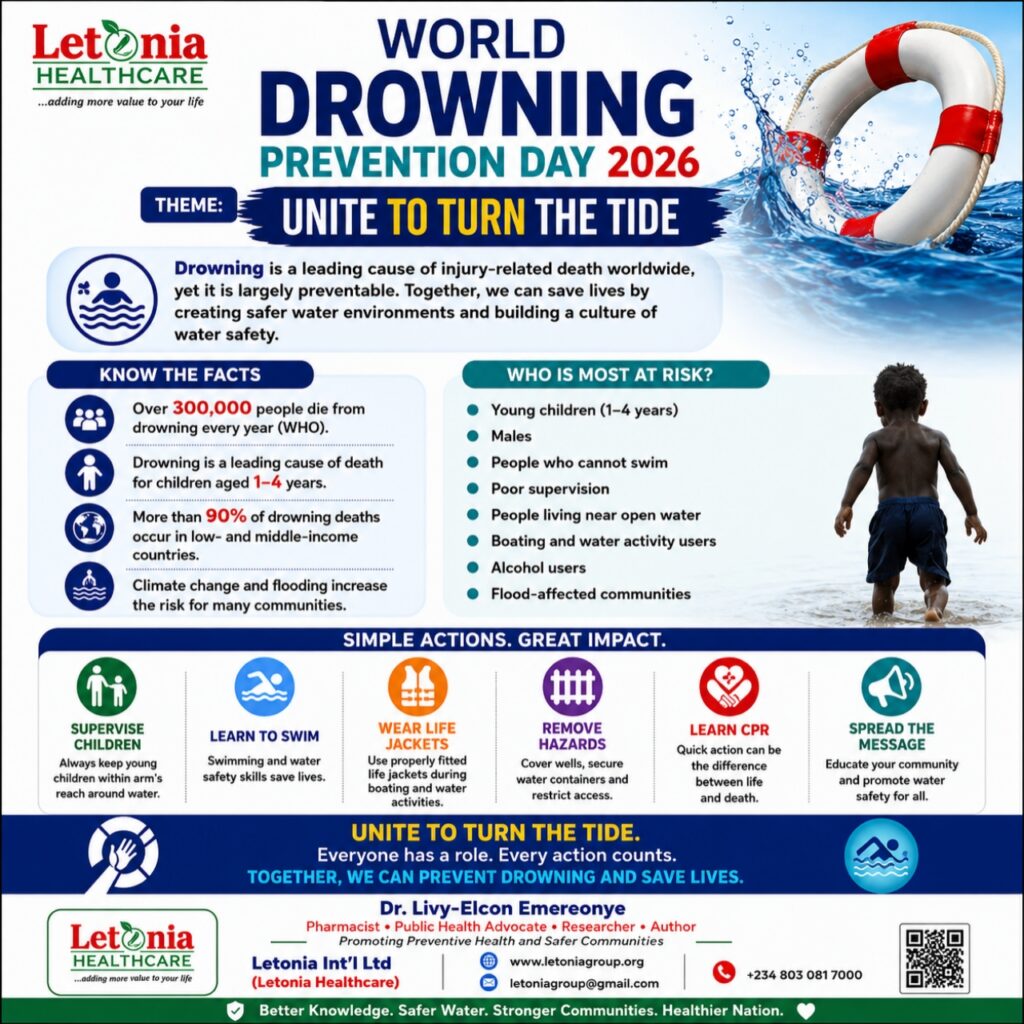
EARLY ACTION ON DIABETES: THE POWER OF PREVENTION, EARLY DETECTION AND INTEGRATIVE MANAGEMENT By Livy-Elcon Emereonye
EARLY ACTION ON DIABETES: THE POWER OF PREVENTION, EARLY DETECTION AND INTEGRATIVE MANAGEMENT
A World Diabetes Day 2026 Commemorative Scientific and Public Health Article
By Livy-Elcon Emereonye
Introduction: Diabetes – A Growing Public Health Challenge
Diabetes mellitus remains one of the most significant public health challenges of the 21st century. Its growing prevalence, long-term complications, economic implications and increasing burden on healthcare systems make it a disease that demands urgent, sustained and coordinated action.
Yet, one of the greatest problems associated with diabetes is not merely its prevalence but the delay in its recognition, diagnosis and appropriate management.
Millions of people live with diabetes without knowing it. Others become aware of their condition only after developing complications involving the eyes, kidneys, nerves, heart and blood vessels.
This is particularly concerning because many of these complications can be prevented, delayed or significantly reduced through timely intervention.
World Diabetes Day, commemorated annually on 14 November, provides an important opportunity to renew public awareness, strengthen preventive healthcare and mobilise individuals, families, healthcare professionals, policymakers and other stakeholders towards more effective diabetes control.
The 2026 focus, Early Action on Diabetes, reinforces an essential public health message: the best time to act against diabetes is before complications develop, and ideally before the disease itself becomes established.
Understanding Diabetes Mellitus
Diabetes mellitus is a group of metabolic disorders characterised by persistently elevated blood glucose levels resulting from inadequate insulin production, impaired insulin action, or a combination of both.
Insulin, a hormone produced by the beta cells of the pancreas, plays a central role in regulating blood glucose by facilitating glucose uptake and utilisation by body tissues.
When insulin production is insufficient or the body's cells become resistant to its action, glucose accumulates in the bloodstream, resulting in hyperglycaemia.
The major forms of diabetes include:
1. Type 1 Diabetes
This results from autoimmune destruction of the insulin-producing beta cells of the pancreas, leading to absolute insulin deficiency. People living with type 1 diabetes require lifelong insulin treatment.
2. Type 2 Diabetes
This is the most common form of diabetes and is characterised by insulin resistance, progressive impairment of insulin secretion, or both.
It is associated with several modifiable and non-modifiable risk factors, including excess body weight, physical inactivity, unhealthy dietary patterns, family history, increasing age and certain metabolic conditions.
Importantly, type 2 diabetes is increasingly being diagnosed in younger populations.
3. Gestational Diabetes Mellitus
This develops during pregnancy and is characterised by elevated blood glucose levels that were not clearly present before pregnancy.
It increases the risk of complications during pregnancy and delivery and also raises the future risk of type 2 diabetes in the mother.
Other specific forms of diabetes may result from genetic conditions, pancreatic diseases, endocrine disorders and certain medications.
Understanding these differences is important because diabetes is not a single disease with one uniform cause or treatment approach.
The Global Diabetes Burden: Why Early Action Matters
According to the International Diabetes Federation (IDF), approximately 589 million adults aged 20–79 years were living with diabetes worldwide in 2024. The figure is projected to rise to approximately 853 million by 2050 if effective preventive and management interventions are not strengthened.
A particularly worrying aspect is that a substantial proportion of affected individuals remain undiagnosed.
Undiagnosed diabetes represents a significant public health concern because the disease may continue to damage vital organs long before the individual becomes aware of its presence.
For Nigeria and other African countries, the challenge is compounded by limited access to routine screening, inadequate awareness, late presentation, the cost of healthcare, inconsistent access to medicines and insufficient continuity of care.
Consequently, diabetes should no longer be regarded merely as an individual medical condition. It is a development, economic and public health concern that requires collective responsibility.
Early Action: What Does It Really Mean?
Early action on diabetes goes beyond checking blood glucose when someone becomes ill.
It involves a proactive approach that begins with risk identification, progresses through prevention and early diagnosis, and continues with appropriate treatment, monitoring and complication prevention.
There are five important dimensions of early action.
1. Early Risk Identification and Assessment
The first step is identifying individuals who are at increased risk of developing diabetes.
Risk assessment should consider:
- Family history of diabetes.
- Overweight and obesity, particularly abdominal obesity.
- Physical inactivity and sedentary lifestyles.
- Unhealthy dietary habits.
- Previous gestational diabetes.
- Hypertension and abnormal blood lipid levels.
- Previous identification of prediabetes.
- Increasing age and other relevant clinical risk factors.
Individuals with these risk factors should be encouraged to undergo appropriate medical assessment and blood glucose testing.
However, the absence of recognised risk factors does not completely eliminate the possibility of developing diabetes.
2. Early Detection Through Routine Screening
One of the most effective ways to reduce the burden of undiagnosed diabetes is to strengthen routine screening.
Diabetes can remain asymptomatic for several years. Therefore, waiting for symptoms before checking blood glucose is an inadequate public health strategy.
Common diagnostic tests include: Fasting Plasma Glucose (FPG): A fasting plasma glucose level of 7.0 mmol/L (126 mg/dL) or higher is within the diabetic range.
Glycated Haemoglobin (HbA1c): An HbA1c level of 6.5% or higher indicates diabetes when measured using an appropriately standardised laboratory method.
Oral Glucose Tolerance Test (OGTT): A two-hour plasma glucose level of 11.1 mmol/L (200 mg/dL) or higher following a 75 g oral glucose load is diagnostic.
Random Plasma Glucose: A result of 11.1 mmol/L (200 mg/dL) or higher, in the presence of classic symptoms of hyperglycaemia or a hyperglycaemic crisis, can establish the diagnosis.
In individuals without unequivocal hyperglycaemia, an abnormal diagnostic result generally requires confirmation.
It is important to distinguish screening from diagnosis. An abnormal screening result should be appropriately evaluated by a qualified healthcare professional.
Early detection creates an opportunity for timely treatment and reduces the likelihood of presenting with advanced complications.
3. Early Lifestyle Intervention: Prevention Before Complications
Lifestyle modification is one of the most important components of diabetes prevention and management.
For people at increased risk of type 2 diabetes, evidence-based lifestyle interventions can substantially reduce the likelihood of progression to the disease.
Healthy Nutrition: A balanced dietary pattern should include vegetables, fruits in appropriate portions, whole grains, legumes, nuts and suitable sources of protein. Consumption of sugar-sweetened beverages, excessive refined carbohydrates, highly processed foods and energy-dense meals should be reduced.
In the Nigerian context, healthy eating does not necessarily mean abandoning traditional foods. It means making better choices in food composition, preparation methods, portion sizes and frequency of consumption.
Regular Physical Activity: Adults should generally aim for at least 150 minutes of moderate-intensity aerobic physical activity weekly, alongside muscle-strengthening activities on two or more days.
Weight Management: For individuals with overweight or obesity who are at increased risk of type 2 diabetes, achieving and maintaining a clinically appropriate reduction in body weight can significantly reduce diabetes risk.
Adequate Sleep and Stress Management: Poor sleep patterns, chronic stress and unhealthy coping behaviours can adversely affect metabolic health.
Avoidance of Tobacco and Harmful Alcohol Consumption: Tobacco use increases cardiovascular risk, while excessive alcohol consumption can contribute to several metabolic and other health problems.
These interventions are not merely recommendations for people already diagnosed with diabetes. They are preventive measures for the entire population.
4. Early Treatment and Effective Disease Management
Once diabetes is diagnosed, appropriate treatment should commence without unnecessary delay.
The treatment plan should be individualised according to the type of diabetes, age, cardiovascular and kidney health, other medical conditions, patient preferences and available resources.
Management may involve:
- Appropriate dietary modification.
- Regular physical activity.
- Weight management.
- Oral glucose-lowering medications.
- Injectable medications, including insulin where indicated.
- Blood glucose monitoring.
- Regular assessment of treatment response and potential adverse effects.
For people with type 1 diabetes, insulin is essential for survival.
For people with type 2 diabetes, medication selection should consider not only blood glucose reduction but also cardiovascular, kidney and weight-related benefits where appropriate.
It is equally important to recognise that diabetes management is not limited to achieving acceptable blood glucose levels.
A comprehensive approach must also address blood pressure, blood lipid levels, kidney function, eye health, foot health and other cardiovascular risk factors.
5. Early Identification and Prevention of Diabetes Complications
One of the most important reasons for early intervention is the prevention or delay of diabetes-related complications.
Persistently elevated blood glucose can damage blood vessels and nerves, affecting multiple organs and systems.
The major complications include:
- Diabetic Retinopathy: Damage to the small blood vessels of the retina, potentially resulting in visual impairment and blindness.
- Diabetic Nephropathy: Progressive kidney damage that can eventually lead to chronic kidney disease and kidney failure.
- Diabetic Neuropathy: Nerve damage that may cause pain, tingling, numbness and loss of protective sensation.
- Cardiovascular Diseases: Increased risk of heart attack, stroke and peripheral arterial disease.
- Diabetic Foot Complications: Foot ulcers, infections and tissue damage that may ultimately result in amputation.
Early identification through appropriate retinal examinations, kidney function assessment, urine albumin testing, foot examinations and cardiovascular risk assessment is essential.
6. Integrative Management Approach to Diabetes: Combining the Best of Evidence-Based Healthcare
Diabetes is a complex metabolic disorder. Its effective management therefore requires more than an isolated intervention or dependence on a single therapeutic approach.
An integrative management approach recognises the potential value of combining conventional medical treatment, evidence-based nutritional and lifestyle interventions, patient education and appropriately evaluated complementary healthcare practices.
The central principle is not to replace established medical treatment with alternative remedies but to bring together safe, scientifically defensible interventions that address different aspects of metabolic health.
An effective integrative approach should incorporate the following components:
A. Conventional Medical Management
Conventional medical care remains the foundation of diabetes treatment.
Depending on the type and severity of diabetes, this may include insulin, oral glucose-lowering medicines and other evidence-based pharmacological interventions.
Regular clinical evaluation is necessary to determine treatment effectiveness, adjust medication and identify complications.
B. Nutritional and Lifestyle Medicine
Nutrition, physical activity, weight management, adequate sleep and stress reduction are important components of integrative diabetes care.
These interventions can improve insulin sensitivity, support metabolic regulation and reduce cardiovascular risk.
They should be incorporated into individualised management plans rather than treated as optional additions.
C. Pharmacognosy and Evidence-Based Herbal Medicine
Medicinal plants contain diverse phytochemicals, including flavonoids, alkaloids, terpenoids, phenolic compounds and other bioactive constituents.
Some of these compounds have demonstrated biological activities relevant to glucose metabolism in laboratory and preclinical investigations. Research has explored possible effects on insulin sensitivity, glucose absorption, oxidative stress, inflammation and pancreatic beta-cell function.
However, biological activity in laboratory experiments does not automatically establish clinical effectiveness in humans.
Herbal preparations therefore require appropriate identification, authentication, standardisation, quality control, safety assessment, dose determination and well-designed clinical investigations before their therapeutic claims can be established.
This is particularly important in diabetes because some herbal preparations may interact with conventional glucose-lowering medicines, potentially increasing the risk of hypoglycaemia or producing other adverse effects.
Consequently, herbal medicine should be approached through scientific evaluation, responsible product development and appropriate clinical supervision.
D. Sudiac® Capsules: A Letonia Healthcare Contribution to Healthy Blood Sugar Management
Sudiac® Capsules, a herbal product developed and marketed by Letonia Int'l Ltd under its Letonia Healthcare brand, are intended for the management of healthy blood sugar.
Sudiac® provides an opportunity to highlight the place of properly developed herbal products within broader conversations about integrative healthcare and metabolic wellness.
The development and responsible use of herbal products in this area should be guided by sound pharmaceutical principles, including:
- Proper identification and authentication of medicinal plant materials.
- Appropriate extraction and formulation procedures.
- Standardisation and quality assurance.
- Assessment of microbial contamination, heavy metals and other potential contaminants.
- Evaluation of safety, dosage and potential herb–drug interactions.
- Scientific substantiation of specific therapeutic claims through appropriate research.
For people interested in complementary herbal healthcare, the important consideration is not simply whether a product is labelled herbal, but whether its quality, safety and claimed benefits are adequately established.
Accordingly, Sudiac® should be considered only within the appropriate product information, applicable regulatory authorisation and professional healthcare guidance.
People already receiving diabetes treatment should consult their healthcare professionals before introducing any herbal product, as concurrent use may require additional monitoring and clinical assessment.
E. Continuous Monitoring and Individualised Care
An effective integrative approach must be measurable.
Blood glucose, HbA1c, blood pressure, lipid profile, kidney function, body weight and other clinically relevant indicators should be monitored at appropriate intervals.
Treatment should be adjusted according to the individual's response, clinical needs and safety considerations.
The ultimate objective is not merely to reduce blood glucose but to improve overall health, preserve organ function, prevent complications and enhance quality of life.
The Scientific Position: Integrative healthcare should complement, not compromise, evidence-based medical care. The inclusion of herbal medicine must be accompanied by scientific validation, pharmaceutical quality assurance, regulatory compliance and responsible clinical practice.
Diabetes and the Nigerian Public Health Environment
Nigeria faces a growing non-communicable disease burden, with diabetes contributing significantly to morbidity, premature mortality and household healthcare expenditure.
Several factors complicate the country's diabetes response.
Inadequate awareness: Many individuals do not appreciate the relationship between lifestyle, metabolic health and diabetes.
Late diagnosis: Some people discover they have diabetes only after developing complications or presenting to hospitals with severe symptoms.
Affordability and accessibility: The cost of diagnostic investigations, medicines, glucose-monitoring supplies and specialist consultations can make consistent management diconsumptio
Misconceptions and misinformation: Some individuals believe diabetes is exclusively caused by excessive sugar consumption, while others assume that the absence of symptoms means they do not have the disease.
There are also misconceptions that diabetes can be permanently cured through unverified herbal preparations, dietary products or alternative remedies.
These beliefs can encourage treatment abandonment and delay appropriate medical care.
The Nigerian response must prioritise accessible screening, reliable diagnostic services, affordable essential medicines, public health education and continuity of care.
Recognising Diabetes Warning Signs
Symptoms that should never be ignored include:
- Excessive thirst.
- Frequent urination.
- Increased hunger.
- Unexplained weight loss.
- Persistent tiredness.
- Blurred vision.
- Slow-healing wounds.
- Recurrent infections.
- Tingling or numbness in the hands and feet.
When accompanied by abdominal pain, vomiting, deep or rapid breathing, dehydration or altered consciousness, diabetic ketoacidosis should be suspected. This is a medical emergency requiring immediate hospital attention.
Who Has a Responsibility to Act?
Early action on diabetes cannot be left to physicians, endocrinologists or people already diagnosed with the disease.
It requires a whole-of-society approach.
Individuals should understand their risk factors, adopt healthy lifestyles, participate in appropriate screening and seek medical attention when necessary.
Families should encourage healthy eating, physical activity, regular health checks and treatment adherence.
Healthcare Professionals should strengthen preventive counselling, risk assessment, early diagnosis, appropriate treatment and patient education.
Pharmacists should use their accessibility to promote diabetes awareness, identify people who may need screening, counsel patients on medicines, encourage adherence and support appropriate referrals.
Herbal Medicine Researchers and Manufacturers should prioritise scientific research, product standardisation, safety evaluation, quality assurance and regulatory compliance.
Government and Policymakers should strengthen primary healthcare services, improve access to essential medicines and diagnostic facilities, support public health campaigns and integrate diabetes prevention into national health strategies.
Schools, Workplaces and the Media should promote healthy environments, physical activity, access to screening and scientifically accurate public health information.
Turning Awareness into Action: Practical Steps Everyone Can Take
World Diabetes Day should not end with speeches, publications, lectures and social media campaigns.
It should translate into measurable improvements in health behaviour and healthcare access.
Every individual can begin with the following actions:
1. Know your diabetes risk factors.
2. Check your blood glucose when clinically indicated.
3. Maintain a healthy body weight.
4. Adopt a balanced dietary pattern.
5. Engage in regular physical activity.
6. Avoid tobacco and harmful alcohol consumption.
7. Know your blood pressure and cholesterol levels.
8. Seek medical assessment when symptoms develop.
9. If diagnosed, adhere to your prescribed treatment.
10. Encourage family members and colleagues to take preventive health checks seriously.
For healthcare organisations, community groups and policymakers, the priority should be to expand access to screening, strengthen referral systems, improve treatment continuity and measure outcomes.
In conclusion, it should be noted that early action is an investment in life.
Diabetes is a serious metabolic disorder, but its consequences are not inevitable.
Type 2 diabetes can often be prevented or delayed among people at increased risk. Diabetes can also be detected early, managed effectively and its complications substantially reduced through evidence-based interventions.
An integrative approach offers additional opportunities to strengthen diabetes care by bringing together conventional medicine, nutrition, lifestyle interventions, pharmaceutical science and scientifically evaluated complementary therapies.
However, integration must never become an excuse for replacing proven treatment with unverified claims.
As we commemorate World Diabetes Day on 14 November 2026, let us move beyond awareness to meaningful action.
Let individuals take responsibility for their health, let families become advocates of preventive healthcare, let healthcare professionals strengthen early intervention, let researchers advance scientific discovery, and let governments make diabetes prevention and treatment more accessible and affordable.
Do not wait until diabetes announces itself through complications. Know your risks, check your numbers, act early and protect your future.
Because when it comes to diabetes, early action is not just good healthcare; it is a life-saving investment.
PS: Dr. Emereonye could be reached on: +234 803 392 2445
References
1. International Diabetes Federation (IDF). IDF Diabetes Atlas, 11th Edition. Brussels, Belgium: International Diabetes Federation; 2025. https://diabetesatlas.org/
2. World Health Organization. Diabetes. WHO Fact Sheet. https://www.who.int/news-room/fact-sheets/detail/diabetes
3. World Health Organization. Global Report on Diabetes. Geneva: WHO; 2016. https://www.who.int/publications/i/item/9789241565257
4. American Diabetes Association Professional Practice Committee. Diagnosis and Classification of Diabetes: Standards of Care in Diabetes—2025. Diabetes Care. 2025;48(Suppl 1).
5. American Diabetes Association Professional Practice Committee. Prevention or Delay of Diabetes and Associated Comorbidities: Standards of Care in Diabetes—2025. Diabetes Care. 2025;48(Suppl 1).
6. Knowler WC, Barrett-Connor E, Fowler SE, et al. Reduction in the incidence of type 2 diabetes with lifestyle intervention or metformin. New England Journal of Medicine. 2002;346:393–403. doi:10.1056/NEJMoa012512.
7. Davies MJ, Aroda VR, Collins BS, et al. Management of hyperglycemia in type 2 diabetes, 2022. A consensus report by the American Diabetes Association and the European Association for the Study of Diabetes. Diabetes Care. 2022;45(11):2753–2786. doi:10.2337/dci22-0034.
8. World Health Organization. HEARTS D: Diagnosis and Management of Type 2 Diabetes. Geneva: WHO; 2020. https://www.who.int/publications/i/item/9789240009226
9. World Health Organization. WHO Global Report on Traditional and Complementary Medicine 2019. Geneva: WHO; 2019. https://www.who.int/publications/i/item/978924151536















 Introduction
Every August, individuals, families, communities, healthcare professionals, and organizations around the world observe National Wellness Month, a dedicated period that promotes healthier lifestyles through intentional self-care, disease prevention, and the adoption of sustainable healthy habits. The 2026 National Wellness Month, observed from August 1 to August 31, reminds us that health is not merely the absence of disease but a dynamic state of complete physical, mental, emotional, and social well-being.
Modern society has witnessed remarkable advances in medicine, yet preventable diseases such as hypertension, diabetes mellitus, obesity, cardiovascular diseases, depression, anxiety disorders, chronic respiratory diseases, and several cancers continue to rise. Most of these illnesses are closely linked to unhealthy lifestyles, poor dietary habits, physical inactivity, chronic stress, inadequate sleep, tobacco use, and excessive alcohol consumption.
The encouraging news is that many of these health problems can be prevented—or significantly delayed—through relatively simple daily lifestyle choices. National Wellness Month therefore serves as an annual reminder that investing in healthy habits today is one of the most effective strategies for improving quality of life and extending healthy lifespan.
This year's campaign encourages everyone to prioritize five essential wellness practices:
- Drink more water.
- Eat healthy meals.
- Move your body every day.
- Reduce stress and anxiety.
- Get sufficient quality sleep.
These pillars of wellness are supported by extensive scientific evidence and remain fundamental to public health promotion worldwide.


 Chronic stress has been associated with:
- Hypertension
- Depression
- Anxiety disorders
- Heart disease
- Poor immunity
- Digestive disorders
- Sleep disturbances
Stress also contributes to unhealthy coping behaviours such as:
- Smoking
- Excessive alcohol intake
- Emotional eating
- Substance abuse
Healthy stress-management techniques include:
- Deep breathing exercises
- Meditation
- Prayer
- Mindfulness
- Spending time in nature
- Listening to music
- Talking with trusted friends
- Seeking professional counselling when needed
Building resilience enables individuals to cope more effectively with life's inevitable challenges.
Prioritize Healthy Sleep
Sleep is often underestimated, yet it is one of the pillars of good health.
During sleep, the body performs numerous restorative processes including:
- Tissue repair
- Hormonal regulation
- Memory consolidation
- Immune strengthening
- Emotional processing
Adults generally require 7–9 hours of quality sleep each night.
Insufficient sleep has been linked to:
- Obesity
- Diabetes
- Heart disease
- Depression
- Poor work performance
- Reduced immunity
- Increased accident risk
Healthy sleep practices include:
- Maintaining a regular bedtime.
- Limiting screen exposure before bed.
- Avoiding heavy meals late at night.
- Reducing caffeine intake in the evening.
- Creating a quiet sleeping environment.
Sleep should be viewed as an essential investment in health rather than a luxury.
 Abstract
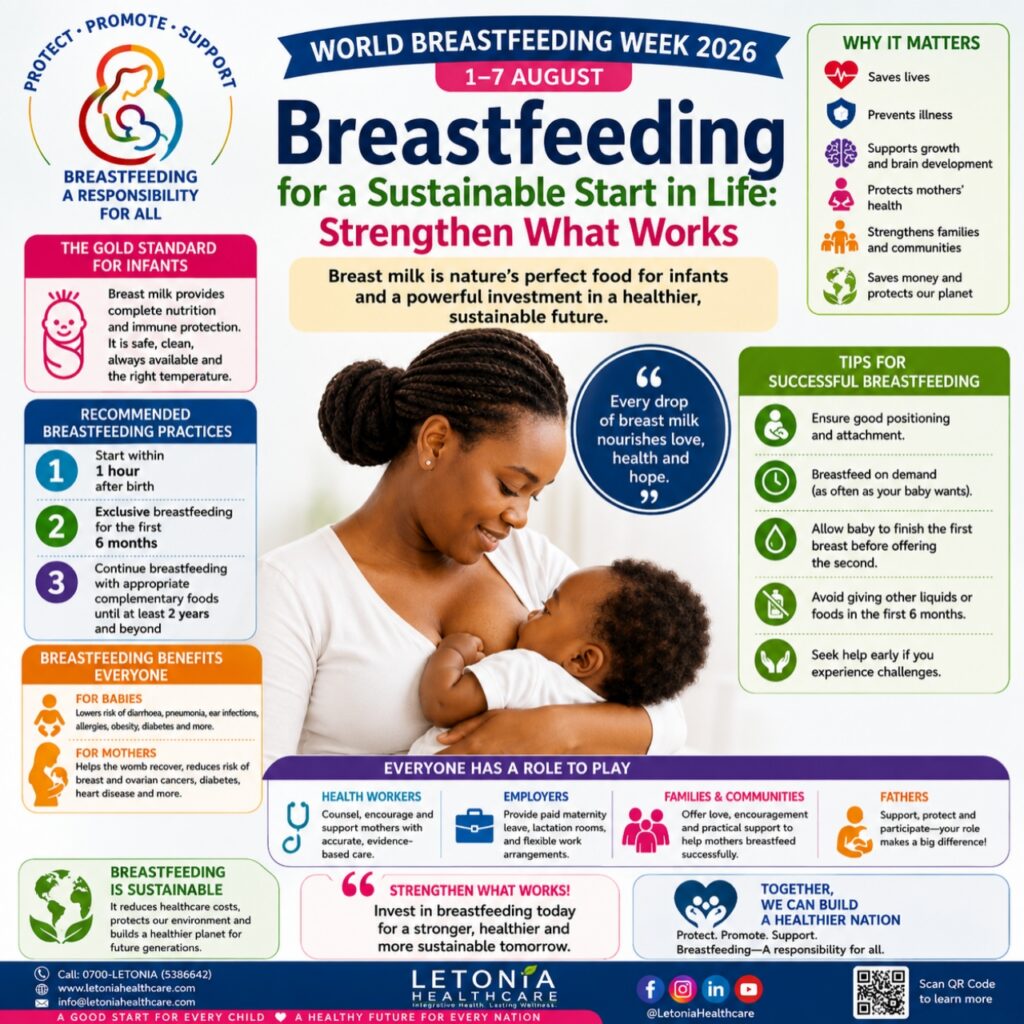
World Breastfeeding Week (WBW), observed annually from 1–7 August, is a global campaign dedicated to protecting, promoting, and supporting breastfeeding. It serves as an opportunity to raise awareness of the indispensable role breastfeeding plays in improving maternal and child health, reducing healthcare costs, and fostering sustainable development. This article, titled "Breastfeeding for a Sustainable Start in Life: Strengthen What Works," commemorates World Breastfeeding Week 2026 by examining the scientific evidence supporting breastfeeding, its immense health, economic, social, and environmental benefits, and the need to reinforce proven interventions that improve breastfeeding practices. Drawing upon recommendations from the World Health Organization (WHO), UNICEF, peer-reviewed research, and other authoritative sources, the article emphasizes that investing in breastfeeding is one of the most effective public health strategies for building healthier families, stronger communities, and more resilient nations.
Introduction
Breastfeeding is one of humanity's oldest and most successful health interventions. Long before the development of modern medicine, it sustained human survival, protected infants from disease, and ensured healthy growth and development. Today, despite remarkable advances in healthcare technology, breastfeeding remains the biological gold standard for infant nutrition and one of the most cost-effective public health interventions available.
Every year, millions of people around the world observe World Breastfeeding Week, an international campaign coordinated by the World Alliance for Breastfeeding Action (WABA) in collaboration with the World Health Organization (WHO), UNICEF, governments, healthcare institutions, and civil society organizations. The annual observance highlights the importance of breastfeeding in improving health outcomes and mobilizes action to remove barriers that prevent mothers from breastfeeding successfully.
This commemorative article adopts the theme "Breastfeeding for a Sustainable Start in Life: Strengthen What Works" to underscore an important public health message: many effective breastfeeding interventions already exist, and greater gains will be achieved by strengthening and expanding these evidence-based strategies. Rather than replacing proven programmes, countries should invest in improving access to quality maternity care, skilled breastfeeding support, baby-friendly health facilities, workplace policies, and community education.
 The Remarkable Composition of Human Milk
Breast milk is one of the most complex biological fluids known to science. More than a source of nutrition, it is a sophisticated system of protection and communication between mother and infant.
Among its many components are:
- Secretory Immunoglobulin A (IgA), which protects the respiratory and gastrointestinal mucosa.
- Lactoferrin, which inhibits bacterial growth by binding iron.
- Lysozyme, an enzyme that destroys bacterial cell walls.
- Human Milk Oligosaccharides (HMOs), which nourish beneficial gut bacteria and prevent harmful microbes from attaching to the intestinal lining.
- Living white blood cells that combat infection.
- Stem cells that continue to be studied for their potential developmental roles.
- Cytokines and chemokines that regulate immune responses.
- Hormones such as leptin, adiponectin, and ghrelin, which influence appetite and metabolism.
- Growth factors that support tissue maturation and organ development.
- Beneficial bacteria that help establish a healthy infant gut microbiome.
No commercially available infant formula can fully replicate the complexity and biological activity of these components.
Health Benefits for Infants
Breastfeeding provides extensive protection against both infectious and chronic diseases. According to the landmark Lancet Breastfeeding Series, increasing breastfeeding to near-universal levels could prevent more than 820,000 deaths among children younger than five years every year.
Breastfed infants have a significantly lower risk of:
- Diarrhoeal diseases.
- Pneumonia and other lower respiratory tract infections.
- Acute otitis media.
- Necrotizing enterocolitis, particularly among premature infants.
- Urinary tract infections.
- Sepsis in vulnerable newborns.
- Childhood obesity.
- Type 1 and Type 2 diabetes.
- Certain allergic conditions.
- Sudden Infant Death Syndrome (SIDS).
- Childhood leukaemia.
Breastfeeding also contributes to healthier oral development by promoting proper jaw growth and reducing the risk of dental malocclusion.
Furthermore, breastfed infants generally experience fewer hospital admissions, reduced antibiotic use, lower healthcare costs, and improved survival during the critical first two years of life.
Breastfeeding and Brain Development
One of the most compelling advantages of breastfeeding is its positive effect on neurological development. Human milk supplies nutrients that are essential for brain growth during the first thousand days of life—a period recognized as critical for cognitive development.
Numerous studies have reported that children who were breastfed tend to achieve higher scores on intelligence tests, perform better academically, and demonstrate improved language and problem-solving abilities. These benefits are believed to result from the combined effects of optimal nutrition, bioactive compounds in breast milk, and the close emotional interaction between mother and child during breastfeeding.
The intimate skin-to-skin contact associated with breastfeeding strengthens emotional bonding, enhances the infant's sense of security, and promotes healthy psychological development. Such early nurturing relationships form the foundation for emotional resilience and social well-being later in life.
Breastfeeding and Maternal Health
While breastfeeding is universally acknowledged as the ideal source of nutrition for infants, its health benefits for mothers are equally remarkable. Pregnancy, childbirth, and breastfeeding are interconnected physiological processes designed to protect the health of both mother and child. Scientific evidence consistently demonstrates that women who breastfeed experience both immediate and long-term health advantages.
Immediately after delivery, breastfeeding stimulates the release of oxytocin, a hormone that causes the uterus to contract. These contractions help expel the placenta, reduce postpartum bleeding, accelerate the return of the uterus to its pre-pregnancy size, and lower the risk of postpartum haemorrhage—one of the leading causes of maternal mortality globally.
Breastfeeding also increases maternal energy expenditure. Producing breast milk requires approximately 450–500 kilocalories daily, which can contribute to gradual postpartum weight loss when combined with a balanced diet and healthy lifestyle.
Long-term studies have shown that breastfeeding significantly reduces a woman's lifetime risk of several chronic diseases, including:
- Breast cancer
- Ovarian cancer
- Endometrial cancer
- Type 2 diabetes mellitus
- Hypertension
- Cardiovascular disease
- Metabolic syndrome
- Osteoporosis and hip fractures in later life
The protective effects generally increase with the total duration of breastfeeding over a woman's lifetime.
Breastfeeding also promotes psychological well-being. Frequent skin-to-skin contact and the release of oxytocin foster maternal-infant bonding, reduce stress, and may lower the risk of postpartum depression in many mothers. Nevertheless, women experiencing symptoms of depression or anxiety should receive prompt professional assessment and support while continuing breastfeeding whenever medically appropriate.
 Breastfeeding During Emergencies
Breastfeeding becomes even more important during emergencies such as natural disasters, armed conflicts, disease outbreaks, and humanitarian crises.
When access to clean water, electricity, sanitation, and healthcare is disrupted, formula feeding becomes significantly more hazardous. Breastfeeding provides a safe, hygienic, readily available source of nutrition and immune protection without requiring external resources.
WHO, UNICEF, and humanitarian agencies therefore recommend protecting and supporting breastfeeding during emergencies through skilled counselling, mother-friendly spaces, and policies that prevent inappropriate donations or promotion of breast-milk substitutes.
Strengthening What Works
The title of this commemorative article—"Breastfeeding for a Sustainable Start in Life: Strengthen What Works"—captures a fundamental principle of public health: the greatest gains often come not from replacing successful programmes but from reinforcing interventions already proven to work.
Evidence consistently supports:
- Initiating breastfeeding within one hour after birth.
- Exclusive breastfeeding for the first six months.
- Continued breastfeeding with appropriate complementary feeding until at least two years of age and beyond.
- Implementation of the Baby-Friendly Hospital Initiative.
- Access to trained lactation consultants and breastfeeding counsellors.
- Enforcement of the International Code of Marketing of Breast-milk Substitutes.
- Paid maternity leave and workplace lactation support.
- Community-based mother-to-mother support groups.
- Public education based on sound scientific evidence.
- Active involvement of fathers, grandparents, employers, and community leaders in supporting breastfeeding mothers.
Strengthening these interventions will improve child survival, reduce maternal illness, lower healthcare costs, and build healthier, more sustainable societies.
The Role of Healthcare Professionals
Healthcare professionals remain the cornerstone of successful breastfeeding promotion. Every encounter with a pregnant woman or new mother presents an opportunity to educate, encourage, and support breastfeeding.
Obstetricians, family physicians, paediatricians, pharmacists, nurses, midwives, nutritionists, lactation consultants, and community health workers should work collaboratively to ensure that every mother receives accurate, evidence-based information before and after delivery.
Healthcare providers should:
- Encourage mothers to initiate breastfeeding within one hour of birth.
- Promote exclusive breastfeeding for the first six months of life.
- Support continued breastfeeding alongside safe and adequate complementary feeding until at least two years of age and beyond, as recommended by WHO.
- Teach correct positioning and attachment techniques.
- Recognise and promptly manage common breastfeeding challenges such as breast engorgement, sore nipples, mastitis, and concerns about milk supply.
- Discourage unnecessary supplementation with infant formula unless medically indicated.
- Provide compassionate, non-judgmental counselling that respects each family's circumstances.
The Role of Governments and Policymakers
Governments have a responsibility to create an enabling environment in which breastfeeding can flourish. Evidence consistently demonstrates that countries with strong breastfeeding policies achieve higher exclusive breastfeeding rates and better maternal and child health outcomes.
Priority actions include:
- Expanding the Baby-Friendly Hospital Initiative (BFHI).
- Strengthening primary healthcare services for maternal and child nutrition.
- Enforcing the International Code of Marketing of Breast-milk Substitutes and relevant World Health Assembly resolutions.
- Providing adequate paid maternity leave and workplace protections for breastfeeding mothers.
- Supporting paternity leave and family-friendly workplace policies.
- Investing in public awareness campaigns based on scientific evidence.
- Strengthening routine data collection to monitor breastfeeding practices and programme outcomes.
- Supporting research that informs national breastfeeding policies.
 The Role of Employers
As more women participate in the workforce, employers play an increasingly important role in protecting breastfeeding.
Breastfeeding-friendly workplaces should provide:
- Adequate paid maternity leave.
- Flexible work arrangements where feasible.
- Designated, private, hygienic lactation rooms.
- Reasonable breastfeeding or milk-expression breaks.
- Safe facilities for temporary breast milk storage.
- Organisational cultures that respect and support breastfeeding mothers.
Such policies improve employee well-being, increase job satisfaction and retention, reduce absenteeism due to child illness, and enhance organisational productivity.
The Role of Families and Communities
Successful breastfeeding is not solely the responsibility of mothers. Fathers, grandparents, relatives, friends, faith-based organisations, traditional leaders, and community groups all have important roles to play.
Families can support breastfeeding by:
- Encouraging mothers to begin breastfeeding immediately after birth.
- Helping with household responsibilities so mothers can rest and recover.
- Providing emotional encouragement and reassurance.
- Avoiding harmful cultural practices that interfere with exclusive breastfeeding.
- Seeking professional advice promptly when breastfeeding difficulties arise.
Communities can strengthen breastfeeding by promoting positive social norms, organising mother-to-mother support groups, and protecting mothers from stigma or misinformation.
A Call to Action
Breastfeeding is not merely a personal choice; it is a public health priority and a societal responsibility. Every child deserves the healthiest possible start in life, and every mother deserves the support needed to breastfeed successfully.
Protecting, promoting, and supporting breastfeeding requires collective action from governments, healthcare professionals, employers, educators, researchers, civil society organisations, families, and communities.
The evidence is overwhelming. Breastfeeding saves lives, prevents disease, strengthens economies, reduces healthcare costs, protects the environment, and contributes to sustainable development. Few interventions deliver such broad and lasting benefits at such a modest cost.
Rather than replacing successful programmes with untested alternatives, countries should strengthen existing evidence-based interventions that have already demonstrated measurable impact. Investments in maternity protection, Baby-Friendly health facilities, skilled breastfeeding counselling, workplace support, and community education will yield benefits for generations.
 Conclusion
Breastfeeding remains one of the most powerful and cost-effective public health interventions ever discovered. It is a unique biological process that nourishes infants, protects mothers, strengthens families, and contributes to healthier, more productive societies.
The message of this commemorative article—"Breastfeeding for a Sustainable Start in Life: Strengthen What Works"—is simple yet profound. Sustainable progress in maternal and child health does not always require new solutions; it often requires renewed commitment to proven strategies.