
REFLECTION ON RESEARCH AND DEVELOPMENT EFFORTS OF TRADITIONAL MEDICINE TOWARDS ACHIEVING UNIVERSAL HEALTH COVERAGE IN THE AFRICAN REGION By Livy-Elcon Emereonye
REFLECTION ON RESEARCH AND DEVELOPMENT EFFORTS OF TRADITIONAL MEDICINE TOWARDS ACHIEVING UNIVERSAL HEALTH COVERAGE IN THE AFRICAN REGION
A Scientific and Public Health Reflection to Mark the 2026 African Traditional Medicine Day
By Livy-Elcon Emereonye
 Introduction
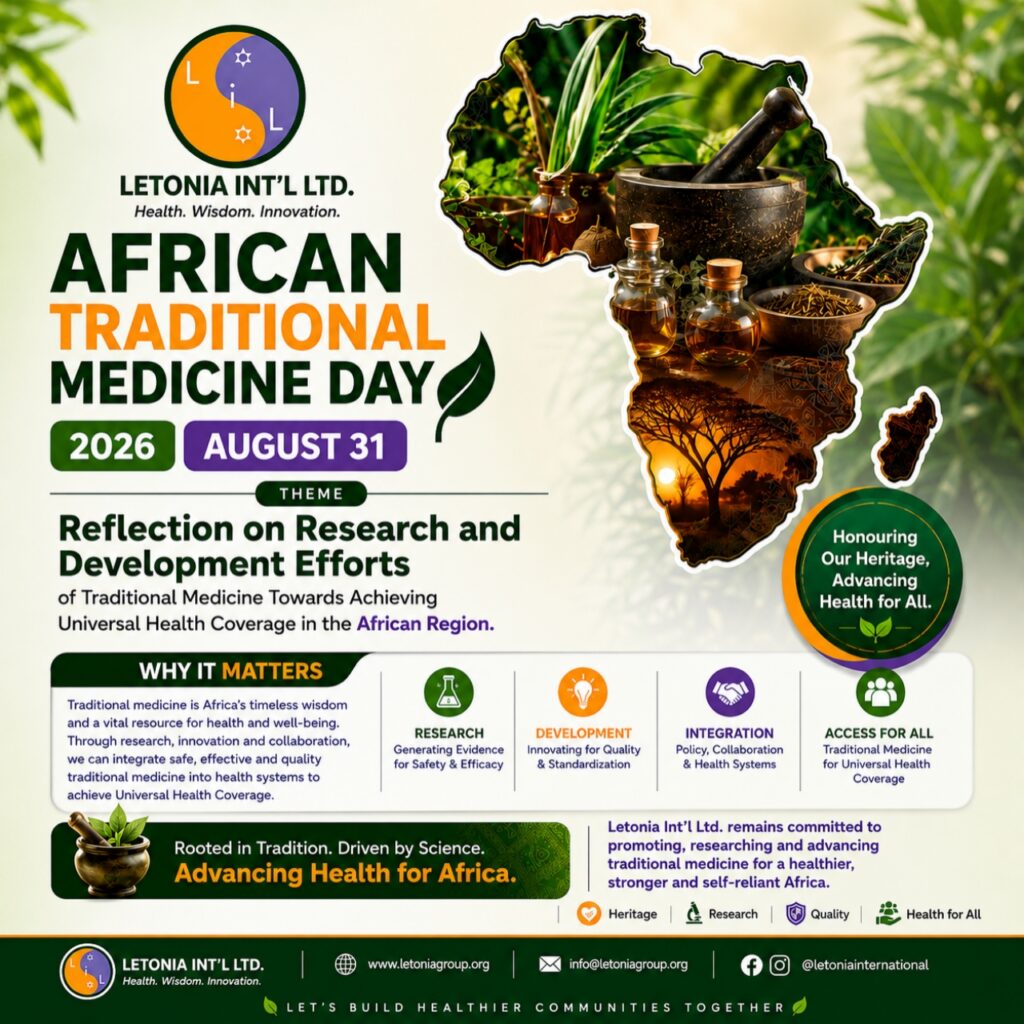
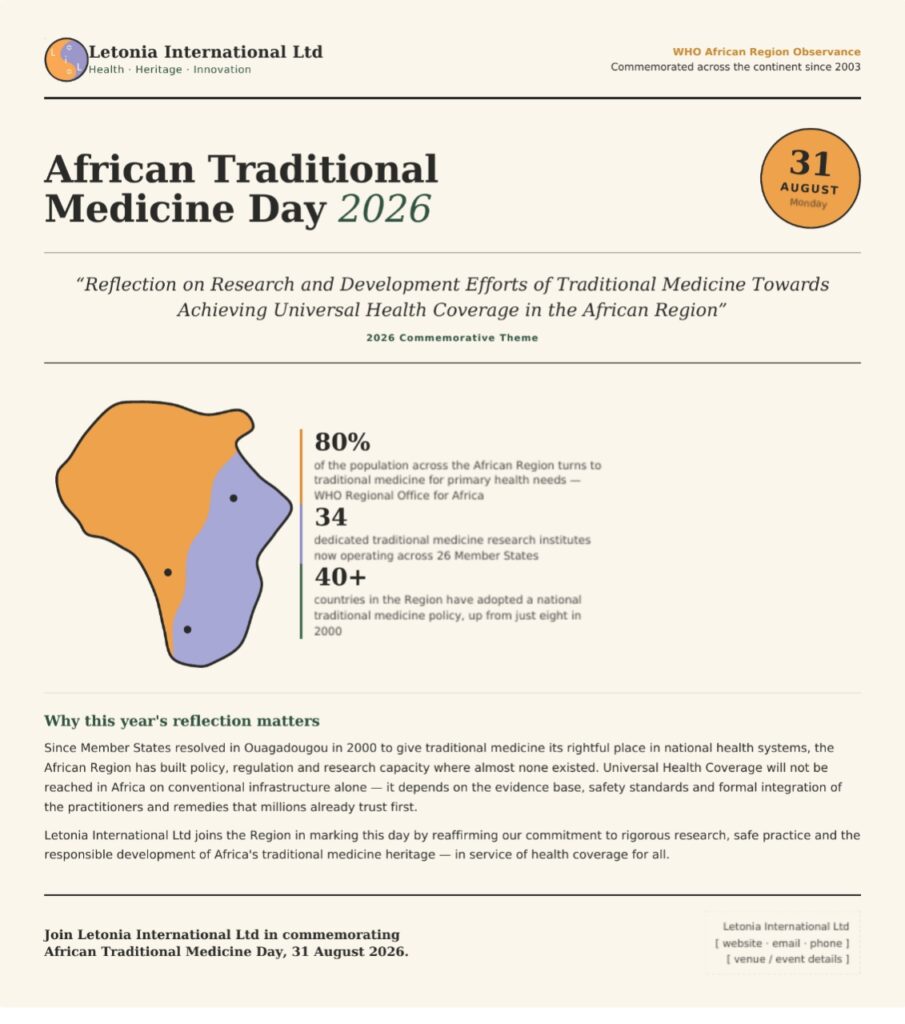
Every year on August 31, the African Region commemorates African Traditional Medicine Day, providing an opportunity to acknowledge the historical, cultural, scientific and public-health significance of traditional medicine across the continent.
The 2026 theme, “Reflection on Research and Development Efforts of Traditional Medicine Towards Achieving Universal Health Coverage in the African Region,” is particularly timely. It challenges Africa to move beyond simply acknowledging traditional medicine as part of its cultural heritage and to critically examine how research, innovation, regulation and responsible integration can transform its potential into measurable health benefits.
Traditional medicine remains an important component of healthcare in many African communities. The World Health Organization (WHO) recognises that traditional, complementary and integrative medicine is used by millions of people globally and can contribute to health and wellbeing when appropriately regulated and supported by evidence.
In Africa, traditional medicine is particularly relevant because healthcare access remains uneven. Distance to health facilities, cost, shortages of health workers, inadequate infrastructure and cultural preferences influence where and how people seek care.
Consequently, the central question should no longer be whether traditional medicine has a place in African healthcare. It already occupies one.
The more important questions are: What works? What does not work? What is safe? What is effective? How should quality be assured? What traditional practices can be scientifically validated? How can promising medicinal resources be developed into standardised health products? And how can proven interventions contribute appropriately to Universal Health Coverage (UHC)?
These are fundamentally questions of research and development (R&D).
Traditional Medicine and Africa's Public-Health Reality
Africa continues to confront a complex combination of communicable and non-communicable diseases, maternal and child health challenges, nutritional disorders, emerging infections and increasing demands associated with ageing and chronic disease.
At the same time, health systems in many countries face persistent constraints involving financing, infrastructure, human resources, medicine availability and equitable access.
Traditional medicine has consequently remained an accessible source of healthcare for many communities.
Its importance derives partly from its proximity, affordability, cultural acceptability and community embeddedness. Traditional health practitioners are often members of the communities they serve and may be consulted before, alongside or instead of conventional healthcare providers.
This reality creates both an opportunity and a responsibility.
Ignoring traditional medicine does not make its use disappear. Instead, it can create a parallel system operating with inadequate documentation, inconsistent quality assurance and insufficient safety surveillance.
Public health therefore requires an evidence-informed approach.
Traditional medicine should neither be romanticised nor dismissed. Its practices and products should be evaluated according to the same fundamental public-health principles that apply to other health interventions: quality, safety, efficacy, effectiveness, affordability, equity and appropriateness.
From Indigenous Knowledge to Scientific Evidence
Africa possesses an extraordinary body of indigenous knowledge concerning medicinal plants, foods, therapeutic practices and approaches to health and wellbeing.
This knowledge represents an important intellectual and cultural resource.
However, traditional knowledge is vulnerable to loss. As generations change and traditional knowledge holders age, valuable information can disappear unless systematically documented and preserved.
Documentation should therefore form an important part of African traditional medicine research.
But documentation should not become exploitation.
Indigenous communities and traditional knowledge holders should be recognised as stakeholders and partners. Research involving indigenous knowledge should observe ethical requirements concerning prior informed consent, intellectual property, ownership, confidentiality where appropriate and equitable benefit-sharing.
Scientific research can subsequently investigate promising traditional practices using appropriate methodologies.
This may include ethnobotanical research, phytochemical analysis, pharmacological investigation, toxicological assessment, formulation development, preclinical studies and clinical trials.
 Importantly, traditional use is evidence of historical experience, but it is not by itself conclusive evidence of clinical efficacy or safety.
Equally, a lack of modern clinical research should not automatically be interpreted as evidence that every traditional intervention is ineffective.
The appropriate response is to conduct rigorous research.
Evidence should be generated rather than assumed.
Research and Development as a Bridge Between Knowledge Systems
The traditional-versus-modern medicine debate is often presented as though Africa must choose one system over the other.
This is an unnecessarily polarising approach.
Science does not require the rejection of indigenous knowledge. Rather, indigenous knowledge can generate hypotheses that science can investigate.
Traditional knowledge may point researchers toward a medicinal plant, preparation or therapeutic practice. Modern scientific techniques can then investigate its chemical constituents, mechanisms of action, toxicity, pharmacokinetics and potential therapeutic value.
This creates a potentially productive relationship between indigenous knowledge and contemporary science.
Such collaboration could involve traditional health practitioners, physicians, pharmacists, pharmacologists, botanists, chemists, public-health scientists, epidemiologists, anthropologists and pharmaceutical researchers.
The objective should be neither to replace traditional knowledge with biomedical science nor to accept traditional claims without scrutiny.
The objective should be evidence-informed integration and innovation.
Medicinal Plants and Pharmaceutical Innovation
Africa's biodiversity represents one of its potentially important scientific and economic assets.
Medicinal plants have historically provided compounds that have contributed to modern therapeutics. The scientific investigation of natural products has led to important medicines, demonstrating that nature can provide valuable starting points for pharmaceutical discovery.
However, the journey from a medicinal plant to a reliable therapeutic product is complex.
A plant traditionally used for a particular condition may contain numerous chemical constituents. Its composition may vary according to species, geographical location, soil conditions, climate, season, harvesting method, processing and storage.
Therefore, a credible medicinal product requires attention to identity, purity, potency, dosage, contaminants, stability, reproducibility and manufacturing quality.
This is why standardisation is indispensable.
Africa should seek to develop a stronger pipeline through which promising traditional medicinal resources can progress from ethnobotanical observation to laboratory investigation, formulation development, clinical evaluation, regulatory assessment and, where justified by evidence, responsible commercialisation.
This could contribute not only to healthcare but also to local pharmaceutical manufacturing, employment, scientific capacity and economic development.
 Clinical Research: The Critical Missing Link
One of the major challenges facing traditional medicine is the limited availability of high-quality clinical evidence for many interventions.
Laboratory findings are important, but laboratory activity does not automatically translate into clinical effectiveness.
An extract may demonstrate biological activity in vitro without producing a meaningful therapeutic effect in humans. Conversely, a complex traditional preparation may have effects that require more sophisticated research designs to understand.
Clinical research is therefore essential.
Appropriately designed studies can investigate:
- efficacy and effectiveness;
- dosage and treatment duration;
- adverse effects;
- drug-herb interactions;
- contraindications;
- vulnerable populations;
- long-term safety; and
- real-world effectiveness.
Africa should strengthen its capacity to conduct such research within African populations and according to African health priorities.
Research questions should reflect the continent's actual disease burden and healthcare needs rather than being driven exclusively by external commercial interests.
Safety Must Remain Non-Negotiable
A scientifically responsible approach to traditional medicine must place patient safety at the centre.
The assumption that something is safe because it is “natural” is scientifically incorrect.
Medicinal plants contain pharmacologically active compounds. Those compounds may produce beneficial effects, adverse effects or both.
Traditional medicinal products may also be affected by problems involving incorrect plant identification, contamination, adulteration, inappropriate preparation, variable dosage or unsafe storage.
Potential interactions between herbal medicines and pharmaceutical drugs are another important concern, particularly among patients who use multiple healthcare systems simultaneously.
For this reason, Africa needs stronger systems for:
quality assurance, adverse-event reporting, pharmacovigilance, laboratory testing, product surveillance and practitioner regulation.
Scientific research must therefore investigate risks as carefully as it investigates benefits.
The purpose of science is not to prove a predetermined position. It is to establish what is true—or most strongly supported by evidence—and to identify the circumstances under which an intervention can be used safely and effectively.
 Regulation and Responsible Integration
Research cannot deliver public-health benefits without effective regulation.
African countries have made progress in developing national policies and regulatory frameworks for traditional medicine, but considerable differences remain in areas such as practitioner registration, product standards, manufacturing, quality control, therapeutic claims and pharmacovigilance.
Effective regulation should protect the public while creating an environment in which responsible innovation can flourish.
Traditional health practitioners should receive appropriate recognition, training and regulatory oversight. Manufacturers should meet quality requirements. Products should be appropriately labelled, and therapeutic claims should correspond to available evidence.
Regulatory authorities must also address misleading claims.
No traditional or conventional medicine should be promoted as a universal cure for every disease. Such claims can delay appropriate treatment, expose vulnerable people to harm and undermine legitimate research.
Good regulation is therefore not an obstacle to traditional medicine; it is a prerequisite for its sustainable development.
Traditional Medicine and Universal Health Coverage
Universal Health Coverage seeks to ensure that everyone can access the health services they need without financial hardship.
Traditional medicine can potentially contribute to UHC through accessibility, affordability, cultural acceptability and community participation.
But integration into UHC must be evidence-informed.
It does not mean that every traditional therapy should automatically become part of national health services. Nor does it mean that conventional medicine should be displaced.
Rather, interventions that demonstrate appropriate evidence of safety, efficacy, effectiveness and quality should be considered for appropriate roles within health systems.
Integration should also include appropriate referral pathways.
Traditional practitioners who encounter conditions requiring emergency or specialised medical intervention should be able to refer patients promptly. Likewise, conventional health professionals should be sufficiently knowledgeable about traditional medicine use to communicate effectively with patients and identify possible interactions or risks.
The guiding principle must remain:
The patient comes first.
 Building African Research Capacity
If Africa is serious about harnessing traditional medicine for UHC, investment in research capacity is essential.
This includes laboratories, clinical research facilities, analytical technologies, pharmaceutical-development capacity, regulatory science and appropriately trained researchers.
Universities and research institutions should encourage interdisciplinary programmes linking:
pharmacognosy, pharmacy, medicine, public health, pharmacology, toxicology, botany, chemistry, biotechnology, epidemiology, anthropology, health economics and health policy.
Young African scientists should be encouraged to investigate indigenous medicinal resources using contemporary scientific technologies.
This is more than a health investment.
It is also an investment in African scientific sovereignty.
Africa should increasingly become a producer of knowledge and health technologies rather than primarily a consumer of technologies developed elsewhere.
The Economic and Developmental Opportunity
Traditional medicine research also has an economic dimension.
Africa possesses substantial biological resources and indigenous knowledge but remains heavily dependent on imported medicines and pharmaceutical products.
Developing scientifically validated traditional medicine products could strengthen local value chains involving:
cultivation → sustainable harvesting → processing → extraction → formulation → quality assurance → manufacturing → distribution.
This could generate employment and support local industries.
However, commercialisation must be balanced with environmental sustainability.
Unsustainable harvesting can threaten medicinal plant populations and biodiversity. Conservation, therefore, must become an integral component of traditional medicine development.
Africa should invest in cultivation and sustainable production systems rather than relying exclusively on uncontrolled harvesting from the wild.
Protecting Indigenous Knowledge
As traditional medicine becomes increasingly commercialised and scientifically investigated, questions of ownership and benefit-sharing become more important.
Indigenous communities should not simply provide knowledge while external researchers or corporations capture the resulting economic benefits.
Research partnerships should incorporate mechanisms for recognition, consent, intellectual-property protection and equitable benefit-sharing.
The Nagoya Protocol on Access and Benefit-sharing provides an important international framework for addressing access to genetic resources and the fair and equitable sharing of benefits arising from their utilisation.
Protecting indigenous knowledge is therefore not only an ethical responsibility; it can also encourage communities to participate actively in conservation, documentation and research.
Digital Technology and the Future
Digital technology offers additional opportunities.
African countries can develop digital repositories for medicinal plants and traditional knowledge, subject to appropriate safeguards. Artificial intelligence and computational approaches can support natural-product discovery and chemical analysis. Digital platforms can assist with practitioner education, research collaboration and pharmacovigilance.
However, technology must complement rather than replace scientific validation.
No algorithm can substitute for appropriate clinical evidence, ethical review, quality control and regulatory oversight.
A New African Research Agenda
The 2026 theme should stimulate a renewed African research agenda built around priority health needs.
Key priorities should include:
1. Systematic documentation and preservation of indigenous medical knowledge.
2. Scientific investigation of promising medicinal plants and traditional practices.
3. Standardisation and quality assurance of traditional medicine products.
4. Rigorous preclinical and clinical research.
5. Strengthening pharmacovigilance and safety surveillance.
6. Harmonisation of appropriate regulatory standards across countries.
7. Protection of indigenous knowledge and equitable benefit-sharing.
8. Sustainable cultivation and conservation of medicinal resources.
9. Development of African research and manufacturing capacity.
10. Health-economic research on affordability and cost-effectiveness.
11. Implementation research on responsible health-system integration.
12. Strengthened regional and international research collaboration.
Above all, research must progress beyond publication to translation.
A discovery that remains confined to a laboratory or academic journal has limited population-health impact.
Discovery must lead to translation, and translation must ultimately lead to improved health outcomes.
From Celebration to Transformation
African Traditional Medicine Day should therefore be more than an annual ceremonial event.
It should become an opportunity for reflection, accountability and action.
Africa should ask:
How much is being invested in traditional medicine research?
How many promising discoveries have progressed from laboratory research to clinical evaluation?
How many traditional medicine products meet appropriate quality standards?
How effective are pharmacovigilance systems?
How much indigenous knowledge is being systematically preserved?
How much value is Africa capturing from its own medicinal biodiversity?
And perhaps most importantly:
How much of this research is actually improving the health and wellbeing of African populations?
These questions matter because the ultimate measure of research is not the number of papers published, but the knowledge generated, innovations developed, lives improved and inequalities reduced.
 Conclusion
The 2026 African Traditional Medicine Day theme, “Reflection on Research and Development Efforts of Traditional Medicine Towards Achieving Universal Health Coverage in the African Region,” provides Africa with an opportunity to rethink the place of traditional medicine in contemporary healthcare.
Africa cannot afford to ignore credible opportunities to improve access to safe, effective, affordable and culturally acceptable healthcare.
Traditional medicine represents one such opportunity—but its future must be guided by evidence rather than sentiment; science rather than speculation; regulation rather than unrestrained commercialisation; sustainability rather than exploitation; and partnership rather than polarisation.
The objective should not be to prove that traditional medicine is superior to conventional medicine, nor to establish that conventional medicine is inherently superior to traditional medicine.
The objective should be to determine, through rigorous research and responsible public-health practice, what works, what is safe, what is affordable, what is culturally appropriate and how proven interventions can contribute to better health outcomes.
Africa possesses an extraordinary inheritance of indigenous medical knowledge and biological resources.
The responsibility of the present generation is to ensure that this inheritance is neither lost through neglect nor exploited through irresponsible commercialisation.
It should be documented, scientifically investigated, validated where appropriate, standardised, regulated, sustainably developed and translated into health solutions that serve humanity.
Universal Health Coverage requires health systems capable of combining access, quality, affordability, safety, equity and innovation.
Traditional medicine can contribute to that vision—but only through a deliberate commitment to research, development, responsible integration and continuous evaluation.
As Africa commemorates African Traditional Medicine Day 2026, the message should therefore be unequivocal:
Africa must not merely preserve its traditional medicine heritage. It must research it, validate it, regulate it, innovate through it and responsibly harness its proven potential for the health and wellbeing of present and future generations.
Happy African Traditional Medicine Day 2026!
PS: Dr. Emereonye could be reached on: +234 803 3922 445
 REFERENCES
1. World Health Organization (WHO). WHO Traditional Medicine Strategy: 2014–2023. Geneva: World Health Organization; 2013.
https://www.who.int/publications/i/item/9789241506096
2. World Health Organization (WHO). Global Traditional Medicine Strategy 2025–2034. Geneva: World Health Organization; 2025.
https://www.who.int/publications/i/item/9789240117137
3. World Health Organization Regional Office for Africa. Traditional Medicine Strategy 2013–2023. Brazzaville: WHO Regional Office for Africa.
https://www.afro.who.int/publications/regional-strategy-traditional-medicine-2013-2023
4. World Health Organization. WHO Global Report on Traditional and Complementary Medicine 2019. Geneva: World Health Organization; 2019.
https://www.who.int/publications/i/item/978924151536
5. World Health Organization. Traditional Medicine. WHO Fact Sheet. Geneva: World Health Organization.
https://www.who.int/news-room/questions-and-answers/item/traditional-medicine
6. World Health Organization. Universal Health Coverage (UHC). Geneva: World Health Organization.
https://www.who.int/health-topics/universal-health-coverage
7. World Health Organization Regional Office for Africa. The State of Health in the African Region. Brazzaville: WHO Regional Office for Africa.
https://www.afro.who.int/
8. World Health Organization. WHO Guidelines on Good Agricultural and Collection Practices (GACP) for Medicinal Plants. Geneva: World Health Organization; 2003.
https://www.who.int/publications/i/item/9241546271
9. World Health Organization. WHO Guidelines for Assessing Quality of Herbal Medicines with Reference to Contaminants and Residues. Geneva: World Health Organization; 2007.
https://www.who.int/publications/i/item/9789241594448
10. United Nations. Convention on Biological Diversity: Nagoya Protocol on Access to Genetic Resources and the Fair and Equitable Sharing of Benefits Arising from their Utilization. Montreal: Secretariat of the Convention on Biological Diversity; 2011.
https://www.cbd.int/abs/
11. Petrovska BB. Historical review of medicinal plants' usage. Pharmacognosy Reviews. 2012;6(11):1–5.
https://doi.org/10.4103/0973-7847.95849
12. Fabricant DS, Farnsworth NR. The value of plants used in traditional medicine for drug discovery. Environmental Health Perspectives. 2001;109(Suppl 1):69–75.
https://doi.org/10.1289/ehp.01109s169
13. Calixto JB. Twenty-five years of research on medicinal plants in Latin America: a personal view. Journal of Ethnopharmacology. 2005;100(1–2):131–134.https://doi.org/10.1016/j.jep.2005.06.004
14. World Health Organization. WHO Guidelines for the Assessment of Herbal Medicines. Geneva: World Health Organization.
https://www.who.int/
15. United Nations. Transforming our World: The 2030 Agenda for Sustainable Development. New York: United Nations; 2015. https://sdgs.un.org/2030agenda
Introduction
Every year on August 31, the African Region commemorates African Traditional Medicine Day, providing an opportunity to acknowledge the historical, cultural, scientific and public-health significance of traditional medicine across the continent.
The 2026 theme, “Reflection on Research and Development Efforts of Traditional Medicine Towards Achieving Universal Health Coverage in the African Region,” is particularly timely. It challenges Africa to move beyond simply acknowledging traditional medicine as part of its cultural heritage and to critically examine how research, innovation, regulation and responsible integration can transform its potential into measurable health benefits.
Traditional medicine remains an important component of healthcare in many African communities. The World Health Organization (WHO) recognises that traditional, complementary and integrative medicine is used by millions of people globally and can contribute to health and wellbeing when appropriately regulated and supported by evidence.
In Africa, traditional medicine is particularly relevant because healthcare access remains uneven. Distance to health facilities, cost, shortages of health workers, inadequate infrastructure and cultural preferences influence where and how people seek care.
Consequently, the central question should no longer be whether traditional medicine has a place in African healthcare. It already occupies one.
The more important questions are: What works? What does not work? What is safe? What is effective? How should quality be assured? What traditional practices can be scientifically validated? How can promising medicinal resources be developed into standardised health products? And how can proven interventions contribute appropriately to Universal Health Coverage (UHC)?
These are fundamentally questions of research and development (R&D).
Traditional Medicine and Africa's Public-Health Reality
Africa continues to confront a complex combination of communicable and non-communicable diseases, maternal and child health challenges, nutritional disorders, emerging infections and increasing demands associated with ageing and chronic disease.
At the same time, health systems in many countries face persistent constraints involving financing, infrastructure, human resources, medicine availability and equitable access.
Traditional medicine has consequently remained an accessible source of healthcare for many communities.
Its importance derives partly from its proximity, affordability, cultural acceptability and community embeddedness. Traditional health practitioners are often members of the communities they serve and may be consulted before, alongside or instead of conventional healthcare providers.
This reality creates both an opportunity and a responsibility.
Ignoring traditional medicine does not make its use disappear. Instead, it can create a parallel system operating with inadequate documentation, inconsistent quality assurance and insufficient safety surveillance.
Public health therefore requires an evidence-informed approach.
Traditional medicine should neither be romanticised nor dismissed. Its practices and products should be evaluated according to the same fundamental public-health principles that apply to other health interventions: quality, safety, efficacy, effectiveness, affordability, equity and appropriateness.
From Indigenous Knowledge to Scientific Evidence
Africa possesses an extraordinary body of indigenous knowledge concerning medicinal plants, foods, therapeutic practices and approaches to health and wellbeing.
This knowledge represents an important intellectual and cultural resource.
However, traditional knowledge is vulnerable to loss. As generations change and traditional knowledge holders age, valuable information can disappear unless systematically documented and preserved.
Documentation should therefore form an important part of African traditional medicine research.
But documentation should not become exploitation.
Indigenous communities and traditional knowledge holders should be recognised as stakeholders and partners. Research involving indigenous knowledge should observe ethical requirements concerning prior informed consent, intellectual property, ownership, confidentiality where appropriate and equitable benefit-sharing.
Scientific research can subsequently investigate promising traditional practices using appropriate methodologies.
This may include ethnobotanical research, phytochemical analysis, pharmacological investigation, toxicological assessment, formulation development, preclinical studies and clinical trials.
Importantly, traditional use is evidence of historical experience, but it is not by itself conclusive evidence of clinical efficacy or safety.
Equally, a lack of modern clinical research should not automatically be interpreted as evidence that every traditional intervention is ineffective.
The appropriate response is to conduct rigorous research.
Evidence should be generated rather than assumed.
Research and Development as a Bridge Between Knowledge Systems
The traditional-versus-modern medicine debate is often presented as though Africa must choose one system over the other.
This is an unnecessarily polarising approach.
Science does not require the rejection of indigenous knowledge. Rather, indigenous knowledge can generate hypotheses that science can investigate.
Traditional knowledge may point researchers toward a medicinal plant, preparation or therapeutic practice. Modern scientific techniques can then investigate its chemical constituents, mechanisms of action, toxicity, pharmacokinetics and potential therapeutic value.
This creates a potentially productive relationship between indigenous knowledge and contemporary science.
Such collaboration could involve traditional health practitioners, physicians, pharmacists, pharmacologists, botanists, chemists, public-health scientists, epidemiologists, anthropologists and pharmaceutical researchers.
The objective should be neither to replace traditional knowledge with biomedical science nor to accept traditional claims without scrutiny.
The objective should be evidence-informed integration and innovation.
Medicinal Plants and Pharmaceutical Innovation
Africa's biodiversity represents one of its potentially important scientific and economic assets.
Medicinal plants have historically provided compounds that have contributed to modern therapeutics. The scientific investigation of natural products has led to important medicines, demonstrating that nature can provide valuable starting points for pharmaceutical discovery.
However, the journey from a medicinal plant to a reliable therapeutic product is complex.
A plant traditionally used for a particular condition may contain numerous chemical constituents. Its composition may vary according to species, geographical location, soil conditions, climate, season, harvesting method, processing and storage.
Therefore, a credible medicinal product requires attention to identity, purity, potency, dosage, contaminants, stability, reproducibility and manufacturing quality.
This is why standardisation is indispensable.
Africa should seek to develop a stronger pipeline through which promising traditional medicinal resources can progress from ethnobotanical observation to laboratory investigation, formulation development, clinical evaluation, regulatory assessment and, where justified by evidence, responsible commercialisation.
This could contribute not only to healthcare but also to local pharmaceutical manufacturing, employment, scientific capacity and economic development.
Clinical Research: The Critical Missing Link
One of the major challenges facing traditional medicine is the limited availability of high-quality clinical evidence for many interventions.
Laboratory findings are important, but laboratory activity does not automatically translate into clinical effectiveness.
An extract may demonstrate biological activity in vitro without producing a meaningful therapeutic effect in humans. Conversely, a complex traditional preparation may have effects that require more sophisticated research designs to understand.
Clinical research is therefore essential.
Appropriately designed studies can investigate:
- efficacy and effectiveness;
- dosage and treatment duration;
- adverse effects;
- drug-herb interactions;
- contraindications;
- vulnerable populations;
- long-term safety; and
- real-world effectiveness.
Africa should strengthen its capacity to conduct such research within African populations and according to African health priorities.
Research questions should reflect the continent's actual disease burden and healthcare needs rather than being driven exclusively by external commercial interests.
Safety Must Remain Non-Negotiable
A scientifically responsible approach to traditional medicine must place patient safety at the centre.
The assumption that something is safe because it is “natural” is scientifically incorrect.
Medicinal plants contain pharmacologically active compounds. Those compounds may produce beneficial effects, adverse effects or both.
Traditional medicinal products may also be affected by problems involving incorrect plant identification, contamination, adulteration, inappropriate preparation, variable dosage or unsafe storage.
Potential interactions between herbal medicines and pharmaceutical drugs are another important concern, particularly among patients who use multiple healthcare systems simultaneously.
For this reason, Africa needs stronger systems for:
quality assurance, adverse-event reporting, pharmacovigilance, laboratory testing, product surveillance and practitioner regulation.
Scientific research must therefore investigate risks as carefully as it investigates benefits.
The purpose of science is not to prove a predetermined position. It is to establish what is true—or most strongly supported by evidence—and to identify the circumstances under which an intervention can be used safely and effectively.
Regulation and Responsible Integration
Research cannot deliver public-health benefits without effective regulation.
African countries have made progress in developing national policies and regulatory frameworks for traditional medicine, but considerable differences remain in areas such as practitioner registration, product standards, manufacturing, quality control, therapeutic claims and pharmacovigilance.
Effective regulation should protect the public while creating an environment in which responsible innovation can flourish.
Traditional health practitioners should receive appropriate recognition, training and regulatory oversight. Manufacturers should meet quality requirements. Products should be appropriately labelled, and therapeutic claims should correspond to available evidence.
Regulatory authorities must also address misleading claims.
No traditional or conventional medicine should be promoted as a universal cure for every disease. Such claims can delay appropriate treatment, expose vulnerable people to harm and undermine legitimate research.
Good regulation is therefore not an obstacle to traditional medicine; it is a prerequisite for its sustainable development.
Traditional Medicine and Universal Health Coverage
Universal Health Coverage seeks to ensure that everyone can access the health services they need without financial hardship.
Traditional medicine can potentially contribute to UHC through accessibility, affordability, cultural acceptability and community participation.
But integration into UHC must be evidence-informed.
It does not mean that every traditional therapy should automatically become part of national health services. Nor does it mean that conventional medicine should be displaced.
Rather, interventions that demonstrate appropriate evidence of safety, efficacy, effectiveness and quality should be considered for appropriate roles within health systems.
Integration should also include appropriate referral pathways.
Traditional practitioners who encounter conditions requiring emergency or specialised medical intervention should be able to refer patients promptly. Likewise, conventional health professionals should be sufficiently knowledgeable about traditional medicine use to communicate effectively with patients and identify possible interactions or risks.
The guiding principle must remain:
The patient comes first.
Building African Research Capacity
If Africa is serious about harnessing traditional medicine for UHC, investment in research capacity is essential.
This includes laboratories, clinical research facilities, analytical technologies, pharmaceutical-development capacity, regulatory science and appropriately trained researchers.
Universities and research institutions should encourage interdisciplinary programmes linking:
pharmacognosy, pharmacy, medicine, public health, pharmacology, toxicology, botany, chemistry, biotechnology, epidemiology, anthropology, health economics and health policy.
Young African scientists should be encouraged to investigate indigenous medicinal resources using contemporary scientific technologies.
This is more than a health investment.
It is also an investment in African scientific sovereignty.
Africa should increasingly become a producer of knowledge and health technologies rather than primarily a consumer of technologies developed elsewhere.
The Economic and Developmental Opportunity
Traditional medicine research also has an economic dimension.
Africa possesses substantial biological resources and indigenous knowledge but remains heavily dependent on imported medicines and pharmaceutical products.
Developing scientifically validated traditional medicine products could strengthen local value chains involving:
cultivation → sustainable harvesting → processing → extraction → formulation → quality assurance → manufacturing → distribution.
This could generate employment and support local industries.
However, commercialisation must be balanced with environmental sustainability.
Unsustainable harvesting can threaten medicinal plant populations and biodiversity. Conservation, therefore, must become an integral component of traditional medicine development.
Africa should invest in cultivation and sustainable production systems rather than relying exclusively on uncontrolled harvesting from the wild.
Protecting Indigenous Knowledge
As traditional medicine becomes increasingly commercialised and scientifically investigated, questions of ownership and benefit-sharing become more important.
Indigenous communities should not simply provide knowledge while external researchers or corporations capture the resulting economic benefits.
Research partnerships should incorporate mechanisms for recognition, consent, intellectual-property protection and equitable benefit-sharing.
The Nagoya Protocol on Access and Benefit-sharing provides an important international framework for addressing access to genetic resources and the fair and equitable sharing of benefits arising from their utilisation.
Protecting indigenous knowledge is therefore not only an ethical responsibility; it can also encourage communities to participate actively in conservation, documentation and research.
Digital Technology and the Future
Digital technology offers additional opportunities.
African countries can develop digital repositories for medicinal plants and traditional knowledge, subject to appropriate safeguards. Artificial intelligence and computational approaches can support natural-product discovery and chemical analysis. Digital platforms can assist with practitioner education, research collaboration and pharmacovigilance.
However, technology must complement rather than replace scientific validation.
No algorithm can substitute for appropriate clinical evidence, ethical review, quality control and regulatory oversight.
A New African Research Agenda
The 2026 theme should stimulate a renewed African research agenda built around priority health needs.
Key priorities should include:
1. Systematic documentation and preservation of indigenous medical knowledge.
2. Scientific investigation of promising medicinal plants and traditional practices.
3. Standardisation and quality assurance of traditional medicine products.
4. Rigorous preclinical and clinical research.
5. Strengthening pharmacovigilance and safety surveillance.
6. Harmonisation of appropriate regulatory standards across countries.
7. Protection of indigenous knowledge and equitable benefit-sharing.
8. Sustainable cultivation and conservation of medicinal resources.
9. Development of African research and manufacturing capacity.
10. Health-economic research on affordability and cost-effectiveness.
11. Implementation research on responsible health-system integration.
12. Strengthened regional and international research collaboration.
Above all, research must progress beyond publication to translation.
A discovery that remains confined to a laboratory or academic journal has limited population-health impact.
Discovery must lead to translation, and translation must ultimately lead to improved health outcomes.
From Celebration to Transformation
African Traditional Medicine Day should therefore be more than an annual ceremonial event.
It should become an opportunity for reflection, accountability and action.
Africa should ask:
How much is being invested in traditional medicine research?
How many promising discoveries have progressed from laboratory research to clinical evaluation?
How many traditional medicine products meet appropriate quality standards?
How effective are pharmacovigilance systems?
How much indigenous knowledge is being systematically preserved?
How much value is Africa capturing from its own medicinal biodiversity?
And perhaps most importantly:
How much of this research is actually improving the health and wellbeing of African populations?
These questions matter because the ultimate measure of research is not the number of papers published, but the knowledge generated, innovations developed, lives improved and inequalities reduced.
Conclusion
The 2026 African Traditional Medicine Day theme, “Reflection on Research and Development Efforts of Traditional Medicine Towards Achieving Universal Health Coverage in the African Region,” provides Africa with an opportunity to rethink the place of traditional medicine in contemporary healthcare.
Africa cannot afford to ignore credible opportunities to improve access to safe, effective, affordable and culturally acceptable healthcare.
Traditional medicine represents one such opportunity—but its future must be guided by evidence rather than sentiment; science rather than speculation; regulation rather than unrestrained commercialisation; sustainability rather than exploitation; and partnership rather than polarisation.
The objective should not be to prove that traditional medicine is superior to conventional medicine, nor to establish that conventional medicine is inherently superior to traditional medicine.
The objective should be to determine, through rigorous research and responsible public-health practice, what works, what is safe, what is affordable, what is culturally appropriate and how proven interventions can contribute to better health outcomes.
Africa possesses an extraordinary inheritance of indigenous medical knowledge and biological resources.
The responsibility of the present generation is to ensure that this inheritance is neither lost through neglect nor exploited through irresponsible commercialisation.
It should be documented, scientifically investigated, validated where appropriate, standardised, regulated, sustainably developed and translated into health solutions that serve humanity.
Universal Health Coverage requires health systems capable of combining access, quality, affordability, safety, equity and innovation.
Traditional medicine can contribute to that vision—but only through a deliberate commitment to research, development, responsible integration and continuous evaluation.
As Africa commemorates African Traditional Medicine Day 2026, the message should therefore be unequivocal:
Africa must not merely preserve its traditional medicine heritage. It must research it, validate it, regulate it, innovate through it and responsibly harness its proven potential for the health and wellbeing of present and future generations.
Happy African Traditional Medicine Day 2026!
PS: Dr. Emereonye could be reached on: +234 803 3922 445
REFERENCES
1. World Health Organization (WHO). WHO Traditional Medicine Strategy: 2014–2023. Geneva: World Health Organization; 2013.
https://www.who.int/publications/i/item/9789241506096
2. World Health Organization (WHO). Global Traditional Medicine Strategy 2025–2034. Geneva: World Health Organization; 2025.
https://www.who.int/publications/i/item/9789240117137
3. World Health Organization Regional Office for Africa. Traditional Medicine Strategy 2013–2023. Brazzaville: WHO Regional Office for Africa.
https://www.afro.who.int/publications/regional-strategy-traditional-medicine-2013-2023
4. World Health Organization. WHO Global Report on Traditional and Complementary Medicine 2019. Geneva: World Health Organization; 2019.
https://www.who.int/publications/i/item/978924151536
5. World Health Organization. Traditional Medicine. WHO Fact Sheet. Geneva: World Health Organization.
https://www.who.int/news-room/questions-and-answers/item/traditional-medicine
6. World Health Organization. Universal Health Coverage (UHC). Geneva: World Health Organization.
https://www.who.int/health-topics/universal-health-coverage
7. World Health Organization Regional Office for Africa. The State of Health in the African Region. Brazzaville: WHO Regional Office for Africa.
https://www.afro.who.int/
8. World Health Organization. WHO Guidelines on Good Agricultural and Collection Practices (GACP) for Medicinal Plants. Geneva: World Health Organization; 2003.
https://www.who.int/publications/i/item/9241546271
9. World Health Organization. WHO Guidelines for Assessing Quality of Herbal Medicines with Reference to Contaminants and Residues. Geneva: World Health Organization; 2007.
https://www.who.int/publications/i/item/9789241594448
10. United Nations. Convention on Biological Diversity: Nagoya Protocol on Access to Genetic Resources and the Fair and Equitable Sharing of Benefits Arising from their Utilization. Montreal: Secretariat of the Convention on Biological Diversity; 2011.
https://www.cbd.int/abs/
11. Petrovska BB. Historical review of medicinal plants' usage. Pharmacognosy Reviews. 2012;6(11):1–5.
https://doi.org/10.4103/0973-7847.95849
12. Fabricant DS, Farnsworth NR. The value of plants used in traditional medicine for drug discovery. Environmental Health Perspectives. 2001;109(Suppl 1):69–75.
https://doi.org/10.1289/ehp.01109s169
13. Calixto JB. Twenty-five years of research on medicinal plants in Latin America: a personal view. Journal of Ethnopharmacology. 2005;100(1–2):131–134.https://doi.org/10.1016/j.jep.2005.06.004
14. World Health Organization. WHO Guidelines for the Assessment of Herbal Medicines. Geneva: World Health Organization.
https://www.who.int/
15. United Nations. Transforming our World: The 2030 Agenda for Sustainable Development. New York: United Nations; 2015. https://sdgs.un.org/2030agenda 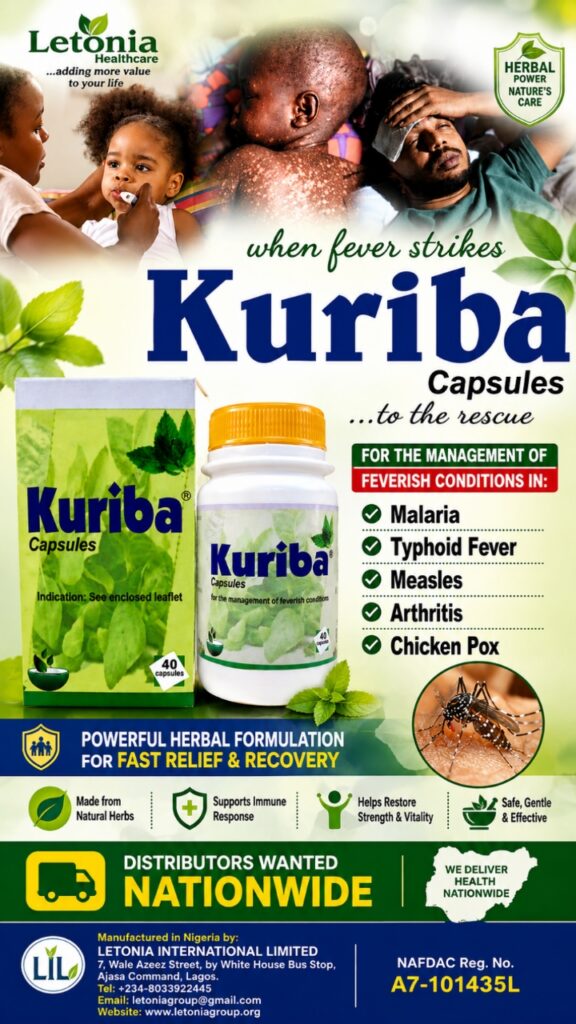 A Modern Herbal Medicinal Product from Letonia International Limited
In an increasingly health-conscious world, interest in herbal medicine continues to grow. Medicinal plants have contributed to healthcare traditions for centuries, and contemporary herbal medicine seeks to combine this botanical heritage with modern principles of formulation, quality control, standardization, manufacturing, and responsible use.
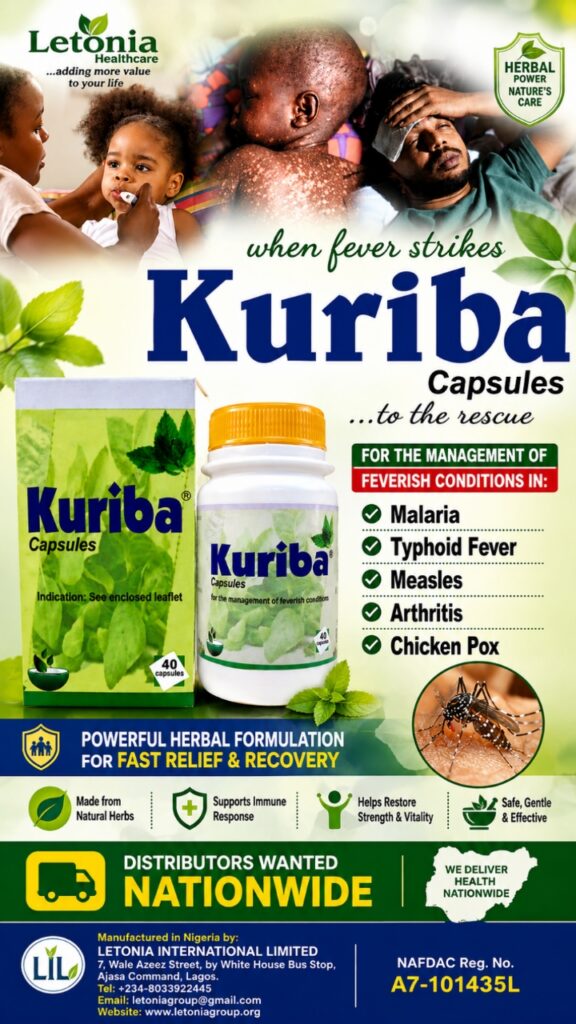
For consumers seeking a professionally packaged herbal medicinal product, Kuriba® Capsules from Letonia International Limited provide a convenient capsule formulation designed for the management of feverish conditions.
Why Herbal Medicinal Products?
The value of herbal medicine lies not simply in the fact that it is derived from plants, but in the quality, identity, consistency, safety, and appropriate use of the finished product.
Professionally formulated herbal medicinal products may offer several advantages:
Plant-derived active constituents:
Herbal medicines utilize bioactive constituents obtained from medicinal plants, many of which have been studied for their pharmacological properties.
Convenient pharmaceutical dosage forms:
Modern herbal medicines can be presented in capsules and other dosage forms, providing greater convenience, portability, and consistency than unprocessed plant materials.
An opportunity to integrate traditional knowledge with modern science:
Contemporary herbal medicine can draw from established traditional knowledge while applying modern approaches to formulation, quality assurance, pharmacology, and safety assessment.
Greater consistency than unprocessed herbal preparations:
A properly manufactured medicinal product offers advantages in identification, formulation, packaging, labeling, and quality control compared with the indiscriminate use of unidentified or poorly prepared herbs.
A complementary option within responsible healthcare:
Evidence-based herbal medicine can form part of an integrative approach to healthcare when the product is appropriately indicated and used alongside professional medical advice where necessary.
Importantly, “natural” does not automatically mean “safe,” and herbal medicines are not inherently free from adverse effects or interactions. Quality, appropriate indication, dosage, contraindications, drug interactions, and professional guidance remain essential.
MEET KURIBA® CAPSULES
“When fever strikes… Kuriba® …to the rescue.”
Kuriba® is a herbal medicinal product manufactured by Letonia International Limited, Nigeria, and presented in a convenient 40-capsule pack.
It is indicated for the management of feverish conditions associated with:
Malaria
Typhoid fever
Measles
Chickenpox
Arthritis, etc
A PROFESSIONAL HERBAL CHOICE
Kuriba® represents an effort to present herbal medicine in a modern pharmaceutical dosage form, combining plant-based medicinal ingredients with convenient capsule administration and professionally packaged presentation.
For consumers, this offers an identifiable, packaged product rather than reliance on unstandardised or improvised herbal preparations.
For healthcare professionals and distributors, it represents an opportunity to participate in the growing market for responsibly manufactured herbal healthcare products.
QUALITY AND RESPONSIBLE USE MATTER
The future of herbal medicine should not be defined by the false choice between “natural” and “orthodox.” The real question is whether a medicinal product is appropriately formulated, adequately characterised, properly manufactured, quality-controlled, appropriately indicated and responsibly used.
This is where professional herbal medicine has an important role to play.
Consumers should obtain herbal medicinal products from reliable sources, follow the approved directions and seek professional medical assessment when symptoms are severe, persistent, unusual or worsening.
In particular, fever can be a symptom of many different conditions, some of which require prompt diagnosis and specific treatment. A herbal product should therefore not be used as a reason to delay appropriate medical evaluation or proven treatment when indicated.
AN OPPORTUNITY FOR DISTRIBUTORS
The demand for accessible healthcare products is creating opportunities throughout Nigeria.
Kuriba® distributors are wanted nationwide.
Pharmacies, healthcare-product distributors, retailers and qualified entrepreneurs interested in expanding their healthcare portfolio can explore distribution opportunities with Letonia International Limited.
WHY JOIN THE KURIBA® DISTRIBUTION NETWORK?
✔ Established Nigerian healthcare company
✔ Professionally packaged herbal medicinal product
✔ Convenient 40-capsule presentation
✔ Nationwide distribution opportunity
✔ Growing consumer interest in herbal healthcare
✔ Product carrying the NAFDAC Registration No. A7-101435L displayed on the supplied flyer
KURIBA® — HERBAL MEDICINE, PRESENTED PROFESSIONALLY
The future of herbal medicine lies in products that go beyond tradition to incorporate science, quality, accountability, and responsible healthcare practices.
Kuriba® Capsules seek to occupy that space: a professionally presented Nigerian herbal medicinal product designed for the management of specified feverish conditions, with distribution opportunities available nationwide.
Know what to do when fever strikes.
Kuriba® capsules
“…to the rescue.”
Manufactured in Nigeria by:
LETONIA INTERNATIONAL LIMITED
7 Wale Azeez Street, by White House Bus Stop,
Ajasa Command, Lagos, Nigeria.
📞 +234-8033922445
📧 letoniagroup@gmail.com
🌐 www.letoniagroup.org
NAFDAC Reg. No.: A7-101435L
DISTRIBUTORS WANTED NATIONWIDE
LETONIA… ADDING MORE VALUE TO YOUR LIFE.
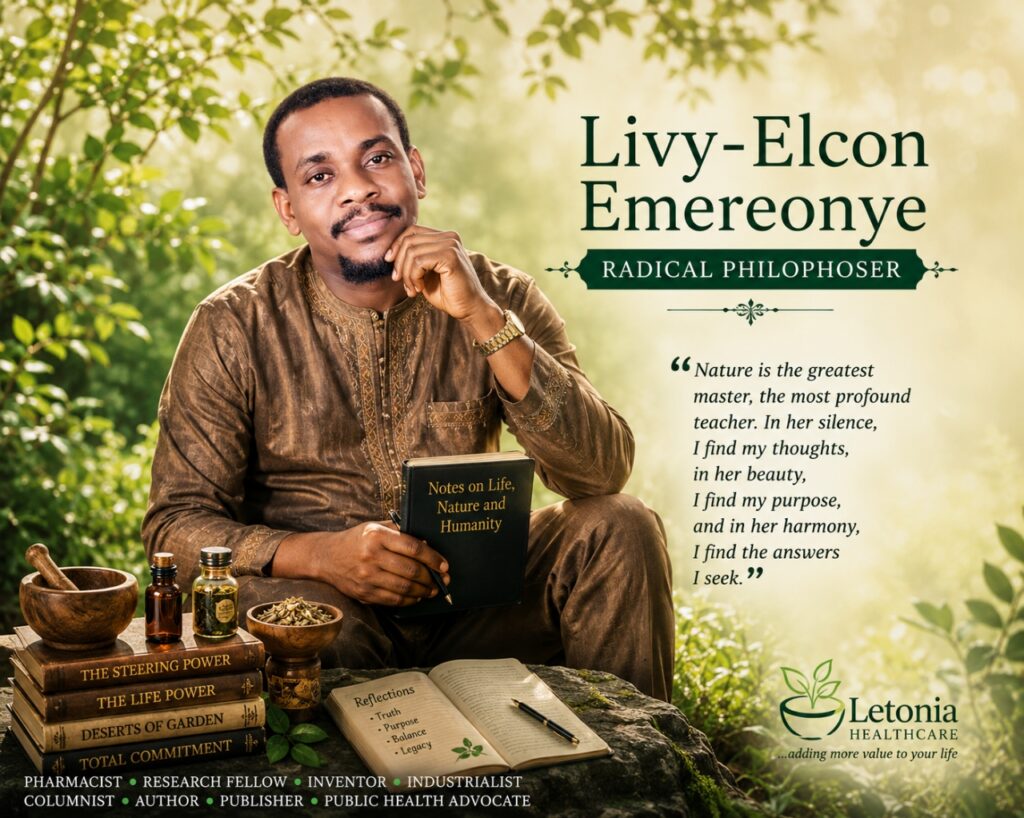 There is an irony that has quietly settled over human civilization like the evening mist over an ancient valley. It is the irony of people who spend the greater part of their lives wrestling over keys while ignoring the opportunity to build the entire house. They quarrel over seats while neglecting the wisdom of manufacturing chairs. They exhaust themselves competing for borrowed influence when destiny has already placed within them the raw materials for creating enduring relevance.
Indeed, it doesn't make sense fighting for a stadium when one can own the community.
The statement sounds mischievous. It provokes a smile before it provokes a thought. Like many timeless proverbs, it arrives dressed in simplicity but carries within it the weight of generations of wisdom. It is satire with a surgical blade. It laughs at our misplaced ambitions while exposing one of the greatest philosophical errors of mankind—the tendency to confuse visibility with value, position with purpose, and applause with accomplishment.
Modern society has perfected the art of celebrating the occupant of the stage while forgetting the architect who designed the theatre. We applaud the footballer who scores the winning goal, yet scarcely remember the entrepreneur who built the stadium, the engineer who designed it, the scientist whose innovations made the floodlights possible, or the farmer whose harvest fed both spectators and players. The crowd naturally looks upward toward the performer, while history quietly bows before the creator.
The tragedy of many lives is not the absence of talent. It is the misdirection of talent. Rivers do not become oceans because they possess more water than every stream; they become oceans because they know where they are going. Direction is often more powerful than speed. A man running in the wrong direction only arrives at irrelevance faster.
How many gifted people spend decades fighting battles they were never designed to fight? How many brilliant minds waste priceless years chasing titles whose glamour evaporates with the ink of a retirement letter? How many extraordinary individuals become ordinary because they measure success by another person's tape?
Nature has always preached a sermon that humanity seldom listens to. The eagle never apologizes because it cannot swim like the dolphin. The whale does not envy the antelope because it cannot outrun it. The palm tree never competes with the bamboo over height, nor does the sunflower envy the rose because their seasons of beauty differ. Every creature understands its ecological assignment—except man, who often mistakes imitation for ambition.
There is something profoundly comical about watching a fish campaigning to become the king of birds. Equally absurd is watching an eagle lament that it cannot breathe underwater. Yet this is precisely what many educated people do every day. They abandon the territories where excellence awaits them and invade arenas where mediocrity is guaranteed.
The marketplace has become crowded not because there are too many gifted people, but because too many gifted people are selling the same commodity. Originality has become endangered, while imitation has become fashionable. Entire generations now queue at the same narrow gate, pushing and shoving one another for opportunities that were never meant to accommodate everyone.
Meanwhile, unexplored frontiers lie quietly waiting for pioneers.
History has always rewarded pioneers more generously than competitors.
Christopher Columbus did not become famous because he sailed better than everyone else. He became memorable because he sailed where others feared to venture. Thomas Edison did not merely improve darkness; he challenged its permanence. The Wright brothers refused to believe that gravity possessed the final vote over human destiny. Every significant advancement in civilization began when someone abandoned the crowded road and created another.
That is the invisible power of discovering one's niche.
Your niche is not merely what you are trained to do. It is the sacred intersection where your gifts, your convictions, your experiences, your burdens, your passions, and humanity's needs converge. It is the address where your usefulness resides. It is the geographical location of your destiny.
Many people search for success while success patiently waits inside their purpose.
A mango seed never becomes an iroko tree, not because it lacks life, but because life has already defined its assignment. Every seed carries within itself an invisible blueprint. Likewise, every human being arrives on earth carrying a unique architecture of possibility. The tragedy is that many die as photocopies of others instead of becoming the original manuscripts they were born to be.
One of the most expensive mistakes in life is spending your strength improving a weakness while neglecting the gift that could have transformed generations. There is wisdom in development, but there is greater wisdom in specialization. Society remembers those who solved problems, not those who merely participated in activities.
A man may know a little about everything and still become unforgettable for mastering one thing.
Gold is valuable because it is scarce.
Diamonds command attention because they are rare.
Excellence derives its market value from focused refinement.
The temptation to become everything to everybody has produced countless nobodies. A candle that tries to illuminate the whole city ends up extinguishing itself. Even the sun, magnificent as it is, shines from one position while lighting the entire earth. Influence does not require restlessness; it requires consistency.
Life repeatedly teaches this lesson through ordinary experiences.
Visit any marketplace.
One trader sells vegetables.
Another repairs shoes.
A third specializes in mobile phones.
A fourth bakes bread.
Each prospers, not by selling everything, but by becoming known for something.
Ironically, the customer who wants everything from one shop often leaves disappointed. Trust grows where specialization lives.
The same principle governs leadership, scholarship, entrepreneurship, and nation-building.
Nations rise because individuals discover their comparative advantages. Japan mastered precision. Switzerland became synonymous with quality. Silicon Valley cultivated innovation. Every enduring civilization identified its strengths and multiplied them instead of dissipating energy chasing every passing fashion.
Individuals are governed by the same law.
The lawyer who understands negotiation creates influence beyond the courtroom.
The physician who dedicates himself to research changes medicine for generations.
The teacher who ignites curiosity lives forever in the achievements of former students.
The pharmacist who refuses to remain behind the dispensing counter and instead pioneers new frontiers in pharmaceutical innovation creates an ecosystem where others merely sought employment.
The difference between significance and survival often lies in recognizing where one can create value rather than where one can merely occupy space.
And here lies the hidden satire of our age.
Too many people are fighting over the microphone while ignoring the ownership of the broadcasting station.
They celebrate the ribbon-cutting ceremony but overlook the years of planning that made the ceremony possible.
They envy crowns without understanding the burdens that forged the king.
The loudest applause is usually reserved for the visible performer, but the deepest gratitude belongs to the invisible builder.
Life quietly whispers a timeless truth to those willing to listen:
Do not merely ask where the crowd is gathering.
Ask where the future is waiting to be built.
For there comes a point when the wise cease struggling for admission into someone else's stadium and begin laying the foundations of an entire community.
And that is where true greatness begins.
The Alchemy of Obstacles and the Majesty of Purpose
Every generation inherits two marketplaces.
The first is noisy.
The second is silent.
The noisy marketplace is crowded with competitors. It is filled with elbows, accusations, desperate ambitions, political intrigues, unnecessary rivalries and endless comparisons. Everybody wants the same office, the same title, the same recognition and the same applause. Here, success is measured by how many people one defeats.
The silent marketplace is different.
There, inventors are thinking.
Researchers are experimenting.
Entrepreneurs are building.
Teachers are moulding.
Farmers are cultivating.
Scientists are discovering.
Philosophers are questioning.
Visionaries are creating tomorrow while the crowd argues about yesterday.
Ironically, history has always promoted those who chose the silent marketplace.
While Rome was entertaining itself in magnificent arenas, unknown engineers were quietly building aqueducts that sustained civilizations. While kings fought over territories, blacksmiths forged the weapons, carpenters built the ships, and anonymous craftsmen erected monuments that outlived their patrons. Time possesses an unusual sense of humour. It often immortalizes the builder while quietly forgetting the quarrels of those who fought over temporary privileges.
Life itself is a relentless teacher of this philosophy.
Observe the village blacksmith.
His workshop is never as glamorous as the chief's palace. His hands are stained with soot, his clothes smell of iron, and his face bears the marks of honest labour. Yet when the farmer needs a cutlass, the hunter requires a trap, or the warrior demands a spear, they all return to the blacksmith.
The palace may command authority.
The workshop commands necessity.
And necessity has always outlived ceremony.
One of the greatest illusions of our age is the belief that visibility automatically translates into significance. Social media has magnified this deception. We count followers but ignore substance. We celebrate trends but neglect transformation. We admire those who occupy the front page while overlooking those quietly writing the future.
A tree never advertises its roots.
Yet every branch depends upon them.
The deepest contributions to humanity are often hidden beneath the surface.
The seed disappears before the harvest appears.
The foundation is buried before the skyscraper rises.
The womb remains unseen before the child is celebrated.
Invisible labour has always been the mother of visible greatness.
This is why obstacles should never be interpreted merely as inconveniences.
More often than not, they are invitations.
Every locked door silently asks whether you possess the creativity to design another entrance.
Every rejection asks whether your confidence depends upon human approval.
Every disappointment asks whether your dream belongs to the crowd or to your conviction.
Life has a curious habit of disguising opportunities as adversity. Unfortunately, most people judge the package before opening it.
When a sculptor looks at a rough stone, he does not see a rock. He sees a statue imprisoned within granite. Every strike of the chisel appears destructive to the casual observer, yet each blow is an act of liberation. The sculpture is not manufactured; it is revealed.
So it is with human destiny.
Adversity does not always destroy greatness.
Very often, it uncovers it.
History bears eloquent testimony.
The automobile emerged because humanity refused to remain dependent on horses.
Modern aviation was born because two bicycle mechanics dared to believe that gravity could be negotiated.
Countless life-saving medicines exist today because researchers refused to surrender to diseases that once appeared unconquerable.
Progress has always been the child of dissatisfaction.
Comfort has never produced civilization.
There is another lesson hidden within nature.
Consider the oyster.
The pearl it eventually produces begins as an irritation. A tiny grain of sand enters its shell and causes persistent discomfort. Instead of surrendering to irritation, the oyster transforms the nuisance into beauty. Layer upon layer, it coats the offending particle until the source of pain becomes an object of priceless value.
Human greatness follows the same pattern.
Some of the world's finest institutions were born out of frustration.
Many revolutionary businesses emerged from personal inconvenience.
Remarkable inventions began as someone's refusal to accept the status quo.
Sometimes your greatest opportunity arrives disguised as your greatest annoyance.
The obstacle is not your enemy.
Your interpretation of the obstacle may be.
This explains why two individuals can encounter the same difficulty and arrive at completely different destinations.
One complains.
The other creates.
One curses the darkness.
The other manufactures lanterns.
One sees unemployment.
Another establishes an industry that employs thousands.
One laments the collapse of a system.
Another builds a better one.
The difference rarely lies in circumstances.
It lies in perspective.
Perspective is the architect of destiny.
The farmer and the poet both look at the rain.
The farmer sees harvest.
The poet sees inspiration.
The engineer sees hydroelectric power.
The child sees puddles to play in.
Reality has not changed.
Only perception has.
This is why philosophy matters.
It teaches us not merely how to think, but what to notice.
And what we consistently notice eventually determines what we become.
Sadly, our educational systems have often rewarded conformity more than creativity. Students are trained to answer existing questions instead of discovering new ones. We produce excellent examinees but too few explorers. We celebrate certificates while neglecting curiosity. Yet civilization advances not because people memorize answers, but because someone dares to ask a question nobody else considered.
The greatest minds have always been unusually curious.
Isaac Newton did not invent gravity; he questioned what everyone else ignored.
Alexander Fleming did not plan to discover penicillin; he noticed what others would have discarded.
Innovation often begins where ordinary observation ends.
That is why every obstacle deserves careful examination.
Hidden inside every challenge is an unanswered question.
Whoever answers it first owns the opportunity.
The entrepreneur who solves traffic creates transportation systems.
The scientist who solves disease transforms healthcare.
The educator who solves ignorance shapes civilizations.
The communicator who solves misunderstanding builds peace.
The statesman who solves division writes history.
The niche you seek is frequently concealed within the problem that refuses to leave your heart.
Many spend years praying for opportunities while quietly walking past them every morning because opportunities rarely announce themselves with trumpets. They often arrive wearing the dusty clothes of hard work, uncertainty and inconvenience.
The miner does not complain that diamonds are hidden beneath the earth.
He understands that precious things are rarely found on the surface.
Likewise, extraordinary opportunities seldom reside in places where everyone is already comfortable.
This truth explains why genuine pioneers often appear eccentric before they become celebrated. Society initially laughs at unconventional ideas because familiarity is more comfortable than possibility. Yesterday's impossibility often becomes tomorrow's normality.
There was a time when speaking across continents without wires sounded absurd. There was a time when carrying a library in one's pocket belonged to the realm of fantasy. There was a time when surgery assisted by robots would have been dismissed as fiction.
Yet every modern convenience was once an unpopular idea protected by one determined mind.
That determined mind had discovered its community instead of competing for a stadium.
And therein lies the profound satire of life.
Many are exhausting themselves polishing the brass handle of a rented office, while others are quietly purchasing the entire building.
Some spend decades lobbying to become gatekeepers.
Others become city builders.
One group negotiates access.
The other creates access.
One fights over influence.
The other manufactures influence.
As the years unfold, history invariably reveals the difference.
For the world eventually bows—not before those who merely occupied positions—but before those who transformed problems into possibilities and opportunities into enduring legacies.
The Architecture of Legacy
There comes a defining moment in every life when the questions change.
In youth, we ask, "How do I get in?"
As maturity dawns, we begin to ask, "How do I stand out?"
But wisdom asks an entirely different question:
"How do I make this place better because I passed through it?"
That is the question that separates ambition from legacy.
Ambition seeks a position.
Legacy creates a platform.
Ambition counts followers.
Legacy raises leaders.
Ambition asks for recognition.
Legacy becomes indispensable.
The world has never been transformed merely by people who occupied offices. It has been transformed by men and women who occupied purpose. Offices are furnished with tables, chairs and plaques; purpose is furnished with vision, sacrifice and conviction. When the office expires, purpose continues its journey through the lives it has touched.
Consider the village well.
Nobody celebrates the mason who dug it every morning, yet generations draw water from his labour. Children who never knew his name drink because he thought beyond his own lifetime. Such is the quiet dignity of those who build communities instead of merely decorating stadiums.
Our age is fascinated by the spectacular. We admire the cutting of ribbons but seldom appreciate the years of planning, setbacks, redesigns and perseverance that made the ceremony possible. We applaud the fruit while forgetting the patient roots that wrestled silently beneath the soil. Yet the laws of life remain unchanged: every visible harvest is the public announcement of an invisible discipline.
The bamboo offers another lesson. For years it appears to do almost nothing above the ground. To the impatient observer, it seems unproductive. But beneath the surface it is weaving an intricate network of roots. Then, in what appears to be a sudden miracle, it shoots upward with astonishing speed. The miracle was never sudden. It had been preparing in silence.
So it is with purpose.
The years spent mastering a craft are never wasted.
The nights devoted to study are never lost.
The failures that refine judgment are never meaningless.
The disappointments that strengthen character are never accidental.
They are roots.
And roots do not compete with branches.
They sustain them.
This is why one must never despise seasons of obscurity. The world often mistakes silence for stagnation, but many destinies are being assembled behind curtains that applause cannot penetrate. A seed buried in the earth is not attending its funeral; it is preparing for its resurrection.
There is also a profound lesson in the carpenter's workshop. Before a magnificent piece of furniture emerges, the wood must first submit to the saw, the plane, the chisel and the sandpaper. Every tool appears hostile until the masterpiece is complete. Likewise, life's rough edges often become the instruments that polish extraordinary people.
The obstacle you resent today may become the testimony that defines you tomorrow.
The rejection that redirected your path may prove to be the greatest favour life ever granted you.
The closed door may have prevented you from entering a room too small for your destiny.
How often have we mourned opportunities that would have imprisoned our potential had they materialized? Providence sometimes says "no" because it is preparing a greater "yes." A wise traveller does not curse every detour; some roads are closed to prevent disaster, while others are opened to reveal a better destination.
The same principle applies to nations.
A country prospers not when every citizen seeks political office, but when every citizen discovers how to create value. A nation cannot survive on speeches alone. It needs inventors to innovate, farmers to cultivate, teachers to educate, healthcare professionals to heal, entrepreneurs to create wealth, artists to inspire, engineers to build, and thinkers to illuminate the path ahead.
Civilizations flourish when people major in what truly matters.
The orchestra becomes beautiful not because every musician plays the same instrument, but because each one masters a different instrument while following the same score. Uniformity produces noise; harmony produces music.
How tragic, then, when gifted individuals abandon their instruments simply because another section of the orchestra seems more glamorous. The violin envies the trumpet. The trumpet imitates the drum. The drum competes with the flute. In the end, everyone loses the symphony.
Purpose is not discovered by comparison.
It is discovered by conviction.
One of the greatest freedoms in life is the freedom to stop competing with everyone. The day you discover your niche, envy begins to lose its grip. Comparison becomes unnecessary. You cease measuring your worth by another person's achievements because you are no longer running another person's race. You become a builder, not a spectator; an architect, not merely an occupant.
And this is where obstacles assume an entirely different meaning.
The wall that stopped others becomes the foundation upon which you build.
The stone that caused others to stumble becomes the cornerstone of your enterprise.
The storm that uprooted weaker trees deepens your own roots.
The desert that frightened the faint-hearted teaches you where hidden wells can be found.
Life has an unusual habit of rewarding those who ask better questions. Instead of asking, "Why is this happening to me?" they ask, "What is this preparing me for?" Instead of asking, "Who closed the door?" they ask, "What door can I build?" Instead of asking, "Who will give me permission?" they ask, "What value can I create that makes permission irrelevant?"
These are the questions of community builders.
They are the questions of pioneers.
They are the questions that shape history.
When all is said and done, life will not merely examine the positions we occupied; it will examine the problems we solved. It will not ask how loudly we were applauded, but how deeply we served. It will not measure the number of stadiums in which we stood beneath the floodlights; it will measure the number of communities that became brighter because we chose to light a lamp instead of cursing the darkness.
And so, dear reader, before you expend another ounce of energy fighting over a seat, pause for a moment and look beyond the arena. Beyond the cheers lies the neighbourhood. Beyond the stadium lies the community. Beyond the title lies the legacy.
Perhaps your greatest calling is not to become the loudest voice in an existing conversation, but to begin a conversation that generations after you will still be having.
For the truly wise do not spend their lives struggling to become indispensable to an institution.
They build institutions that become indispensable to society.
They do not merely inherit platforms.
They create ecosystems.
They do not merely occupy history.
They author it.
And when the final chapter of their lives is written, the verdict is unmistakable: they understood that it never made sense to spend a lifetime fighting for a stadium when they possessed the vision, the courage, and the uncommon discipline to own the community.
PS: Dr. Emereonye could be reached on: +234 803 3922 445
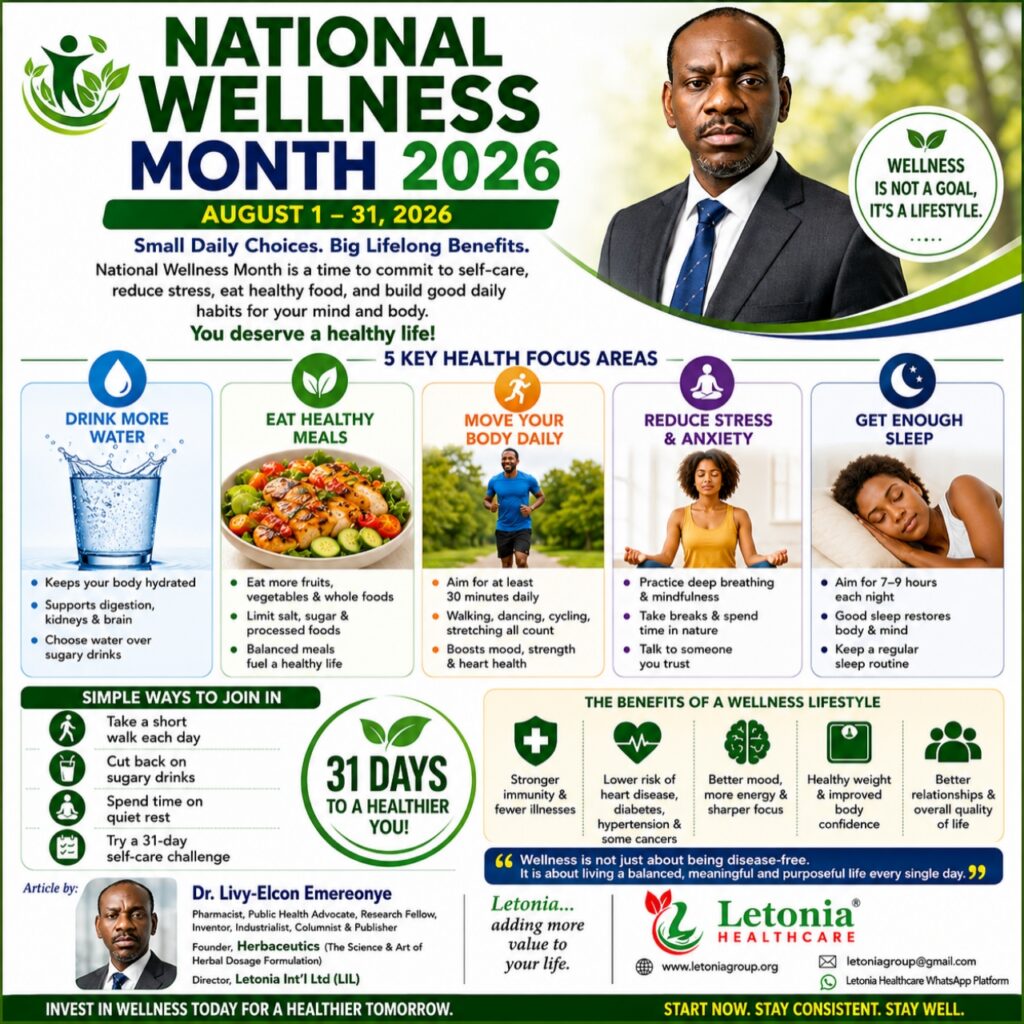 Introduction
Every August, individuals, families, communities, healthcare professionals, and organizations around the world observe National Wellness Month, a dedicated period that promotes healthier lifestyles through intentional self-care, disease prevention, and the adoption of sustainable healthy habits. The 2026 National Wellness Month, observed from August 1 to August 31, reminds us that health is not merely the absence of disease but a dynamic state of complete physical, mental, emotional, and social well-being.
Modern society has witnessed remarkable advances in medicine, yet preventable diseases such as hypertension, diabetes mellitus, obesity, cardiovascular diseases, depression, anxiety disorders, chronic respiratory diseases, and several cancers continue to rise. Most of these illnesses are closely linked to unhealthy lifestyles, poor dietary habits, physical inactivity, chronic stress, inadequate sleep, tobacco use, and excessive alcohol consumption.
The encouraging news is that many of these health problems can be prevented—or significantly delayed—through relatively simple daily lifestyle choices. National Wellness Month therefore serves as an annual reminder that investing in healthy habits today is one of the most effective strategies for improving quality of life and extending healthy lifespan.
This year's campaign encourages everyone to prioritize five essential wellness practices:
- Drink more water.
- Eat healthy meals.
- Move your body every day.
- Reduce stress and anxiety.
- Get sufficient quality sleep.
These pillars of wellness are supported by extensive scientific evidence and remain fundamental to public health promotion worldwide.


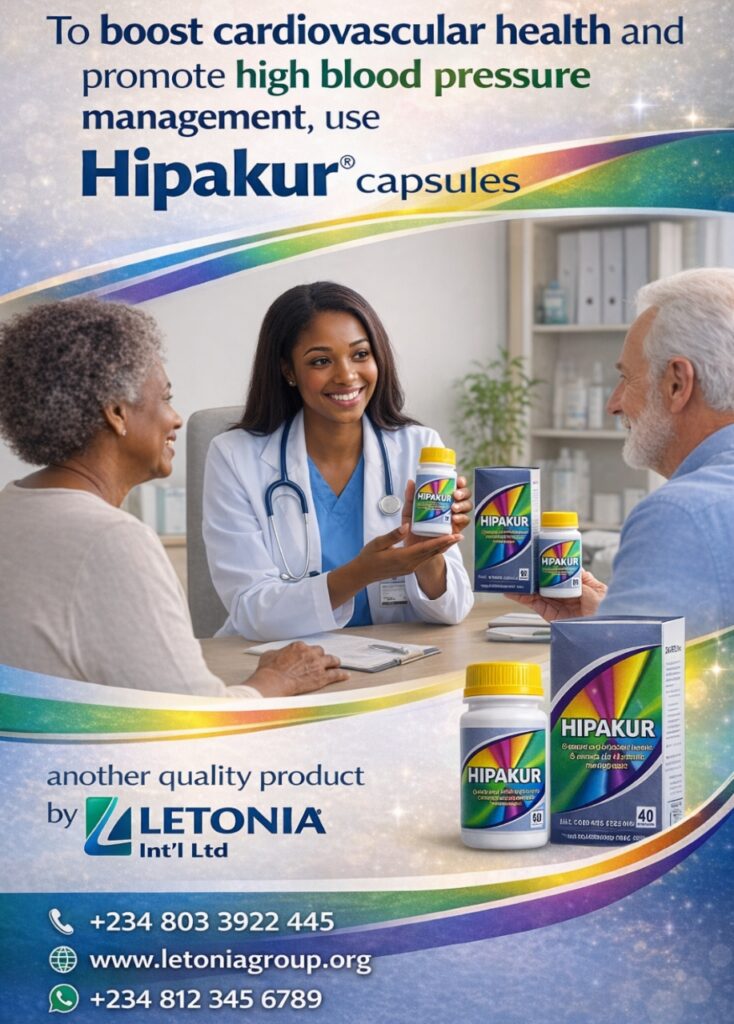 Chronic stress has been associated with:
- Hypertension
- Depression
- Anxiety disorders
- Heart disease
- Poor immunity
- Digestive disorders
- Sleep disturbances
Stress also contributes to unhealthy coping behaviours such as:
- Smoking
- Excessive alcohol intake
- Emotional eating
- Substance abuse
Healthy stress-management techniques include:
- Deep breathing exercises
- Meditation
- Prayer
- Mindfulness
- Spending time in nature
- Listening to music
- Talking with trusted friends
- Seeking professional counselling when needed
Building resilience enables individuals to cope more effectively with life's inevitable challenges.
Prioritize Healthy Sleep
Sleep is often underestimated, yet it is one of the pillars of good health.
During sleep, the body performs numerous restorative processes including:
- Tissue repair
- Hormonal regulation
- Memory consolidation
- Immune strengthening
- Emotional processing
Adults generally require 7–9 hours of quality sleep each night.
Insufficient sleep has been linked to:
- Obesity
- Diabetes
- Heart disease
- Depression
- Poor work performance
- Reduced immunity
- Increased accident risk
Healthy sleep practices include:
- Maintaining a regular bedtime.
- Limiting screen exposure before bed.
- Avoiding heavy meals late at night.
- Reducing caffeine intake in the evening.
- Creating a quiet sleeping environment.
Sleep should be viewed as an essential investment in health rather than a luxury.
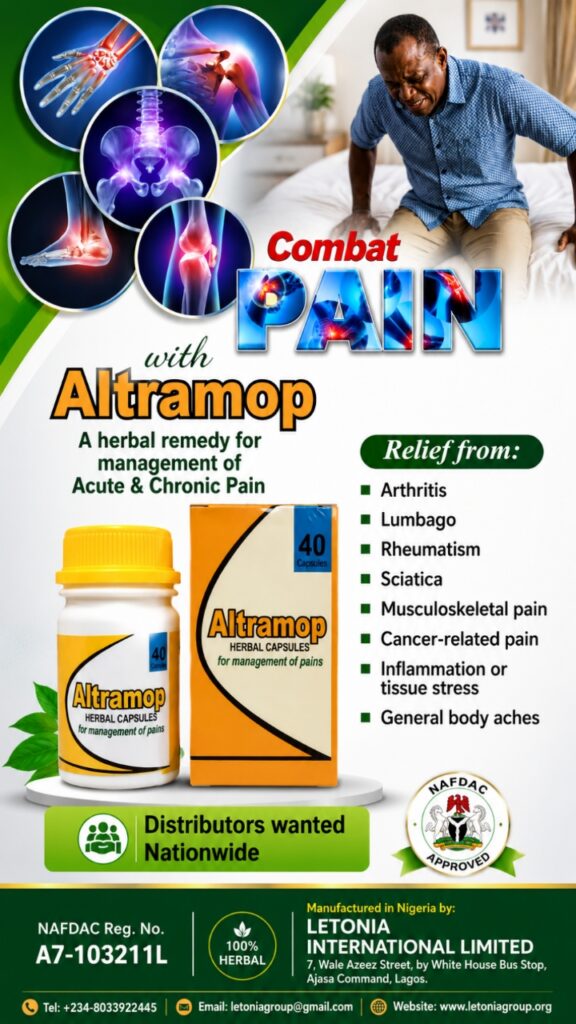

 Abstract
World Breastfeeding Week (WBW), observed annually from 1–7 August, is a global campaign dedicated to protecting, promoting, and supporting breastfeeding. It serves as an opportunity to raise awareness of the indispensable role breastfeeding plays in improving maternal and child health, reducing healthcare costs, and fostering sustainable development. This article, titled "Breastfeeding for a Sustainable Start in Life: Strengthen What Works," commemorates World Breastfeeding Week 2026 by examining the scientific evidence supporting breastfeeding, its immense health, economic, social, and environmental benefits, and the need to reinforce proven interventions that improve breastfeeding practices. Drawing upon recommendations from the World Health Organization (WHO), UNICEF, peer-reviewed research, and other authoritative sources, the article emphasizes that investing in breastfeeding is one of the most effective public health strategies for building healthier families, stronger communities, and more resilient nations.
Introduction
Breastfeeding is one of humanity's oldest and most successful health interventions. Long before the development of modern medicine, it sustained human survival, protected infants from disease, and ensured healthy growth and development. Today, despite remarkable advances in healthcare technology, breastfeeding remains the biological gold standard for infant nutrition and one of the most cost-effective public health interventions available.
Every year, millions of people around the world observe World Breastfeeding Week, an international campaign coordinated by the World Alliance for Breastfeeding Action (WABA) in collaboration with the World Health Organization (WHO), UNICEF, governments, healthcare institutions, and civil society organizations. The annual observance highlights the importance of breastfeeding in improving health outcomes and mobilizes action to remove barriers that prevent mothers from breastfeeding successfully.
This commemorative article adopts the theme "Breastfeeding for a Sustainable Start in Life: Strengthen What Works" to underscore an important public health message: many effective breastfeeding interventions already exist, and greater gains will be achieved by strengthening and expanding these evidence-based strategies. Rather than replacing proven programmes, countries should invest in improving access to quality maternity care, skilled breastfeeding support, baby-friendly health facilities, workplace policies, and community education.
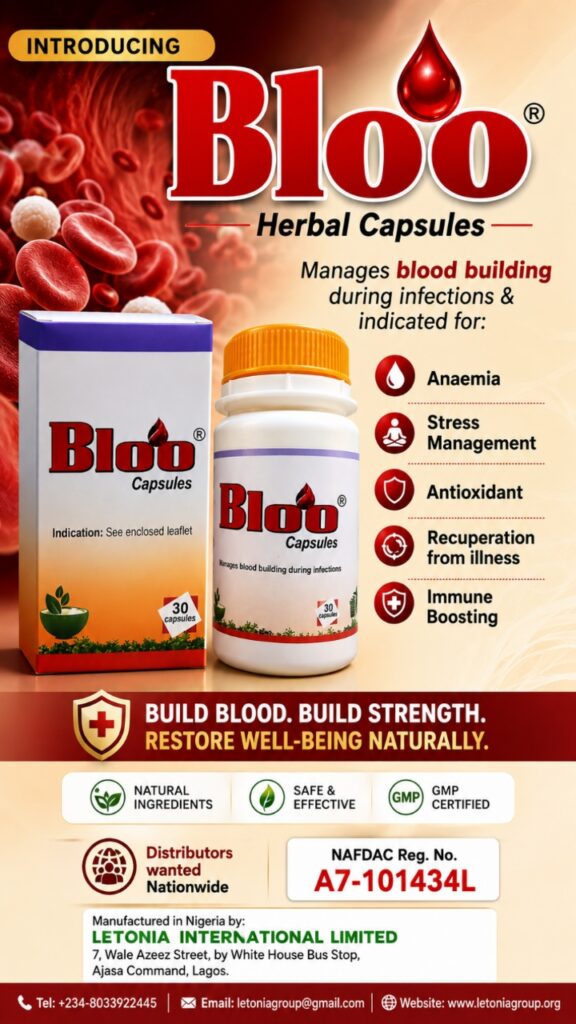 The Remarkable Composition of Human Milk
Breast milk is one of the most complex biological fluids known to science. More than a source of nutrition, it is a sophisticated system of protection and communication between mother and infant.
Among its many components are:
- Secretory Immunoglobulin A (IgA), which protects the respiratory and gastrointestinal mucosa.
- Lactoferrin, which inhibits bacterial growth by binding iron.
- Lysozyme, an enzyme that destroys bacterial cell walls.
- Human Milk Oligosaccharides (HMOs), which nourish beneficial gut bacteria and prevent harmful microbes from attaching to the intestinal lining.
- Living white blood cells that combat infection.
- Stem cells that continue to be studied for their potential developmental roles.
- Cytokines and chemokines that regulate immune responses.
- Hormones such as leptin, adiponectin, and ghrelin, which influence appetite and metabolism.
- Growth factors that support tissue maturation and organ development.
- Beneficial bacteria that help establish a healthy infant gut microbiome.
No commercially available infant formula can fully replicate the complexity and biological activity of these components.
Health Benefits for Infants
Breastfeeding provides extensive protection against both infectious and chronic diseases. According to the landmark Lancet Breastfeeding Series, increasing breastfeeding to near-universal levels could prevent more than 820,000 deaths among children younger than five years every year.
Breastfed infants have a significantly lower risk of:
- Diarrhoeal diseases.
- Pneumonia and other lower respiratory tract infections.
- Acute otitis media.
- Necrotizing enterocolitis, particularly among premature infants.
- Urinary tract infections.
- Sepsis in vulnerable newborns.
- Childhood obesity.
- Type 1 and Type 2 diabetes.
- Certain allergic conditions.
- Sudden Infant Death Syndrome (SIDS).
- Childhood leukaemia.
Breastfeeding also contributes to healthier oral development by promoting proper jaw growth and reducing the risk of dental malocclusion.
Furthermore, breastfed infants generally experience fewer hospital admissions, reduced antibiotic use, lower healthcare costs, and improved survival during the critical first two years of life.
Breastfeeding and Brain Development
One of the most compelling advantages of breastfeeding is its positive effect on neurological development. Human milk supplies nutrients that are essential for brain growth during the first thousand days of life—a period recognized as critical for cognitive development.
Numerous studies have reported that children who were breastfed tend to achieve higher scores on intelligence tests, perform better academically, and demonstrate improved language and problem-solving abilities. These benefits are believed to result from the combined effects of optimal nutrition, bioactive compounds in breast milk, and the close emotional interaction between mother and child during breastfeeding.
The intimate skin-to-skin contact associated with breastfeeding strengthens emotional bonding, enhances the infant's sense of security, and promotes healthy psychological development. Such early nurturing relationships form the foundation for emotional resilience and social well-being later in life.
Breastfeeding and Maternal Health
While breastfeeding is universally acknowledged as the ideal source of nutrition for infants, its health benefits for mothers are equally remarkable. Pregnancy, childbirth, and breastfeeding are interconnected physiological processes designed to protect the health of both mother and child. Scientific evidence consistently demonstrates that women who breastfeed experience both immediate and long-term health advantages.
Immediately after delivery, breastfeeding stimulates the release of oxytocin, a hormone that causes the uterus to contract. These contractions help expel the placenta, reduce postpartum bleeding, accelerate the return of the uterus to its pre-pregnancy size, and lower the risk of postpartum haemorrhage—one of the leading causes of maternal mortality globally.
Breastfeeding also increases maternal energy expenditure. Producing breast milk requires approximately 450–500 kilocalories daily, which can contribute to gradual postpartum weight loss when combined with a balanced diet and healthy lifestyle.
Long-term studies have shown that breastfeeding significantly reduces a woman's lifetime risk of several chronic diseases, including:
- Breast cancer
- Ovarian cancer
- Endometrial cancer
- Type 2 diabetes mellitus
- Hypertension
- Cardiovascular disease
- Metabolic syndrome
- Osteoporosis and hip fractures in later life
The protective effects generally increase with the total duration of breastfeeding over a woman's lifetime.
Breastfeeding also promotes psychological well-being. Frequent skin-to-skin contact and the release of oxytocin foster maternal-infant bonding, reduce stress, and may lower the risk of postpartum depression in many mothers. Nevertheless, women experiencing symptoms of depression or anxiety should receive prompt professional assessment and support while continuing breastfeeding whenever medically appropriate.
 Breastfeeding During Emergencies
Breastfeeding becomes even more important during emergencies such as natural disasters, armed conflicts, disease outbreaks, and humanitarian crises.
When access to clean water, electricity, sanitation, and healthcare is disrupted, formula feeding becomes significantly more hazardous. Breastfeeding provides a safe, hygienic, readily available source of nutrition and immune protection without requiring external resources.
WHO, UNICEF, and humanitarian agencies therefore recommend protecting and supporting breastfeeding during emergencies through skilled counselling, mother-friendly spaces, and policies that prevent inappropriate donations or promotion of breast-milk substitutes.
Strengthening What Works
The title of this commemorative article—"Breastfeeding for a Sustainable Start in Life: Strengthen What Works"—captures a fundamental principle of public health: the greatest gains often come not from replacing successful programmes but from reinforcing interventions already proven to work.
Evidence consistently supports:
- Initiating breastfeeding within one hour after birth.
- Exclusive breastfeeding for the first six months.
- Continued breastfeeding with appropriate complementary feeding until at least two years of age and beyond.
- Implementation of the Baby-Friendly Hospital Initiative.
- Access to trained lactation consultants and breastfeeding counsellors.
- Enforcement of the International Code of Marketing of Breast-milk Substitutes.
- Paid maternity leave and workplace lactation support.
- Community-based mother-to-mother support groups.
- Public education based on sound scientific evidence.
- Active involvement of fathers, grandparents, employers, and community leaders in supporting breastfeeding mothers.
Strengthening these interventions will improve child survival, reduce maternal illness, lower healthcare costs, and build healthier, more sustainable societies.
The Role of Healthcare Professionals
Healthcare professionals remain the cornerstone of successful breastfeeding promotion. Every encounter with a pregnant woman or new mother presents an opportunity to educate, encourage, and support breastfeeding.
Obstetricians, family physicians, paediatricians, pharmacists, nurses, midwives, nutritionists, lactation consultants, and community health workers should work collaboratively to ensure that every mother receives accurate, evidence-based information before and after delivery.
Healthcare providers should:
- Encourage mothers to initiate breastfeeding within one hour of birth.
- Promote exclusive breastfeeding for the first six months of life.
- Support continued breastfeeding alongside safe and adequate complementary feeding until at least two years of age and beyond, as recommended by WHO.
- Teach correct positioning and attachment techniques.
- Recognise and promptly manage common breastfeeding challenges such as breast engorgement, sore nipples, mastitis, and concerns about milk supply.
- Discourage unnecessary supplementation with infant formula unless medically indicated.
- Provide compassionate, non-judgmental counselling that respects each family's circumstances.
The Role of Governments and Policymakers
Governments have a responsibility to create an enabling environment in which breastfeeding can flourish. Evidence consistently demonstrates that countries with strong breastfeeding policies achieve higher exclusive breastfeeding rates and better maternal and child health outcomes.
Priority actions include:
- Expanding the Baby-Friendly Hospital Initiative (BFHI).
- Strengthening primary healthcare services for maternal and child nutrition.
- Enforcing the International Code of Marketing of Breast-milk Substitutes and relevant World Health Assembly resolutions.
- Providing adequate paid maternity leave and workplace protections for breastfeeding mothers.
- Supporting paternity leave and family-friendly workplace policies.
- Investing in public awareness campaigns based on scientific evidence.
- Strengthening routine data collection to monitor breastfeeding practices and programme outcomes.
- Supporting research that informs national breastfeeding policies.
 The Role of Employers
As more women participate in the workforce, employers play an increasingly important role in protecting breastfeeding.
Breastfeeding-friendly workplaces should provide:
- Adequate paid maternity leave.
- Flexible work arrangements where feasible.
- Designated, private, hygienic lactation rooms.
- Reasonable breastfeeding or milk-expression breaks.
- Safe facilities for temporary breast milk storage.
- Organisational cultures that respect and support breastfeeding mothers.
Such policies improve employee well-being, increase job satisfaction and retention, reduce absenteeism due to child illness, and enhance organisational productivity.
The Role of Families and Communities
Successful breastfeeding is not solely the responsibility of mothers. Fathers, grandparents, relatives, friends, faith-based organisations, traditional leaders, and community groups all have important roles to play.
Families can support breastfeeding by:
- Encouraging mothers to begin breastfeeding immediately after birth.
- Helping with household responsibilities so mothers can rest and recover.
- Providing emotional encouragement and reassurance.
- Avoiding harmful cultural practices that interfere with exclusive breastfeeding.
- Seeking professional advice promptly when breastfeeding difficulties arise.
Communities can strengthen breastfeeding by promoting positive social norms, organising mother-to-mother support groups, and protecting mothers from stigma or misinformation.
A Call to Action
Breastfeeding is not merely a personal choice; it is a public health priority and a societal responsibility. Every child deserves the healthiest possible start in life, and every mother deserves the support needed to breastfeed successfully.
Protecting, promoting, and supporting breastfeeding requires collective action from governments, healthcare professionals, employers, educators, researchers, civil society organisations, families, and communities.
The evidence is overwhelming. Breastfeeding saves lives, prevents disease, strengthens economies, reduces healthcare costs, protects the environment, and contributes to sustainable development. Few interventions deliver such broad and lasting benefits at such a modest cost.
Rather than replacing successful programmes with untested alternatives, countries should strengthen existing evidence-based interventions that have already demonstrated measurable impact. Investments in maternity protection, Baby-Friendly health facilities, skilled breastfeeding counselling, workplace support, and community education will yield benefits for generations.
 Conclusion
Breastfeeding remains one of the most powerful and cost-effective public health interventions ever discovered. It is a unique biological process that nourishes infants, protects mothers, strengthens families, and contributes to healthier, more productive societies.
The message of this commemorative article—"Breastfeeding for a Sustainable Start in Life: Strengthen What Works"—is simple yet profound. Sustainable progress in maternal and child health does not always require new solutions; it often requires renewed commitment to proven strategies.