
EARLY ACTION ON DIABETES: THE POWER OF PREVENTION, EARLY DETECTION AND INTEGRATIVE MANAGEMENT By Livy-Elcon Emereonye
EARLY ACTION ON DIABETES: THE POWER OF PREVENTION, EARLY DETECTION AND INTEGRATIVE MANAGEMENT
A World Diabetes Day 2026 Commemorative Scientific and Public Health Article
By Livy-Elcon Emereonye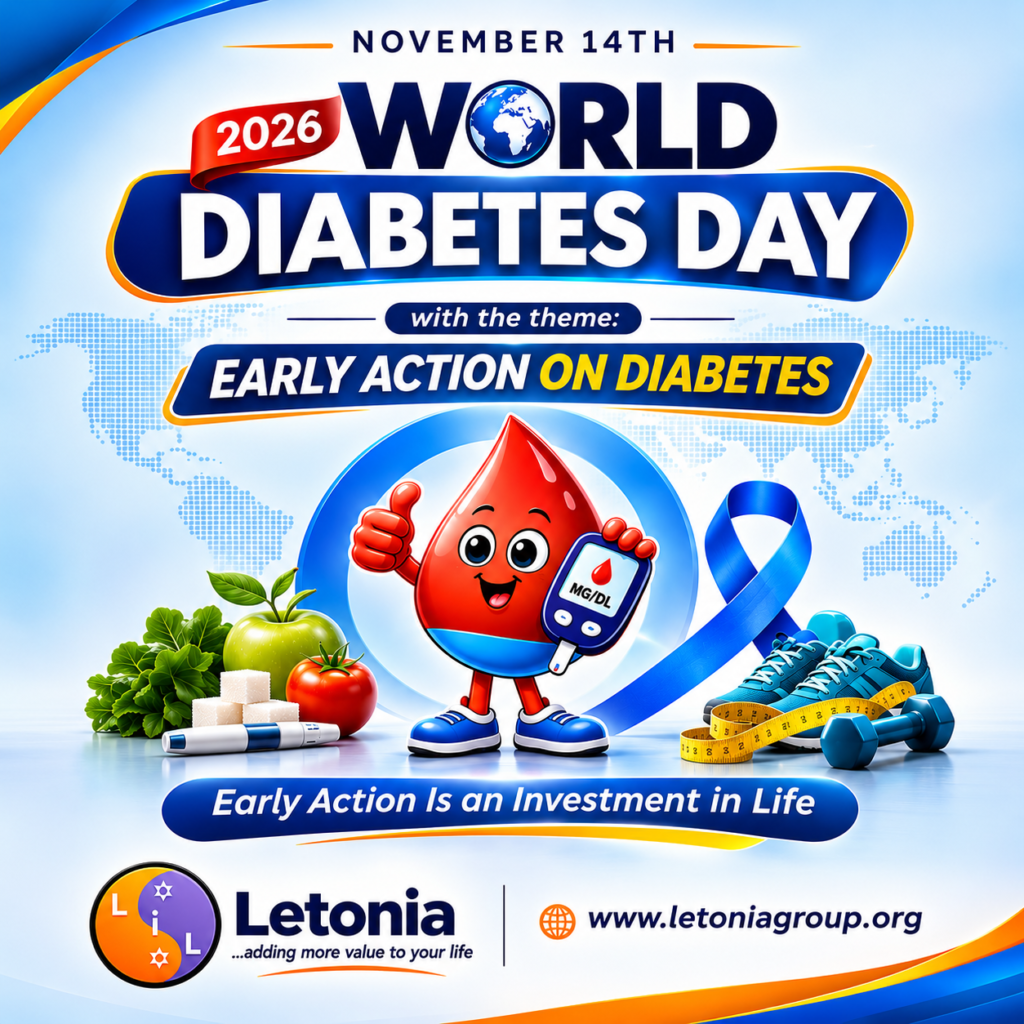
Introduction: Diabetes – A Growing Public Health Challenge
Diabetes mellitus remains one of the most significant public health challenges of the 21st century. Its growing prevalence, long-term complications, economic implications and increasing burden on healthcare systems make it a disease that demands urgent, sustained and coordinated action.
Yet, one of the greatest problems associated with diabetes is not merely its prevalence but the delay in its recognition, diagnosis and appropriate management.
Millions of people live with diabetes without knowing it. Others become aware of their condition only after developing complications involving the eyes, kidneys, nerves, heart and blood vessels.
This is particularly concerning because many of these complications can be prevented, delayed or significantly reduced through timely intervention.
World Diabetes Day, commemorated annually on 14 November, provides an important opportunity to renew public awareness, strengthen preventive healthcare and mobilise individuals, families, healthcare professionals, policymakers and other stakeholders towards more effective diabetes control.
The 2026 focus, Early Action on Diabetes, reinforces an essential public health message: the best time to act against diabetes is before complications develop, and ideally before the disease itself becomes established.
Understanding Diabetes Mellitus
Diabetes mellitus is a group of metabolic disorders characterised by persistently elevated blood glucose levels resulting from inadequate insulin production, impaired insulin action, or a combination of both.
Insulin, a hormone produced by the beta cells of the pancreas, plays a central role in regulating blood glucose by facilitating glucose uptake and utilisation by body tissues.
When insulin production is insufficient or the body's cells become resistant to its action, glucose accumulates in the bloodstream, resulting in hyperglycaemia.
The major forms of diabetes include:
1. Type 1 Diabetes
This results from autoimmune destruction of the insulin-producing beta cells of the pancreas, leading to absolute insulin deficiency. People living with type 1 diabetes require lifelong insulin treatment.
2. Type 2 Diabetes
This is the most common form of diabetes and is characterised by insulin resistance, progressive impairment of insulin secretion, or both.
It is associated with several modifiable and non-modifiable risk factors, including excess body weight, physical inactivity, unhealthy dietary patterns, family history, increasing age and certain metabolic conditions.
Importantly, type 2 diabetes is increasingly being diagnosed in younger populations.
3. Gestational Diabetes Mellitus
This develops during pregnancy and is characterised by elevated blood glucose levels that were not clearly present before pregnancy.
It increases the risk of complications during pregnancy and delivery and also raises the future risk of type 2 diabetes in the mother.
Other specific forms of diabetes may result from genetic conditions, pancreatic diseases, endocrine disorders and certain medications.
Understanding these differences is important because diabetes is not a single disease with one uniform cause or treatment approach.
The Global Diabetes Burden: Why Early Action Matters
According to the International Diabetes Federation (IDF), approximately 589 million adults aged 20–79 years were living with diabetes worldwide in 2024. The figure is projected to rise to approximately 853 million by 2050 if effective preventive and management interventions are not strengthened.
A particularly worrying aspect is that a substantial proportion of affected individuals remain undiagnosed.
Undiagnosed diabetes represents a significant public health concern because the disease may continue to damage vital organs long before the individual becomes aware of its presence.
For Nigeria and other African countries, the challenge is compounded by limited access to routine screening, inadequate awareness, late presentation, the cost of healthcare, inconsistent access to medicines and insufficient continuity of care.
Consequently, diabetes should no longer be regarded merely as an individual medical condition. It is a development, economic and public health concern that requires collective responsibility.
Early Action: What Does It Really Mean?
Early action on diabetes goes beyond checking blood glucose when someone becomes ill.
It involves a proactive approach that begins with risk identification, progresses through prevention and early diagnosis, and continues with appropriate treatment, monitoring and complication prevention.
There are five important dimensions of early action.
1. Early Risk Identification and Assessment
The first step is identifying individuals who are at increased risk of developing diabetes.
Risk assessment should consider:
- Family history of diabetes.
- Overweight and obesity, particularly abdominal obesity.
- Physical inactivity and sedentary lifestyles.
- Unhealthy dietary habits.
- Previous gestational diabetes.
- Hypertension and abnormal blood lipid levels.
- Previous identification of prediabetes.
- Increasing age and other relevant clinical risk factors.
Individuals with these risk factors should be encouraged to undergo appropriate medical assessment and blood glucose testing.
However, the absence of recognised risk factors does not completely eliminate the possibility of developing diabetes.
2. Early Detection Through Routine Screening
One of the most effective ways to reduce the burden of undiagnosed diabetes is to strengthen routine screening.
Diabetes can remain asymptomatic for several years. Therefore, waiting for symptoms before checking blood glucose is an inadequate public health strategy.
Common diagnostic tests include: Fasting Plasma Glucose (FPG): A fasting plasma glucose level of 7.0 mmol/L (126 mg/dL) or higher is within the diabetic range.
Glycated Haemoglobin (HbA1c): An HbA1c level of 6.5% or higher indicates diabetes when measured using an appropriately standardised laboratory method.
Oral Glucose Tolerance Test (OGTT): A two-hour plasma glucose level of 11.1 mmol/L (200 mg/dL) or higher following a 75 g oral glucose load is diagnostic.
Random Plasma Glucose: A result of 11.1 mmol/L (200 mg/dL) or higher, in the presence of classic symptoms of hyperglycaemia or a hyperglycaemic crisis, can establish the diagnosis.
In individuals without unequivocal hyperglycaemia, an abnormal diagnostic result generally requires confirmation.
It is important to distinguish screening from diagnosis. An abnormal screening result should be appropriately evaluated by a qualified healthcare professional.
Early detection creates an opportunity for timely treatment and reduces the likelihood of presenting with advanced complications.
3. Early Lifestyle Intervention: Prevention Before Complications
Lifestyle modification is one of the most important components of diabetes prevention and management.
For people at increased risk of type 2 diabetes, evidence-based lifestyle interventions can substantially reduce the likelihood of progression to the disease.
Healthy Nutrition: A balanced dietary pattern should include vegetables, fruits in appropriate portions, whole grains, legumes, nuts and suitable sources of protein. Consumption of sugar-sweetened beverages, excessive refined carbohydrates, highly processed foods and energy-dense meals should be reduced.
In the Nigerian context, healthy eating does not necessarily mean abandoning traditional foods. It means making better choices in food composition, preparation methods, portion sizes and frequency of consumption.
Regular Physical Activity: Adults should generally aim for at least 150 minutes of moderate-intensity aerobic physical activity weekly, alongside muscle-strengthening activities on two or more days.
Weight Management: For individuals with overweight or obesity who are at increased risk of type 2 diabetes, achieving and maintaining a clinically appropriate reduction in body weight can significantly reduce diabetes risk.
Adequate Sleep and Stress Management: Poor sleep patterns, chronic stress and unhealthy coping behaviours can adversely affect metabolic health.
Avoidance of Tobacco and Harmful Alcohol Consumption: Tobacco use increases cardiovascular risk, while excessive alcohol consumption can contribute to several metabolic and other health problems.
These interventions are not merely recommendations for people already diagnosed with diabetes. They are preventive measures for the entire population.
4. Early Treatment and Effective Disease Management
Once diabetes is diagnosed, appropriate treatment should commence without unnecessary delay.
The treatment plan should be individualised according to the type of diabetes, age, cardiovascular and kidney health, other medical conditions, patient preferences and available resources.
Management may involve:
- Appropriate dietary modification.
- Regular physical activity.
- Weight management.
- Oral glucose-lowering medications.
- Injectable medications, including insulin where indicated.
- Blood glucose monitoring.
- Regular assessment of treatment response and potential adverse effects.
For people with type 1 diabetes, insulin is essential for survival.
For people with type 2 diabetes, medication selection should consider not only blood glucose reduction but also cardiovascular, kidney and weight-related benefits where appropriate.
It is equally important to recognise that diabetes management is not limited to achieving acceptable blood glucose levels.
A comprehensive approach must also address blood pressure, blood lipid levels, kidney function, eye health, foot health and other cardiovascular risk factors.
5. Early Identification and Prevention of Diabetes Complications
One of the most important reasons for early intervention is the prevention or delay of diabetes-related complications.
Persistently elevated blood glucose can damage blood vessels and nerves, affecting multiple organs and systems.
The major complications include:
- Diabetic Retinopathy: Damage to the small blood vessels of the retina, potentially resulting in visual impairment and blindness.
- Diabetic Nephropathy: Progressive kidney damage that can eventually lead to chronic kidney disease and kidney failure.
- Diabetic Neuropathy: Nerve damage that may cause pain, tingling, numbness and loss of protective sensation.
- Cardiovascular Diseases: Increased risk of heart attack, stroke and peripheral arterial disease.
- Diabetic Foot Complications: Foot ulcers, infections and tissue damage that may ultimately result in amputation.
Early identification through appropriate retinal examinations, kidney function assessment, urine albumin testing, foot examinations and cardiovascular risk assessment is essential.
6. Integrative Management Approach to Diabetes: Combining the Best of Evidence-Based Healthcare
Diabetes is a complex metabolic disorder. Its effective management therefore requires more than an isolated intervention or dependence on a single therapeutic approach.
An integrative management approach recognises the potential value of combining conventional medical treatment, evidence-based nutritional and lifestyle interventions, patient education and appropriately evaluated complementary healthcare practices.
The central principle is not to replace established medical treatment with alternative remedies but to bring together safe, scientifically defensible interventions that address different aspects of metabolic health.
An effective integrative approach should incorporate the following components:
A. Conventional Medical Management
Conventional medical care remains the foundation of diabetes treatment.
Depending on the type and severity of diabetes, this may include insulin, oral glucose-lowering medicines and other evidence-based pharmacological interventions.
Regular clinical evaluation is necessary to determine treatment effectiveness, adjust medication and identify complications.
B. Nutritional and Lifestyle Medicine
Nutrition, physical activity, weight management, adequate sleep and stress reduction are important components of integrative diabetes care.
These interventions can improve insulin sensitivity, support metabolic regulation and reduce cardiovascular risk.
They should be incorporated into individualised management plans rather than treated as optional additions.
C. Pharmacognosy and Evidence-Based Herbal Medicine
Medicinal plants contain diverse phytochemicals, including flavonoids, alkaloids, terpenoids, phenolic compounds and other bioactive constituents.
Some of these compounds have demonstrated biological activities relevant to glucose metabolism in laboratory and preclinical investigations. Research has explored possible effects on insulin sensitivity, glucose absorption, oxidative stress, inflammation and pancreatic beta-cell function.
However, biological activity in laboratory experiments does not automatically establish clinical effectiveness in humans.
Herbal preparations therefore require appropriate identification, authentication, standardisation, quality control, safety assessment, dose determination and well-designed clinical investigations before their therapeutic claims can be established.
This is particularly important in diabetes because some herbal preparations may interact with conventional glucose-lowering medicines, potentially increasing the risk of hypoglycaemia or producing other adverse effects.
Consequently, herbal medicine should be approached through scientific evaluation, responsible product development and appropriate clinical supervision.
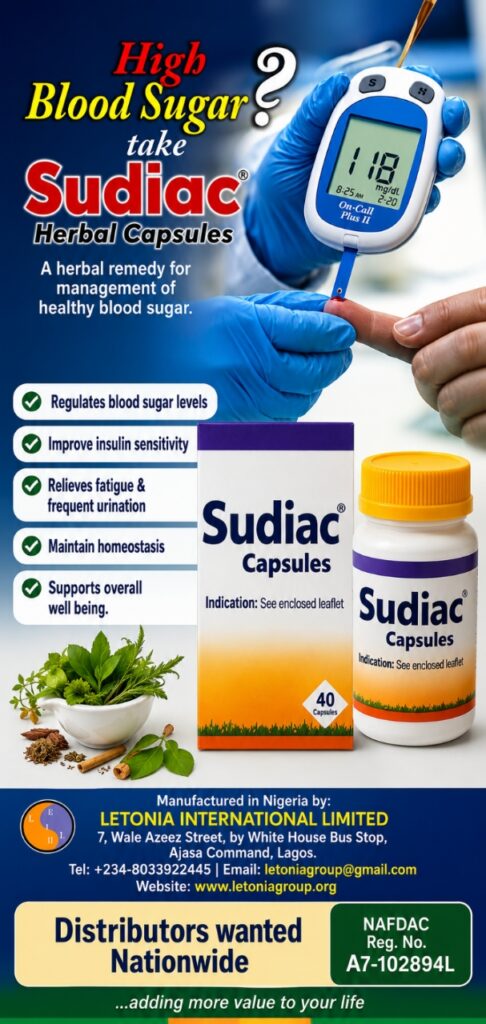
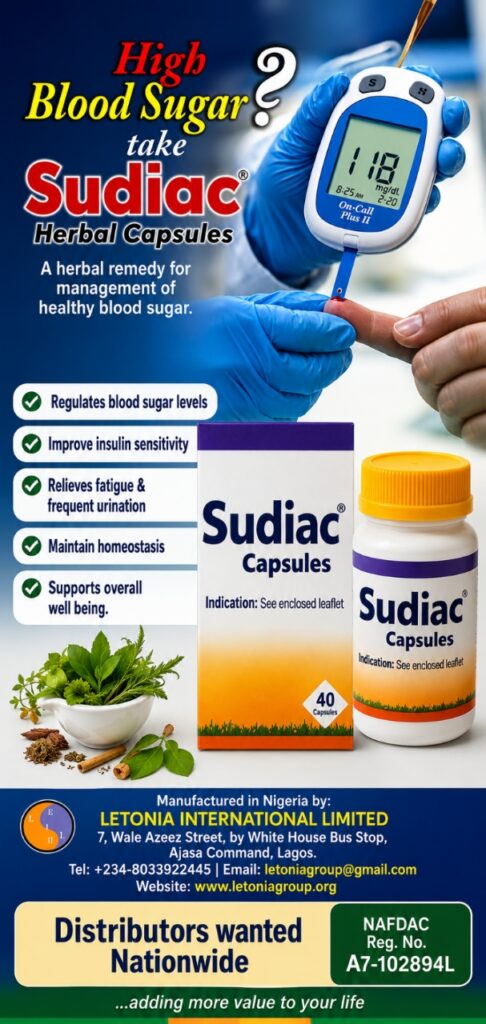
D. Sudiac® Capsules: A Letonia Healthcare Contribution to Healthy Blood Sugar Management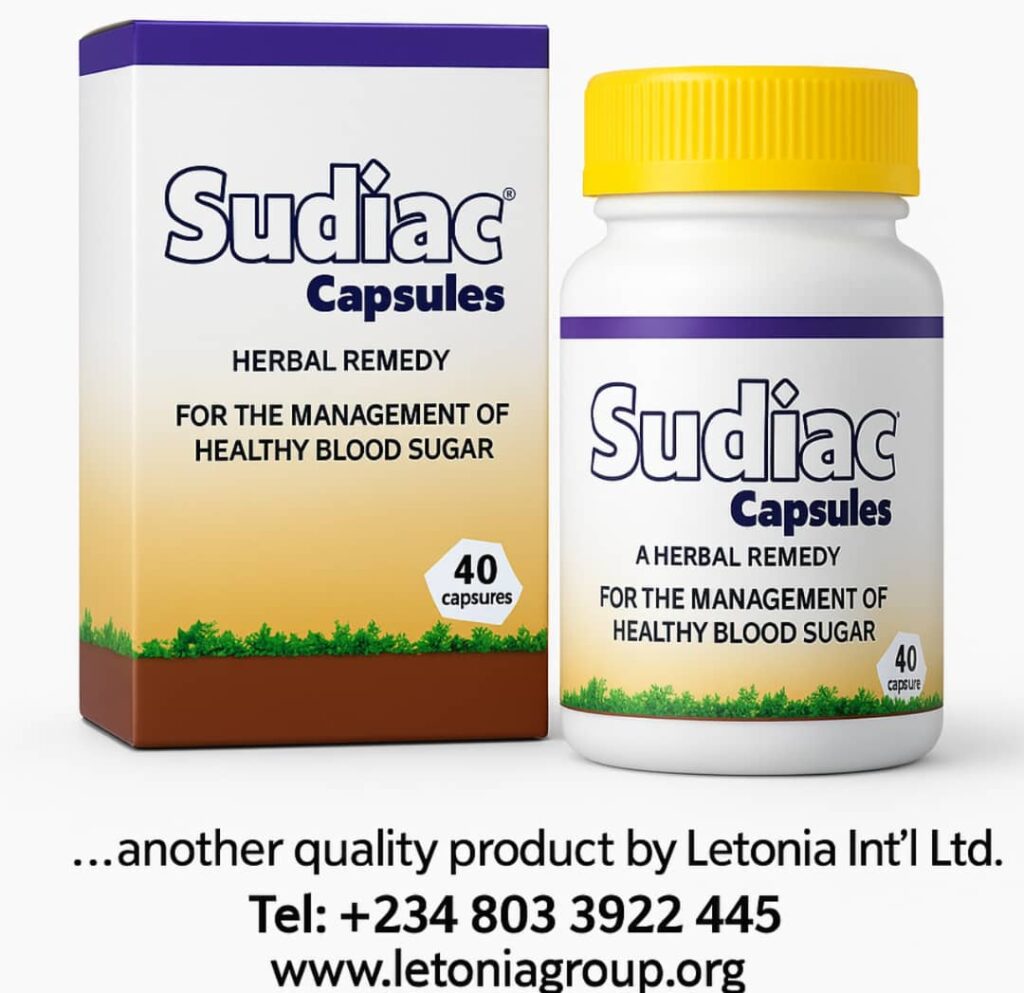
Sudiac® Capsules, a herbal product developed and marketed by Letonia Int'l Ltd under its Letonia Healthcare brand, are intended for the management of healthy blood sugar.
Sudiac® provides an opportunity to highlight the place of properly developed herbal products within broader conversations about integrative healthcare and metabolic wellness.
The development and responsible use of herbal products in this area should be guided by sound pharmaceutical principles, including:
- Proper identification and authentication of medicinal plant materials.
- Appropriate extraction and formulation procedures.
- Standardisation and quality assurance.
- Assessment of microbial contamination, heavy metals and other potential contaminants.
- Evaluation of safety, dosage and potential herb–drug interactions.
- Scientific substantiation of specific therapeutic claims through appropriate research.
For people interested in complementary herbal healthcare, the important consideration is not simply whether a product is labelled herbal, but whether its quality, safety and claimed benefits are adequately established.
Accordingly, Sudiac® should be considered only within the appropriate product information, applicable regulatory authorisation and professional healthcare guidance.
People already receiving diabetes treatment should consult their healthcare professionals before introducing any herbal product, as concurrent use may require additional monitoring and clinical assessment.
E. Continuous Monitoring and Individualised Care
An effective integrative approach must be measurable.
Blood glucose, HbA1c, blood pressure, lipid profile, kidney function, body weight and other clinically relevant indicators should be monitored at appropriate intervals.
Treatment should be adjusted according to the individual's response, clinical needs and safety considerations.
The ultimate objective is not merely to reduce blood glucose but to improve overall health, preserve organ function, prevent complications and enhance quality of life.
The Scientific Position: Integrative healthcare should complement, not compromise, evidence-based medical care. The inclusion of herbal medicine must be accompanied by scientific validation, pharmaceutical quality assurance, regulatory compliance and responsible clinical practice.
Diabetes and the Nigerian Public Health Environment
Nigeria faces a growing non-communicable disease burden, with diabetes contributing significantly to morbidity, premature mortality and household healthcare expenditure.
Several factors complicate the country's diabetes response.
Inadequate awareness: Many individuals do not appreciate the relationship between lifestyle, metabolic health and diabetes.
Late diagnosis: Some people discover they have diabetes only after developing complications or presenting to hospitals with severe symptoms.
Affordability and accessibility: The cost of diagnostic investigations, medicines, glucose-monitoring supplies and specialist consultations can make consistent management diconsumptio
Misconceptions and misinformation: Some individuals believe diabetes is exclusively caused by excessive sugar consumption, while others assume that the absence of symptoms means they do not have the disease.
There are also misconceptions that diabetes can be permanently cured through unverified herbal preparations, dietary products or alternative remedies.
These beliefs can encourage treatment abandonment and delay appropriate medical care.
The Nigerian response must prioritise accessible screening, reliable diagnostic services, affordable essential medicines, public health education and continuity of care.
Recognising Diabetes Warning Signs
Symptoms that should never be ignored include:
- Excessive thirst.
- Frequent urination.
- Increased hunger.
- Unexplained weight loss.
- Persistent tiredness.
- Blurred vision.
- Slow-healing wounds.
- Recurrent infections.
- Tingling or numbness in the hands and feet.
When accompanied by abdominal pain, vomiting, deep or rapid breathing, dehydration or altered consciousness, diabetic ketoacidosis should be suspected. This is a medical emergency requiring immediate hospital attention.
Who Has a Responsibility to Act?
Early action on diabetes cannot be left to physicians, endocrinologists or people already diagnosed with the disease.
It requires a whole-of-society approach.
Individuals should understand their risk factors, adopt healthy lifestyles, participate in appropriate screening and seek medical attention when necessary.
Families should encourage healthy eating, physical activity, regular health checks and treatment adherence.
Healthcare Professionals should strengthen preventive counselling, risk assessment, early diagnosis, appropriate treatment and patient education.
Pharmacists should use their accessibility to promote diabetes awareness, identify people who may need screening, counsel patients on medicines, encourage adherence and support appropriate referrals.
Herbal Medicine Researchers and Manufacturers should prioritise scientific research, product standardisation, safety evaluation, quality assurance and regulatory compliance.
Government and Policymakers should strengthen primary healthcare services, improve access to essential medicines and diagnostic facilities, support public health campaigns and integrate diabetes prevention into national health strategies.
Schools, Workplaces and the Media should promote healthy environments, physical activity, access to screening and scientifically accurate public health information.
Turning Awareness into Action: Practical Steps Everyone Can Take
World Diabetes Day should not end with speeches, publications, lectures and social media campaigns.
It should translate into measurable improvements in health behaviour and healthcare access.
Every individual can begin with the following actions:
1. Know your diabetes risk factors.
2. Check your blood glucose when clinically indicated.
3. Maintain a healthy body weight.
4. Adopt a balanced dietary pattern.
5. Engage in regular physical activity.
6. Avoid tobacco and harmful alcohol consumption.
7. Know your blood pressure and cholesterol levels.
8. Seek medical assessment when symptoms develop.
9. If diagnosed, adhere to your prescribed treatment.
10. Encourage family members and colleagues to take preventive health checks seriously.
For healthcare organisations, community groups and policymakers, the priority should be to expand access to screening, strengthen referral systems, improve treatment continuity and measure outcomes.
In conclusion, it should be noted that early action is an investment in life.
Diabetes is a serious metabolic disorder, but its consequences are not inevitable.
Type 2 diabetes can often be prevented or delayed among people at increased risk. Diabetes can also be detected early, managed effectively and its complications substantially reduced through evidence-based interventions.
An integrative approach offers additional opportunities to strengthen diabetes care by bringing together conventional medicine, nutrition, lifestyle interventions, pharmaceutical science and scientifically evaluated complementary therapies.
However, integration must never become an excuse for replacing proven treatment with unverified claims.
As we commemorate World Diabetes Day on 14 November 2026, let us move beyond awareness to meaningful action.
Let individuals take responsibility for their health, let families become advocates of preventive healthcare, let healthcare professionals strengthen early intervention, let researchers advance scientific discovery, and let governments make diabetes prevention and treatment more accessible and affordable.
Do not wait until diabetes announces itself through complications. Know your risks, check your numbers, act early and protect your future.
Because when it comes to diabetes, early action is not just good healthcare; it is a life-saving investment.
PS: Dr. Emereonye could be reached on: +234 803 392 2445
References
1. International Diabetes Federation (IDF). IDF Diabetes Atlas, 11th Edition. Brussels, Belgium: International Diabetes Federation; 2025. https://diabetesatlas.org/
2. World Health Organization. Diabetes. WHO Fact Sheet. https://www.who.int/news-room/fact-sheets/detail/diabetes
3. World Health Organization. Global Report on Diabetes. Geneva: WHO; 2016. https://www.who.int/publications/i/item/9789241565257
4. American Diabetes Association Professional Practice Committee. Diagnosis and Classification of Diabetes: Standards of Care in Diabetes—2025. Diabetes Care. 2025;48(Suppl 1).
5. American Diabetes Association Professional Practice Committee. Prevention or Delay of Diabetes and Associated Comorbidities: Standards of Care in Diabetes—2025. Diabetes Care. 2025;48(Suppl 1).
6. Knowler WC, Barrett-Connor E, Fowler SE, et al. Reduction in the incidence of type 2 diabetes with lifestyle intervention or metformin. New England Journal of Medicine. 2002;346:393–403. doi:10.1056/NEJMoa012512.
7. Davies MJ, Aroda VR, Collins BS, et al. Management of hyperglycemia in type 2 diabetes, 2022. A consensus report by the American Diabetes Association and the European Association for the Study of Diabetes. Diabetes Care. 2022;45(11):2753–2786. doi:10.2337/dci22-0034.
8. World Health Organization. HEARTS D: Diagnosis and Management of Type 2 Diabetes. Geneva: WHO; 2020. https://www.who.int/publications/i/item/9789240009226
9. World Health Organization. WHO Global Report on Traditional and Complementary Medicine 2019. Geneva: WHO; 2019. https://www.who.int/publications/i/item/978924151536
 Abstract
Medicinal plants have contributed substantially to human healthcare for centuries and continue to provide important therapeutic resources for both traditional and modern medicine. Despite their potential, the transition from medicinal plant material to reliable herbal medicinal products remains challenging. Variability in botanical identity, cultivation, harvesting, processing, extraction, phytochemical composition, formulation, storage and administration can significantly influence the quality, safety, reproducibility and therapeutic performance of herbal preparations.
This chapter examines the emerging concept of Herbaceutics, defined as the science and art of herbal dosage-form design and formulation, as a translational discipline within modern herbal medicine development. Although Herbaceutics draws upon pharmacognosy, phytochemistry, pharmacology, toxicology and conventional pharmaceutics, its distinctive contribution is the formulation-centred transformation of complex botanical preparations into stable, reproducible, appropriately dosed and patient-acceptable medicinal products. Particular attention is given to standardization, quality assurance, dosage-form development, drug-delivery considerations, Quality by Design (QbD), advanced analytical technologies, safety, herb–drug interactions, clinical evidence, regulatory science and sustainable development.
The chapter further considers opportunities for medicinal-plant pharmaceutical development across different regions of the world and proposes an integrated plant-to-product framework encompassing botanical identification, authentication, preparation development, pharmacological and safety evaluation, Herbaceutic formulation, manufacturing, clinical and regulatory translation, commercialization and pharmacovigilance. The central proposition is that the medicinal plant should be regarded as the starting material rather than the finished medicine. Herbaceutics can provide an important scientific and technological bridge between botanical therapeutic potential and reproducible medicinal products suitable for contemporary healthcare.
Keywords: Medicinal plants; herbal medicine; Herbaceutics; herbal formulation; dosage forms; phytotherapy; standardization; quality control; phytopharmaceuticals; traditional medicine; drug delivery; evidence-based medicine.
1. Introduction
Medicinal plants constitute one of humanity's oldest and most enduring sources of healthcare. Across cultures and civilizations, plants have been used to prevent, alleviate and manage disease. Contemporary pharmaceutical science has also demonstrated the importance of natural products as sources of biologically active compounds and therapeutic leads.
The continued relevance of medicinal plants is reflected in the widespread use of traditional and complementary medicine globally. However, the existence of a long history of traditional use does not automatically guarantee that every botanical preparation is consistent, safe, effective or suitable for modern pharmaceutical use. The major challenge is therefore no longer simply the identification of medicinal plants but the scientific translation of botanical resources into reliable medicinal products.
Unlike many conventional medicines based on relatively well-defined active pharmaceutical ingredients, herbal medicines may contain complex mixtures of primary and secondary metabolites. Their composition can be influenced by genetic factors, geographical origin, soil, climate, cultivation practices, maturity, harvesting conditions, post-harvest processing, extraction procedures, storage and formulation.
Consequently, two preparations described as being derived from the same plant may not necessarily possess identical chemical or biological characteristics. Differences in preparation may influence stability, dose, bioavailability, pharmacological activity and safety.
These challenges have stimulated increasing interest in authentication, chemical characterization, standardization, advanced analytical technologies, pharmacological evaluation and modern dosage-form development. Nevertheless, an important conceptual gap remains between the medicinal plant or botanical extract and the finished medicinal product.
This chapter proposes Herbaceutics as an emerging discipline addressing this gap. Herbaceutics focuses particularly on the design and formulation of herbal dosage forms while recognizing the distinctive physicochemical, biological and manufacturing characteristics of botanical materials.
The objective is not to replace established disciplines such as pharmacognosy, phytochemistry or pharmaceutics, but to establish a coherent formulation-centred interface through which knowledge from these disciplines can be translated into reproducible herbal medicines.
2. The Medicinal Plant–Medicine Continuum
The development of a medicinal product from a plant is a continuum rather than a single event. It begins with the identification of a potentially useful botanical resource and extends through authentication, cultivation or collection, preparation, extraction, characterization, pharmacological and safety assessment, formulation, manufacturing, clinical evaluation, regulatory approval and post-market surveillance.
Traditional knowledge may provide the initial indication that a plant possesses therapeutic potential. Ethnobotanical information can therefore be valuable in identifying species, plant parts, preparation methods and therapeutic applications worthy of scientific investigation.
However, traditional knowledge and pharmaceutical evidence answer different questions. Traditional use may establish historical or empirical relevance, whereas modern development requires additional information concerning identity, composition, dose, mechanism, safety, reproducibility, pharmacokinetics and clinical performance.
The medicinal plant should consequently be viewed as a starting material in a development process, rather than automatically regarded as a finished medicine.
At each stage, new sources of variability may be introduced. For example, genetic variation can influence phytochemical composition; environmental conditions can modify metabolite production; harvesting and drying can affect chemical stability; extraction can alter the concentration and relative proportions of constituents; and formulation can determine stability, dissolution, release and patient acceptability.
The final product therefore reflects the cumulative effects of the entire development pathway.
A scientifically responsible herbal medicine programme must consequently connect botanical science with pharmaceutical development rather than treating them as separate activities.
3. Herbaceutics: Its Distinct Contribution to Herbal Medicine
Herbaceutics may be conceptualized as the science and art of herbal dosage-form design and formulation.
It draws upon pharmacognosy, phytochemistry, pharmaceutics, pharmacology, toxicology, analytical science and related disciplines, but its principal focus is the transformation of medicinal plant preparations into appropriate, reproducible and stable dosage forms for human use.
Its distinctiveness arises from the nature of botanical medicines. Conventional pharmaceutics frequently begins with a relatively well-characterized active pharmaceutical ingredient. Herbal preparations, in contrast, may contain numerous constituents whose concentrations and interactions vary according to species, chemotype, cultivation, harvesting, processing, extraction and storage.
These characteristics create formulation and product-development challenges that cannot always be addressed simply by applying conventional pharmaceutical techniques.
Herbaceutics therefore addresses five closely related problems:
3.1 Botanical-to-product translation
Herbaceutics transforms a complex botanical preparation into a pharmaceutical dosage form such as a capsule, tablet, liquid preparation, cream, gel, powder or other appropriate delivery system.
3.2 Linking botanical characteristics to dosage-form performance
The physical and chemical characteristics of an extract or plant-derived preparation influence properties such as flow, compressibility, solubility, dissolution, stability, release and manufacturability. Herbaceutic development seeks to understand and manage these relationships.
3.3 Designing for reproducibility
Because botanical materials naturally vary, formulation and manufacturing processes must be designed to minimize unacceptable variability and maintain defined quality attributes.
3.4 Optimizing herbal delivery
The selection of dosage form, excipients, processing conditions, route of administration and, where appropriate, advanced delivery technologies can influence the performance and acceptability of herbal medicines.
3.5 Creating the plant-to-patient bridge
Herbaceutics connects the characterized botanical preparation with a practical dosage form that can be administered consistently to patients.
Thus, Herbaceutics is not synonymous with pharmacognosy, phytochemistry, quality control or conventional pharmaceutics. Neither does it encompass the entire medicinal-plant development pathway. Rather, it provides the formulation and dosage-form bridge within that pathway.
Its central question can be expressed as:
"How can a biologically active botanical preparation be transformed into a reproducible, stable, appropriately dosed and quality-assured medicinal product?"
This formulation-centred perspective provides an important conceptual foundation for integrating botanical science with modern pharmaceutical development.
4. Standardization, Quality and Reproducibility
Quality is fundamental to the development and responsible use of herbal medicines. In botanical products, quality encompasses identity, purity, composition, consistency, stability and the absence or control of undesirable contaminants.
Standardization should not be understood simply as making every plant preparation chemically identical. Rather, it involves establishing appropriate specifications and controls that ensure a product possesses defined and reproducible quality characteristics.
Authentication is the first requirement. Correct botanical identification protects against substitution, adulteration and accidental use of inappropriate species. Macroscopic and microscopic examination may be supplemented by chromatographic, spectroscopic, molecular or DNA-based methods.
Raw materials must also be evaluated for contaminants and other undesirable substances. Depending on the material and production system, relevant concerns may include microorganisms, heavy metals, pesticides, aflatoxins, undeclared pharmaceuticals and other contaminants.
Chemical characterization provides another important layer of quality assurance. Chromatographic fingerprints, marker compounds and quantitative analytical methods can help characterize botanical preparations. Increasingly, metabolomics and other comprehensive analytical approaches offer opportunities to assess complex chemical profiles.
However, chemical consistency alone may not fully represent biological consistency. Where appropriate, analytical characterization should therefore be complemented by pharmacological or biological assays relevant to the intended therapeutic activity.
Reproducibility should be addressed across the complete production chain—from botanical source and processing through extraction, formulation, packaging and storage.
The objective is to establish a controlled relationship between raw material quality, process parameters, product characteristics and intended performance.
5. Herbaceutic Formulation and Drug Delivery
Formulation is the stage at which the characteristics of a botanical preparation are deliberately converted into a usable dosage form.
The selection of a dosage form should reflect the nature of the preparation, intended route of administration, therapeutic objective, dose requirements, stability, patient population, manufacturing capacity and regulatory expectations.
Potential dosage forms include tablets, capsules, powders, oral liquids, syrups, creams, ointments, gels, suppositories and other specialized delivery systems.
Botanical extracts can present formulation challenges including poor water solubility, hygroscopicity, unpleasant taste or odour, poor flow, variable particle size, instability and incompatibility with excipients. Some preparations may also contain constituents that are sensitive to heat, light, oxygen or moisture.
Herbaceutic formulation therefore requires careful selection of excipients and processing methods. Parameters such as particle characteristics, moisture content, extract concentration, compression behaviour, disintegration, dissolution and storage stability may need to be evaluated.
Drug-delivery technologies may offer additional opportunities where conventional dosage forms do not provide adequate performance. Depending on the specific product, technologies involving microencapsulation, nanoformulation, lipid-based systems or other controlled-delivery approaches may be investigated.
Such technologies should not be adopted merely because they are technologically advanced. Their use should be justified by a clearly defined product-development objective and supported by appropriate evidence of safety, stability and performance.
The fundamental purpose of Herbaceutic formulation is therefore not technological complexity but controlled and appropriate delivery of the botanical preparation.
6. Quality by Design in Herbal Medicine
Quality by Design (QbD) provides a systematic methodology for developing products in which quality is deliberately built into the formulation and manufacturing process rather than tested only at the end.
Its application to herbal medicines is particularly relevant because botanical materials and preparations can exhibit substantial natural variability.
A QbD-oriented approach begins with the definition of the Quality Target Product Profile (QTPP). This establishes the intended characteristics of the finished product, including dosage form, route of administration, strength, stability and relevant performance requirements.
Critical Quality Attributes (CQAs) can then be identified. Depending on the product, these may include identity, marker-compound content, chemical fingerprint, microbial quality, moisture, dissolution, physical characteristics and stability.
Critical Material Attributes (CMAs) and Critical Process Parameters (CPPs) are subsequently investigated to understand how raw materials and manufacturing processes influence CQAs.
Risk assessment, design of experiments and process understanding can help identify important relationships and establish robust formulation and manufacturing conditions.
For herbal products, QbD can therefore provide a structured means of managing variability without attempting to eliminate the inherent biological complexity of medicinal plants.
QbD should be regarded as a development methodology within Herbaceutics, rather than as a replacement for Herbaceutics itself.
7. Advanced Analytical and Digital Approaches
Rapid advances in analytical science are expanding the ability to characterize medicinal plants and complex herbal preparations.
Chromatographic and spectroscopic techniques remain central to quality evaluation, while metabolomics can provide broader profiles of chemical constituents. DNA-based authentication can assist in verifying botanical identity, particularly where morphological identification is difficult.
Fingerprinting approaches can provide characteristic patterns that facilitate comparison among batches and help detect substitution or adulteration.
Computational approaches and artificial intelligence may further support pattern recognition, prediction of formulation behaviour, identification of potential bioactive constituents and analysis of complex datasets. Digital tools may also assist in traceability throughout cultivation, processing and manufacturing.
These technologies are most valuable when integrated into a scientifically coherent development strategy. Analytical sophistication does not by itself establish therapeutic efficacy. Instead, advanced analytical methods should support the broader objectives of identity, quality, reproducibility, safety and product understanding.
8. Safety and Herb–Drug Interactions
The perception that natural products are inherently safe can create significant risks. Medicinal plants contain biologically active substances capable of producing therapeutic as well as adverse effects.
Safety evaluation should therefore consider acute and chronic toxicity, organ-specific effects, reproductive and developmental toxicity where relevant, genotoxicity and other potential risks according to the intended use and exposure.
Herb–drug interactions are particularly important in patients receiving conventional medicines. Interactions may arise through effects on drug-metabolizing enzymes, transporters, gastrointestinal absorption, pharmacodynamic pathways or other mechanisms.
Risk assessment should take account of dose, duration of use, preparation type, patient characteristics and concomitant medicines.
Formulation may also influence exposure. Differences in extraction efficiency, concentration, dissolution and bioavailability can alter the amount of biologically active constituents reaching systemic or local sites of action.
Appropriate product labelling, professional education, pharmacovigilance and communication with patients are therefore essential components of responsible herbal medicine use.
9. Traditional Knowledge and Clinical Evidence
Traditional knowledge represents an important source of information for medicinal-plant research. It can guide the selection of species, plant parts, preparation methods and therapeutic applications.
However, the scientific evaluation of traditional knowledge requires methodological care. Historical use should not automatically be equated with clinical efficacy, nor should the absence of conventional clinical evidence necessarily be interpreted as proof of ineffectiveness.
A progressive evidence framework can include ethnomedical documentation, botanical authentication, phytochemical characterization, in vitro investigation, animal studies, toxicological evaluation, pharmacokinetic studies and appropriately designed human clinical studies.
Clinical research should address questions relevant to the intended product and indication. Where feasible, randomized controlled trials can provide important evidence regarding efficacy and safety. Observational studies, pragmatic research and real-world evidence can provide complementary information concerning patterns of use and longer-term experience.
An important consideration is that clinical evidence should correspond to the actual preparation being used. Evidence generated from one extract or formulation cannot automatically be transferred to a substantially different preparation.
This reinforces the importance of Herbaceutic reproducibility: the product evaluated scientifically should correspond sufficiently to the product ultimately administered to patients.
10. Medicinal Plants in Integrative Healthcare
Integrative healthcare seeks to bring together appropriate conventional and complementary approaches within a coordinated framework centred on patient needs, safety and evidence.
Medicinal plants can contribute to such systems where there is adequate evidence for their intended applications and appropriate safeguards concerning quality, dosage and interactions.
Integration requires communication among healthcare professionals. Pharmacists, physicians, nurses, herbal medicine practitioners and other relevant professionals should understand the potential benefits, limitations and risks of herbal products.
From a pharmaceutical perspective, reliable dosage forms and clear product information can facilitate appropriate use. Patients should be encouraged to disclose their use of herbal products, particularly when receiving prescription medicines or undergoing procedures.
The future of integrative healthcare therefore depends not simply on increasing the availability of herbal products but on improving their quality, evidence base, transparency and compatibility with responsible clinical practice.
11. Global Opportunities for Medicinal Plant-Based Pharmaceutical Development
The growing global interest in medicinal plants presents an opportunity to strengthen the transition from traditional botanical remedies to scientifically characterized, quality-assured and clinically relevant herbal medicines. This opportunity extends across Africa, Asia, Europe, the Americas and other regions where medicinal plants remain important components of healthcare, pharmaceutical research and cultural heritage.
A major opportunity lies in integrating traditional knowledge with contemporary pharmaceutical science. Traditional use can provide valuable leads for identifying medicinal species, therapeutic indications and preparation methods. However, traditional use alone does not establish consistent composition, safety, dosage or clinical effectiveness. Herbaceutic development can provide a structured pathway through which promising botanical preparations are authenticated, characterized, formulated and evaluated.
Global collaboration is particularly important because medicinal-plant research is inherently multidisciplinary and geographically diverse. Partnerships among pharmacognosists, phytochemists, pharmacists, formulation scientists, pharmacologists, clinicians, toxicologists, botanists, ethnomedical practitioners, regulators and industry can accelerate translation of promising plants into appropriate medicinal products.
There is also considerable potential for local and regional pharmaceutical manufacturing. Countries rich in medicinal-plant resources can move beyond the export of raw botanical materials towards the development of standardized extracts, finished dosage forms and evidence-supported phytopharmaceutical products. Such development can contribute to pharmaceutical self-reliance, economic diversification, employment and improved access to locally relevant healthcare products.
Technological advances are expanding these opportunities. Modern analytical chemistry, metabolomics, molecular authentication, advanced extraction technologies, computational approaches and novel drug-delivery systems can improve the characterization and reproducibility of botanical medicines.
An important objective is the development of regionally appropriate but internationally compatible herbal medicines. Botanical resources, traditional practices and healthcare systems differ among populations. A globally relevant Herbaceutic framework should therefore not impose a single model on all medicinal-plant systems. Instead, it should provide common scientific principles—identity, quality, safety, reproducibility, appropriate formulation and evidence—while allowing legitimate regional differences.
Regulatory cooperation is another important opportunity. Differences in definitions, quality requirements, evidence standards, permitted claims and registration pathways can complicate the international development and movement of herbal medicinal products. Greater cooperation among regulators, researchers and industry could promote convergence of scientific and quality expectations while respecting national and regional regulatory requirements.
Sustainability must remain integral to medicinal-plant development. Increasing commercial demand can place pressure on wild populations and ecosystems. Sustainable cultivation, responsible collection, traceability, biodiversity conservation and equitable benefit-sharing are therefore essential components of responsible innovation.
The global opportunity is ultimately not simply to increase the number of herbal products available in the marketplace. It is to improve their quality, reproducibility, safety, acceptability and therapeutic usefulness.
Herbaceutics can contribute to this objective by providing a formulation-centred bridge between botanical resources, pharmaceutical science and patient use. Its international relevance lies in its adaptability: botanical materials and regulatory environments may differ across regions, but the fundamental challenge remains similar—transforming complex biological materials into reliable medicinal products without losing sight of their biological, cultural and ecological context.
12. Sustainability, Biodiversity and Traditional Knowledge
Medicinal-plant development must be compatible with ecological sustainability and responsible use of biological resources.
Unsustainable harvesting may threaten plant populations and biodiversity, particularly when demand increases rapidly following the commercialization of a medicinal species.
Cultivation can provide an alternative to uncontrolled wild collection, although cultivation itself requires appropriate management of soil, water, genetic diversity, pesticides and other agricultural inputs.
Good Agricultural and Collection Practices can support consistent raw-material quality while promoting responsible resource management.
Traceability is also important. The ability to identify the geographical and production history of a botanical material can support quality assurance, supply-chain management and sustainability.
Traditional knowledge presents an additional ethical dimension. Communities that have developed and maintained knowledge concerning medicinal plants should not be excluded from benefits arising from its commercial or scientific utilization. Appropriate legal and ethical frameworks for access, benefit-sharing and protection of traditional knowledge are therefore important.
Sustainable medicinal-plant development should consequently seek a balance among therapeutic innovation, biodiversity conservation, economic opportunity and cultural responsibility.
13. Regulatory Science
Regulation is essential for ensuring that herbal medicinal products meet appropriate standards of quality, safety and, where applicable, efficacy.
Regulatory systems differ internationally in how they classify and evaluate herbal products. Depending on jurisdiction, a botanical product may be regulated as a traditional medicine, herbal medicinal product, dietary or health supplement, phytopharmaceutical or another category.
Such differences influence requirements for evidence, manufacturing, quality control, labelling, claims and registration.
For manufacturers and researchers, regulatory considerations should be incorporated early rather than treated as an end-stage activity. Product development should anticipate relevant requirements concerning botanical identity, specifications, contaminants, stability, manufacturing controls, documentation and clinical evidence.
Harmonization of scientific principles may facilitate international development while allowing regulatory authorities to maintain jurisdiction-specific requirements.
Herbaceutics can support regulatory science by strengthening the connection between formulation design, critical quality attributes, manufacturing processes, stability and finished-product specifications.
14. Integrated Herbaceutic Plant-to-Product Development Framework
An effective medicinal-plant development programme can be organized into a continuous framework:
Ethnomedical/Scientific Identification → Authentication and Sustainable Sourcing → Preparation Development → Pharmacological and Safety Evaluation → Herbaceutic Formulation → Stability and Manufacturing → Clinical and Regulatory Translation → Commercialization and Pharmacovigilance
Stage 1: Ethnomedical and Scientific Identification
Potential medicinal plants are identified through traditional knowledge, ethnobotanical investigation, scientific literature, pharmacological screening or other discovery approaches.
Stage 2: Authentication and Sustainable Sourcing
The botanical identity is established, the appropriate plant material is selected and sourcing is controlled through appropriate agricultural or collection practices.
Stage 3: Raw-Material and Preparation Development
Processing, drying, extraction and preparation methods are investigated and controlled to produce a sufficiently characterized botanical preparation.
Stage 4: Pharmacological and Safety Evaluation
The biological activity, preliminary mechanism, dose-response characteristics and relevant safety profile are investigated using appropriate experimental models.
Stage 5: Herbaceutic Formulation and Optimization
This is the core Herbaceutic stage. The botanical preparation is transformed into an appropriate dosage form, taking into account its physicochemical and biological characteristics, intended dose, route, stability, acceptability, manufacturability and desired delivery characteristics.
Stage 6: Stability, Manufacturing and Scale-Up
The formulation and manufacturing process are optimized for reproducibility, stability and scalable production. Appropriate in-process and finished-product controls are established.
Stage 7: Clinical and Regulatory Translation
The product is evaluated in appropriate human studies and developed in accordance with applicable regulatory requirements.
Stage 8: Commercialization, Pharmacovigilance and Continuous Improvement
Following appropriate authorization, the product enters controlled distribution and use. Safety monitoring, product-quality surveillance, consumer feedback and emerging scientific evidence contribute to continuous improvement.
The framework emphasizes that the medicinal plant is the starting material, not the finished medicine.
It also clarifies the position of Herbaceutics within the wider development process. Herbaceutics does not replace botanical identification, pharmacological research, clinical investigation or regulatory science. Its principal contribution is the scientifically controlled transformation of a characterized botanical preparation into a suitable medicinal dosage form.
15. Future Perspectives
The future of herbal medicine will increasingly depend on the ability to combine the strengths of traditional knowledge with rigorous pharmaceutical and biomedical science.
Several developments are likely to shape the field.
First, advances in analytical science will improve the characterization of complex botanical preparations. Second, computational methods and artificial intelligence may facilitate the interpretation of large phytochemical, pharmacological and clinical datasets. Third, novel drug-delivery technologies may improve the performance of selected herbal preparations.
Fourth, greater attention will likely be directed towards the relationship between chemical composition and biological activity. Rather than focusing exclusively on isolated marker compounds, future research may increasingly investigate multidimensional chemical and biological signatures.
Fifth, personalized and precision-oriented approaches could eventually influence herbal medicine, particularly where genetic, metabolic or microbiome-related differences affect therapeutic response. Such applications, however, require substantial evidence before routine clinical implementation.
The field will also need stronger international collaboration. Shared reference materials, validated analytical methods, standardized terminology, interoperable datasets and collaborative clinical research could improve comparability among studies and products.
Education will be equally important. Pharmaceutical and healthcare curricula should provide appropriate understanding of botanical medicines, including their quality characteristics, evidence, safety considerations, formulation and potential interactions.
Within this evolving landscape, Herbaceutics has an opportunity to develop as a recognizable scientific discipline focused on the unique formulation and dosage-form challenges of botanical medicines.
16. Key Research Priorities
Future research in Herbaceutics and medicinal-plant pharmaceutical development should address several priority areas:
1. Botanical authentication and traceability using complementary morphological, chemical and molecular methods.
2. Understanding sources of variability from genetics and cultivation through harvesting, processing and extraction.
3. Development of robust standardization strategies that integrate chemical and, where appropriate, biological characteristics.
4. Advanced herbal dosage-form development addressing stability, solubility, bioavailability, patient acceptability and manufacturability.
5. Application of Quality by Design to improve formulation and manufacturing robustness.
6. Validation of advanced analytical and computational methods for complex botanical preparations.
7. Systematic investigation of safety and herb–drug interactions, particularly for products likely to be used alongside conventional medicines.
8. Well-designed clinical studies using clearly characterized and reproducible preparations.
9. Long-term pharmacovigilance and real-world evidence generation following market introduction.
10. Sustainable cultivation and responsible sourcing to protect medicinal-plant biodiversity.
11. International collaboration and regulatory convergence to facilitate responsible development and appropriate access to quality herbal medicines.
12. Development of Herbaceutics as an academic and professional field, including appropriate terminology, curricula, research methodologies and competency standards.
These priorities should be pursued collaboratively rather than in disciplinary isolation. The complexity of medicinal plants makes interdisciplinary research particularly important.
17. Conclusion
Medicinal plants remain an important source of therapeutic knowledge and pharmaceutical potential. Their continued relevance, however, depends on the ability to address the scientific, technological, clinical, regulatory and sustainability challenges associated with converting complex botanical materials into reliable medicines.
The central challenge is not simply discovering medicinal plants or demonstrating that a plant contains biologically active constituents. It is establishing a controlled pathway through which botanical identity, preparation, composition, formulation, dosage, stability, safety and therapeutic performance can be connected.
Herbaceutics—the science and art of herbal dosage-form design and formulation—provides an important contribution to this challenge. Its distinctive role lies in creating the formulation and dosage-form bridge between a characterized botanical preparation and a reproducible medicinal product.
This perspective does not diminish the importance of pharmacognosy, phytochemistry, pharmacology, toxicology, clinical medicine or conventional pharmaceutics. Rather, it provides an interface through which these disciplines can contribute to the development of herbal medicines.
The future of medicinal-plant healthcare should therefore move beyond the simple dichotomy between “traditional” and “modern.” The more productive objective is a scientifically integrated continuum in which traditional knowledge can inform discovery, botanical science establishes identity and quality, pharmacological and clinical sciences generate evidence, and Herbaceutics translates characterized botanical preparations into appropriate medicinal dosage forms.
Ultimately, the medicinal plant is the starting material, not the finished medicine.
The successful transformation of botanical therapeutic potential into safe, effective, reproducible and patient-acceptable products will require not only better plants and better science, but also better formulation thinking. Herbaceutics provides a framework for that formulation thinking and, consequently, has the potential to become an important component of the future scientific development of herbal medicine.
PS: Livy-Elcon Emereonye is the propounder of Herbaceutics
References
1. World Health Organization. WHO Global Report on Traditional and Complementary Medicine 2019. Geneva: World Health Organization; 2019.
2. World Health Organization. WHO Guidelines on Good Agricultural and Collection Practices (GACP) for Medicinal Plants. Geneva: World Health Organization; 2003.
3. World Health Organization. WHO Guidelines for Assessing Quality of Herbal Medicines with Reference to Contaminants and Residues. Geneva: World Health Organization; 2007.
4. World Health Organization. Quality Control Methods for Herbal Materials. Geneva: World Health Organization; 2011.
5. World Health Organization. WHO Traditional Medicine Strategy 2014–2023. Geneva: World Health Organization; 2013.
6. Heinrich M, Barnes J, Gibbons S, Williamson EM. Fundamentals of Pharmacognosy and Phytotherapy. 2nd ed. Edinburgh: Churchill Livingstone Elsevier; 2012.
7. Evans WC. Trease and Evans' Pharmacognosy. 16th ed. Edinburgh: Saunders Elsevier; 2009.
8. Atanasov AG, Waltenberger B, Pferschy-Wenzig EM, et al. Discovery and resupply of pharmacologically active plant-derived natural products: a review. Biotechnology Advances. 2015;33(8):1582–1614.
9. Newman DJ, Cragg GM. Natural products as sources of new drugs over the nearly four decades from 1981 through 2019. Journal of Natural Products. 2020;83(3):770–803.
10. Pan SY, Litscher G, Gao SH, et al. Historical perspective of traditional indigenous medical practices: the current renaissance and conservation of herbal resources. Evidence-Based Complementary and Alternative Medicine. 2014;2014:525340.
11. Li FS, Weng JK. Demystifying traditional herbal medicine with modern approach. Nature Plants. 2017;3:17109.
12. Mukherjee PK. Quality Control and Evaluation of Herbal Drugs: Evaluating Natural Products and Traditional Medicine. 2nd ed. Elsevier; 2019.
13. Bandaranayake WM. Quality control, screening, toxicity, and regulation of herbal drugs. In: Ahmad I, Aqil F, Owais M, editors. Modern Phytomedicine: Turning Medicinal Plants into Drugs. Weinheim: Wiley-VCH; 2006.

 Of all the Neglected Tropical Diseases (NTDs), schistosomiasis stands out as the only one linked to cases where “men menstruate”!
 Introduction
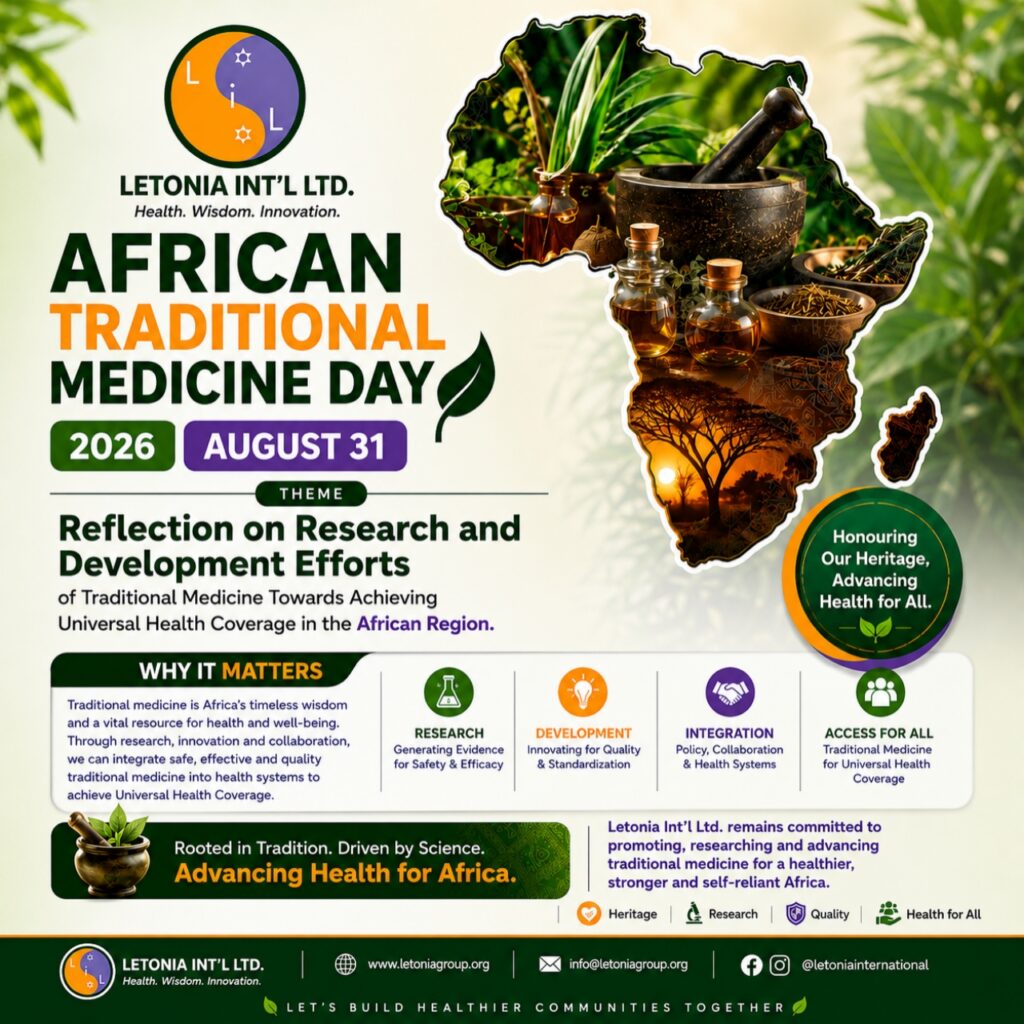
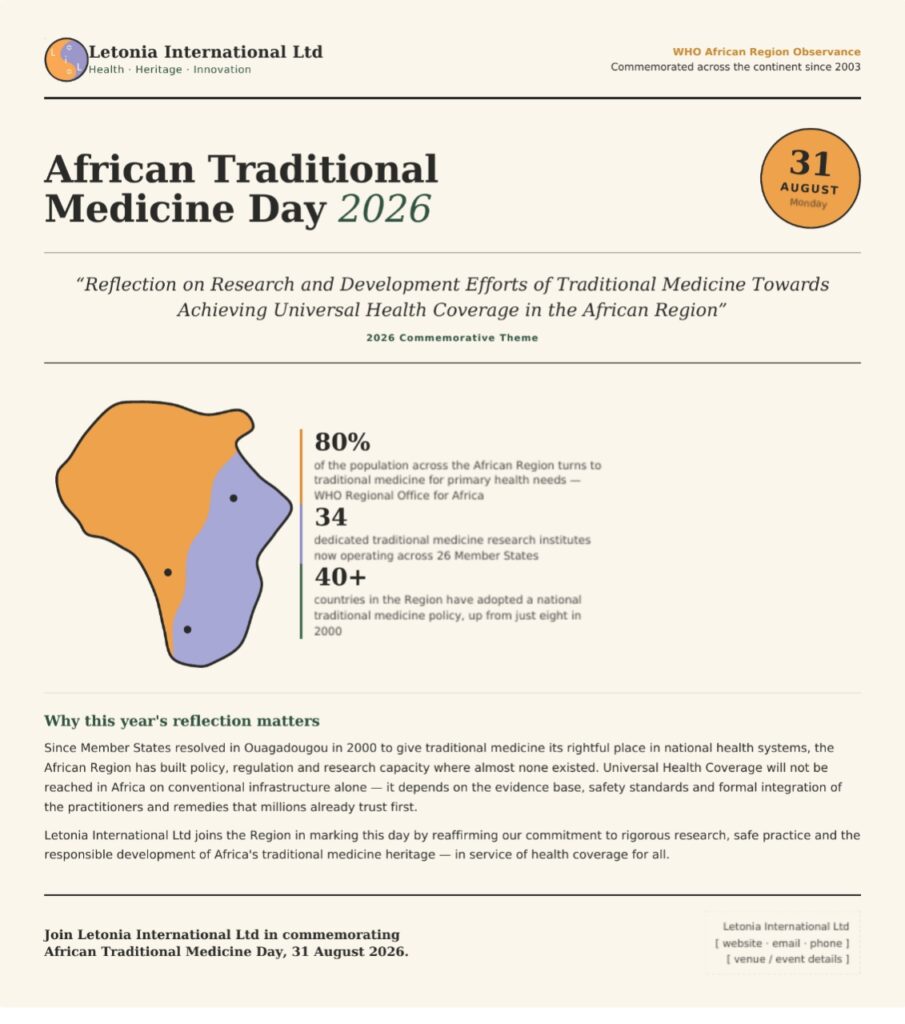
Every year on August 31, the African Region commemorates African Traditional Medicine Day, providing an opportunity to acknowledge the historical, cultural, scientific and public-health significance of traditional medicine across the continent.
The 2026 theme, “Reflection on Research and Development Efforts of Traditional Medicine Towards Achieving Universal Health Coverage in the African Region,” is particularly timely. It challenges Africa to move beyond simply acknowledging traditional medicine as part of its cultural heritage and to critically examine how research, innovation, regulation and responsible integration can transform its potential into measurable health benefits.
Traditional medicine remains an important component of healthcare in many African communities. The World Health Organization (WHO) recognises that traditional, complementary and integrative medicine is used by millions of people globally and can contribute to health and wellbeing when appropriately regulated and supported by evidence.
In Africa, traditional medicine is particularly relevant because healthcare access remains uneven. Distance to health facilities, cost, shortages of health workers, inadequate infrastructure and cultural preferences influence where and how people seek care.
Consequently, the central question should no longer be whether traditional medicine has a place in African healthcare. It already occupies one.
The more important questions are: What works? What does not work? What is safe? What is effective? How should quality be assured? What traditional practices can be scientifically validated? How can promising medicinal resources be developed into standardised health products? And how can proven interventions contribute appropriately to Universal Health Coverage (UHC)?
These are fundamentally questions of research and development (R&D).
Traditional Medicine and Africa's Public-Health Reality
Africa continues to confront a complex combination of communicable and non-communicable diseases, maternal and child health challenges, nutritional disorders, emerging infections and increasing demands associated with ageing and chronic disease.
At the same time, health systems in many countries face persistent constraints involving financing, infrastructure, human resources, medicine availability and equitable access.
Traditional medicine has consequently remained an accessible source of healthcare for many communities.
Its importance derives partly from its proximity, affordability, cultural acceptability and community embeddedness. Traditional health practitioners are often members of the communities they serve and may be consulted before, alongside or instead of conventional healthcare providers.
This reality creates both an opportunity and a responsibility.
Ignoring traditional medicine does not make its use disappear. Instead, it can create a parallel system operating with inadequate documentation, inconsistent quality assurance and insufficient safety surveillance.
Public health therefore requires an evidence-informed approach.
Traditional medicine should neither be romanticised nor dismissed. Its practices and products should be evaluated according to the same fundamental public-health principles that apply to other health interventions: quality, safety, efficacy, effectiveness, affordability, equity and appropriateness.
From Indigenous Knowledge to Scientific Evidence
Africa possesses an extraordinary body of indigenous knowledge concerning medicinal plants, foods, therapeutic practices and approaches to health and wellbeing.
This knowledge represents an important intellectual and cultural resource.
However, traditional knowledge is vulnerable to loss. As generations change and traditional knowledge holders age, valuable information can disappear unless systematically documented and preserved.
Documentation should therefore form an important part of African traditional medicine research.
But documentation should not become exploitation.
Indigenous communities and traditional knowledge holders should be recognised as stakeholders and partners. Research involving indigenous knowledge should observe ethical requirements concerning prior informed consent, intellectual property, ownership, confidentiality where appropriate and equitable benefit-sharing.
Scientific research can subsequently investigate promising traditional practices using appropriate methodologies.
This may include ethnobotanical research, phytochemical analysis, pharmacological investigation, toxicological assessment, formulation development, preclinical studies and clinical trials.
 Building African Research Capacity
If Africa is serious about harnessing traditional medicine for UHC, investment in research capacity is essential.
This includes laboratories, clinical research facilities, analytical technologies, pharmaceutical-development capacity, regulatory science and appropriately trained researchers.
Universities and research institutions should encourage interdisciplinary programmes linking:
pharmacognosy, pharmacy, medicine, public health, pharmacology, toxicology, botany, chemistry, biotechnology, epidemiology, anthropology, health economics and health policy.
Young African scientists should be encouraged to investigate indigenous medicinal resources using contemporary scientific technologies.
This is more than a health investment.
It is also an investment in African scientific sovereignty.
Africa should increasingly become a producer of knowledge and health technologies rather than primarily a consumer of technologies developed elsewhere.
The Economic and Developmental Opportunity
Traditional medicine research also has an economic dimension.
Africa possesses substantial biological resources and indigenous knowledge but remains heavily dependent on imported medicines and pharmaceutical products.
Developing scientifically validated traditional medicine products could strengthen local value chains involving:
cultivation → sustainable harvesting → processing → extraction → formulation → quality assurance → manufacturing → distribution.
This could generate employment and support local industries.
However, commercialisation must be balanced with environmental sustainability.
Unsustainable harvesting can threaten medicinal plant populations and biodiversity. Conservation, therefore, must become an integral component of traditional medicine development.
Africa should invest in cultivation and sustainable production systems rather than relying exclusively on uncontrolled harvesting from the wild.
Protecting Indigenous Knowledge
As traditional medicine becomes increasingly commercialised and scientifically investigated, questions of ownership and benefit-sharing become more important.
Indigenous communities should not simply provide knowledge while external researchers or corporations capture the resulting economic benefits.
Research partnerships should incorporate mechanisms for recognition, consent, intellectual-property protection and equitable benefit-sharing.
The Nagoya Protocol on Access and Benefit-sharing provides an important international framework for addressing access to genetic resources and the fair and equitable sharing of benefits arising from their utilisation.
Protecting indigenous knowledge is therefore not only an ethical responsibility; it can also encourage communities to participate actively in conservation, documentation and research.
Digital Technology and the Future
Digital technology offers additional opportunities.
African countries can develop digital repositories for medicinal plants and traditional knowledge, subject to appropriate safeguards. Artificial intelligence and computational approaches can support natural-product discovery and chemical analysis. Digital platforms can assist with practitioner education, research collaboration and pharmacovigilance.
However, technology must complement rather than replace scientific validation.
No algorithm can substitute for appropriate clinical evidence, ethical review, quality control and regulatory oversight.
A New African Research Agenda
The 2026 theme should stimulate a renewed African research agenda built around priority health needs.
Key priorities should include:
1. Systematic documentation and preservation of indigenous medical knowledge.
2. Scientific investigation of promising medicinal plants and traditional practices.
3. Standardisation and quality assurance of traditional medicine products.
4. Rigorous preclinical and clinical research.
5. Strengthening pharmacovigilance and safety surveillance.
6. Harmonisation of appropriate regulatory standards across countries.
7. Protection of indigenous knowledge and equitable benefit-sharing.
8. Sustainable cultivation and conservation of medicinal resources.
9. Development of African research and manufacturing capacity.
10. Health-economic research on affordability and cost-effectiveness.
11. Implementation research on responsible health-system integration.
12. Strengthened regional and international research collaboration.
Above all, research must progress beyond publication to translation.
A discovery that remains confined to a laboratory or academic journal has limited population-health impact.
Discovery must lead to translation, and translation must ultimately lead to improved health outcomes.
From Celebration to Transformation
African Traditional Medicine Day should therefore be more than an annual ceremonial event.
It should become an opportunity for reflection, accountability and action.
Africa should ask:
How much is being invested in traditional medicine research?
How many promising discoveries have progressed from laboratory research to clinical evaluation?
How many traditional medicine products meet appropriate quality standards?
How effective are pharmacovigilance systems?
How much indigenous knowledge is being systematically preserved?
How much value is Africa capturing from its own medicinal biodiversity?
And perhaps most importantly:
How much of this research is actually improving the health and wellbeing of African populations?
These questions matter because the ultimate measure of research is not the number of papers published, but the knowledge generated, innovations developed, lives improved and inequalities reduced.
 Conclusion
The 2026 African Traditional Medicine Day theme, “Reflection on Research and Development Efforts of Traditional Medicine Towards Achieving Universal Health Coverage in the African Region,” provides Africa with an opportunity to rethink the place of traditional medicine in contemporary healthcare.
Africa cannot afford to ignore credible opportunities to improve access to safe, effective, affordable and culturally acceptable healthcare.
Traditional medicine represents one such opportunity—but its future must be guided by evidence rather than sentiment; science rather than speculation; regulation rather than unrestrained commercialisation; sustainability rather than exploitation; and partnership rather than polarisation.
The objective should not be to prove that traditional medicine is superior to conventional medicine, nor to establish that conventional medicine is inherently superior to traditional medicine.
The objective should be to determine, through rigorous research and responsible public-health practice, what works, what is safe, what is affordable, what is culturally appropriate and how proven interventions can contribute to better health outcomes.
Africa possesses an extraordinary inheritance of indigenous medical knowledge and biological resources.
The responsibility of the present generation is to ensure that this inheritance is neither lost through neglect nor exploited through irresponsible commercialisation.
It should be documented, scientifically investigated, validated where appropriate, standardised, regulated, sustainably developed and translated into health solutions that serve humanity.
Universal Health Coverage requires health systems capable of combining access, quality, affordability, safety, equity and innovation.
Traditional medicine can contribute to that vision—but only through a deliberate commitment to research, development, responsible integration and continuous evaluation.
As Africa commemorates African Traditional Medicine Day 2026, the message should therefore be unequivocal:
Africa must not merely preserve its traditional medicine heritage. It must research it, validate it, regulate it, innovate through it and responsibly harness its proven potential for the health and wellbeing of present and future generations.
Happy African Traditional Medicine Day 2026!
PS: Dr. Emereonye could be reached on: +234 803 3922 445
 REFERENCES
1. World Health Organization (WHO). WHO Traditional Medicine Strategy: 2014–2023. Geneva: World Health Organization; 2013.
https://www.who.int/publications/i/item/9789241506096
2. World Health Organization (WHO). Global Traditional Medicine Strategy 2025–2034. Geneva: World Health Organization; 2025.
https://www.who.int/publications/i/item/9789240117137
3. World Health Organization Regional Office for Africa. Traditional Medicine Strategy 2013–2023. Brazzaville: WHO Regional Office for Africa.
https://www.afro.who.int/publications/regional-strategy-traditional-medicine-2013-2023
4. World Health Organization. WHO Global Report on Traditional and Complementary Medicine 2019. Geneva: World Health Organization; 2019.
https://www.who.int/publications/i/item/978924151536
5. World Health Organization. Traditional Medicine. WHO Fact Sheet. Geneva: World Health Organization.
https://www.who.int/news-room/questions-and-answers/item/traditional-medicine
6. World Health Organization. Universal Health Coverage (UHC). Geneva: World Health Organization.
https://www.who.int/health-topics/universal-health-coverage
7. World Health Organization Regional Office for Africa. The State of Health in the African Region. Brazzaville: WHO Regional Office for Africa.
https://www.afro.who.int/
8. World Health Organization. WHO Guidelines on Good Agricultural and Collection Practices (GACP) for Medicinal Plants. Geneva: World Health Organization; 2003.
https://www.who.int/publications/i/item/9241546271
9. World Health Organization. WHO Guidelines for Assessing Quality of Herbal Medicines with Reference to Contaminants and Residues. Geneva: World Health Organization; 2007.
https://www.who.int/publications/i/item/9789241594448
10. United Nations. Convention on Biological Diversity: Nagoya Protocol on Access to Genetic Resources and the Fair and Equitable Sharing of Benefits Arising from their Utilization. Montreal: Secretariat of the Convention on Biological Diversity; 2011.
https://www.cbd.int/abs/
11. Petrovska BB. Historical review of medicinal plants' usage. Pharmacognosy Reviews. 2012;6(11):1–5.
https://doi.org/10.4103/0973-7847.95849
12. Fabricant DS, Farnsworth NR. The value of plants used in traditional medicine for drug discovery. Environmental Health Perspectives. 2001;109(Suppl 1):69–75.
https://doi.org/10.1289/ehp.01109s169
13. Calixto JB. Twenty-five years of research on medicinal plants in Latin America: a personal view. Journal of Ethnopharmacology. 2005;100(1–2):131–134.https://doi.org/10.1016/j.jep.2005.06.004
14. World Health Organization. WHO Guidelines for the Assessment of Herbal Medicines. Geneva: World Health Organization.
https://www.who.int/
15. United Nations. Transforming our World: The 2030 Agenda for Sustainable Development. New York: United Nations; 2015. https://sdgs.un.org/2030agenda