Holistic Healthcare Provision – The Letonia Perspective
By Livy-Elcon Emereonye
Every man gives what he has in abundance. People approach issues from their own views and understanding
Holistic healthcare provision, from the Letonia perspective, is both a philosophy and a disciplined practice anchored in one simple but radical conviction: health is not a commodity to be dispensed in fragments but a state of wholeness to be cultivated deliberately, intelligently, and ethically. It rejects the narrow reduction of human beings to organs, symptoms, or drug targets, and insists instead on seeing the person as a dynamic integration of biology, psychology, social relationships, culture, environment, and purpose. For Letonia, healthcare is not merely about surviving disease; it is about restoring balance, sustaining vitality, and enabling individuals and communities to function optimally over the long term.
Modern healthcare systems, for all their technological sophistication, often operate within a crisis-response model. People present when they are already sick, interventions are largely reactive, and success is measured by symptom suppression rather than by genuine recovery or resilience. Letonia’s approach challenges this paradigm. It affirms the value of biomedical science—diagnostics, pharmacology, surgery, and emergency care—while simultaneously exposing the dangers of over-medicalization, polypharmacy, and the neglect of root causes. In this sense, holistic care is not anti-science; it is post-reductionist science, one that acknowledges complexity and systems thinking as essential to understanding health and disease.


Central to the Letonia perspective is the understanding that chronic diseases—hypertension, diabetes, cardiovascular disorders, autoimmune conditions, metabolic syndrome, and stress-related illnesses—are rarely the result of a single cause. They emerge from long-standing interactions between genetic predisposition, dietary patterns, physical inactivity, chronic stress, environmental toxins, poor sleep, and social dislocation. Treating such conditions with drugs alone may offer temporary control, but it often leaves the underlying drivers untouched. Holistic healthcare therefore prioritizes causation over mere correlation, asking not only “What disease does this person have?” but “Why has this person developed this condition at this time, in this context?”
Nutrition occupies a foundational place in Letonia’s model. Food is understood as information as much as fuel, shaping metabolic pathways, inflammatory responses, gut microbiota, hormonal balance, and immune competence. Evidence from nutritional epidemiology and clinical trials consistently links dietary patterns rich in whole foods—vegetables, fruits, legumes, whole grains, nuts, seeds, and healthy fats—with reduced risk of non-communicable diseases (Willett et al., 2019). Letonia’s holistic provision does not promote dietary dogma but encourages individualized nutritional strategies informed by science, culture, and practicality, recognizing that sustainable health emerges when dietary advice aligns with people’s lived realities.
Clinical herbal medicine, approached rigorously and responsibly, is another pillar of the Letonia perspective. Africa, and Nigeria in particular, is endowed with a rich pharmacopeia of medicinal plants whose therapeutic potential has sustained communities for centuries. However, Letonia insists that tradition alone is not enough. Herbal interventions must be subjected to scientific scrutiny—standardization, safety profiling, dose optimization, and clinical evaluation. Increasing evidence supports the efficacy of certain herbal preparations in managing conditions such as hypertension, mild depression, inflammatory disorders, and metabolic dysfunction when used appropriately (Ekor, 2014; Pan et al., 2013). By integrating validated herbal therapies with conventional care, Letonia seeks to expand therapeutic options without compromising patient safety.
Mind–body integration is treated not as a peripheral concern but as a clinical necessity. Chronic psychological stress has been shown to dysregulate the hypothalamic–pituitary–adrenal axis, promote systemic inflammation, and worsen outcomes in cardiovascular and metabolic diseases (McEwen & Akil, 2020). From the Letonia standpoint, ignoring the mental and emotional dimensions of illness is a form of clinical negligence. Interventions such as stress management, counseling, mindfulness-based practices, social support, and purpose-driven living are therefore embedded within care plans, not offered as optional extras. Healing, in this framework, is as much about restoring inner coherence as it is about correcting biochemical imbalances.
Preventive care is the quiet backbone of holistic healthcare provision. Letonia views prevention not as a slogan but as a measurable, actionable strategy. Regular health education, lifestyle coaching, early screening, and community-based interventions are designed to intercept disease trajectories before they harden into pathology. This approach aligns with global public health evidence showing that lifestyle modification can prevent or significantly delay the onset of many chronic diseases (World Health Organization [WHO], 2023). Prevention, from this view, is not cheaper because it is inferior; it is cheaper because it is wiser.
A defining feature of the Letonia perspective is patient empowerment. The traditional paternalistic model of healthcare, where practitioners dictate and patients comply, is replaced by a partnership model grounded in mutual respect and shared decision-making. Individuals are educated about their conditions, treatment options, risks, and responsibilities, enabling them to participate actively in their healing process. This empowerment has been associated with better compliance not adherence, improved outcomes, and higher patient satisfaction (Hibbard & Greene, 2013). Health, in this sense, becomes something people do, not something merely done to them.
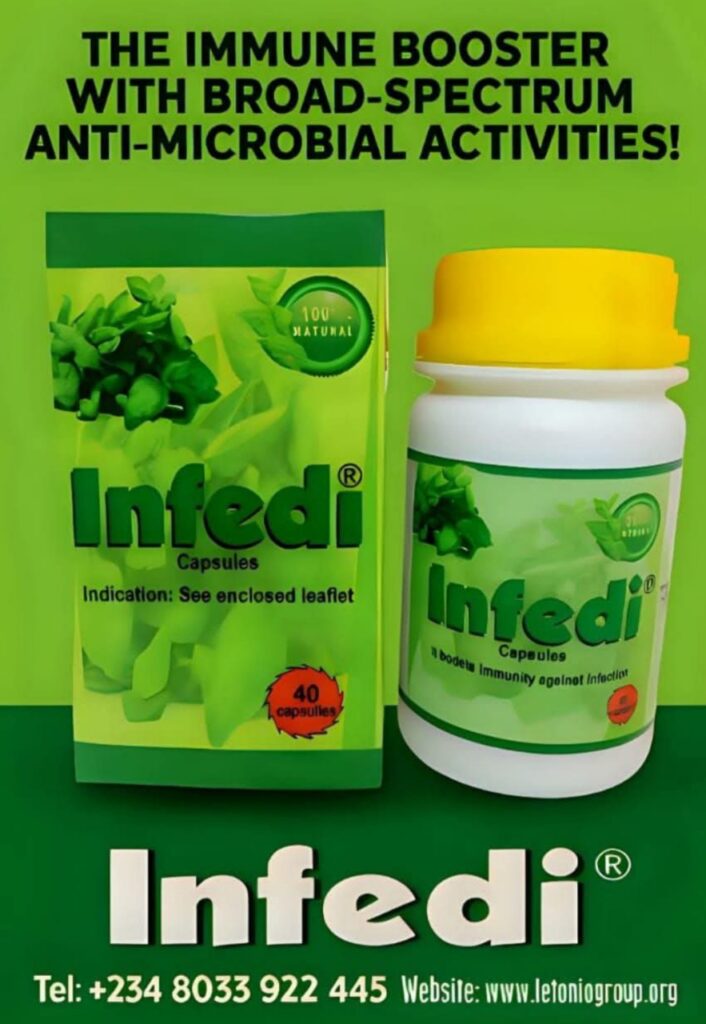
Ethics and quality assurance occupy a non-negotiable space in Letonia’s holistic framework. Integrative care, if poorly regulated, can slide into quackery or exploitation. Letonia therefore emphasizes professional training, adherence to responsible regulatory standards, pharmacovigilance, and continuous evaluation of outcomes. Whether dealing with pharmaceuticals, nutraceuticals, or herbaceuticals or any other formulations, safety, efficacy, and transparency remain paramount. This ethical stance protects patients while preserving the credibility of integrative healthcare as a serious and legitimate discipline.
Context matters deeply in holistic provision. Letonia’s perspective is shaped by the realities of low- and middle-income settings, where availability, accessibility, acceptability, affordability, and cultural relevance are critical. Imported models of healthcare that ignore local contexts often fail. By drawing on indigenous knowledge, local resources, and community structures—while aligning them with global best practices—holistic healthcare becomes both effective and sustainable. It also addresses health inequities by making care more accessible and culturally resonant.
Holistic healthcare provision, as articulated by Letonia, is inherently multidisciplinary. Physicians, pharmacists, nurses, nutritionists, herbalists, psychologists, and public health professionals collaborate rather than compete. Each discipline brings a unique lens, and together they form a more complete picture of the patient’s needs. This collaborative model counters the fragmentation that plagues many health systems, where patients shuttle between specialists without coherence or continuity of care.
Ultimately, the Letonia perspective frames health as a state of dynamic balance rather than static perfection. Illness is not always an enemy to be crushed but sometimes a messenger revealing imbalance, overload, or neglect. The task of healthcare is to listen intelligently to that message and respond with interventions that restore harmony at multiple levels of human existence. In an era marked by rising chronic disease, escalating healthcare costs, and widespread dissatisfaction with purely biomedical solutions, holistic healthcare provision stands not as an alternative curiosity but as an essential evolution.
From this standpoint, Letonia’s vision is unapologetically forward-looking. It seeks to build systems that heal rather than merely manage, that prevent rather than perpetually react, and that honour both science and wisdom. Health, in this vision, is not the absence of disease but the presence of resilience, clarity, productivity, and meaning. That is the promise—and the responsibility—of holistic healthcare provision from the Letonia perspective. Yes, at Letonia the word, “incurable” is a myth as we continuously work towards providing replicable solutions to problems and cost-effective remedies for every disease. Come and partner with us.
PS: Dr. Emereonye could be reached on: +234 803 3922 445
References
Ekor, M. (2014). The growing use of herbal medicines: Issues relating to adverse reactions and challenges in monitoring safety. Frontiers in Pharmacology, 4, 177. https://doi.org/10.3389/fphar.2013.00177
Hibbard, J. H., & Greene, J. (2013). What the evidence shows about patient activation: Better health outcomes and care experiences; fewer data on costs. Health Affairs, 32(2), 207–214. https://doi.org/10.1377/hlthaff.2012.1061
McEwen, B. S., & Akil, H. (2020). Revisiting the stress concept: Implications for affective disorders. Journal of Neuroscience, 40(1), 12–21. https://doi.org/10.1523/JNEUROSCI.0733-19.2019
Pan, S. Y., Litscher, G., Gao, S. H., Zhou, S. F., Yu, Z. L., Chen, H. Q., Zhang, S. F., Tang, M. K., Sun, J. N., & Ko, K. M. (2013). Historical perspective of traditional indigenous medical practices: The current renaissance and conservation of herbal resources. Evidence-Based Complementary and Alternative Medicine, 2013, 525340. https://doi.org/10.1155/2013/525340
Willett, W., Rockström, J., Loken, B., Springmann, M., Lang, T., Vermeulen, S., Garnett, T., Tilman, D., DeClerck, F., Wood, A., et al. (2019). Food in the Anthropocene: The EAT–Lancet Commission on healthy diets from sustainable food systems. The Lancet, 393(10170), 447–492. https://doi.org/10.1016/S0140-6736(18)31788-4
World Health Organization. (2023). Noncommunicable diseases: Key facts. https://www.who.int/news-room/fact-sheets/detail/noncommunicable-diseases
Leave a comment