
Cancer: The Myths and the Facts — Perception, Understanding, and Management
By Livy-Elcon Emereonye
Abstract
Cancer remains one of the leading causes of morbidity and mortality globally, yet public perception of the disease continues to be shaped by myths, fear, stigma, and misinformation. These misconceptions are particularly consequential in low- and middle-income countries, including those in Africa, where late presentation and poor health-seeking behaviour contribute significantly to preventable deaths. This article critically examines cancer through the lenses of myth versus fact, scientific understanding, and contemporary management strategies. Emphasis is placed on prevention, early detection, conventional oncology, and the responsible integration of herbal medicine within an evidence-based framework. Using Nigeria as a case study, the paper analyzes epidemiological trends, cultural factors, regulatory oversight by the National Agency for Food and Drug Administration and Control (NAFDAC), and the emerging concept of herbaceutics. The article argues that dismantling myths, strengthening regulation, and promoting responsible integrative oncology are essential for improving cancer outcomes in Africa.
Keywords: Cancer myths, oncology, Africa, Nigeria, herbal medicine, herbaceutics, integrative oncology, NAFDAC
1. Introduction
Cancer occupies a unique position among human diseases, evoking fear disproportionate to many other chronic illnesses. For millions, a cancer diagnosis is perceived not as a medical condition to be managed, but as a definitive verdict of suffering and death. This perception persists despite decades of advances that have transformed cancer care globally.
According to the World Health Organization (WHO), cancer accounts for nearly 10 million deaths annually, making it a leading cause of mortality worldwide. However, outcomes differ sharply between regions. While survival rates have improved markedly in high-income countries, low- and middle-income countries—particularly in Africa—continue to experience disproportionately high mortality. This disparity is driven less by biological differences and more by late diagnosis, weak health systems, limited access to care, poverty, and entrenched misconceptions.
Cancer is not a single disease but a heterogeneous group of disorders characterized by uncontrolled cell growth and the potential for invasion and metastasis. Effective cancer control therefore requires not only biomedical intervention but also public education, cultural engagement, policy coherence, and regulatory discipline.
2. Cancer Myths and Public Perception
2.1 Cancer as a Death Sentence
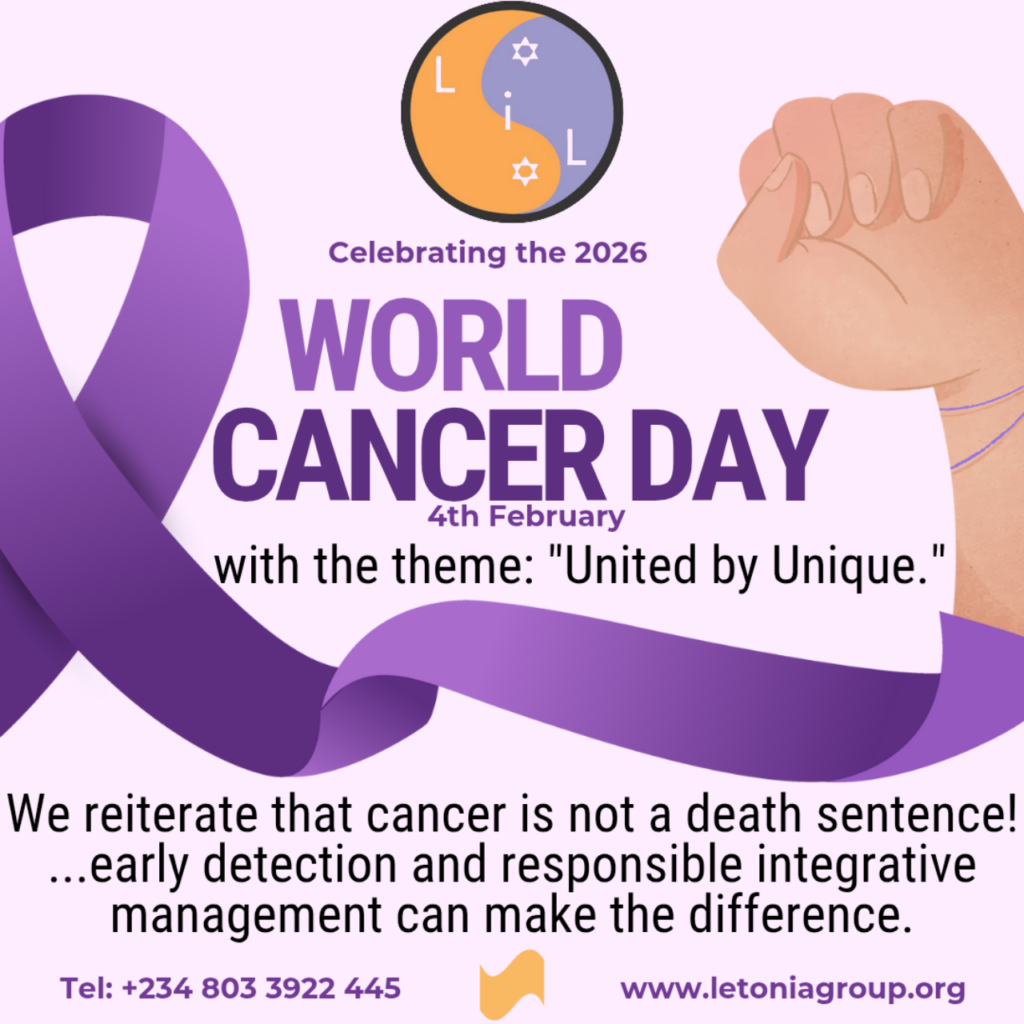
One of the most pervasive myths surrounding cancer is that it is invariably fatal. In reality, many cancers are curable or controllable, particularly when detected early. For example, five-year survival rates for early-stage breast, cervical, prostate, and colorectal cancers exceed 80–90% in well-resourced settings.
In Africa and Nigeria, however, the myth of inevitability discourages early presentation and screening, creating a self-fulfilling prophecy of poor outcomes.
2.2 Spiritual and Supernatural Explanations
In many African societies, cancer is commonly attributed to curses, witchcraft, ancestral punishment, or spiritual attacks. While spirituality can provide emotional support, there is no scientific evidence linking supernatural forces to cancer causation. Such beliefs often redirect patients away from timely medical care toward unregulated spiritual or traditional interventions.
2.3 Fear of Diagnosis and Treatment
Fear of surgery, chemotherapy, and radiotherapy remains widespread. Myths such as “surgery causes cancer to spread” or “chemotherapy kills faster than cancer” persist despite overwhelming clinical evidence to the contrary. These misconceptions contribute significantly to late-stage presentation.
2.4 Stigma and Silence
Cancer-related stigma leads many patients to conceal symptoms and diagnoses. In some communities, cancer is viewed as contagious or shameful, compounding psychological distress and delaying care.
3. Scientific Understanding of Cancer
Cancer arises from genetic mutations that disrupt normal cellular regulation. These mutations may be inherited or acquired through environmental exposures, lifestyle factors, infections, or aging.
3.1 Hallmarks of Cancer
Key biological features include:
– Sustained proliferative signaling
– Resistance to apoptosis
– Genomic instability
– Angiogenesis
– Invasion and metastasis
(Hanahan & Weinberg, 2011)
3.2 Risk Factors
Major risk factors include:
– Tobacco use
– Harmful alcohol consumption
– Obesity and physical inactivity
– Poor diet
– Environmental and occupational carcinogens
– Chronic infections (HPV, HBV, HCV, H. pylori)
– Radiation exposure
– Genetic predisposition
The WHO estimates that 30–50% of cancers are preventable through effective risk reduction.
4. Cancer in Africa and Nigeria: Epidemiology and Systemic Gaps
4.1 Africa’s Cancer Burden
Africa records approximately 1.1 million new cancer cases and over 700,000 deaths annually, with projections indicating a doubling by 2040 (GLOBOCAN 2020). Mortality-to-incidence ratios remain among the highest globally.
4.2 Nigeria’s Cancer Profile
Nigeria contributes significantly to Africa’s cancer burden:
– ~124,000 new cases annually
– ~78,000 deaths per year
– Over 70% present at Stage III or IV disease
The most common cancers include:
– Breast and cervical cancers (women)
– Prostate cancer (men)
– Colorectal and liver cancers
Notably, cervical and liver cancers—both largely preventable—remain highly prevalent, reflecting gaps in vaccination, screening, and awareness.
5. Prevention and Early Detection
5.1 Primary Prevention
Effective strategies include:
– Tobacco control
– Healthy diet and physical activity
– HPV and Hepatitis B vaccination
– Environmental and occupational safety
5.2 Screening and Early Diagnosis
Evidence-based screening includes:
– Cervical cancer: Pap smear / HPV testing
– Breast cancer: Mammography
– Colorectal cancer: FOBT / colonoscopy
– Prostate cancer: Risk-based PSA testing
In Nigeria, the absence of organized national screening programmes remains a major barrier.
6. Conventional Cancer Management
6.1 Surgery
Surgery remains the cornerstone of curative treatment for localized cancers.
6.2 Radiotherapy
Radiotherapy plays curative, adjuvant, and palliative roles, yet access in Nigeria remains limited.
6.3 Chemotherapy
Chemotherapy remains central to systemic cancer treatment, with supportive care improving tolerability.
6.4 Targeted Therapy and Immunotherapy
These innovations have revolutionized outcomes for selected cancers, though cost and access limit their availability in Africa.

7. Integrative Oncology and Responsible Herbal Medicine
7.1 Integrative Oncology Defined
Integrative oncology combines evidence-based complementary therapies with conventional cancer treatment to improve quality of life and symptom control.
7.2 Herbal Medicine and Oncology: From Tradition to Science
Several modern anticancer drugs originated from plants:
– Paclitaxel (Taxus brevifolia)
– Vincristine and vinblastine (Catharanthus roseus)
– Camptothecin derivatives (Camptotheca acuminata) etc.
7.3 Nigerian and African Medicinal Plants of Oncological Interest:
Through ethnobotany, ethnomedicine and ethnopharmacy, many medicinal plants have shown promises in cancer management. Some examples include:
– Annona muricata: Cytotoxic acetogenins; neurotoxicity concerns
– Garcinia kola: Kolaviron with antioxidant and hepatoprotective effects
– Vernonia amygdalina: Antioxidant and antiproliferative activity
– Curcuma longa: Anti-inflammatory and adjunctive potential
– Nigella sativa: Thymoquinone with pro-apoptotic effects.
8. Herbaceutics and NAFDAC Regulatory Framework
8.1 NAFDAC’s Role
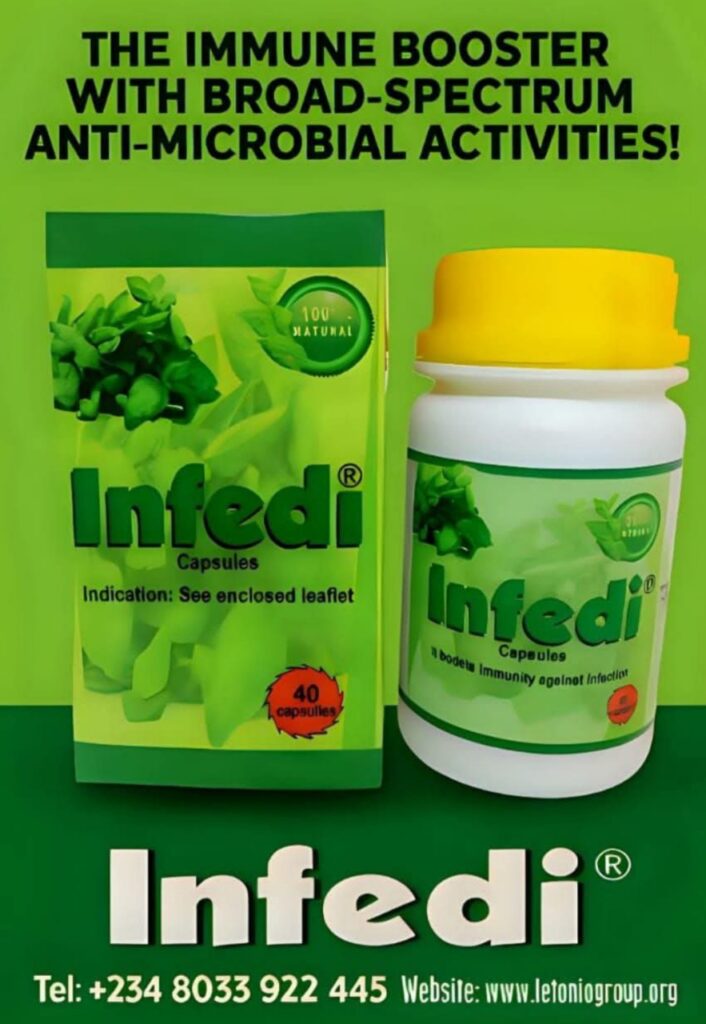
NAFDAC regulates herbal medicinal products, nutraceuticals, and complementary medicines in Nigeria. Crucially, NAFDAC does not approve herbal products as cancer cures, but may permit:
– Symptom support claims
– General health and immune support claims
8.2 Regulatory Challenges
Persistent issues include:
– Proliferation of unregistered products
– False advertising of “cancer cures”
– Weak post-marketing surveillance
– Limited clinical trial data
8.3 Herbaceutics: A Policy Opportunity
Herbaceutics, as postulated by Livy-Elcon Emereonye, among others summarily refers to standardized, quality-controlled herbal products developed using pharmaceutical principles. Nigeria is well positioned to develop this sector through:
– Phytochemical standardization
– Toxicological studies
– Clinical trials
– Pharmacovigilance etc
This approach aligns with WHO’s Traditional Medicine Strategy and protects public health while leveraging indigenous knowledge.
9. Palliative Care and Quality of Life
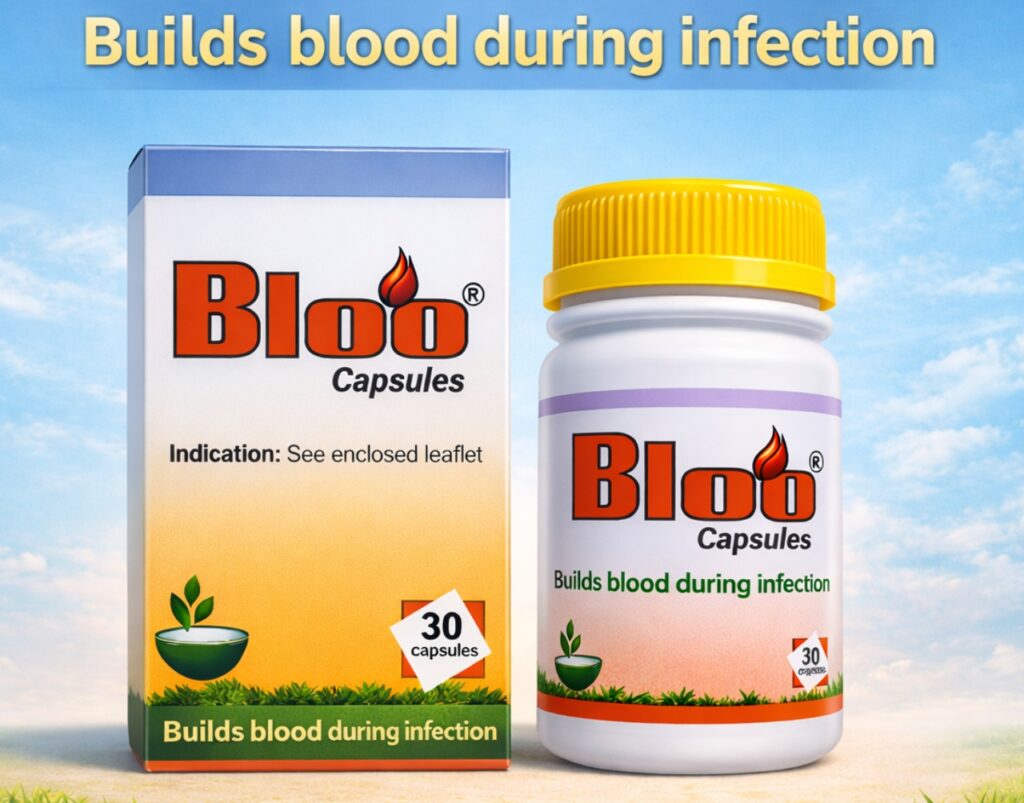
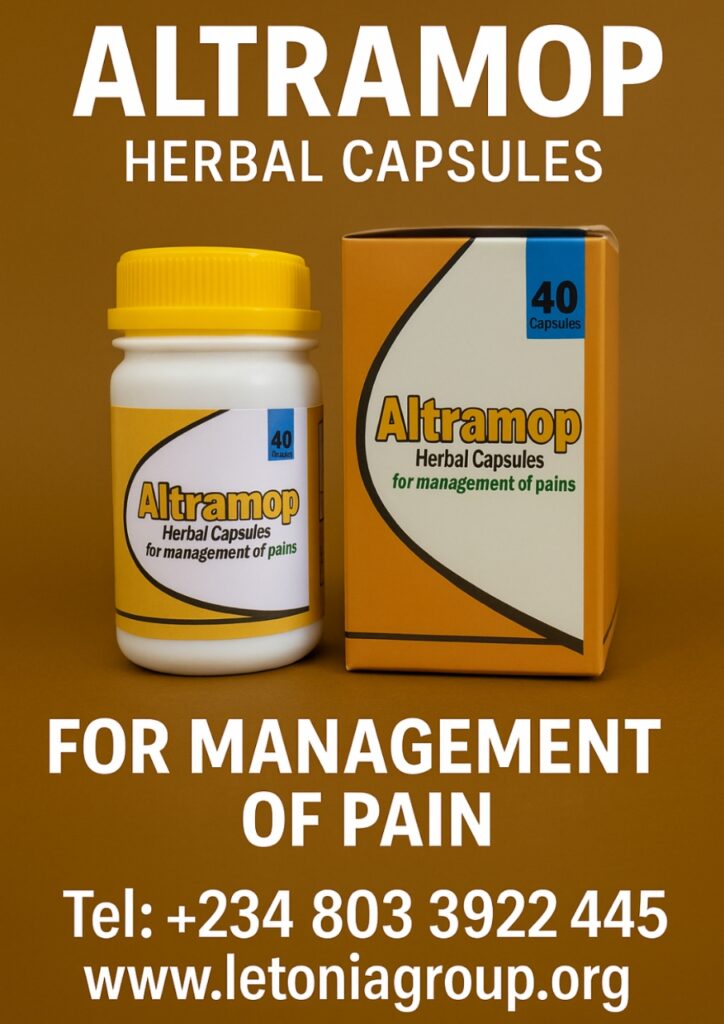
Palliative care should be integrated early to manage pain, psychological distress, and social needs. It is not synonymous with end-of-life care, but with patient-centered care across the disease trajectory.
10. Conclusion
Cancer is neither a mystical affliction nor an automatic death sentence. It is a complex biological disease shaped by social, cultural, and systemic factors. In Africa and Nigeria, the greatest obstacles to effective cancer control remain myths, fear, late presentation, weak regulation, and inequitable access to care.
Replacing superstition with science, strengthening NAFDAC oversight, investing in herbaceutics research, and promoting responsible integrative oncology can significantly improve outcomes. The future of cancer care lies not in extremes, but in evidence-based integration, early intervention, and compassionate governance that will improve the health of cancer patients and make them enjoy normal life.
PS: Dr. Emereonye could be reached on: +234 803 3922 445.
References
1. World Health Organization. Cancer Fact Sheet.
2. Hanahan, D., & Weinberg, R. A. (2011). Cell, 144(5), 646–674.
3. Sung, H., et al. (2021). CA: A Cancer Journal for Clinicians, 71(3), 209–249.
4. Federal Ministry of Health, Nigeria. National Cancer Control Plan.
5. Cragg, G. M., & Newman, D. J. (2013). BBA, 1830(6), 3670–3695.
6. Deng, G. E., et al. (2018). JNCI Monographs.
7. WHO. Traditional Medicine Strategy.
Leave a comment