
Hepatitis: Let’s Break It Down
Understanding Hepatitis Through Science, Prevention, and Integrative Care
By Livy-Elcon Emereonye
Introduction
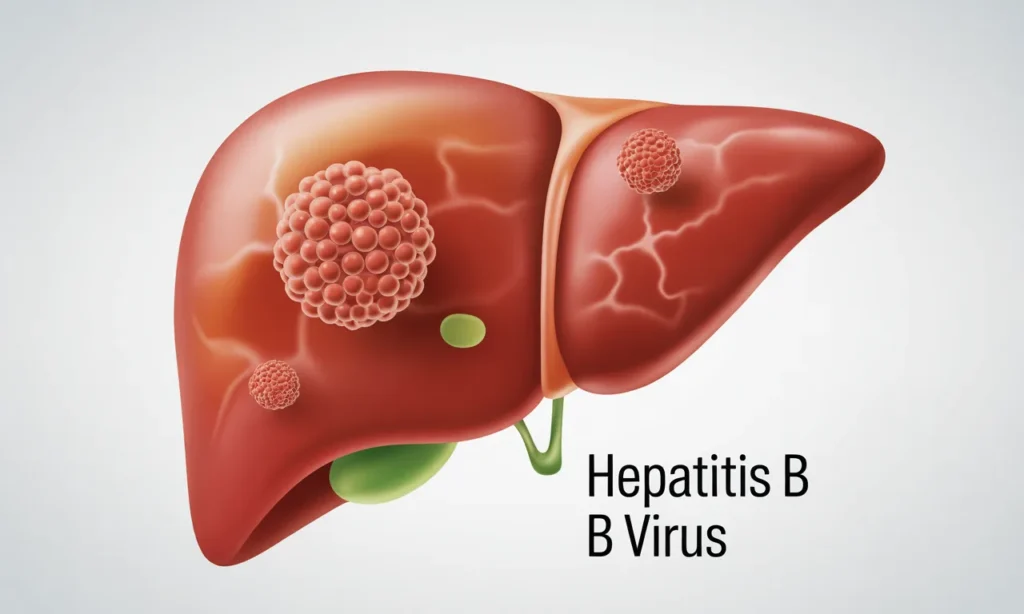
Hepatitis is a major global public health challenge that continues to claim millions of lives despite the availability of effective vaccines, diagnostic tools, and treatments. The World Health Organization (WHO) estimates that viral hepatitis causes approximately 1.3 million deaths each year, placing it among the leading infectious causes of mortality worldwide. Many infected individuals remain unaware of their status because hepatitis often progresses silently, earning it the reputation of a “silent killer.” Left undiagnosed or untreated, it can result in liver cirrhosis, liver failure, and hepatocellular carcinoma (primary liver cancer).
The theme “Hepatitis: Let’s Break It Down” calls for simplifying complex scientific information into practical knowledge that empowers individuals, families, communities, healthcare providers, and policymakers. Understanding hepatitis is the first step toward preventing infection, promoting early diagnosis, ensuring timely treatment, and ultimately achieving the WHO goal of eliminating viral hepatitis as a public health threat by 2030.
What Is Hepatitis?
Hepatitis simply means inflammation of the liver. The liver is the body’s largest internal organ and performs over 500 essential functions, including detoxifying harmful substances, producing bile for digestion, regulating metabolism, storing nutrients, synthesizing proteins, supporting immunity, and maintaining normal blood clotting. When inflammation damages liver cells, these vital functions become impaired, affecting overall health and quality of life.
Causes and Types of Hepatitis
Although viruses are the most common cause, hepatitis may also result from excessive alcohol consumption, certain medications, toxins, autoimmune diseases, and metabolic disorders such as metabolic dysfunction-associated steatotic liver disease (MASLD).
Five major viruses cause viral hepatitis:
– Hepatitis A (HAV): Spread mainly through contaminated food and water. It usually causes an acute illness from which most people recover completely. Vaccination provides effective protection.
– Hepatitis B (HBV): Transmitted through infected blood, sexual contact, contaminated needles, and from mother to child during childbirth. It may become chronic and significantly increase the risk of cirrhosis and liver cancer.
– Hepatitis C (HCV): Primarily transmitted through blood exposure, particularly unsafe injections and unscreened blood transfusions. Although no vaccine exists, modern antiviral medicines can cure over 95% of infected individuals.
– Hepatitis D (HDV): Occurs only in people already infected with hepatitis B and often leads to more severe liver disease.
– Hepatitis E (HEV): Usually transmitted through contaminated water and is particularly dangerous during pregnancy.
Signs and Symptoms
Many people experience no symptoms until significant liver damage has occurred. When symptoms develop, they may include fatigue, fever, nausea, vomiting, abdominal discomfort, loss of appetite, dark urine, pale stools, jaundice (yellowing of the eyes and skin), itching, and unexplained weight loss. Because these symptoms may be subtle or absent, regular screening of high-risk individuals is essential.
Who Is at Risk?
Higher-risk groups include healthcare workers, people who inject drugs, recipients of unscreened blood products, individuals with multiple sexual partners, household contacts of infected persons, people living with HIV, patients undergoing dialysis, and babies born to mothers infected with hepatitis B.
Diagnosis
Accurate diagnosis combines clinical evaluation with laboratory investigations. Blood tests assess liver function and detect viral markers such as HBsAg and anti-HCV, while molecular tests measure viral load. Imaging techniques, including ultrasound and FibroScan®, help evaluate liver damage, and liver biopsy may be considered in selected cases.
Prevention: The Most Effective Strategy
Most cases of viral hepatitis are preventable. The most effective preventive measures include hepatitis A and B vaccination, safe drinking water, proper sanitation, regular handwashing, safe sexual practices, screening of blood products, sterile medical procedures, safe injection practices, and prevention of mother-to-child transmission. Public awareness, routine screening, and early treatment are equally important in reducing disease transmission and preventing complications.
Conventional Treatment
- Treatment depends on the specific cause. Hepatitis A usually requires supportive care, while chronic hepatitis B is managed with antiviral medications such as Tenofovir or Entecavir to suppress viral replication and reduce liver damage. Hepatitis C has become one of the few chronic viral infections that can be cured, thanks to highly effective Direct-Acting Antiviral (DAA) medications. Autoimmune hepatitis is treated with immunosuppressive medicines, whereas alcoholic hepatitis requires complete abstinence from alcohol, nutritional rehabilitation, and appropriate medical management.
Integrative Management: A Complementary Approach
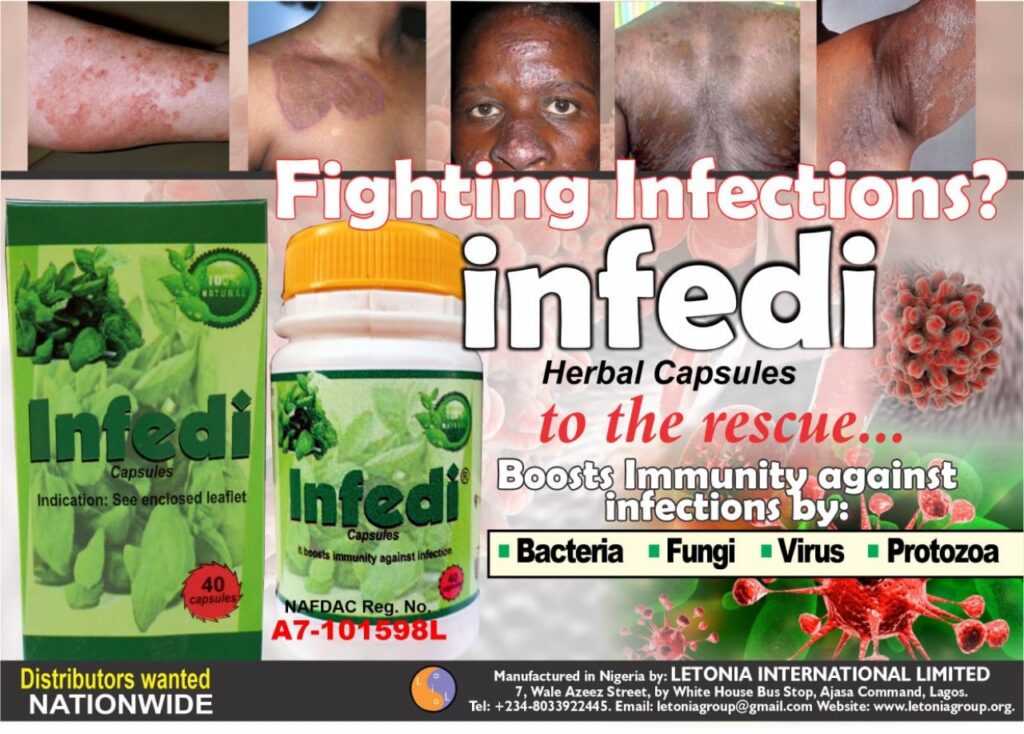
Integrative medicine combines conventional medical treatment with evidence-informed complementary interventions to optimize patient outcomes. It does not replace standard medical care but supports liver health, symptom control, nutritional status, and overall well-being.
Nutritional therapy plays an important role. A balanced diet rich in fruits, vegetables, whole grains, legumes, lean proteins, healthy fats, and adequate fluids helps support liver function, while limiting alcohol, highly processed foods, excessive sugar, and saturated fats reduces additional stress on the liver.
Healthy lifestyle practices—including regular physical activity, maintaining a healthy weight, quality sleep, stress management, and smoking cessation—contribute significantly to improved liver health, particularly in individuals with chronic hepatitis or fatty liver disease. Where clinically indicated, correcting deficiencies of vitamin D, zinc, selenium, and B-complex vitamins may further support recovery under professional supervision.
Herbal Approach: Evidence with Caution
Medicinal plants have long been used to support liver health, and modern research has identified several herbs with hepatoprotective, antioxidant, and anti-inflammatory properties. However, herbal medicine should be regarded as complementary rather than alternative to evidence-based medical treatment.
Among the most studied botanicals is Milk Thistle (Silybum marianum), whose active compound, silymarin, has demonstrated antioxidant and liver-protective properties in several studies. Turmeric (Curcuma longa), rich in curcumin, possesses anti-inflammatory and antioxidant effects that may help reduce oxidative stress associated with liver injury. Phyllanthus amarus has shown promising antiviral activity against hepatitis B in laboratory and preliminary clinical studies, while Licorice (Glycyrrhiza glabra) contains glycyrrhizin, which has demonstrated anti-inflammatory effects but should be used cautiously because prolonged use may increase blood pressure and lower potassium levels.
Despite these promising findings, no herbal medicine has been conclusively proven to cure chronic hepatitis B or C. Patients should therefore avoid self-medication, unregistered herbal products, and exaggerated claims of “miracle cures.” Herbal therapies should always be used under the guidance of qualified healthcare professionals to minimize herb–drug interactions and monitor liver function appropriately.
Public Health Perspective
The fight against hepatitis extends beyond hospitals. Governments, healthcare institutions, professional associations, community organizations, and individuals all have vital roles to play. Universal hepatitis B vaccination, affordable testing and treatment, safe blood transfusion services, improved sanitation, robust surveillance systems, and sustained public education are essential components of successful hepatitis elimination programs.
Equally important is reducing stigma. People living with hepatitis deserve compassion, support, confidentiality, and access to quality healthcare without discrimination. Encouraging voluntary testing and early treatment benefits both individuals and the wider community.
In conclusion, hepatitis is preventable, treatable, and in some forms curable. The greatest barriers are not scientific limitations but delayed diagnosis, poor awareness, inadequate vaccination coverage, and limited access to healthcare. Breaking hepatitis down means replacing myths with facts, promoting healthy lifestyles, encouraging routine screening, and ensuring that everyone has access to evidence-based care.
Integrative medicine—including sound nutrition, healthy lifestyle practices, patient education, psychosocial support, and carefully selected evidence-informed herbal therapies—can complement conventional treatment when used responsibly and under professional supervision. By combining scientific innovation, strong public health policies, and community participation, the global elimination of viral hepatitis is an achievable goal. Every individual can contribute by getting vaccinated where appropriate, knowing their hepatitis status, seeking timely medical care, and sharing accurate health information. Together, we can protect the liver, improve lives, and build a healthier future.
PS: Dr. Emereonye could be reached on: +234 803 3922 445
References
1. World Health Organization (WHO). Global Hepatitis Report and Global Health Sector Strategies on HIV, Viral Hepatitis and STIs 2022–2030. https://www.who.int
2. Centers for Disease Control and Prevention (CDC). Viral Hepatitis. https://www.cdc.gov/hepatitis
3. European Association for the Study of the Liver (EASL). Clinical Practice Guidelines on Hepatitis B, Hepatitis C and Drug-Induced Liver Injury. Journal of Hepatology.
4. Terrault NA, et al. AASLD Practice Guidance on Chronic Hepatitis B. Hepatology.
5. Ghany MG, Morgan TR. AASLD Guidance: Hepatitis C. Hepatology.
6. National Center for Complementary and Integrative Health (NCCIH). Milk Thistle and Turmeric. https://www.nccih.nih.gov
7. National Institute of Diabetes and Digestive and Kidney Diseases (NIDDK). Viral Hepatitis. https://www.niddk.nih.govThis version is concise, publication-ready, scientifically balanced, and suitable for newspapers, magazines, healthcare newsletters, or professional blogs while responsibly presenting the complementary role of integrative and herbal approaches alongside evidence-based medical care
Leave a comment