African Traditional Medicine Day Celebration – The Reason and the Essence By Livy-Elcon Emereonye
African Traditional Medicine Day Celebration – The Reason and the Essence
By Livy-Elcon Emereonye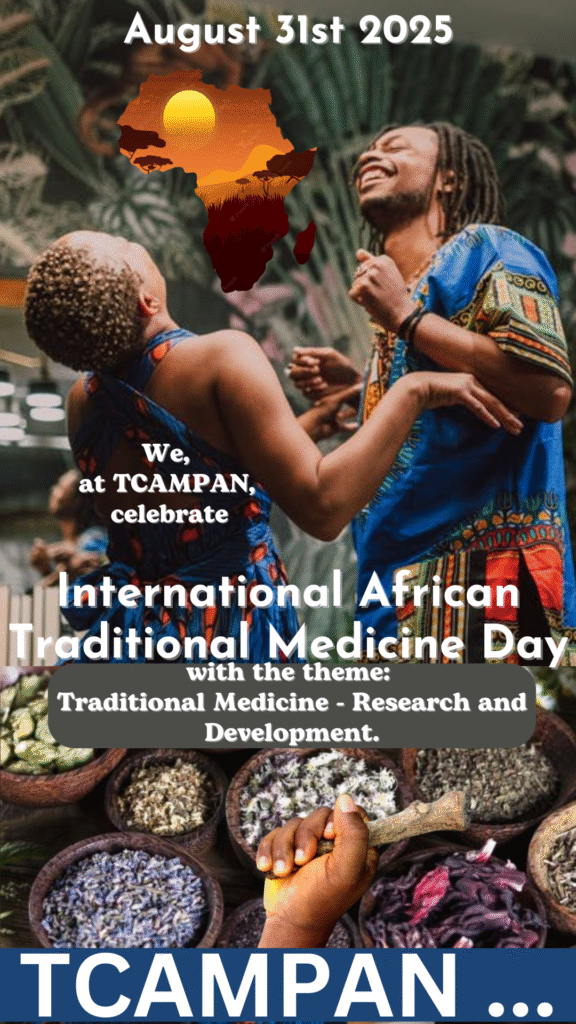 "Our knowledge of African history has been deliberately distorted to suit the purposes of the colonial powers who sought to erase our identity and heritage. We must reclaim our story to empower ourselves and future generations" - John Henrik Clarke
Without documentation, nothing is truly completed; even if documented, failing to publish and promote it will diminish its core value.
This above illustrated the fate of African Traditional Medicine (ATM) - our Indigenous medicine - but the narrative is changing for the better.
Every year on the 31st of August, Africa pauses to celebrate African Traditional Medicine Day. Proclaimed by the African Union in 2003, this annual observance is more than a commemoration; it is a reaffirmation of identity, heritage, and the vital role that indigenous knowledge plays in health care and sustainable development across the continent, and the world at large.
The rationale for this celebration is rooted in both history and necessity. It's important that we tell our stories by ourselves.
African communities have depended on traditional medicine for their healing and wellness for centuries. It embodies a tradition of knowledge, experimentation, and adaptation that has been handed down through generations, yet lacks sufficient documentation for the continuation and safeguarding of this wisdom.
Health Accessibility: Even today, in many rural and underserved communities, traditional medicine remains the first line of care—accessible, affordable, acceptable and trusted.
Integration with Modern Systems: The celebration highlights the need for a collaborative approach, where traditional practitioners and modern health professionals work together for the holistic well-being of patients.
Scientific Recognition: It provides a platform to promote research, standardization, and regulation of traditional remedies, ensuring safety and efficacy.
Economic and Social Value: By exploring the potentials of medicinal plants and indigenous therapies, African nations can open avenues for local industries, job creation, and global trade.
The Essence
The essence of African Traditional Medicine Day transcends the symbolic—it embodies vision and responsibility. It's a call to action.
Cultural Pride and Identity: It reminds us that African knowledge systems are not inferior or outdated but are sources of wisdom with global relevance.
Conservation of Biodiversity: By recognizing the importance of medicinal plants, it encourages sustainable use of Africa’s rich natural resources.
Contribution to Public Health: Traditional medicine complements modern systems in addressing health challenges, particularly in areas where access to hospitals and pharmaceuticals is limited.
Transmission of Knowledge: The celebration serves as a bridge, ensuring that indigenous wisdom is preserved, documented, and passed on to future generations.
Holistic Health Care: Ultimately, it emphasizes that health is not merely the absence of disease but a balance of body, mind, spirit, and environment—an outlook deeply ingrained in African healing traditions.
African Traditional Medicine Day is both a celebration and a call to action. It calls upon governments, practitioners, researchers, and communities to safeguard and promote this treasure of knowledge. It invites Africa to reclaim its healing traditions with pride, while embracing innovation and collaboration. In essence, the day affirms that the wisdom of the past, when properly harnessed, is a powerful key to building a healthier and more sustainable future for Africa and beyond with our indigenous medicine.
Therefore, we should endeavour to document and publish our work but above all do our best to educate and empower ourselves for better. In this manner, we will safeguard and leverage our rich heritage, contributing to global health awareness and advantages via ATM.
You can reach Dr. Emereonye, who is a pharmacist, an advocate for public health and complementary medicine, an integrative medicine practitioner, and a teacher, at +234 8033922445.
"Our knowledge of African history has been deliberately distorted to suit the purposes of the colonial powers who sought to erase our identity and heritage. We must reclaim our story to empower ourselves and future generations" - John Henrik Clarke
Without documentation, nothing is truly completed; even if documented, failing to publish and promote it will diminish its core value.
This above illustrated the fate of African Traditional Medicine (ATM) - our Indigenous medicine - but the narrative is changing for the better.
Every year on the 31st of August, Africa pauses to celebrate African Traditional Medicine Day. Proclaimed by the African Union in 2003, this annual observance is more than a commemoration; it is a reaffirmation of identity, heritage, and the vital role that indigenous knowledge plays in health care and sustainable development across the continent, and the world at large.
The rationale for this celebration is rooted in both history and necessity. It's important that we tell our stories by ourselves.
African communities have depended on traditional medicine for their healing and wellness for centuries. It embodies a tradition of knowledge, experimentation, and adaptation that has been handed down through generations, yet lacks sufficient documentation for the continuation and safeguarding of this wisdom.
Health Accessibility: Even today, in many rural and underserved communities, traditional medicine remains the first line of care—accessible, affordable, acceptable and trusted.
Integration with Modern Systems: The celebration highlights the need for a collaborative approach, where traditional practitioners and modern health professionals work together for the holistic well-being of patients.
Scientific Recognition: It provides a platform to promote research, standardization, and regulation of traditional remedies, ensuring safety and efficacy.
Economic and Social Value: By exploring the potentials of medicinal plants and indigenous therapies, African nations can open avenues for local industries, job creation, and global trade.
The Essence
The essence of African Traditional Medicine Day transcends the symbolic—it embodies vision and responsibility. It's a call to action.
Cultural Pride and Identity: It reminds us that African knowledge systems are not inferior or outdated but are sources of wisdom with global relevance.
Conservation of Biodiversity: By recognizing the importance of medicinal plants, it encourages sustainable use of Africa’s rich natural resources.
Contribution to Public Health: Traditional medicine complements modern systems in addressing health challenges, particularly in areas where access to hospitals and pharmaceuticals is limited.
Transmission of Knowledge: The celebration serves as a bridge, ensuring that indigenous wisdom is preserved, documented, and passed on to future generations.
Holistic Health Care: Ultimately, it emphasizes that health is not merely the absence of disease but a balance of body, mind, spirit, and environment—an outlook deeply ingrained in African healing traditions.
African Traditional Medicine Day is both a celebration and a call to action. It calls upon governments, practitioners, researchers, and communities to safeguard and promote this treasure of knowledge. It invites Africa to reclaim its healing traditions with pride, while embracing innovation and collaboration. In essence, the day affirms that the wisdom of the past, when properly harnessed, is a powerful key to building a healthier and more sustainable future for Africa and beyond with our indigenous medicine.
Therefore, we should endeavour to document and publish our work but above all do our best to educate and empower ourselves for better. In this manner, we will safeguard and leverage our rich heritage, contributing to global health awareness and advantages via ATM.
You can reach Dr. Emereonye, who is a pharmacist, an advocate for public health and complementary medicine, an integrative medicine practitioner, and a teacher, at +234 8033922445. 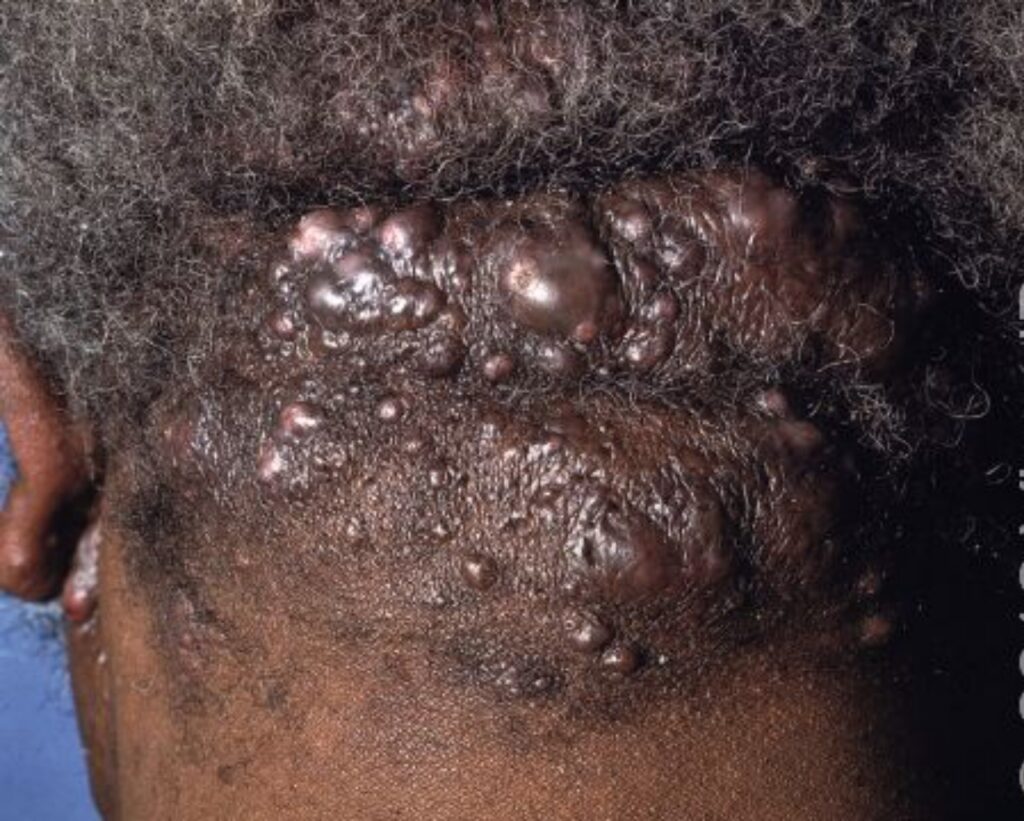 "Your skin is a canvas of experiences, each mark telling a story of its own." - Unknown
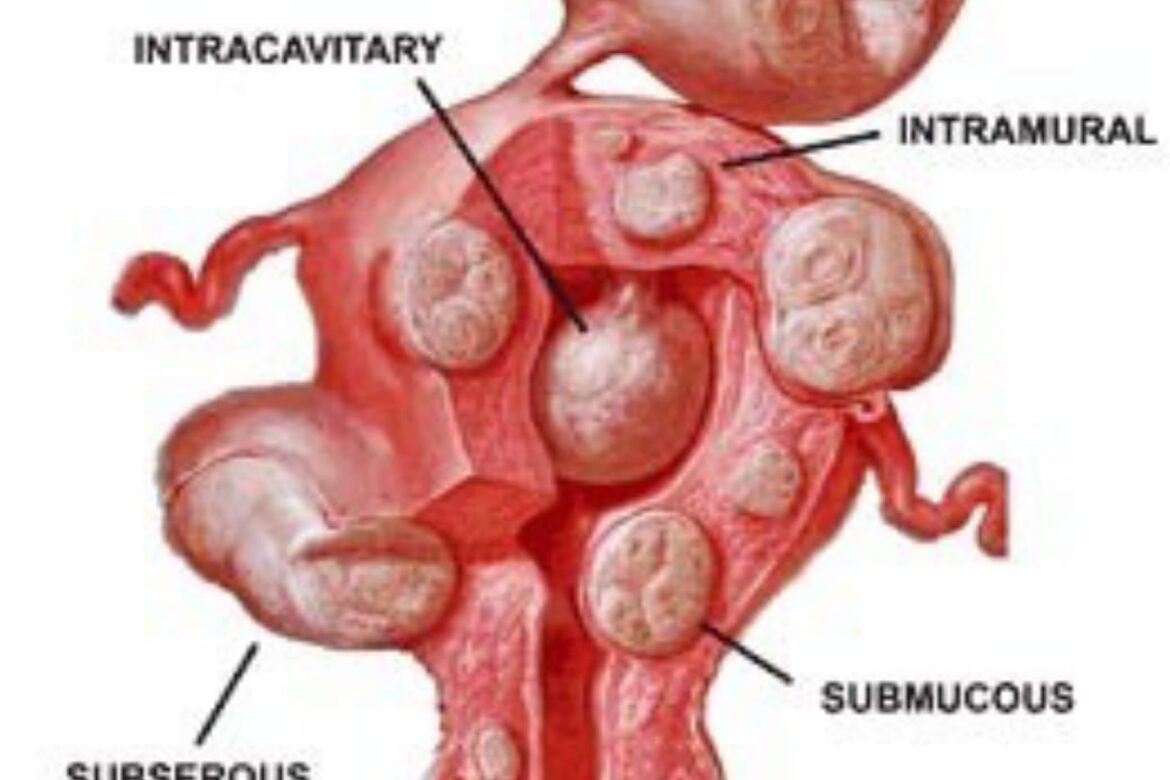
In general, bumps and keloids are skin conditions involving abnormal growths or scars, often caused by injury, inflammation, skin trauma, among others.
Bumps and keloids are both raised growths on the skin, but they differ in causes, appearance, and treatment.
The key difference is that bumps are a broad category and can be temporary or linked to many causes, but keloids are a specific type of raised scar caused by abnormal healing.
Bumps
A general term for small raised areas on the skin.
Bumps are raised skin lesions, which can be due to various causes like acne, cysts, warts, or allergic reactions.
Causes:
Infections: e.g., boils, acne, warts.
Allergic reactions: insect bites, contact dermatitis.
Blocked pores or hair follicles: ingrown hairs, cysts.
Trauma: minor injuries, friction.
Benign growths: seborrheic keratosis, skin tags.
Allergic reactions or dermatitis
Appearance:
Depending on the cause and position, it can be red, skin-colored, soft, firm, itchy, painful, temporary or persistent depending on the cause.
Treatment:
Mild bumps: often resolve with simple care (cleansing, warm compress).
Infectious bumps: may need antibiotics or antiviral treatment.
Allergic bumps: antihistamines or topical steroids.
Treat the underlying cause to prevent recurrence.
In most cases, treatment is determined by the cause: this could involve using over-the-counter creams like benzoyl peroxide for acne, taking antihistamines for allergic bumps, or performing minor procedures to address benign growths.
Do not pick or squeeze to prevent any scarring.
Keloids
Description:
Raised scars known as keloids occur when collagen production during the healing phase exceeds normal levels, causing growth beyond the original wound.
This condition involves a surplus of scar tissue that surpasses the edges of the original wound.
Causes:
After experiencing skin injuries or trauma like cuts, burns, piercings, surgery, or acne, keloids often arise due to the body's excessive collagen production while healing.
They are more common in people with darker skin tones (e.g., African, Asian, Hispanic descent).
The appearance can be firm, rubbery, or shiny and may range in color from red to pink or darker than the surrounding skin; it might also cause itching or pain.
Genetic predisposition is more prevalent in individuals with darker skin tones.
Appearance:
Firm, smooth, shiny, and raised.
Can be pink, red, or darker than surrounding skin.
Often itchy or tender, but not harmful.
Treatment:
Difficult to remove in its entirety — could return after undergoing treatment.
Options include:
Corticosteroid injections.
Silicone sheets or gels.
Cryotherapy (freezing).
Laser therapy.
Surgical removal (high recurrence risk unless combined with other treatments).
Prevention:
Avoid unnecessary skin trauma if prone to keloids; and treat wounds promptly.
Herbal approach to bumps and keloids management
Bumps may arise from acne, allergies, infections, or irritation; therefore, a logical herbal management strategy should focus on reducing inflammation, controlling infections, and promoting skin healing using an "herbaceutics" approach.
The management of keloids is more complex as they involve excess collagen.
However, certain herbs and herbal treatments work to soften scar tissue, minimize collagen overgrowth, and lighten discoloration.
A piece of advice:
Before applying any topical treatment, make sure to test it on a small section of your skin to ensure you don't have an allergic reaction.
Herbs take time to show effects and serve a healing purpose, so anticipate seeing results over several weeks to months.
For individuals experiencing active infections or rapidly developing keloids, it is advisable to integrate herbal remedies with medical interventions, emphasizing the need for responsible integrative medicine.
Refrain from scratching, piercing, or causing trauma in regions likely to develop keloids.
Incorporate a diet that promotes collagen health by consuming foods abundant in omega-3s (like flaxseed and walnuts), vitamin C (found in citrus fruits and guava), and zinc (from pumpkin seeds).
Dr. Emereonye can be reached via the phone number: +234 803 3922 445.
 Every disease causes a state of unease or discomfort through dysfunction, typically manifesting with noticeable signs and symptoms.
In general humans are born as males and females. Nonetheless, in terms of medical services, females seem to get more attention. While obstetrics and gynecology are well-known fields, andrology remains unfamiliar to most.
What does andrology refer to?
Andrology is a medical specialty that concentrates on male reproductive health, including the functioning and issues of the male reproductive system as well as urological conditions specific to men.
It serves as the male equivalent of gynecology, focusing on men's reproductive health.
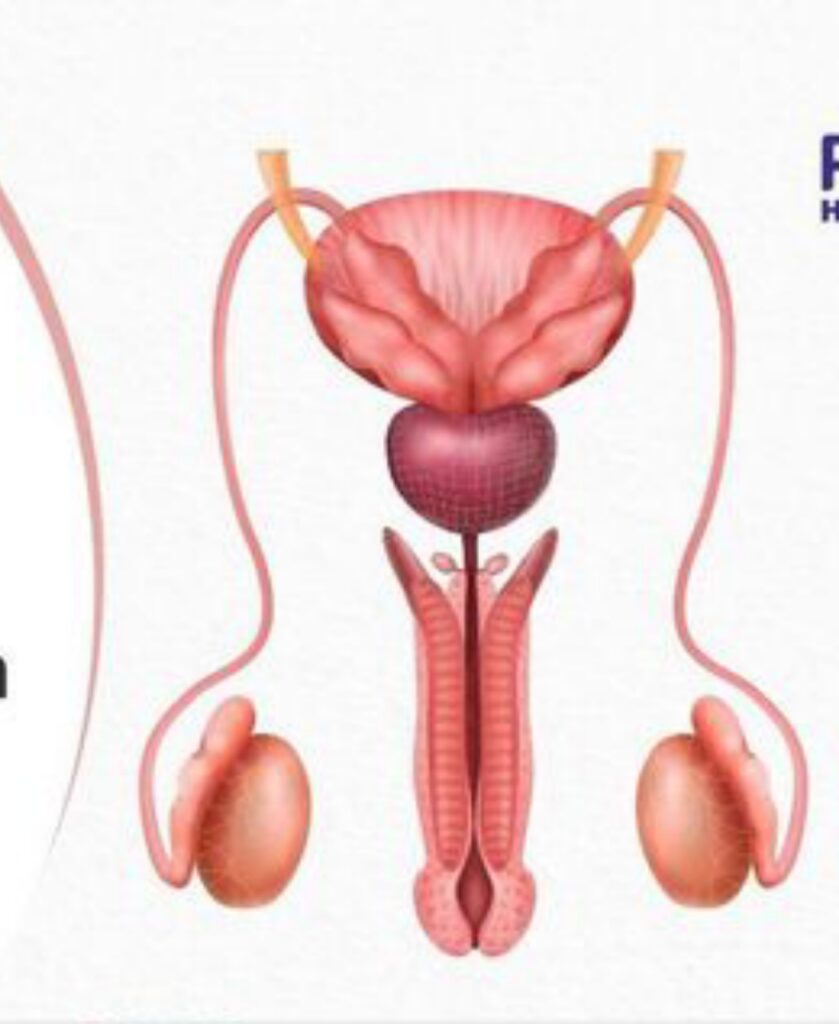
To appreciate andrology, one should understand the male reproductive organs and their roles.
Male Reproductive Organs and Their Functions
The male reproductive system can be divided into external and internal organs:
External Organs:
1. Penis
Functions as the pathway for urine to exit and also assists in delivering sperm into the female reproductive tract during intercourse.
2. Scrotum
A structure resembling a sac that protects the testicles. It manages temperature to facilitate optimal sperm production through contraction or relaxation.
Internal Organs:
1. Testes (Testicles)
Produce testosterone, the main male sex hormone, and play a crucial role in spermatogenesis, which is the process of sperm production.
2. Epididymis
Stores sperm and aids in their development after production in the testes.
3. Vas Deferens
Transports mature sperm from the epididymis to the urethra during the process of ejaculation.
4. Seminal Vesicles
Produce a sugar-rich fluid that supplies energy for sperm and significantly add to the volume of semen.
5. Prostate Gland
Secretes a fluid that nourishes and protects sperm, as well as helps to propel semen through the urethra during ejaculation.
6. Bulbourethral (Cowper’s) Glands
Release a clear mucus-like secrtion that lubricates the urethra and neutralizes traces of acidic urine before ejaculation.
7. Urethra
Conducts both semen and urine out of the body—but never at the same time.
Core Aspects of Andrology
1. Male Infertility
Low sperm count or poor motility
Varicocele
Hormonal imbalances
Obstructions in the reproductive tract
2. Erectile Dysfunction (ED)
Psychological and physical causes
Hormonal deficiencies
Vascular and neurological conditions
3. Testicular Disorders
Undescended testes (cryptorchidism)
Testicular torsion
Testicular cancer
Hydrocele and varicocele
4. Prostate Health
Benign Prostatic Hyperplasia (BPH)
Prostatitis
Prostate cancer
5. Hormonal Disorders
Low testosterone (hypogonadism)
Andropause (male menopause)
Endocrine dysfunctions affecting male reproduction
6. Sexually Transmitted Infections (STIs)
Diagnosis, treatment, and preventive counseling
7. Male Contraception
Vasectomy
Research into hormonal contraceptive methods for men.
Diagnosis and Diagnostic Tools in Andrology
Proper evaluation in andrology relies on a range of diagnostic tools:
Semen analysis
Hormone profiling (testosterone, FSH, LH, prolactin)
Ultrasound of the testes and prostate
Penile Doppler ultrasound
Genetic testing (especially in cases of infertility)
Treatment Approaches
The importance of accurate diagnosis and correct interpretation of test results cannot be overstated.
Treatment in andrology falls under three broad categories:
1. Pharmacological
Hormone replacement therapy
Erectile dysfunction medications
2. Non-Pharmacological
Lifestyle modification
Psychosexual counseling
3. Surgical Interventions
Varicocelectomy
Vasectomy and vasectomy reversal
4. Assisted Reproductive Techniques (ART)
In vitro fertilization (IVF)
Intracytoplasmic sperm injection (ICSI)
5. Herbal Approach
Employing evidence-based herbal solutions to promote male reproductive function
A hint of comedy:
In a lighthearted way, issues related to andrology can turn a 'Livinus' into a 'Livina'!
Stay tuned for the next part...
Be prepared for the upcoming subject: Male Infertility
For any inquiries or consultations, you can get in touch with Dr. Emereonye at:
+234 803 3922 445
 Infedi Herbal Capsules — an immune booster with broad-spectrum antimicrobial activities by Livy-Elcon Emereonye.
One of the characteristics of life is death. Yes, death is an integral part of the living process — and we live to die.
But between conception and death, life should be enjoyed and lived to the full. However, some live miserably in pain and die prematurely due to preventable and treatable diseases worsened by compromised immunity and weakened immune system.
As we advance in age, our physiological make-ups change — and every of such change affects our immunity, most often negatively, leaving us porous and making us susceptible to diseases — communicable and non-communicable diseases. Thus, the need for immune boosters among others.
Infedi capsule is a herbal immune booster with broad-spectrum antimicrobial activities and immunomodulatory functions. Scientifically researched for Evidence-based practice and thoroughly formulated for result-oriented outcome to meet our health needs, Infedi capsules make optimum condition attainable when used rationally.
Herbal antimicrobials offer numerous benefits, such as:
Being natural and adaptable:
Herbal antimicrobials are derived from plants and are adaptable to human systems, reducing the risk of adverse reactions.
Broad-spectrum activity: Many herbal antimicrobials exhibit broad-spectrum activity, being effective against a wide range of microorganisms, namely bacteria, viruses, and fungi.
Low risk of resistance: Herbal antimicrobials are less likely to induce microbial resistance, as they often target multiple pathways and mechanisms.
Cost-effectiveness:
Herbal antimicrobials can be more cost-effective. It should be noted that cost-effectiveness is not about cheapness.
Holistic approach: Herbal antimicrobials often promote overall health and well-being, rather than just targeting a specific symptom or infection.
Fewer side effects: Herbal antimicrobials tend to have fewer side effects.
Environmental sustainability:
Herbal antimicrobials are more environmentally friendly, as they can be sourced from renewable plant materials.
Infedi capsules offer a range of unique features:
— Ease of administration
— Non-nauseous
— Sweet-smelling fragrance
— Dosing flexibility
— Cost effective.
Infedi herbal capsule can be used alone as a first-line or alternative remedy, and it can be used with other products as a complementary therapy. It can be used for prophylaxis or treatment.
Infedi boasts multiple advantages, including its 100% natural composition, non-toxic characteristics, wide-ranging activity, and minimal risk of developing resistance.
However, we should remain alert for possible interactions with food, herbal products, or pharmaceutical products and communicate our findings if we detect any.
There is no replacement for being healthy. It is essential to consult with a healthcare provider prior to using herbal remedies, especially if you suffer from a severe infection or take prescribed drugs.
To obtain more information, reach out to:
Tel: +234 8033 922 445 (SMS/WhatsApp)
Email: letoniagroup@gmail.com
Website: www.letoniagroup.org
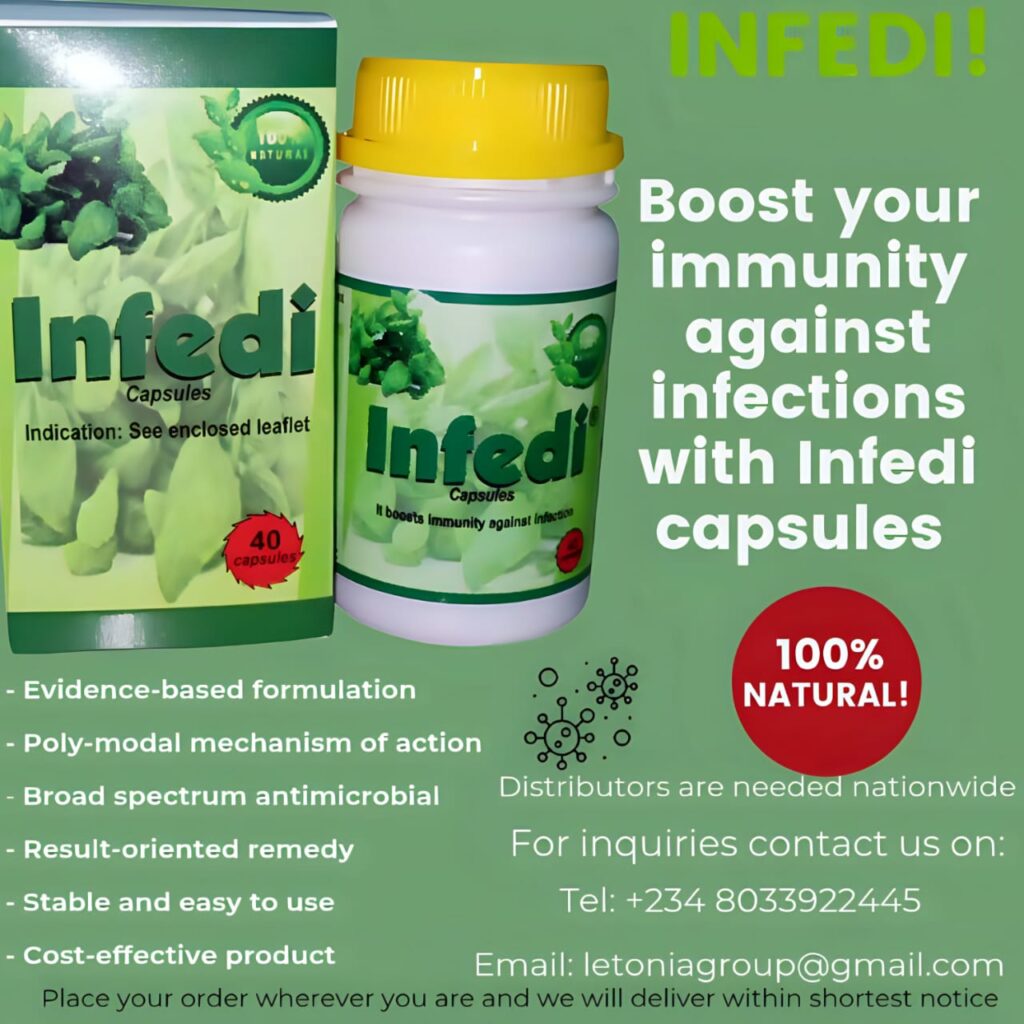
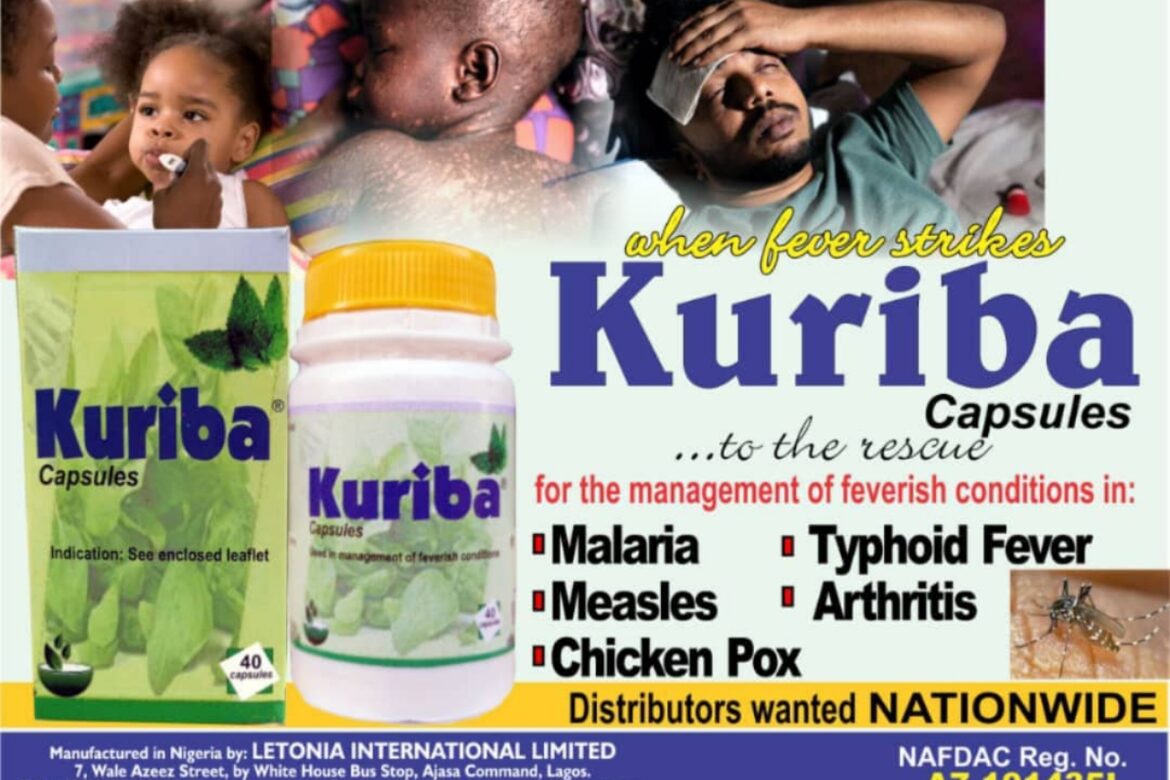
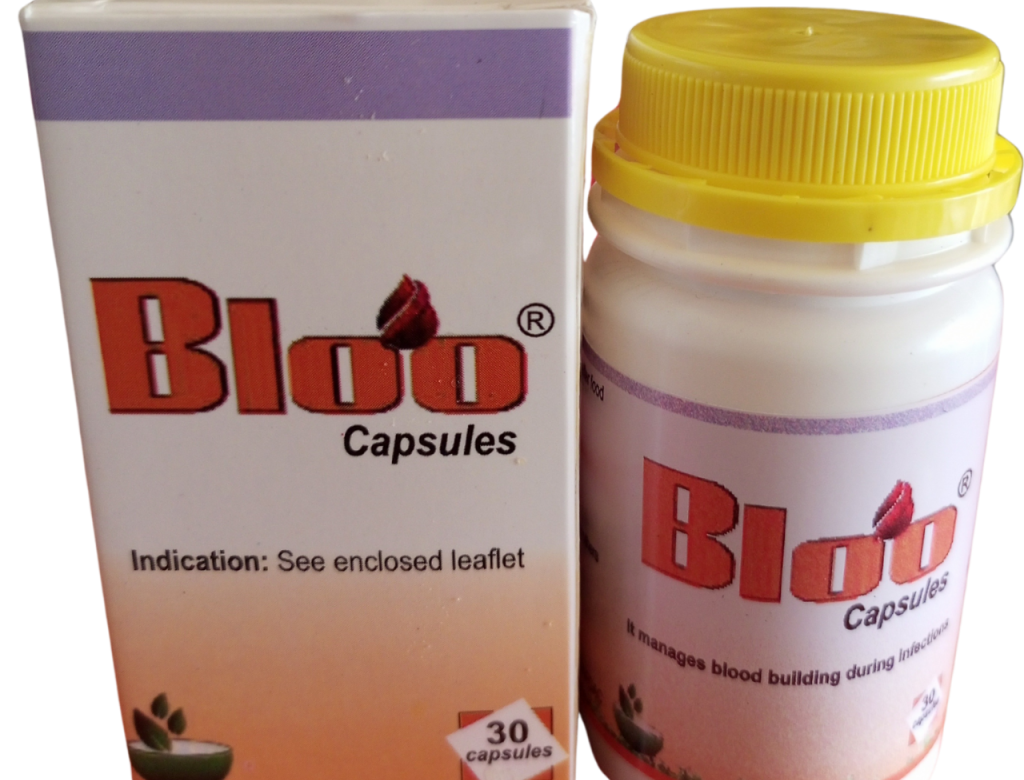
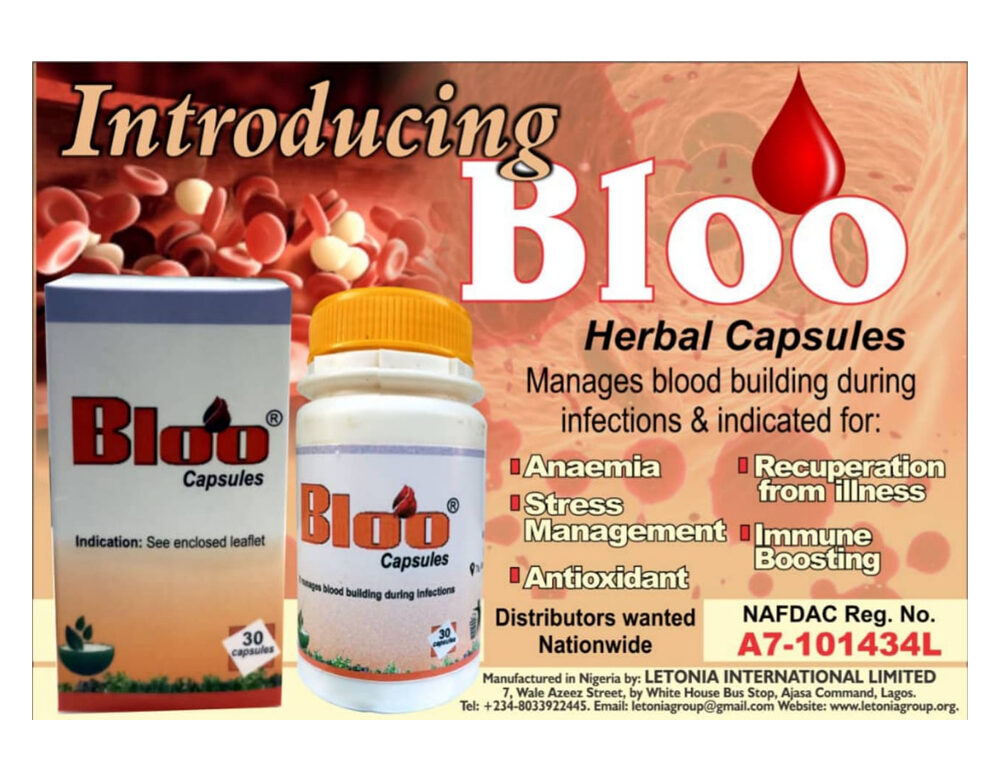
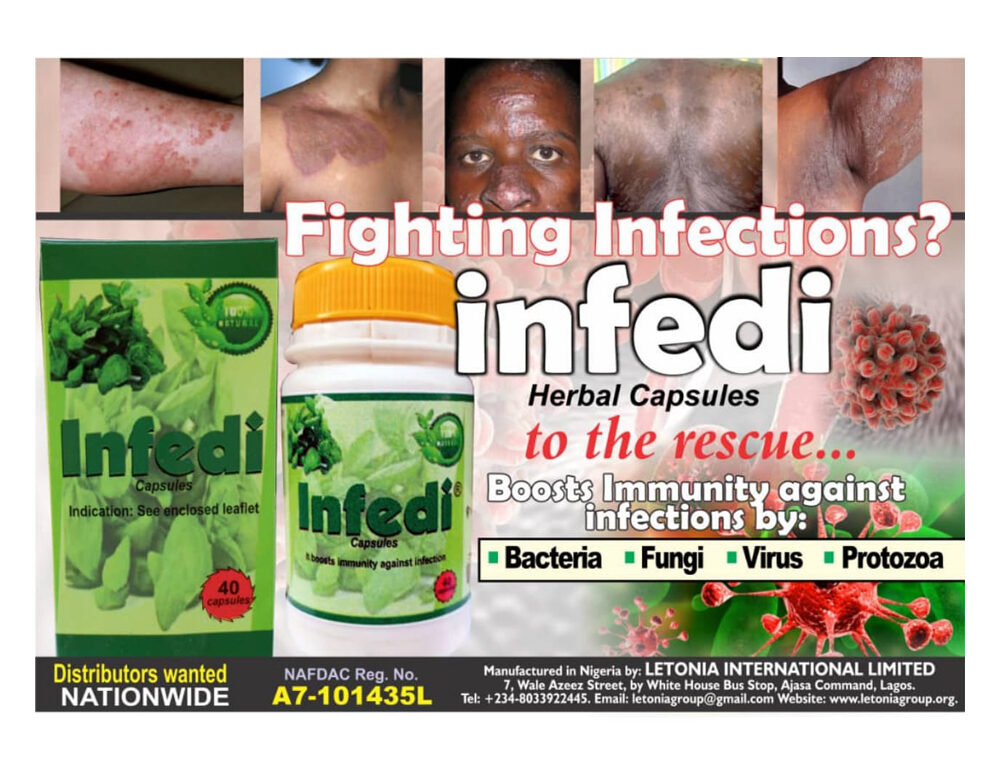
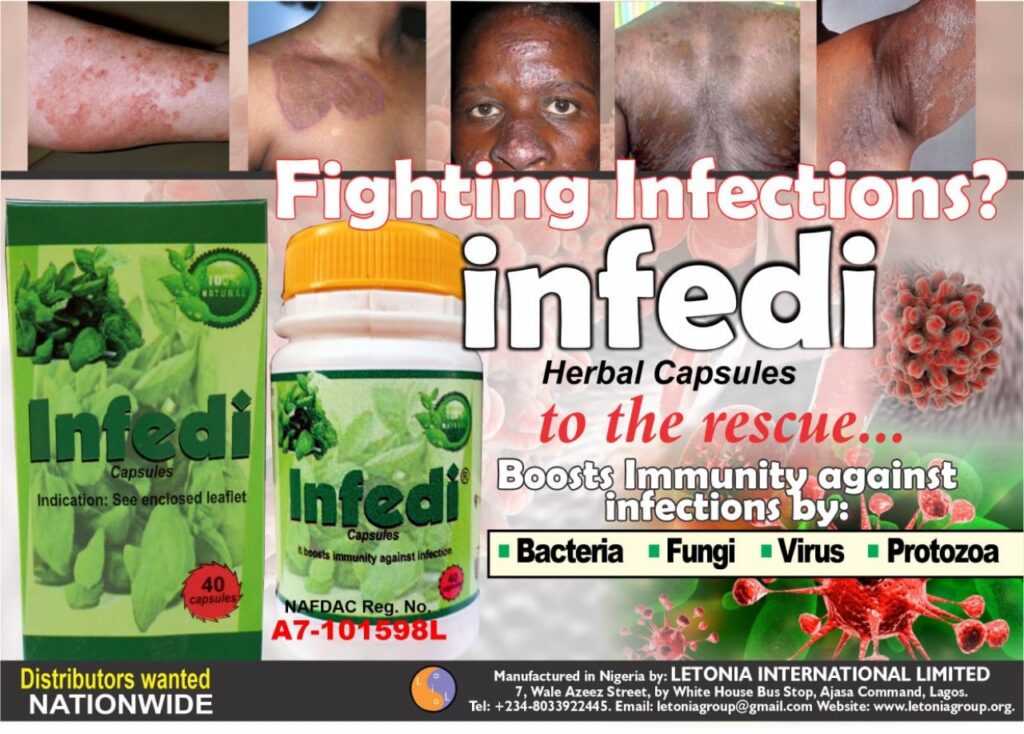 Some false assumptions promoted against Natural Medicine, especially Herbal Medicine, have been demystified by Infedi capsules.
Infedi capsule boosts not only immunity against infections, but it’s a broad-spectrum antimicrobial herbal remedy — and its rich phytochemical constituents can indeed qualify it as the real magic wand!
The ingredients in Infedi capsule with their poly-modal mechanism of action mark it as one product that can be used in bacterial, fungal, viral and protozoal infections.
We encourage people to use Infedi capsules where necessary, while we appeal to any attentive healthcare professionals to do more research on it.
In the Infedi Challenge, we are ready to partner with everyone and every company in any form of comparative studies for the good of humanity. Reach out to us if you are keen, and your interest is real and altruistic.
A pack of Infedi contains 40 capsules, and the adult dose is 4 capsules taken every 12 hours. The duration depends on what is being treated or managed, bearing in mind the pathophysiology, stage and severity of the medical condition in question.
As a herbal remedy, it can be used alone as a first-line therapy or as an alternative or complementary medicine.
Anyone with resistant or recurrent infections should use Infedi capsules and thereafter share the experience if he or she wishes.
For inquiries and supply information, contact: 08033922445 (call/SMS/WhatsApp).
For promotion of good health and enjoying optimum health, engage only in rational use of herbal medicine.
Infedi capsule is another quality herbal product by Letonia Int’l Ltd.
*Letonia … adding more values to your life*