Disease: Concepts, Theories of Causation, and Integrative Approaches to Prevention and Treatment
By Livy-Elcon Emereonye
Abstract
Disease remains one of the central concerns of medicine, public health, and biomedical science. Understanding the nature, origin, and mechanisms of disease has evolved over centuries from supernatural explanations to sophisticated molecular and systems‑biology models. Modern medicine recognizes disease as a multifactorial phenomenon involving interactions among biological agents, genetic predisposition, environmental exposures, lifestyle behaviors, and psychosocial factors. This article presents a comprehensive scholarly discussion of disease, including its definition, conceptual meaning, classifications, causes, and the major historical and contemporary theories of disease causation. Particular emphasis is placed on the relevance of these theories to modern integrative medicine, which combines conventional biomedical treatment with lifestyle, nutritional, and complementary therapeutic strategies. No single theory adequately explains the complexity of disease, and that a pluralistic, integrative model provides the most effective framework for prevention and treatment in contemporary healthcare systems.
Keywords: disease causation, germ theory, integrative medicine, epidemiology, lifestyle medicine, pathology
1. Introduction
Disease has occupied a central place in human inquiry since the earliest civilizations. The desire to understand why people fall ill and how they may be restored to health has driven the development of medicine, philosophy, and the natural sciences. Across different historical periods, disease has been interpreted through spiritual, environmental, biological, and social frameworks. Each stage of scientific progress has expanded humanity’s understanding of the mechanisms responsible for illness.
In modern biomedical science, disease is understood as a disturbance of normal biological structure or function that produces recognizable signs and symptoms. However, contemporary research increasingly recognizes that disease is rarely the result of a single cause. Instead, most diseases arise from complex interactions between genetic susceptibility, environmental exposures, behavioral patterns, microbial agents, and psychosocial stressors.
The rise of chronic non‑communicable diseases such as diabetes, hypertension, cancer, and cardiovascular disorders has further highlighted the limitations of single‑factor explanations. These conditions are strongly influenced by diet, lifestyle, environmental pollution, stress, and social determinants of health. Consequently, modern healthcare systems increasingly adopt an integrative and multidisciplinary perspective that incorporates biomedical treatment alongside nutritional, behavioral, and preventive strategies.
This article provides an extensive examination of the concept of disease from both historical and contemporary perspectives. It discusses the definition and meaning of disease, classification of major disease types, determinants of disease occurrence, the ten major theories of disease causation, and current treatment approaches including integrative medicine. The goal is to provide a comprehensive framework that can support medical education, public health research, and integrative clinical practice.
2. Definition and Conceptual Meaning of Disease
The term “disease” is widely used in medicine, yet its precise meaning has evolved over time. In general, disease refers to any abnormal condition that disrupts the normal structure or functioning of an organism and produces identifiable signs and symptoms.
According to Kumar, Abbas, and Aster (2021), disease may be defined as “any deviation from normal physiological function associated with specific symptoms and signs.” This definition emphasizes that disease involves measurable pathological changes in the body’s tissues, organs, or systems.
The World Health Organization (WHO) approaches the concept from a broader health perspective. In its constitution, health is defined as “a state of complete physical, mental and social well‑being and not merely the absence of disease or infirmity” (WHO, 1948). This definition highlights that disease is not only a biological phenomenon but also a social and psychological condition affecting overall well‑being.
Medical sociologists often distinguish between three related concepts: disease, illness, and sickness.
Disease refers to the objective pathological condition diagnosed by medical professionals. Illness refers to the subjective experience of symptoms felt by the patient. Sickness refers to the social identity and role associated with being ill within a particular cultural context.
For example, a person may have hypertension (disease) without experiencing symptoms (illness). Conversely, a person may feel fatigued or weak (illness) without a clearly identifiable disease. Understanding these distinctions is important for clinical practice and public health interventions.
At the biological level, disease involves disturbances in normal physiological processes known as pathophysiology. These disturbances may result from infections, genetic abnormalities, metabolic imbalances, immune dysfunction, nutritional deficiencies, environmental exposures, or behavioral factors.
3. Classification of Diseases
Diseases can be classified in numerous ways depending on their cause, duration, pathogenesis, or mode of transmission. Several major categories are commonly used in medicine and public health.
3.1 Infectious or Communicable Diseases
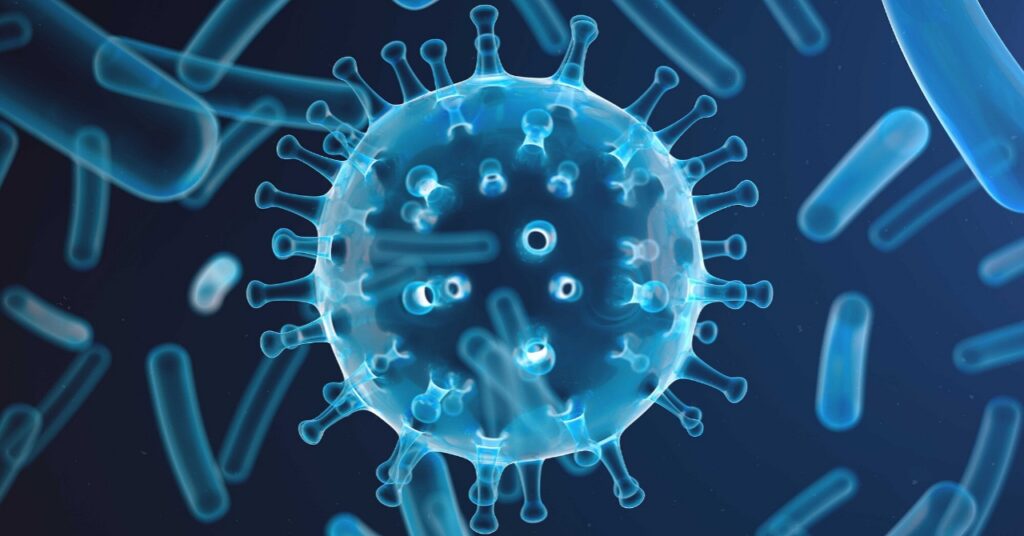
Infectious diseases are caused by pathogenic microorganisms capable of invading the body and multiplying within host tissues. These microorganisms include bacteria, viruses, fungi, protozoa, and parasites.
Common examples include malaria, tuberculosis, HIV/AIDS, influenza, and COVID‑19.
Infectious diseases may spread through various routes such as respiratory droplets, contaminated food or water, insect vectors, blood transfusion, or direct physical contact. Despite advances in modern medicine, infectious diseases remain a significant global health challenge, particularly in low‑ and middle‑income countries.
3.2 Non‑Communicable Diseases
Non‑communicable diseases (NCDs) are conditions that cannot be transmitted directly from person to person. They are typically chronic and develop over long periods.
Examples include cardiovascular disease, diabetes mellitus, hypertension, cancer, and chronic respiratory diseases.
According to the World Health Organization, non‑communicable diseases account for nearly three‑quarters of deaths worldwide. Lifestyle factors such as poor diet, tobacco use, excessive alcohol consumption, and physical inactivity contribute significantly to their development.
3.3 Genetic and Hereditary Diseases
Genetic diseases arise from abnormalities in genes or chromosomes. These abnormalities may be inherited from parents or occur spontaneously due to mutations in genetic material.
Examples include sickle cell disease, cystic fibrosis, hemophilia, and Down syndrome.
Advances in molecular biology and genomics have significantly improved understanding of the genetic basis of disease and opened new possibilities for gene therapy and personalized medicine.
3.4 Nutritional Deficiency Diseases
Deficiency diseases occur when the body lacks essential nutrients required for normal physiological function.
Examples include scurvy caused by vitamin C deficiency, rickets caused by vitamin D deficiency, and iron‑deficiency anemia.
Such diseases remain common in regions where food insecurity and malnutrition are prevalent.
3.5 Degenerative Diseases
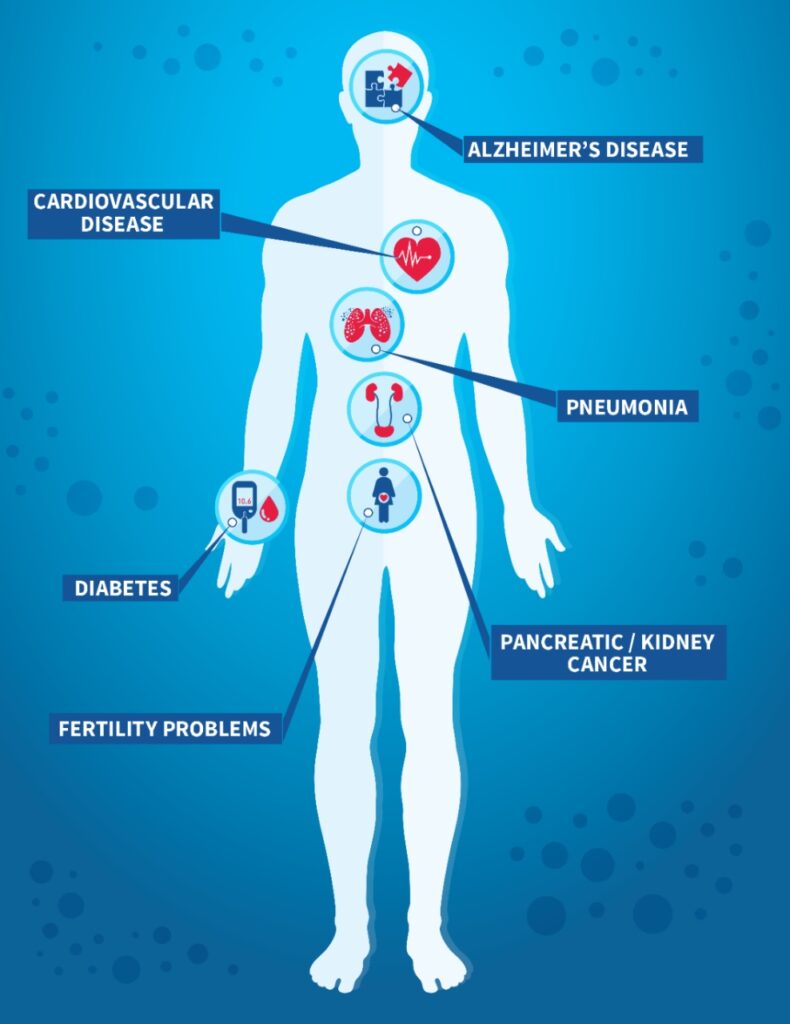
Degenerative diseases involve the progressive deterioration of tissues or organs over time. They are often associated with aging and chronic physiological stress.
Examples include osteoarthritis, Alzheimer’s disease, and Parkinson’s disease.
These conditions often lead to long‑term disability and require ongoing management rather than curative treatment.
3.6 Metabolic Diseases
Metabolic diseases result from disturbances in biochemical processes involved in energy production and cellular metabolism.
Examples include diabetes mellitus, thyroid disorders, and gout.
Such conditions often arise from complex interactions between genetic susceptibility and lifestyle factors such as diet and physical activity.
3.7 Mental and Psychological Disorders
Mental disorders affect cognition, emotional regulation, and behavior. Examples include depression, anxiety disorders, bipolar disorder, and schizophrenia.
The burden of mental illness has increased globally, emphasizing the importance of psychological and social determinants of health.
4. Determinants and Causes of Disease
Modern medical science recognizes that disease arises from the interaction of multiple determinants rather than a single causal factor.
4.1 Biological Agents
Biological agents such as bacteria, viruses, parasites, and fungi are responsible for many infectious diseases. These pathogens invade the body, reproduce within tissues, and disrupt normal physiological processes.
4.2 Genetic Predisposition
Genetic susceptibility can significantly influence disease risk. Individuals with certain genetic variations may be more likely to develop conditions such as diabetes, cancer, or cardiovascular disease.
4.3 Environmental Factors
Environmental exposures such as pollution, radiation, toxic chemicals, and poor sanitation contribute significantly to disease development. Urbanization and industrialization have increased exposure to environmental risk factors.
4.4 Lifestyle and Behavioral Factors
Lifestyle behaviors play a major role in modern disease patterns. Diet, physical activity, smoking, alcohol consumption, and stress levels all influence health outcomes.
4.5 Social Determinants of Health
Social conditions including income, education, housing, and access to healthcare strongly influence disease distribution in populations. These factors are collectively known as the social determinants of health.
5. Major Theories of Disease Causation
Understanding the causes of disease has evolved through several major theoretical frameworks throughout the history of medicine.
5.1 The Supernatural Theory
The supernatural theory is one of the earliest explanations of disease. Ancient cultures believed illness resulted from evil spirits, curses, or divine punishment. Healing often involved rituals, sacrifices, or spiritual intervention.
Although this theory lacks scientific basis, cultural interpretations of illness still influence health behaviors in many societies.
5.2 The Humoral Theory
The humoral theory was developed by Hippocrates and later elaborated by Galen. It proposed that the body contained four essential humors: blood, phlegm, yellow bile, and black bile. Disease occurred when these humors became imbalanced.
Although modern science has disproved this model, it encouraged systematic observation and clinical reasoning.
5.3 The Miasma Theory
The miasma theory suggested that diseases were caused by “bad air” arising from decomposing organic matter. This belief dominated medical thinking during the eighteenth and early nineteenth centuries.
Although incorrect, the theory contributed to important public health reforms such as improved sanitation and urban hygiene.
5.4 The Germ Theory
The germ theory of disease emerged in the nineteenth century through the work of scientists such as Louis Pasteur and Robert Koch. It established that specific microorganisms cause specific diseases.
This discovery transformed medicine and led to the development of vaccines, antibiotics, and modern microbiology.
5.5 The Epidemiological Theory
The epidemiological model describes disease as the result of interactions among three elements: agent, host, and environment. This framework is often illustrated by the epidemiological triangle.
The model emphasizes that disease occurrence depends not only on pathogens but also on host susceptibility and environmental conditions.
5.6 The Multifactorial Causation Theory
Modern medicine recognizes that many diseases arise from multiple interacting factors. Chronic diseases such as hypertension, diabetes, and cardiovascular disorders cannot be explained by a single cause.
Instead, they result from complex interactions among genetics, lifestyle behaviors, environmental exposures, and metabolic processes.
5.7 The Genetic Theory
The genetic theory emphasizes the role of inherited or acquired genetic mutations in disease development. Advances in molecular biology have revealed how alterations in DNA can lead to numerous inherited disorders.
5.8 The Immunological Theory
The immunological theory focuses on the role of the immune system in disease. Disorders may arise when the immune system becomes weakened or when it attacks the body’s own tissues, leading to autoimmune diseases.
5.9 The Nutritional Theory
The nutritional theory proposes that inadequate or excessive nutrient intake contributes significantly to disease. Malnutrition can weaken immunity and increase vulnerability to infection.
5.10 The Psychosomatic Theory
The psychosomatic theory highlights the influence of psychological factors on physical health. Emotional stress and mental distress can contribute to disorders such as hypertension, gastrointestinal disease, and cardiovascular conditions.

6. Approaches to Disease Treatment
Treatment strategies aim to cure disease, alleviate symptoms, prevent complications, and restore normal physiological functioning.
6.1 Conventional Biomedical Treatment
Modern biomedical medicine relies on scientifically validated interventions including pharmaceuticals, surgical procedures, and advanced diagnostic technologies.
Examples include antibiotics for bacterial infections, insulin therapy for diabetes, and surgical interventions for structural abnormalities.
6.2 Herbal and Traditional Medicine
Herbal medicine involves the use of plant‑based substances to prevent or treat disease. Many modern pharmaceuticals originate from medicinal plants.
In many African and Asian societies, herbal medicine remains a major component of healthcare.
6.3 Lifestyle Medicine
Lifestyle medicine focuses on modifying behavioral factors that contribute to disease. Key components include balanced nutrition, regular physical activity, stress management, adequate sleep, and avoidance of harmful substances.
6.4 Nutritional Therapy
Nutritional therapy uses targeted dietary interventions and nutrient supplementation to support healing and restore metabolic balance.

6.5 Integrative Medicine
Integrative medicine combines conventional medical treatment with evidence‑based complementary therapies. This approach emphasizes holistic patient care, prevention, and the restoration of overall well‑being.
7. Conclusion
Disease is a complex phenomenon shaped by biological, environmental, genetic, behavioral, and social factors. Over centuries, various theories of disease causation have emerged, each contributing to the development of medical knowledge. While earlier explanations emphasized supernatural or environmental causes, modern science recognizes the multifactorial nature of disease.
Understanding disease therefore requires an integrative framework that combines biomedical research with public health, nutrition, lifestyle science, and social determinants of health. Such an approach is essential for addressing the growing global burden of chronic and infectious diseases.
As healthcare continues to evolve, integrative and preventive strategies will play an increasingly important role in promoting human health and reducing disease worldwide.
References
Gordis L. (2014). Epidemiology. Elsevier.
Kumar V., Abbas A., & Aster J. (2021). Robbins and Cotran Pathologic Basis of Disease. Elsevier.
Marmot M., & Wilkinson R. (2006). Social Determinants of Health. Oxford University Press.
Nelson D., & Cox M. (2021). Lehninger Principles of Biochemistry. W.H. Freeman.
Ryan K., Ray C., & Ahmad N. (2017). Sherris Medical Microbiology. McGraw‑Hill.
World Health Organization. (1948). Constitution of the World Health Organization.
World Health Organization. (2023). Global Health Estimates: Leading Causes of Death.
PS: Dr. Emereonye could be reached on: +224 803 3922 445
Leave a comment