
Her Health Is a Right: Invest to End Fistula and Childbirth Injuries
A Public Health-Scientific Perspective on the 2026 International Day to End Obstetric Fistula
By Livy-Elcon Emereonye
Introduction
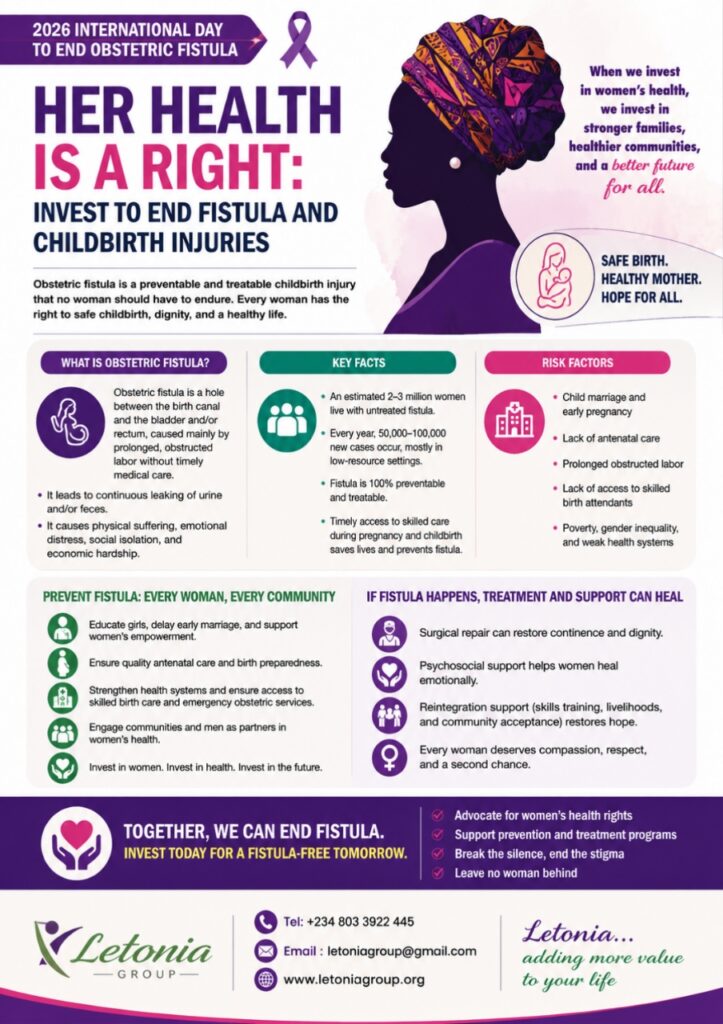
Every year, the International Day to End Obstetric Fistula draws global attention to one of the most devastating yet preventable childbirth injuries affecting women and girls, particularly in low- and middle-income countries. The 2026 theme, “Her Health Is a Right: Invest to End Fistula and Childbirth Injuries,” highlights the urgent need for governments, healthcare institutions, development partners, and communities to prioritize maternal healthcare investments, gender equity, skilled birth attendance, and access to quality obstetric services.
Obstetric fistula remains a profound public health challenge and a symbol of global inequities in healthcare access. It reflects failures in maternal health systems, poverty reduction, education, women’s empowerment, and emergency obstetric care. Beyond the physical injury, obstetric fistula carries devastating psychological, social, emotional, economic, and reproductive consequences.
The World Health Organization (WHO) describes obstetric fistula as one of the most serious childbirth injuries, resulting primarily from prolonged obstructed labor without timely medical intervention. Women living with fistula often experience chronic urinary or fecal incontinence, social isolation, stigma, infertility, recurrent infections, depression, and economic hardship.
Ending obstetric fistula requires more than surgical intervention alone. It demands a comprehensive public health approach that addresses the social determinants of health, maternal healthcare financing, nutrition, girl-child education, reproductive rights, community awareness, and access to safe childbirth services. Integrative healthcare approaches can also contribute significantly to prevention, rehabilitation, psychosocial support, and long-term wellbeing.
This work explores the epidemiology, causes, risk factors, consequences, prevention strategies, treatment options, policy implications, and integrative management approaches to obstetric fistula within the framework of the 2026 global theme.
Understanding Obstetric Fistula
Obstetric fistula is an abnormal opening between the birth canal and the bladder or rectum caused mainly by prolonged obstructed labor. The most common forms include:
Vesicovaginal fistula (VVF): between the bladder and vagina
Rectovaginal fistula (RVF): between the rectum and vagina
Ureterovaginal fistula: involving the ureter and vagina
The condition develops when prolonged pressure from the baby’s head cuts off blood supply to tissues in the pelvis during obstructed labor. This tissue subsequently dies, leaving a hole through which urine or feces leak uncontrollably.
In many cases, the baby does not survive the prolonged labor, resulting in both maternal injury and stillbirth.
Global Burden and Epidemiology
According to the United Nations Population Fund (UNFPA), approximately 50,000 to 100,000 new cases of obstetric fistula occur annually worldwide, while over two million women are estimated to be living with untreated fistula, mainly in sub-Saharan Africa and South Asia.
Countries with weak maternal healthcare systems, high rates of poverty, limited access to emergency obstetric care, early marriage, adolescent pregnancy, malnutrition, and low female education levels bear the highest burden.
Nigeria is among the countries with a significant burden of obstetric fistula. Factors such as:
-Poor access to healthcare facilities
-Rural healthcare disparities
-Cultural barriers
-Low utilization of skilled birth attendants
-Delays in seeking emergency obstetric care
-Poverty and transportation challenges etc
The factors continue to contribute to high maternal morbidity.
Despite advancements in maternal healthcare globally, many women still deliver without skilled assistance, particularly in remote communities. This contributes to preventable childbirth injuries and maternal deaths.
Causes and Risk Factors
1. Prolonged Obstructed Labor
This is the leading cause of obstetric fistula. Obstructed labor occurs when the baby cannot pass through the birth canal due to factors such as:
-Cephalopelvic disproportion
-Abnormal fetal positioning
-Small maternal pelvis
-Prolonged labor without intervention
Without timely cesarean section or emergency obstetric care, tissue damage occurs.
2. Early Marriage and Adolescent Pregnancy
Young girls whose pelvises are not fully developed are at greater risk of obstructed labor. In many low-resource settings, child marriage contributes directly to early pregnancy and childbirth complications.
3. Poverty
Poverty limits access to:
-Antenatal care
-Skilled birth attendants
-Transportation to health facilities
-Nutritional support
-Emergency obstetric services
Poor women are disproportionately affected.
4. Malnutrition
Malnutrition during childhood and adolescence can result in stunted growth and underdeveloped pelvic structures, increasing the likelihood of obstructed labor.
5. Lack of Skilled Birth Attendance
Women delivering at home or with unskilled attendants may experience delayed referrals during complications.
6. Weak Healthcare Systems
Inadequate health infrastructure, shortages of trained personnel, limited surgical capacity, and poor referral systems contribute significantly.
7. Harmful Cultural Practices
Some communities discourage hospital delivery or promote practices that delay medical intervention during labor.
Clinical Manifestations
Women with obstetric fistula commonly present with:
-Continuous leakage of urine
-Leakage of feces
-Offensive odor
-Skin irritation and infections
-Pelvic pain
-Recurrent urinary tract infections
-Infertility
-Amenorrhea in some cases
-Vaginal scarring etc
The condition may also lead to severe social and emotional distress.
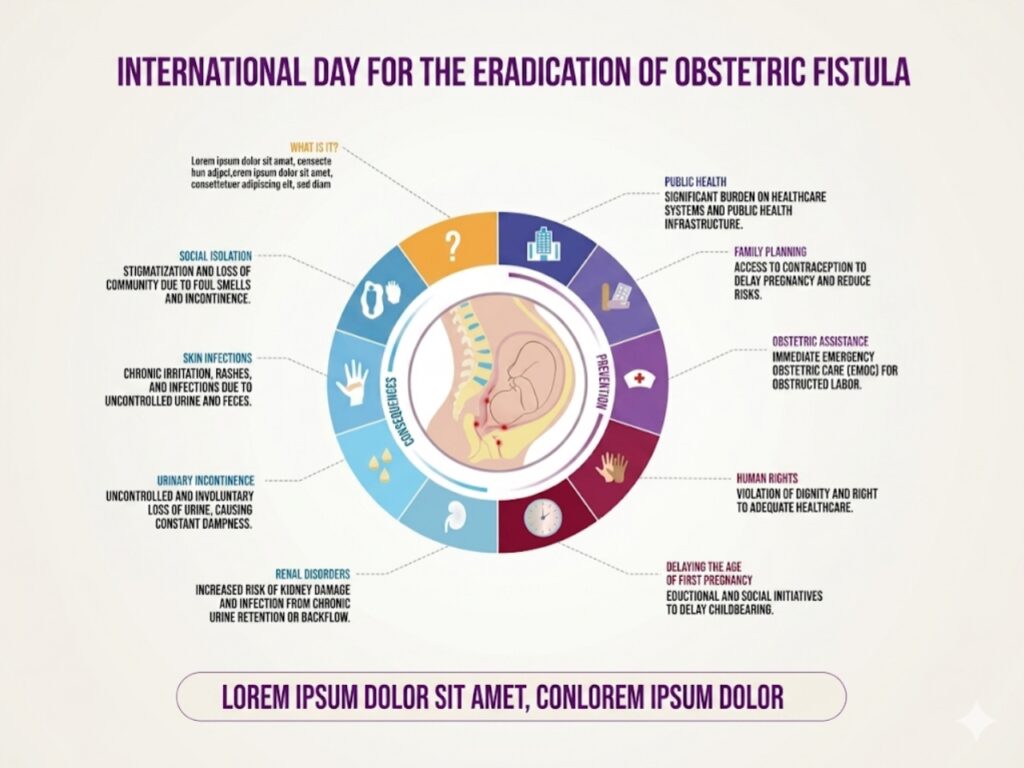
Psychological and Social Consequences
The burden of obstetric fistula extends far beyond physical injury.
Social Isolation
Many affected women face rejection by spouses, family members, and communities because of odor and incontinence.
Mental Health Challenges
Depression, anxiety, low self-esteem, trauma, and suicidal thoughts are common.
Economic Hardship
Women may lose employment opportunities and become financially dependent.
Marital Breakdown
Divorce and abandonment frequently occur among affected women.
Stigma and Discrimination
Societal misconceptions often lead to discrimination and exclusion.
The psychosocial impact demonstrates why fistula should be addressed as both a medical and human rights issue.
Obstetric Fistula as a Human Rights Issue
The 2026 theme emphasizes that women’s health is a fundamental human right.
Obstetric fistula reflects violations of:
-The right to health
-The right to dignity
-The right to safe motherhood
-Reproductive rights
-Gender equality
Access to quality healthcare
Women living with fistula are often among the most vulnerable populations, including poor rural women, adolescents, displaced persons, and marginalized groups.
Investment in maternal health services is therefore not merely a healthcare intervention but also a social justice imperative.
Prevention Strategies
Preventing obstetric fistula is achievable through comprehensive public health interventions.
1. Access to Quality Maternal Healthcare
Universal access to:
-Antenatal care
-Skilled birth attendance
-Emergency obstetric care
-Cesarean section services, are essential.
2. Strengthening Primary Healthcare
Strong primary healthcare systems improve:
-Early risk identification
-Referral systems
Community outreach
-Maternal health education
-Family health
3. Girl-Child Education
Educated girls are more likely to:
-Delay marriage
-Seek healthcare
-Make informed reproductive choices
-Access maternal services
4. Delaying Early Marriage
Laws and policies against child marriage should be enforced.
5. Nutrition and Adolescent Health
Improved nutrition reduces stunting and promotes healthy pelvic development.
6. Community Awareness
Health education campaigns can encourage:
-Facility-based delivery
-Early referral during labor
-Male involvement in maternal health etc
7. Transportation and Emergency Referral Systems
Timely access to hospitals during labor emergencies is critical.
8. Investment in Healthcare Workforce
Training more:
-Midwives
-Obstetricians
-Nurses
-Surgeons
-Pharmacists
-Community health workers, among others, can reduce maternal complications.
Diagnosis and Clinical Evaluation
Diagnosis is based on:
-Medical history
-Pelvic examination
-Dye tests
-Imaging studies when necessary etc
Healthcare providers assess:
-Type and location of fistula
-Tissue damage
-Associated complications
-Urinary tract involvement
-Comprehensive assessment guides treatment planning.
Conventional Medical and Surgical Management
Surgical Repair
Surgery is the primary treatment for obstetric fistula.
Successful repair depends on:
-Size of fistula
-Extent of tissue damage
-Timing of repair
-Surgical expertise
Many women regain continence after successful surgery.
Catheterization
Small and newly formed fistulas may heal with prolonged bladder catheterization.
Antibiotic Therapy
Used to manage infections.
Nutritional Support
Nutritional rehabilitation promotes tissue healing and recovery.
Rehabilitation Services
Postoperative rehabilitation includes:
-Physiotherapy
-Counseling
-Social reintegration
-Vocational support
Integrative Management Approaches
Integrative management combines conventional medical care with evidence-informed complementary approaches that address physical, psychological, nutritional, emotional, and social wellbeing.
Integrative approaches should never replace surgical intervention where indicated, but they may support prevention, recovery, rehabilitation, mental health, and quality of life.
1. Nutritional Therapy
Proper nutrition supports:
-Tissue repair
-Immune function
-Wound healing
-Recovery after surgery
Key nutritional considerations include:
-Adequate protein intake
-Iron-rich foods
-Vitamins A, C, D, and E
-Zinc supplementation where appropriate
-Hydration etc
Community nutrition programmes targeting girls and pregnant women may also reduce risks associated with obstructed labor.
2. Mental Health and Psychosocial Support
Psychological support is essential.
Integrative mental health interventions include:
-Counseling
-Cognitive behavioral therapy
-Group therapy
-Trauma-informed care
-Peer support groups
-Spiritual care where culturally appropriate etc
These approaches help restore dignity, self-esteem, and emotional resilience.
3. Physiotherapy and Pelvic Floor Rehabilitation
Pelvic floor exercises and physiotherapy may support:
-Muscle strengthening
-Bladder control
-Mobility improvement
-Post-surgical recovery
Trained physiotherapists can assist women during rehabilitation.
4. Community-Based Rehabilitation
Community reintegration programmes help survivors:
-Return to normal life
-Access livelihood opportunities
-Reduce stigma
-Improve social participation
Economic empowerment programmes are particularly important.
5. Health Education and Lifestyle Counseling
Integrative health education may include:
-Maternal health awareness
-Birth preparedness
-Family planning counseling
-Sexual and reproductive health education
-Hygiene promotion
6. Traditional and Cultural Engagement
In many African communities, traditional birth attendants and community leaders influence maternal health decisions.
Integrative public health strategies should involve:
-Community leaders
-Religious institutions
-Traditional healthcare stakeholders, among others, in promoting safe childbirth practices and timely referrals.
7. Holistic Maternal Care
Holistic maternal care recognizes that women’s health involves:
-Physical wellbeing
-Emotional wellbeing
-Social support
-Economic stability
-Reproductive autonomy
Integrative care models emphasize patient-centered, culturally sensitive, and multidisciplinary approaches.
8. Herbal Medicine and Herbal Approaches
Herbal medicine has historically played an important role in maternal healthcare across many cultures, particularly in Africa, Asia, and other traditional societies. In integrative healthcare, herbal approaches may provide supportive benefits in maternal wellness, nutritional support, immune function, wound care, emotional wellbeing, and postpartum recovery when used appropriately and under professional guidance.
It is important to emphasize that herbal medicine should never replace emergency obstetric care, cesarean section when indicated, skilled birth attendance, or surgical repair for obstetric fistula. Delays caused by reliance on unproven remedies during obstructed labor can increase the risk of severe childbirth injuries and maternal death.

However, evidence-informed herbal approaches may contribute positively to preventive and rehabilitative maternal health strategies.
Herbal Support for Maternal Nutrition and Wellness
Certain medicinal plants and herbal preparations traditionally used in maternal health may support:
-Nutritional supplementation
-Iron status
-Immune support
-Anti-inflammatory functions
-Recovery after childbirth
-General wellbeing
Examples of commonly studied medicinal plants include: Moringa oleifera,
Zingiber officinale, Allium sativum, Hibiscus sabdariffa, Curcuma longa.
These herbs contain phytochemicals, antioxidants, vitamins, and minerals that may support maternal health when used appropriately.
Herbal Approaches to Wound Healing and Tissue Support
Some medicinal plants possess antimicrobial, anti-inflammatory, and wound-healing properties that may support postoperative recovery and skin care under clinical supervision.
Herbal products investigated in wound care research include: Aloe vera, Calendula officinalis, Centella asiatica, Honey-based herbal preparations etc
These may help support tissue healing, reduce inflammation, and promote skin integrity.
Herbal Medicine and Mental Wellbeing
Women living with obstetric fistula frequently experience depression, anxiety, emotional trauma, and social isolation.
Certain herbal and natural approaches traditionally used for emotional wellbeing may support stress management and relaxation when combined with counseling and psychosocial care.
Examples include: Chamomile, Lavender, Lemon balm, Passion flower etc
Such approaches should be individualized and supervised by qualified healthcare professionals.
Traditional Birth Practices and Public Health Concerns
While traditional medicine remains culturally important in many communities, unsafe childbirth practices and delayed referral during obstructed labor can contribute significantly to fistula formation.
Public health systems should therefore encourage collaboration between Conventional healthcare providers, Traditional medicine practitioners, Traditional birth attendants and Community leaders through education, training, referral systems, and evidence-based maternal healthcare practices.
Traditional birth attendants can play valuable roles in:
community awareness, early identification of complications, prompt referral to hospitals and maternal education especially when adequately trained and integrated into healthcare systems.
Safety Considerations in Herbal Medicine
It should be noted that not all herbal products are safe during pregnancy or postpartum periods.
Potential concerns include:
-Toxicity
-Herb-drug interactions
-Contamination
-Incorrect dosing
-Adulteration
-Delayed access to emergency care etc
Healthcare providers should encourage evidence-based use of herbal medicine, quality assurance, pharmacovigilance, and patient education.
Research into herbal medicine safety and efficacy remains essential.
Integrative Herbal Medicine within Maternal Healthcare
An evidence-informed integrative approach to maternal healthcare may include:
-Nutritional counseling
-Safe herbal support where appropriate
-Conventional obstetric care
-Mental health support
-Physiotherapy
-Community rehabilitation
-Health education
Such multidisciplinary collaboration can improve maternal outcomes while respecting cultural practices and patient preferences.
Ultimately, the safest strategy for preventing obstetric fistula remains access to skilled maternal healthcare, timely emergency obstetric intervention, and strong healthcare systems supported by informed public health policies.
The Role of Governments and Policymakers
Ending obstetric fistula requires political commitment and sustainable financing.
Governments should:
Increase healthcare funding
Strengthen maternal health infrastructure
Expand rural healthcare access
Subsidize maternal healthcare services
Train healthcare workers
Improve emergency obstetric care
Support fistula repair centres
Strengthen data collection systems
National policies should prioritize maternal health as a key development indicator.
The Role of International Organizations
Organizations such as: WHO, UNFPA, UNICEF, FIGO, other local and international NGOs have contributed significantly through:
-Funding
-Surgical outreach programmes
-Advocacy
-Training
-Research
-Community mobilization
Global partnerships remain essential.
The Role of Healthcare Professionals
Healthcare professionals play vital roles in:
-Prevention
-Early diagnosis
-Surgical management
-Counseling
-Rehabilitation
-Advocacy
-Research
Continuous medical education and capacity building are necessary.
Healthcare workers must also uphold compassion, dignity, and respectful maternity care.
Research and Innovation
Research remains critical for:
-Understanding disease burden
-Improving surgical outcomes
-Developing preventive strategies
-Evaluating rehabilitation programmes
-Strengthening maternal health systems
Digital health technologies, telemedicine, mobile health education, and artificial intelligence may improve maternal healthcare delivery in underserved communities.
Investing to End Fistula and Childbirth Injuries
The 2026 theme calls for investment at multiple levels.
Healthcare Investment
Funding is needed for:
-Maternal hospitals
-Skilled personnel
-Surgical services
-Medical equipment
-Rural healthcare centres
-Social Investment
Governments and stakeholders must invest in:
-Female education
-Poverty reduction
-Women’s empowerment
-Nutrition
-Transportation infrastructure
-Human Capital Investment
Healthy women contribute significantly to:
-Economic growth
-Family stability
-Community development
-National productivity
Investment in women’s health is therefore an investment in societal progress.
In conclusion, obstetric fistula remains one of the clearest indicators of global maternal health inequities. The 2026 International Day to End Obstetric Fistula theme, “Her Health Is a Right: Invest to End Fistula and Childbirth Injuries,” is both a call to action and a moral responsibility.
No woman should suffer lifelong injury, stigma, or isolation because she lacked access to quality maternal healthcare. Ending obstetric fistula requires comprehensive investments in healthcare systems, education, nutrition, gender equality, emergency obstetric care, and community awareness.
Integrative management approaches further strengthen prevention, rehabilitation, psychosocial recovery, and long-term wellbeing. Holistic and patient-centered strategies can improve quality of life and support reintegration into society.
Governments, healthcare professionals, researchers, civil society organizations, development partners, and communities must work collaboratively to ensure safe motherhood for every woman.
Protecting women’s health is not charity—it is a fundamental human right.
A world free from obstetric fistula is achievable when nations choose to invest in women, prioritize maternal health, strengthen healthcare systems, and uphold the dignity of every mother.
PS: Dr. Emereonye could be reached on: +234 803 3922 445
References
1. World Health Organization (WHO). Obstetric Fistula Fact Sheet. Geneva: WHO; 2024.
2. United Nations Population Fund (UNFPA). Campaign to End Fistula. Available at: https://www.unfpa.org/end-fistula
3. World Health Organization. Maternal Health Overview. Geneva: WHO; 2023.
4. Ahmed S, Holtz SA. Social and economic consequences of obstetric fistula: Life changed forever? International Journal of Gynecology & Obstetrics. 2007;99(Suppl 1):S10–S15.
5. Wall LL. Obstetric vesicovaginal fistula as an international public-health problem. Lancet. 2006;368(9542):1201–1209.
6. United Nations. International Day to End Obstetric Fistula. Available at: https://www.un.org/en/observances/end-fistula-day
7. Tebeu PM, et al. Risk factors for obstetric fistula in the Far North Province of Cameroon. International Journal of Gynecology & Obstetrics. 2012;118(2):145–146.
8. World Health Organization. Trends in Maternal Mortality 2000–2023. Geneva: WHO; 2024.
9. Adler AJ, et al. Integrative approaches to women’s reproductive health. Journal of Women’s Health. 2018;27(8):987–995.
10. United Nations Children’s Fund (UNICEF). Maternal and Newborn Health Statistics. New York: UNICEF; 2024.
11. FIGO. Global Competency-Based Fistula Surgery Training Manual. International Federation of Gynecology and Obstetrics; 2022.
12. Banke-Thomas A, et al. Maternal health services in Nigeria: A critical review. BMC Pregnancy and Childbirth. 2021;21:67.
13. Lewis G, de Bernis L. Obstetric fistula: Guiding principles for clinical management and programme development. WHO; 2006.
14. United Nations Sustainable Development Goals (SDGs). Goal 3: Ensure healthy lives and promote wellbeing for all at all ages.
15. Arrowsmith SD, Hamlin EC, Wall LL. Obstructed labor injury complex: Obstetric fistula formation and the multifaceted morbidity of maternal birth trauma in the developing world. Obstetrical & Gynecological Survey. 1996;51(9):568–574.
Leave a comment