
MALE REPRODUCTIVE HEALTH: BEYOND FERTILITY — AN INTEGRATIVE SCIENTIFIC APPROACH TO PREVENTION, DIAGNOSIS AND MANAGEMENT
By Livy-Elcon Emereonye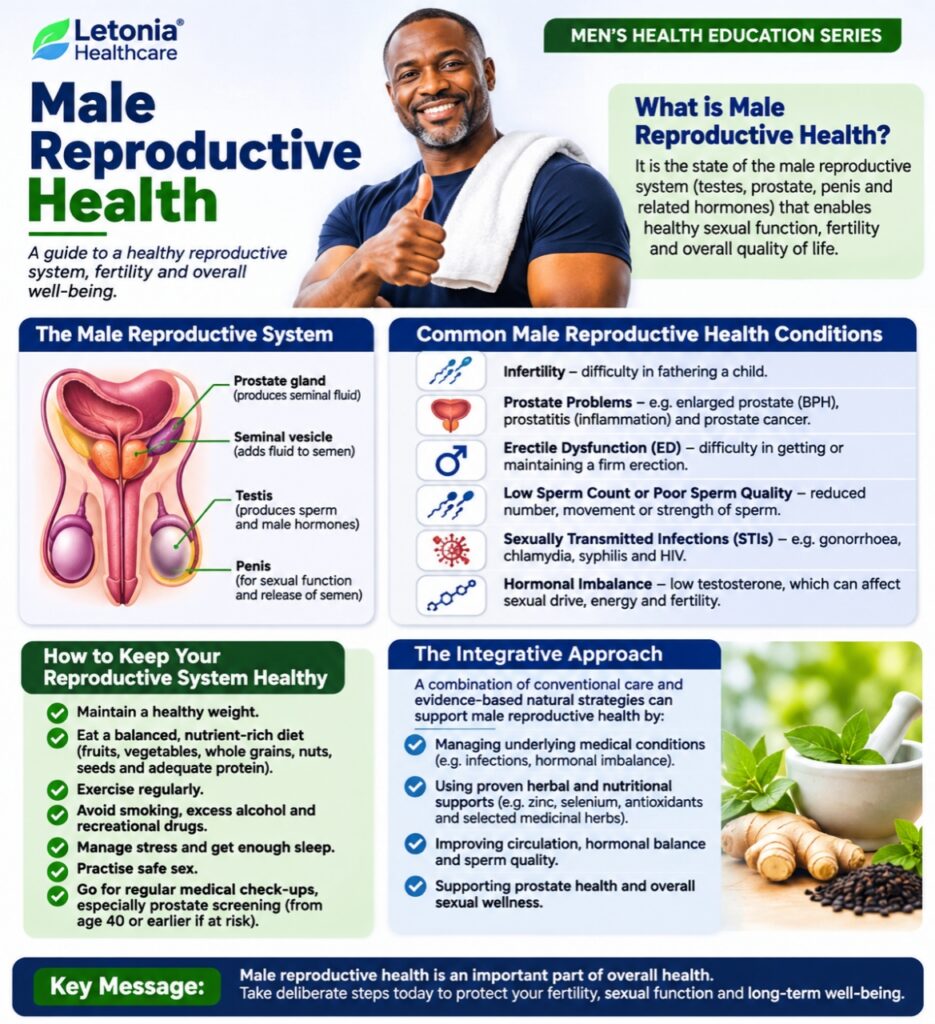
Male reproductive health is frequently reduced to three questions: Can a man produce sperm? Can he achieve an erection? Can he father a child?
These questions are important—but they are profoundly incomplete.
Male reproductive health encompasses the structural, physiological, hormonal, sexual, psychological and social dimensions of men’s reproductive wellbeing. It is closely interconnected with cardiovascular health, metabolic health, endocrine function, infectious diseases, nutrition, mental health, lifestyle, occupational exposures and ageing.
The reproductive system does not operate in isolation. The testes depend on an intricate endocrine system; erection depends substantially on vascular and neurological integrity; sperm production is influenced by temperature, hormones, nutrition, inflammation, infections and environmental exposures; while prostate health becomes increasingly important with advancing age.
Consequently, a disorder of male reproductive function may sometimes be the visible expression of a much larger systemic health problem.
Erectile dysfunction, for example, may coexist with hypertension, diabetes, obesity or cardiovascular disease. Infertility may reveal endocrine, genetic or anatomical abnormalities. Low testosterone may be associated with obesity, metabolic disease, medications or disorders of the hypothalamic-pituitary-gonadal axis.
This makes male reproductive healthcare an important gateway to comprehensive men’s health.
The appropriate question therefore is not simply: “How can we improve sexual performance?”
But rather: “What is affecting this man’s reproductive health, why is it happening, what other health conditions may be contributing, and how can the whole person be safely managed?”
That is the foundation of an evidence-informed integrative approach.
UNDERSTANDING THE MALE REPRODUCTIVE SYSTEM
The principal organs of the male reproductive system include:
– testes;
– epididymides;
– vas deferens;
– seminal vesicles;
– prostate gland;
– bulbourethral glands;
– penis; and
– associated vascular, neurological and endocrine structures.
The testes have two major functions:
1. spermatogenesis — production of spermatozoa; and
2. steroidogenesis — particularly production of testosterone.
These processes are regulated by the hypothalamic-pituitary-gonadal axis.
The hypothalamus releases gonadotropin-releasing hormone (GnRH), which stimulates the pituitary gland to produce luteinising hormone (LH) and follicle-stimulating hormone (FSH).
LH stimulates Leydig cells in the testes to produce testosterone, while FSH works with testosterone to support spermatogenesis through Sertoli-cell function.
Disruption anywhere along this pathway can affect fertility, libido, sexual function or other aspects of male health.
MALE INFERTILITY
Male infertility is one of the major reproductive-health challenges worldwide.
It may result from a problem in sperm production, sperm function, sperm transport, ejaculation, hormonal regulation or sexual function. It may also coexist with female infertility.
Importantly, infertility should be regarded as a couple’s health issue, rather than automatically attributing childlessness to the woman.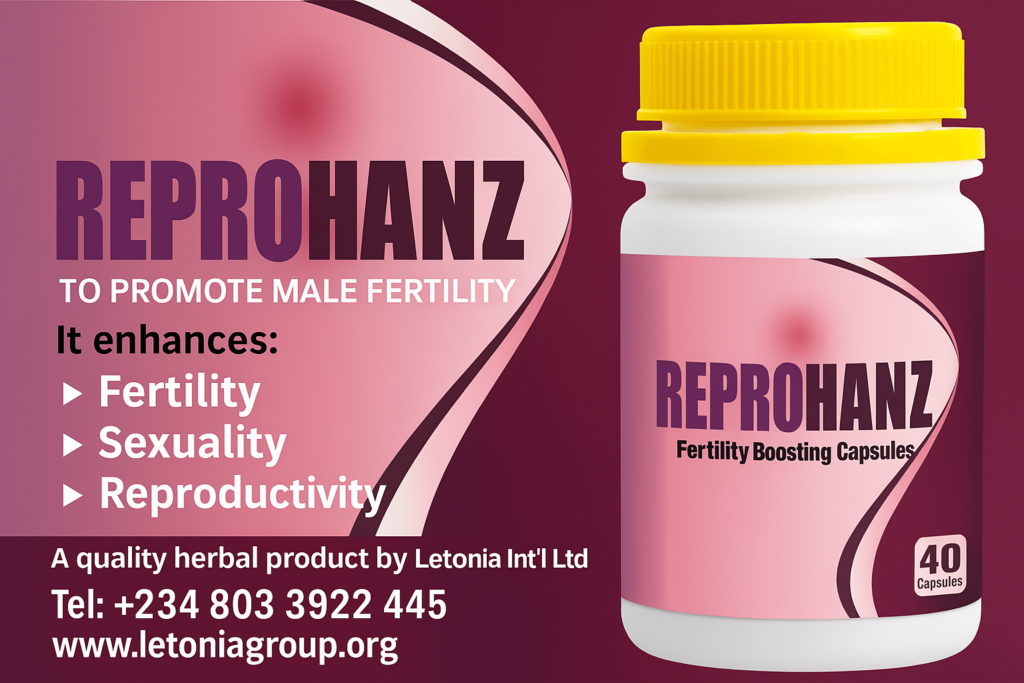
Major causes
A. Pre-testicular causes
These involve hormonal or systemic disorders affecting testicular function, including:
– hypothalamic disorders;
– pituitary disease;
– hyperprolactinaemia;
– severe systemic illness;
– certain medications;
– obesity and metabolic disease.
B. Testicular causes
These include:
– varicocele;
– testicular trauma;
– infections;
– undescended testes;
– genetic abnormalities;
– chemotherapy or radiotherapy;
– testicular failure;
– excessive heat exposure; and
– toxic environmental exposures.
C. Post-testicular causes
These involve obstruction or impaired delivery of sperm and include:
– epididymal obstruction;
– vas deferens obstruction;
– congenital absence of the vas deferens;
– ejaculatory duct obstruction; and
– certain surgical complications.
D. Sexual and ejaculatory factors
Erectile dysfunction, retrograde ejaculation and certain neurological disorders may prevent effective sperm deposition despite otherwise adequate sperm production.
Sperm abnormalities
Semen analysis can identify abnormalities involving:
– sperm concentration;
– total sperm number;
– motility;
– morphology;
– vitality; and
– other semen characteristics.
Important clinical terms include:
Oligozoospermia: low sperm concentration.
Asthenozoospermia: impaired sperm motility.
Teratozoospermia: abnormal sperm morphology.
Azoospermia: absence of spermatozoa in the ejaculate.
These findings require clinical interpretation and should not automatically be treated as isolated abnormalities.
THE INTEGRATIVE MANAGEMENT OF MALE INFERTILITY
The first principle is simple:
Diagnose before prescribing.
An appropriate assessment may include:
– detailed reproductive history;
– sexual history;
– physical examination;
– semen analysis;
– hormonal testing where indicated;
– assessment for infection;
– scrotal ultrasonography where clinically appropriate;
– genetic investigations in selected patients;
– evaluation for endocrine or metabolic disease; and
– simultaneous assessment of the female partner.
Lifestyle optimisation is an important component of management.
Important interventions include:
– achieving a healthy weight;
– regular physical activity;
– adequate sleep;
– smoking cessation;
– moderation of alcohol;
– avoidance of recreational drugs;
– avoiding anabolic steroids;
– reducing unnecessary exposure to excessive heat;
– managing diabetes and metabolic disease; and
– reducing avoidable occupational exposure to reproductive toxicants.
Selected patients may be considered for antioxidant or micronutrient supplementation, but the evidence for fertility supplements is heterogeneous. They should not be marketed as universal fertility cures.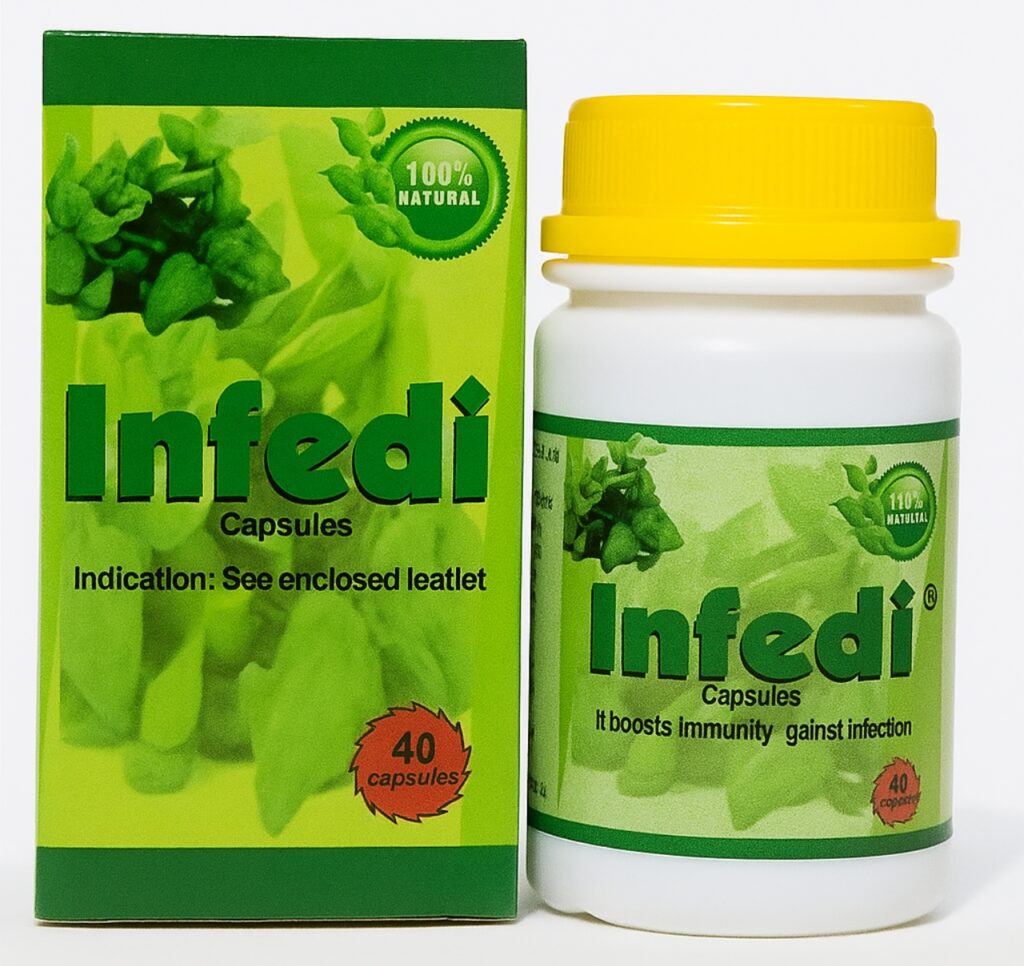
ERECTILE DYSFUNCTION: MORE THAN A SEXUAL PROBLEM
Erectile dysfunction (ED) is the persistent inability to achieve or maintain an erection sufficient for satisfactory sexual activity.
Its significance extends beyond sexual performance.
The penis is a vascular organ, and erection requires adequate:
– arterial blood flow;
– endothelial function;
– neurological signalling;
– smooth-muscle relaxation;
– hormonal support; and
– psychological readiness.
Consequently, ED may be associated with:
– hypertension;
– diabetes;
– dyslipidaemia;
– obesity;
– cardiovascular disease;
– smoking;
– neurological disease;
– medication effects;
– hormonal disorders;
– depression;
– anxiety; and
– relationship difficulties.
In some men, ED may precede clinically apparent cardiovascular disease.
Integrative management
The management of ED should therefore include identification and modification of cardiovascular and metabolic risk factors.
Interventions may include:
– physical activity;
– weight management;
– smoking cessation;
– moderation of alcohol;
– optimisation of diabetes;
– management of hypertension and dyslipidaemia;
– treatment of hormonal disorders where demonstrated;
– psychological or psychosexual intervention where appropriate; and
– evidence-based pharmacological treatment.
Phosphodiesterase-5 inhibitors are established therapies for many men, provided they are medically appropriate.
A particularly important safety issue is that PDE5 inhibitors can interact dangerously with nitrate medications.
This illustrates why sexual-health treatment should be medically supervised.
PREMATURE EJACULATION
Premature ejaculation is characterised by persistently or recurrently occurring ejaculation sooner than desired, accompanied by reduced control and clinically significant distress.
It may involve:
– psychological factors;
– anxiety;
– relationship difficulties;
– altered sexual conditioning;
– neurobiological mechanisms;
– erectile dysfunction; or
– other sexual-health factors.
Integrative management
Depending on the individual, management may involve:
– psychosexual counselling;
– behavioural techniques;
– treatment of coexisting ED;
– relationship counselling;
– pharmacological therapy; and
– education about normal sexual response.
The objective is not simply to “delay ejaculation” but to improve sexual satisfaction, control and psychological wellbeing.
MALE HYPOGONADISM AND TESTOSTERONE DEFICIENCY
Testosterone contributes to:
– libido;
– spermatogenesis;
– muscle mass;
– bone health;
– erythropoiesis;
– body composition; and
– aspects of mood and energy.
Low testosterone may result from:
Primary hypogonadism
A problem originating in the testes.
Secondary hypogonadism
A problem involving the hypothalamus or pituitary gland.
Possible manifestations include:
– reduced libido;
– erectile difficulties;
– reduced spontaneous erections;
– fatigue;
– reduced muscle mass;
– infertility;
– reduced bone density;
– decreased body hair; and
– anaemia in some patients.
Diagnosis requires appropriate clinical assessment and properly timed biochemical testing rather than treating nonspecific symptoms with testosterone.
A crucial fertility warning
Exogenous testosterone can suppress pituitary gonadotropins and consequently suppress intratesticular testosterone and sperm production.
Therefore, a man seeking fertility should not automatically be treated with testosterone simply because his serum testosterone is low.
The underlying cause should first be established and fertility goals explicitly considered.
VARICOCELE
A varicocele is dilation of the veins of the pampiniform plexus within the scrotum.
It is common and may be asymptomatic.
In some men, however, clinically significant varicocele may be associated with:
– impaired sperm production;
– abnormal semen parameters;
– testicular growth impairment;
– scrotal discomfort; and
– infertility.
Not every varicocele requires surgery.
Clinical assessment determines whether observation, fertility treatment or surgical intervention is appropriate.
BENIGN PROSTATIC HYPERPLASIA
Benign prostatic hyperplasia (BPH) is a common age-associated enlargement of the prostate.
It may cause lower urinary tract symptoms such as:
– increased urinary frequency;
– urgency;
– nocturia;
– weak urinary stream;
– hesitancy;
– intermittency;
– straining;
– terminal dribbling; and
– incomplete bladder emptying.
Management depends on symptom severity, complications and patient preference.
It may include:
– lifestyle measures;
– fluid-management strategies;
– pharmacological therapy;
– monitoring;
– minimally invasive procedures; or
– surgery.
Herbal medicine and prostate health
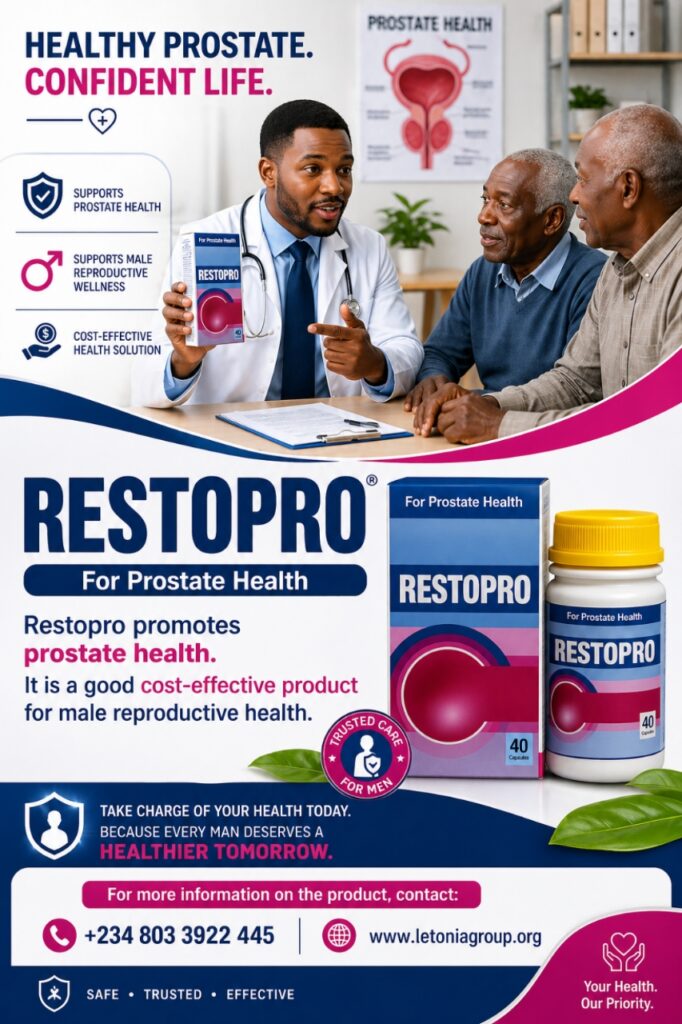
Saw palmetto (Serenoa repens) and other botanical preparations are widely marketed for prostate symptoms.
However, clinical evidence has not established herbal preparations as universal substitutes for established BPH therapies.
This distinction between traditional use, commercial claims and clinical evidence is fundamental to responsible integrative medicine.
PROSTATITIS AND CHRONIC PELVIC PAIN
Prostatitis is not one single disease.
It encompasses several clinical syndromes, including acute bacterial prostatitis, chronic bacterial prostatitis and chronic prostatitis/chronic pelvic pain syndrome.
Symptoms may include:
– pelvic pain;
– painful urination;
– urinary frequency;
– urinary urgency;
– painful ejaculation;
– perineal discomfort;
– fever in acute infection; and
– sexual dysfunction.
Acute bacterial prostatitis may require urgent antimicrobial treatment.
Chronic pelvic pain syndrome may require a multimodal strategy involving:
– urological assessment;
– pelvic-floor physiotherapy;
– pain management;
– behavioural interventions;
– psychological support;
– treatment of urinary symptoms; and
– selected medications.
SEXUALLY TRANSMITTED INFECTIONS
Sexually transmitted infections (STIs) remain major public-health concerns.
Important infections include:
– chlamydia;
– gonorrhoea;
– syphilis;
– HIV;
– hepatitis B;
– genital herpes;
– human papillomavirus; and
– trichomoniasis.
Some infections can remain asymptomatic.
Untreated infections can result in:
– epididymitis;
– infertility;
– chronic pelvic complications;
– neurological complications;
– pregnancy-related complications involving partners; and
– increased HIV transmission risk in some circumstances.
Prevention
An integrative sexual-health programme should include:
– safer-sex education;
– condom use;
– vaccination where indicated;
– appropriate STI testing;
– early treatment;
– partner notification;
– partner treatment where appropriate; and
– reduction of high-risk exposures.
An important principle
Herbal medicine should not replace effective antimicrobial therapy for bacterial STIs.
“Natural antibiotics” should never be promoted as substitutes for clinically indicated treatment without robust evidence.
EPIDIDYMITIS AND ORCHITIS
Epididymitis is inflammation of the epididymis; orchitis is inflammation of the testis.
Possible causes include bacterial and viral infections.
Symptoms can include:
– scrotal pain;
– swelling;
– tenderness;
– fever;
– urinary symptoms; and
– sexual or reproductive complications.
A medical emergency
Sudden, severe unilateral testicular pain should be treated as a potential emergency.
Testicular torsion must be urgently excluded.
Delay can result in irreversible testicular damage.
This is an important reason why unexplained testicular pain should not be managed solely with home remedies.
TESTICULAR CANCER
Testicular cancer is an important differential diagnosis for a testicular mass.
Possible features include:
– painless testicular enlargement;
– a lump;
– heaviness in the scrotum;
– discomfort;
– alteration in testicular consistency; or
– occasionally pain.
Any persistent or suspicious testicular mass requires professional evaluation, usually including ultrasonography.
Herbal preparations cannot substitute for cancer diagnosis and evidence-based oncology treatment.
PROSTATE CANCER
Prostate cancer is a major health concern among ageing men.
Early prostate cancer may cause no symptoms.
Possible symptoms in more advanced disease include:
– urinary difficulties;
– blood in urine or semen;
– erectile difficulties;
– bone pain; and
– constitutional symptoms.
Risk is influenced by factors including:
– age;
– family history;
– genetic predisposition;
– ancestry;
– and other factors.
Screening decisions should be individualised through informed discussion about benefits, limitations, potential harms and personal risk.
PSA testing and digital rectal examination have specific roles but are not interchangeable, and neither test by itself establishes a definitive cancer diagnosis.
DIABETES, OBESITY AND METABOLIC SYNDROME
One of the most important developments in modern men’s reproductive health is recognition of the relationship between reproductive and metabolic health.
Obesity may be associated with:
– altered testosterone metabolism;
– hypogonadal symptoms;
– erectile dysfunction;
– reduced sperm quality;
– insulin resistance;
– systemic inflammation; and
– cardiovascular disease.
Diabetes can affect sexual function through:
– endothelial dysfunction;
– vascular disease;
– peripheral and autonomic neuropathy;
– hormonal changes; and
– psychological effects.
Therefore, managing metabolic health is also managing reproductive health.
A man’s reproductive-health consultation should sometimes become an opportunity to check:
– blood pressure;
– fasting glucose or HbA1c;
– lipid profile;
– weight;
– waist circumference; and
– cardiovascular risk.
CARDIOVASCULAR HEALTH AND MALE SEXUAL FUNCTION
The connection between cardiovascular disease and erectile dysfunction deserves special attention.
Normal erection requires endothelial nitric oxide signalling and adequate arterial inflow.
Atherosclerosis and endothelial dysfunction can impair penile blood flow.
Because penile arteries are smaller than many coronary arteries, erectile symptoms may sometimes become apparent before overt cardiovascular symptoms.
This does not mean that every case of ED indicates cardiovascular disease.
It means that persistent unexplained ED deserves appropriate cardiovascular risk assessment.
PSYCHOLOGICAL AND PSYCHOSEXUAL HEALTH
The mind and reproductive system communicate continuously.
Stress and psychological distress can affect:
– libido;
– erectile function;
– ejaculation;
– sexual satisfaction;
– fertility-related coping;
– relationships; and
– adherence to treatment.
Infertility itself can generate significant emotional distress.
Men may experience:
– shame;
– anxiety;
– frustration;
– social pressure;
– relationship conflict;
– reduced self-esteem; and
– feelings of inadequacy.
Psychological care is therefore not an optional luxury.
It is an important component of comprehensive reproductive healthcare.
SLEEP AND MALE REPRODUCTIVE HEALTH
Sleep is often neglected in discussions of reproductive health.
Poor sleep may be associated with:
– impaired metabolic health;
– altered hormonal regulation;
– obesity;
– psychological distress; and
– sexual dysfunction.
Sleep disorders, particularly obstructive sleep apnoea, may coexist with obesity, hypertension, metabolic disease and sexual dysfunction.
An integrative approach should therefore ask:
How well does the man sleep?
rather than focusing exclusively on sexual symptoms.
PHYSICAL ACTIVITY AND EXERCISE
Regular physical activity contributes to:
– cardiovascular fitness;
– metabolic health;
– healthy body composition;
– psychological wellbeing;
– vascular function; and
– overall sexual health.
However, the goal should be appropriate exercise, not extreme physical stress.
Excessive training, inadequate energy intake and use of anabolic steroids can adversely affect reproductive function.
NUTRITION AND MALE REPRODUCTIVE HEALTH
Reproductive physiology requires adequate energy and nutrients.
Important nutritional factors include:
– zinc;
– selenium;
– folate;
– vitamins C and E;
– vitamin D;
– vitamin B12;
– omega-3 fatty acids;
– adequate protein;
– iron where deficiency exists; and
– overall dietary adequacy.
However, nutritional supplementation should not become a substitute for dietary quality.
A balanced dietary pattern rich in:
– vegetables;
– fruits;
– legumes;
– whole grains;
– nuts and seeds;
– fish where culturally and medically appropriate;
– healthy fats; and
– adequate protein
is generally more meaningful than reliance on a collection of high-dose supplements.
THE ENVIRONMENTAL DIMENSION OF MALE REPRODUCTIVE HEALTH
The modern reproductive-health conversation must extend beyond the clinic.
Men may encounter reproductive-health risks through:
– pesticides;
– heavy metals;
– solvents;
– industrial chemicals;
– tobacco smoke;
– excessive alcohol;
– recreational drugs;
– anabolic steroids;
– excessive heat;
– certain occupational exposures; and
– potentially endocrine-disrupting chemicals.
Farmers, industrial workers, mechanics, laboratory personnel and workers in chemical-processing environments may require specific occupational-health interventions.
The principle should be:
Identify the exposure → reduce unnecessary exposure → use appropriate protective measures → monitor when clinically indicated.
MEDICATIONS AND MALE REPRODUCTIVE HEALTH
Healthcare professionals should consider medication-related reproductive effects.
Potential contributors to sexual or reproductive dysfunction may include certain:
– antidepressants;
– antihypertensive medicines;
– antipsychotics;
– hormonal agents;
– opioids;
– anabolic steroids;
– antiandrogens; and
– other medications.
This does not mean patients should stop prescribed medicines; instead possible medication-related reproductive effects should be assessed professionally, and treatment should be modified only when clinically appropriate.
THE INTEGRATIVE MANAGEMENT FRAMEWORK
An effective integrative model can be organised around eight interconnected pillars.
Pillar 1: Diagnose
Do not treat the symptom without investigating the cause.
Pillar 2: Diet
Build dietary adequacy and correct clinically relevant deficiencies.
Pillar 3: Daily movement
Promote regular, sustainable physical activity.
Pillar 4: Disease control
Identify and manage hypertension, diabetes, dyslipidaemia, obesity, endocrine disorders and other relevant diseases.
Pillar 5: Drugs and therapeutics
Use evidence-based medications appropriately and monitor for adverse effects and interactions.
Pillar 6: Distress and psychological wellbeing
Address anxiety, depression, relationship difficulties and infertility-related distress.
Pillar 7: De-risk the environment
Reduce tobacco, excessive alcohol, recreational drugs, anabolic steroids and avoidable occupational/environmental exposures.
Pillar 8: Discuss complementary medicine responsibly
Where complementary or herbal therapies are considered, evaluate:
– evidence;
– botanical identity;
– dosage;
– standardisation;
– purity;
– contamination;
– interactions;
– contraindications;
– adverse effects;
– regulatory status; and
– monitoring requirements.
HERBAL MEDICINE: WHERE SCIENCE MUST MEET TRADITION
Herbal medicine has a long history in many African, Asian and other traditional healthcare systems.
There is legitimate scientific interest in medicinal plants as sources of:
– pharmacologically active compounds;
– antioxidant compounds;
– anti-inflammatory agents;
– antimicrobial agents;
– metabolic modulators; and
– potential therapeutic leads.
But traditional use is not equivalent to clinical proof.
An evidence-informed herbal medicine programme should distinguish between:
Traditional evidence
What has historically been used.
Preclinical evidence
What laboratory or animal studies suggest.
Clinical evidence
What controlled human studies demonstrate.
Regulatory evidence
Whether the product meets applicable quality, safety and regulatory requirements.
This distinction is particularly important in male reproductive health, where commercial claims can be extremely aggressive.
THE DANGER OF “SEXUAL ENHANCEMENT” PRODUCTS
Products advertised as:
– instant aphrodisiacs;
– natural Viagra;
– testosterone boosters;
– male power capsules;
– permanent enlargement products; or
– guaranteed fertility remedies
deserve particular scrutiny.
Some products sold as “natural” sexual enhancers have been found in different markets to contain undeclared pharmaceutical substances.
Potential consequences include:
– dangerous drug interactions;
– hypotension;
– cardiovascular complications;
– liver injury;
– kidney injury;
– hormonal disruption; and
– delayed diagnosis of serious disease.
The word natural should therefore never be confused with risk-free.
MALE REPRODUCTIVE HEALTH AND PUBLIC HEALTH IN AFRICA
The African context deserves particular attention.
Male reproductive healthcare intersects with:
– cultural expectations surrounding masculinity;
– stigma surrounding infertility;
– unequal access to specialist services;
– misinformation;
– traditional medicine;
– sexually transmitted infections;
– occupational exposures;
– delayed healthcare seeking;
– financial barriers;
– urbanisation;
– changing dietary patterns; and
– increasing prevalence of non-communicable diseases.
In many communities, a man may be more willing to purchase a sexual-enhancement product privately than visit a clinic for erectile dysfunction or infertility.
This creates an important public-health opportunity.
Healthcare professionals should make reproductive-health services: accessible, confidential, respectful, scientifically credible and culturally sensitive.
THE ROLE OF THE PHARMACIST
Pharmacists occupy a strategically important position in male reproductive healthcare.
Men frequently approach pharmacies for:
– sexual-enhancement products;
– fertility supplements;
– erectile-dysfunction medicines;
– urinary medicines;
– herbal products;
– vitamins and minerals.
This creates an opportunity for pharmacists to:
– identify red flags;
– assess medication interactions;
– discourage unsafe self-medication;
– promote STI testing;
– identify possible cardiovascular risk;
– counsel on lifestyle;
– refer appropriately; and
– support adherence to evidence-based treatment.
The pharmacist therefore becomes not merely a dispenser of medicines but an important front-line reproductive-health educator and gatekeeper.
WHEN SHOULD A MAN SEEK MEDICAL ATTENTION?
Men should seek professional evaluation for:
– persistent erectile dysfunction;
– unexplained loss of libido;
– infertility;
– testicular lumps;
– persistent testicular enlargement;
– sudden testicular pain;
– painful ejaculation;
– persistent pelvic pain;
– blood in urine or semen;
– persistent urinary symptoms;
– recurrent genital infections;
– unexplained hormonal symptoms;
– suspected STI exposure; or
– adverse effects from sexual-health products.
Urgent evaluation is particularly important for:
– sudden severe testicular pain;
– acute scrotal swelling with systemic illness;
– urinary retention;
– severe infection symptoms; and
– suspected serious drug reactions.
FROM SEXUAL PERFORMANCE TO HEALTH PROMOTION
Perhaps the most important conceptual change is this:
Male reproductive health should not begin when infertility occurs.
It should begin much earlier.
Boys and young men require age-appropriate health education.
Young adults need information about:
– STI prevention;
– reproductive anatomy;
– healthy sexual behaviour;
– contraception and shared reproductive responsibility;
– substance avoidance;
– anabolic-steroid risks;
– healthy nutrition;
– exercise; and
– when to seek care.
Middle-aged men need greater attention to:
– blood pressure;
– glucose;
– cardiovascular risk;
– obesity;
– sexual function;
– prostate health;
– sleep; and
– mental wellbeing.
Older men require appropriate attention to:
– prostate disease;
– sexual function;
– metabolic health;
– cardiovascular disease;
– medication effects;
– bone health; and
– quality of life.
Thus, male reproductive healthcare should become a lifecourse intervention.
A PRACTICAL INTEGRATIVE MALE HEALTH CHECK
A comprehensive male reproductive-health assessment may consider:
Reproductive
– fertility history;
– semen analysis where indicated;
– testicular examination;
– sexual function;
– libido;
– ejaculation.
Metabolic
– blood pressure;
– body mass index;
– waist circumference;
– blood glucose/HbA1c;
– lipid profile.
Endocrine
– testosterone when clinically indicated;
– LH;
– FSH;
– prolactin and other investigations when appropriate.
Infectious disease
– STI assessment/testing according to risk.
Urological
– urinary symptoms;
– prostate assessment where clinically appropriate;
– testicular symptoms.
Lifestyle
– smoking;
– alcohol;
– drugs;
– exercise;
– nutrition;
– sleep;
– occupational exposure.
Psychological
– stress;
– anxiety;
– depression;
– relationship wellbeing;
– infertility-related distress.
This represents the difference between symptom management and health management.
THE ELCONIC PERSPECTIVE: REPRODUCTIVE HEALTH AS WHOLE-MAN HEALTH
The future of male reproductive medicine should not be a contest between conventional medicine and traditional medicine.
It should be a disciplined integration of the best available evidence, clinical expertise, responsible traditional knowledge, patient values and preventive health principles.
The objective is neither to glorify pharmaceutical medicine nor to romanticise herbal medicine.
The objective is to ask:
What is the diagnosis?
What caused it?
What evidence supports the intervention?
What are the risks?
What interactions are possible?
What can be prevented?
What can lifestyle change accomplish?
When is specialist referral necessary?
And, above all:
How do we treat the man rather than merely treating the symptom?
IN CONCLUSION, THE MAN MUST NOT BE REDUCED TO HIS REPRODUCTIVE FUNCTION
Male reproductive health is a biological, psychological, relational and public-health phenomenon.
Infertility is not simply failure to father a child.
Erectile dysfunction is not merely inability to perform sexually.
Low testosterone is not simply a number on a laboratory report.
Prostate symptoms are not automatically cancer.
A testicular lump is not something to experiment on with herbal remedies.
And sexual dysfunction should never become an excuse to ignore cardiovascular, metabolic, endocrine or psychological disease.
The modern approach must therefore be preventive, diagnostic, personalised, evidence-informed and integrative.
A healthy reproductive system is supported by a healthy vascular system, healthy metabolism, appropriate hormonal function, psychological wellbeing, responsible sexual behaviour, adequate nutrition, physical activity, good sleep and a safe environment.
The ultimate goal of male reproductive healthcare is consequently bigger than fertility.
It is the preservation of the man’s capacity to live, love, reproduce, function and age with dignity and optimal health.
PS: Dr. Emereonye could be reached on: +234 803 392 2445
REFERENCES
1. World Health Organization. WHO Laboratory Manual for the Examination and Processing of Human Semen. 6th ed. Geneva: World Health Organization; 2021.
2. World Health Organization. Infertility. WHO reproductive health resources. Geneva: WHO.
3. World Health Organization. Sexually Transmitted Infections (STIs). Geneva: WHO.
4. World Health Organization. Global Health Sector Strategies on HIV, Viral Hepatitis and Sexually Transmitted Infections. Geneva: WHO.
5. European Association of Urology. EAU Guidelines on Sexual and Reproductive Health. Arnhem: EAU Guidelines Office; current edition.
6. European Association of Urology. EAU Guidelines on Male Sexual Health. Arnhem: EAU Guidelines Office; current edition.
7. European Association of Urology. EAU Guidelines on Male Infertility. Arnhem: EAU Guidelines Office; current edition.
8. American Urological Association, American Society for Reproductive Medicine. Diagnosis and Treatment of Infertility in Men: AUA/ASRM Guideline. Current guideline and amendments.
9. American Urological Association. Erectile Dysfunction: AUA Guideline. Current edition.
10. National Institute of Diabetes and Digestive and Kidney Diseases. Erectile Dysfunction (ED). National Institutes of Health.
11. National Institute of Diabetes and Digestive and Kidney Diseases. Prostatitis: Inflammation of the Prostate. National Institutes of Health.
12. National Institute of Diabetes and Digestive and Kidney Diseases. Enlarged Prostate (Benign Prostatic Hyperplasia). National Institutes of Health.
13. National Cancer Institute. Prostate Cancer. National Institutes of Health.
14. National Cancer Institute. Testicular Cancer. National Institutes of Health.
15. European Association of Urology. EAU Guidelines on Non-neurogenic Male Lower Urinary Tract Symptoms, including Benign Prostatic Obstruction. Current edition.
16. Mulhall JP, Trost LW, Brannigan RE, et al. Evaluation and management of testosterone deficiency: AUA guideline. Journal of Urology. 2018;200(2):423–432.
17. Bhasin S, Brito JP, Cunningham GR, et al. Testosterone therapy in men with hypogonadism: An Endocrine Society clinical practice guideline. Journal of Clinical Endocrinology & Metabolism. 2018;103(5):1715–1744.
18. Shabsigh R, et al. Erectile dysfunction as a cardiovascular risk marker. Current Medical Research and Opinion. Relevant literature on ED and cardiovascular risk.
19. Vlachopoulos C, Jackson G, Stefanadis C, Montorsi P. Erectile dysfunction in the cardiovascular patient. European Heart Journal. 2013;34(27):2034–2046.
20. Miner M, Seftel AD, Nehra A, et al. Prognostic utility of erectile dysfunction for cardiovascular disease. Journal of Sexual Medicine. Relevant clinical literature.
21. Corona G, Bianchini S, Sforza A, et al. Obesity and male sexual function. Journal of Endocrinological Investigation. Relevant clinical literature.
22. Salonia A, Bettocchi C, Carvalho J, et al. EAU Guidelines on Sexual and Reproductive Health. European Association of Urology.
23. Sharlip ID, Jarow JP, Belker AM, et al. Best practice policies for male infertility. Fertility and Sterility. 2002;77(5):873–882.
24. Schlegel PN, Sigman M, Collura B, et al. Diagnosis and treatment of infertility in men: AUA/ASRM guideline part I. Fertility and Sterility. 2021;115(1):54–61.
25. Schlegel PN, Sigman M, Collura B, et al. Diagnosis and treatment of infertility in men: AUA/ASRM guideline part II. Fertility and Sterility. 2021;115(1):62–69.
26. Agarwal A, Baskaran S, Parekh N, et al. Male infertility. The Lancet. 2021;397:319–333.
27. Levine H, Jørgensen N, Martino-Andrade A, et al. Temporal trends in sperm count: a systematic review and meta-regression analysis. Human Reproduction Update. 2023;29(2):157–176.
28. Salonia A, Bettocchi C, Boeri L, et al. European Association of Urology Guidelines on Sexual and Reproductive Health. European Urology. Current guideline literature.
29. Corona G, Vignozzi L, Sforza A, Mannucci E, Maggi M. Obesity and erectile dysfunction: a review. European Urology. 2016;69(1):64–74.
30. Isidori AM, Pozza C, Gianfrilli D, Isidori A. Medical treatment to improve sperm quality. Reproductive Biomedicine Online. Relevant clinical evidence.
31. Showell MG, Mackenzie-Proctor R, Brown J, Yazdani A, Stankiewicz MT, Hart RJ. Antioxidants for male subfertility. Cochrane Database of Systematic Reviews. 2022.
32. Agarwal A, Majzoub A, Baskaran S, et al. Sperm DNA fragmentation: a new guideline for clinicians. World Journal of Men’s Health. Relevant clinical literature.
33. European Association of Urology. EAU Guidelines on Urological Infections. Current edition.
34. Workowski KA, Bachmann LH, Chan PA, et al. Sexually transmitted infections treatment guidelines. MMWR Recommendations and Reports. Centers for Disease Control and Prevention; 2021.
35. Centers for Disease Control and Prevention. Sexually Transmitted Infections Treatment Guidelines. Atlanta: CDC.
36. World Health Organization. WHO Guidelines for the Treatment of Chlamydia trachomatis. Geneva: WHO.
37. World Health Organization. WHO Guidelines for the Treatment of Neisseria gonorrhoeae. Geneva: WHO.
38. World Health Organization. WHO Guidelines for the Treatment of Syphilis. Geneva: WHO.
39. National Institutes of Health, National Center for Complementary and Integrative Health. Herbs at a Glance and Complementary Health Approaches. Bethesda: NCCIH.
40. National Center for Complementary and Integrative Health. Saw Palmetto: Usefulness and Safety. NIH/NCCIH.
41. Bent S, Kane C, Shinohara K, et al. Saw palmetto for benign prostatic hyperplasia. New England Journal of Medicine. 2006;354:557–566.
42. Tacklind J, MacDonald R, Rutks I, Wilt TJ. Serenoa repens for benign prostatic hyperplasia. Cochrane Database of Systematic Reviews. 2012.
43. National Center for Complementary and Integrative Health. Using Dietary Supplements Wisely. Bethesda: NIH.
44. World Health Organization. WHO Global Report on Traditional and Complementary Medicine. Geneva: WHO; 2019.
45. World Health Organization. WHO Traditional Medicine Strategy: 2014–2023. Geneva: WHO.
46. World Health Organization. WHO Traditional Medicine Global Strategy 2025–2034. Geneva: WHO.
47. U.S. Food and Drug Administration. Tainted Sexual Enhancement and Energy Products. FDA consumer safety resources.
48. European Medicines Agency. Guideline on Quality of Herbal Medicinal Products/Traditional Herbal Medicinal Products. EMA.
49. National Center for Complementary and Integrative Health. Herbal Medicines and Dietary Supplements: Safety and Interactions. NIH.
50. Maggi M, Schulman C, Quinton R, et al. Testosterone treatment and male reproductive health: clinical considerations. Relevant endocrine and reproductive-health literature.
51. Traish AM. Testosterone and erectile function: mechanisms and clinical implications. Relevant literature in androgen and sexual medicine.
52. Laumann EO, Nicolosi A, Glasser DB, et al. Sexual problems among men and women aged 40–80 years: prevalence and correlates. International Journal of Impotence Research. 2005;17:39–57.
53. McCabe MP, Sharlip ID, Lewis R, et al. Incidence and prevalence of sexual dysfunction in men and women: a consensus statement. Journal of Sexual Medicine. 2016;13(2):144–152.
54. Montorsi F, Adaikan G, Becher E, et al. Summary of recommendations on sexual dysfunction in men. Journal of Sexual Medicine. Relevant consensus literature.
55. European Association of Urology. EAU Guidelines on Prostate Cancer. Current edition.
56. American Urological Association. Early Detection of Prostate Cancer: AUA/SUO Guideline. Current edition.
57. US Preventive Services Task Force. Screening for prostate cancer: recommendation statement. JAMA. 2018;319(18):1901–1913.
58. International Agency for Research on Cancer. WHO Classification of Tumours: Urinary and Male Genital Tumours. World Health Organization.
59. European Association of Urology. EAU Guidelines on Testicular Cancer. Current edition.
60. National Institute for Occupational Safety and Health. Reproductive Health and the Workplace. Centers for Disease Control and Prevention.
61. Sharpe RM. Environmental/lifestyle effects on spermatogenesis. Philosophical Transactions of the Royal Society B. Relevant reproductive biology literature.
62. Skakkebaek NE, Rajpert-De Meyts E, Buck Louis GM, et al. Male reproductive disorders and declining sperm counts: environmental and developmental perspectives. Physiological Reviews. Relevant literature.
63. Levine H, Jørgensen N, Martino-Andrade A, et al. Sperm count trends and implications for male reproductive health. Human Reproduction Update. 2023.
64. World Health Organization. Global Action Plan on Physical Activity 2018–2030. Geneva: WHO.
65. World Health Organization. Healthy Diet. Geneva: WHO.
66. World Health Organization. Guidelines on Physical Activity and Sedentary Behaviour. Geneva: WHO; 2020.
67. American Diabetes Association. Standards of Care in Diabetes. Current edition.
68. European Society of Cardiology. Guidelines for the Management of Cardiovascular Disease Prevention. Current edition.
69. World Health Organization. Noncommunicable Diseases: Key Facts. Geneva: WHO.
70. National Institute of Mental Health. Depression and Mental Health Resources. NIH.
71. World Health Organization. Mental Health and Psychosocial Well-being. Geneva: WHO.
72. European Association of Urology. Guidelines on Chronic Pelvic Pain. Current edition.
73. National Institute of Diabetes and Digestive and Kidney Diseases. Male Reproductive Health. NIH.
74. American Society for Reproductive Medicine. Diagnosis and Treatment of Infertility in Men. Practice guidance and committee opinions.
75. World Health Organization. International Classification of Diseases 11th Revision (ICD-11). Geneva: WHO.
Leave a comment