The Menace of Bedbugs in Nigerian Boarding Schools: A Silent Public Health Crisis
By Livy-Elcon Emereonye
Introduction
There are problems that shout, and there are problems that whisper while doing lasting damage. Bedbug infestation in Nigerian boarding schools belongs firmly in the latter category. It is normalized, trivialized, and often dismissed as an inevitable inconvenience of communal living. Yet, beneath this casual acceptance lies a deeply entrenched public health issue with measurable physiological, psychological, and academic consequences.
This article argues that the persistence of bedbugs in Nigerian boarding schools is not merely an issue of hygiene, but a structural failure involving policy neglect, infrastructural decay, and inadequate application of scientific pest management principles. It further contends that without a paradigm shift from reactive control to preventive, evidence-based strategies, the problem will remain endemic.
Understanding the Bedbug: Biology and Behavior
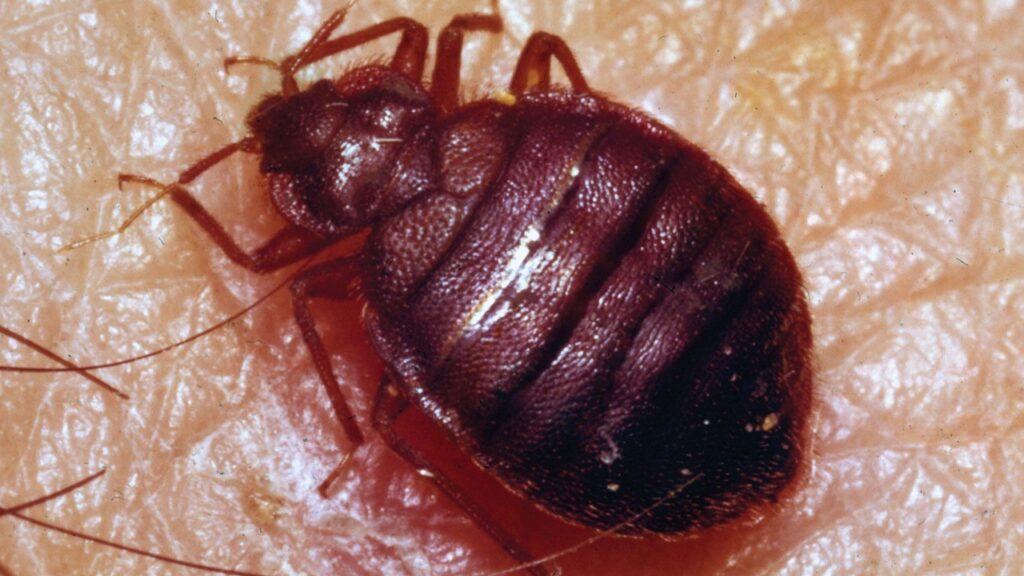
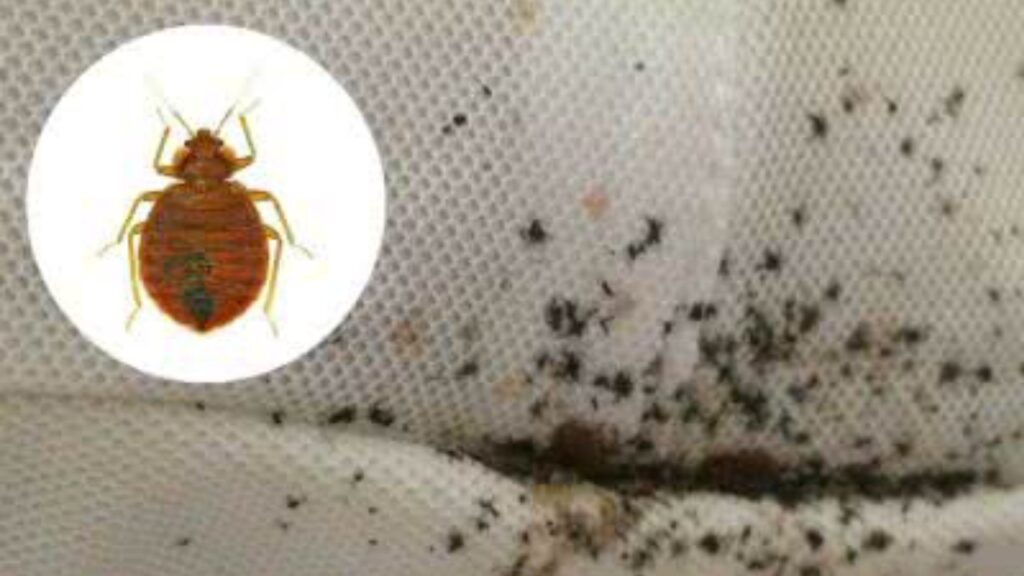
Bedbugs (Cimex lectularius) are hematophagous insects that feed exclusively on blood, primarily human. They are nocturnal, cryptic, and highly adaptive, making them particularly difficult to detect and eradicate. Adult bedbugs are reddish-brown, oval-shaped, and approximately 4–7 mm in length. Their flattened bodies allow them to hide in narrow crevices such as mattress seams, bed frames, wall cracks, and furniture joints (Doggett et al., 2018).
Bedbugs do not transmit diseases in the conventional sense, but their bites can cause significant dermatological reactions, including pruritic wheals, allergic responses, and secondary infections due to scratching (Goddard & deShazo, 2009). Importantly, bedbugs can survive for months without feeding, increasing their resilience in environments where control measures are inconsistent.
Their reproductive capacity further complicates eradication. A single female can lay hundreds of eggs over her lifetime, and under favorable conditions, infestations can escalate rapidly (Reinhardt & Siva-Jothy, 2007).
Why Boarding Schools Are Ideal Breeding Grounds
The ecology of Nigerian boarding schools inadvertently supports bedbug proliferation. Several factors converge:
Overcrowding
Dormitories in many Nigerian schools house far more students than they were designed for. High human density increases the availability of blood meals and facilitates rapid spread from one bed to another.
Infrastructure Deficits
Old wooden bunk beds, torn mattresses, and poorly maintained dormitories provide ideal hiding places. Cracked walls, loose floorboards, and inadequate sanitation further compound the problem.
Student Mobility
Students frequently move between home and school, especially during holidays. This mobility aids the transfer of bedbugs via luggage, clothing, and bedding.
Weak Institutional Response
Many schools rely on sporadic fumigation using over-the-counter insecticides, often without professional guidance. This approach is not only ineffective but may contribute to insecticide resistance.
The Illusion of Control: Why Current Measures Fail
The dominant approach to bedbug control in many Nigerian boarding schools is reactive rather than preventive. Once infestations become unbearable, schools resort to mass fumigation, often carried out without proper preparation or follow-up.
Scientific literature has consistently shown that bedbugs have developed resistance to commonly used pyrethroid insecticides (Romero et al., 2007). This means that the typical “spray and hope” method is largely ineffective.
Moreover, improper application of chemicals can pose serious health risks to students, including respiratory irritation, skin burns, and long-term toxic exposure.
In many cases, students themselves become informal pest controllers, applying insecticides directly to their bodies or sleeping surfaces—an alarming practice that reflects both desperation and institutional failure.
Health Implications Beyond the Bite
Dermatological Effects
Bedbug bites often present as itchy, erythematous papules. Repeated exposure can lead to hypersensitivity reactions, while excessive scratching may result in secondary bacterial infections (Goddard & deShazo, 2009).
Sleep Disruption and Cognitive Impact
Bedbugs feed at night, leading to sleep fragmentation. Chronic sleep deprivation has been linked to impaired cognitive function, reduced academic performance, and mood disturbances (Curcio et al., 2006).
Psychological Distress
The presence of bedbugs is associated with anxiety, insomnia, and social stigma. Students may feel embarrassed, isolated, or even blamed for infestations, further exacerbating mental health challenges.
Public Health Spillover
Infestations do not remain confined to school premises. Students often transport bedbugs back to their homes, contributing to community-wide spread.
The Political Economy of Neglect
It would be simplistic to attribute the persistence of bedbugs solely to poor hygiene. The issue is deeply embedded in the political economy of education in Nigeria.
Underfunded schools struggle to maintain basic infrastructure, let alone implement integrated pest management systems. Regulatory oversight is often weak, and boarding facilities are rarely subjected to rigorous health inspections.
There is also a cultural dimension: the normalization of discomfort in educational settings. Generations of students have endured bedbug infestations, creating a dangerous sense of inevitability.
Toward an Evidence-Based Solution
Addressing bedbug infestations requires a shift from ad hoc interventions to structured, science-driven strategies.
Integrated Pest Management (IPM)
IPM combines multiple control methods, including monitoring, sanitation, mechanical removal, and targeted chemical use. It emphasizes prevention and minimizes reliance on insecticides (EPA, 2010).
Infrastructure Upgrade
Replacing wooden bed frames with metal alternatives, repairing walls, and using bedbug-proof mattress encasements can significantly reduce hiding spots.
Routine Inspection and Monitoring
Regular inspections using trained personnel can detect infestations early, preventing large-scale outbreaks.
Professional Pest Control
Engaging licensed pest control experts ensures the use of effective and safe treatment methods, including heat treatment and approved insecticides.
Health Education
Students should be educated on identifying bedbugs, reporting infestations, and avoiding unsafe practices.
Policy and Regulation
Government agencies must establish and enforce minimum standards for boarding school hygiene and pest control.
A Call to Action
The continued presence of bedbugs in Nigerian boarding schools is not a trivial inconvenience—it is a marker of systemic neglect. It reflects how easily student welfare can be compromised when discomfort is normalized and accountability is diffused.
If Nigeria is serious about improving educational outcomes and safeguarding student health, it must confront this issue with urgency and scientific rigor. Schools must be held accountable, resources must be allocated strategically, and evidence-based practices must replace outdated methods.
Bedbugs may be small, but the implications of ignoring them are anything but.
References
Curcio, G., Ferrara, M., & De Gennaro, L. (2006). Sleep loss, learning capacity and academic performance. Sleep Medicine Reviews, 10(5), 323–337.
Doggett, S. L., Dwyer, D. E., Peñas, P. F., & Russell, R. C. (2018). Bed bugs: clinical relevance and control options. Clinical Microbiology Reviews, 31(1), e00062-16.
Environmental Protection Agency (EPA). (2010). Integrated Pest Management (IPM) Principles.
Goddard, J., & deShazo, R. (2009). Bed bugs (Cimex lectularius) and clinical consequences of their bites. JAMA, 301(13), 1358–1366.
Reinhardt, K., & Siva-Jothy, M. T. (2007). Biology of the bed bugs (Cimicidae). Annual Review of Entomology, 52, 351–374.
Romero, A., Potter, M. F., Potter, D. A., & Haynes, K. F. (2007). Insecticide resistance in the bed bug: a factor in the pest’s sudden resurgence? Journal of Medical Entomology, 44(2), 175–178.
+234 803 3922 445





Leave a comment