
Integrative Approach to the Management of Elephantiasis (Lymphatic Filariasis–Related Lymphedema) in Nigeria
By Livy-Elcon Emereonye
Abstract
Lymphatic filariasis (LF), a neglected tropical disease, remains a public health concern in Nigeria, which accounts for a significant proportion of the global burden. Elephantiasis, the chronic manifestation of LF, leads to severe disability, stigma, and reduced quality of life. While mass drug administration (MDA) programs have reduced transmission, millions of Nigerians live with chronic lymphedema requiring long-term care. This article presents an evidence-based integrative approach to the management of elephantiasis, combining conventional medical treatment with hygiene-based care, nutrition, herbal medicine, physical therapy, and psychosocial support. Emphasis is placed on locally relevant strategies and data applicable to endemic communities in Nigeria.
Keywords: Elephantiasis, lymphatic filariasis, integrative medicine, Nigeria, lymphedema, herbal therapy
1. Introduction
Lymphatic filariasis (LF) is endemic in Nigeria, with the country contributing one of the highest burdens globally. According to the World Health Organization (WHO, 2023), over 120 million people are infected worldwide, with Nigeria accounting for a substantial share of cases in Africa. Approximately 25–30 million Nigerians are at risk, particularly in rural and peri-urban communities (Federal Ministry of Health [FMoH], 2019).
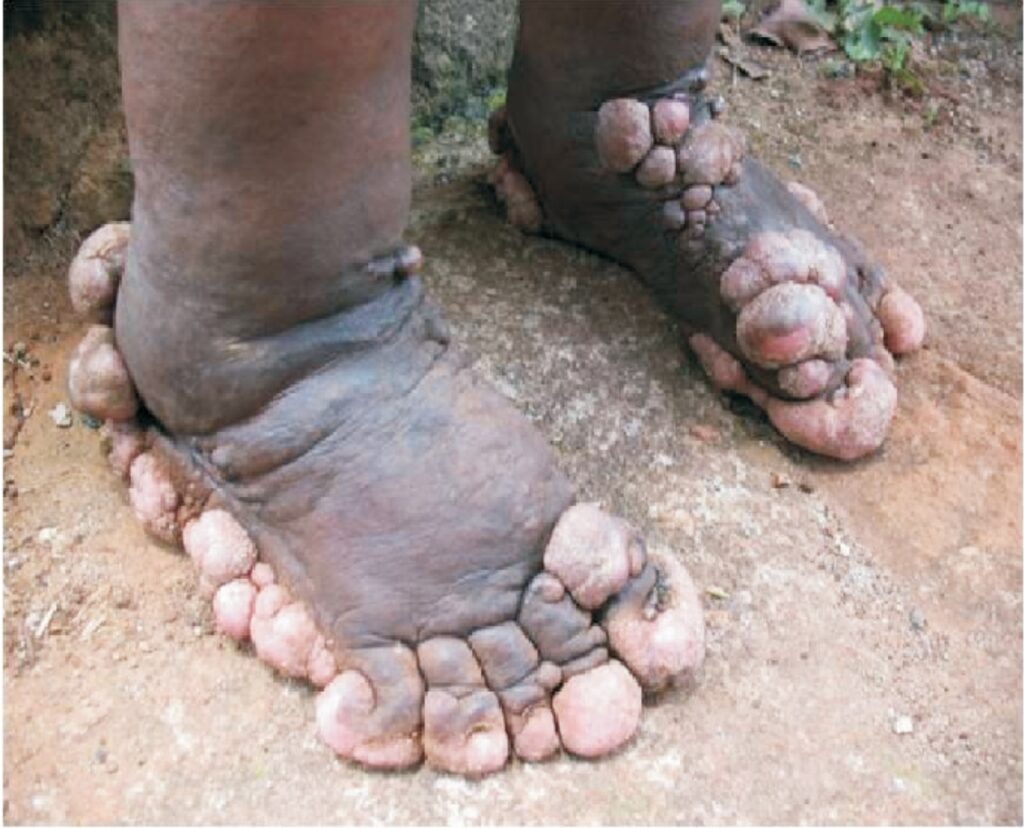
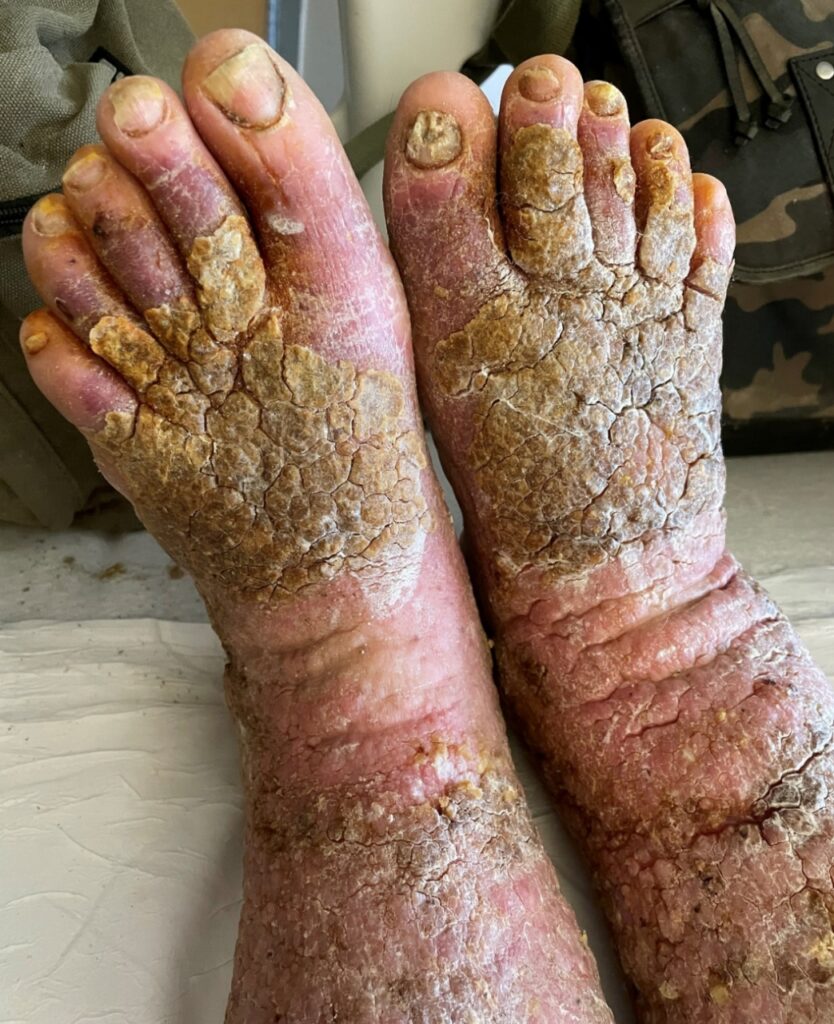
Elephantiasis represents the advanced stage of LF, characterized by massive swelling of limbs, breasts, or genitalia due to lymphatic dysfunction. Beyond physical impairment, the disease imposes economic hardship and social stigma, often leading to exclusion and reduced productivity.
2. Epidemiology and Burden in Nigeria
Nigeria is among the countries prioritized for LF elimination. Mapping studies indicate that LF is endemic in over 500 Local Government Areas (LGAs) (FMoH, 2019). Socioeconomic factors such as poor sanitation, inadequate housing, and limited healthcare access contribute significantly to disease persistence.
3. Pathophysiology
LF is caused primarily by Wuchereria bancrofti in Nigeria. The parasites inhabit lymphatic vessels, leading to lymphatic dysfunction, chronic inflammation, fibrosis, and recurrent bacterial infections (Centers for Disease Control and Prevention [CDC], 2024).
4. Conventional Medical Management
4.1 Antiparasitic Therapy
WHO recommends ivermectin plus albendazole in endemic regions such as Nigeria (WHO, 2023).
4.2 Management of Acute Dermatolymphangioadenitis (ADLA)
Acute episodes are treated with antibiotics, anti-inflammatory drugs, and supportive care (WHO, 2013).
4.3 Surgical Management
Hydrocelectomy remains an effective intervention, although access is limited.
5. Core Lymphedema Management
Hygiene-based care significantly reduces acute attacks (WHO, 2013). Skin care, exercise, and limb elevation remain essential components of management.
6. Integrative and Complementary Approaches
6.1 Herbal Medicine
Evidence supports the use of medicinal plants such as Centella asiatica, Curcuma longa, and Azadirachta indica for anti-inflammatory and circulatory benefits (Brinkhaus et al., 2000; Gupta et al., 2013). There are also good herbal remedies that cost effective.
6.2 Nutrition
Adequate nutrition supports immune function and tissue repair.
6.3 Psychosocial Support
Addressing stigma and mental health is critical in comprehensive care.
7. Public Health and Prevention
MDA programs and vector control strategies remain essential to reducing transmission (WHO, 2023).
8. Discussion
Integrating conventional and traditional medicine offers a culturally appropriate and sustainable approach in Nigeria.
9. Conclusion
An integrative approach provides a sustainable pathway to managing elephantiasis and improving patient outcomes in Nigeria.
PS: Dr. Emereonye could be reached on: +234 803 3922 445
References
Brinkhaus, B., Lindner, M., Schuppan, D., & Hahn, E. G. (2000). Chemical, pharmacological and clinical profile of the East Asian medical plant Centella asiatica. Phytomedicine, 7(5), 427–448. https://doi.org/10.1016/S0944-7113(00)80065-3
Centers for Disease Control and Prevention. (2024). Lymphatic filariasis. https://www.cdc.gov/parasites/lymphaticfilariasis/
Federal Ministry of Health. (2019). National neglected tropical diseases master plan (2015–2020). Abuja, Nigeria.
Gupta, S. C., Patchva, S., & Aggarwal, B. B. (2013). Therapeutic roles of curcumin: Lessons learned from clinical trials. AAPS Journal, 15(1), 195–218. https://doi.org/10.1208/s12248-012-9432-8
World Health Organization. (2013). Lymphatic filariasis: Managing morbidity and preventing disability. https://www.who.int/publications
World Health Organization. (2023). Global programme to eliminate lymphatic filariasis: Progress report. https://www.who.int
Leave a comment