
Closing the Survival Gap in Sickle Cell Disease: Why Equity and Young Voices Matter
World Sickle Cell Day 2026 Perspective
By Livy-Elcon Emereonye
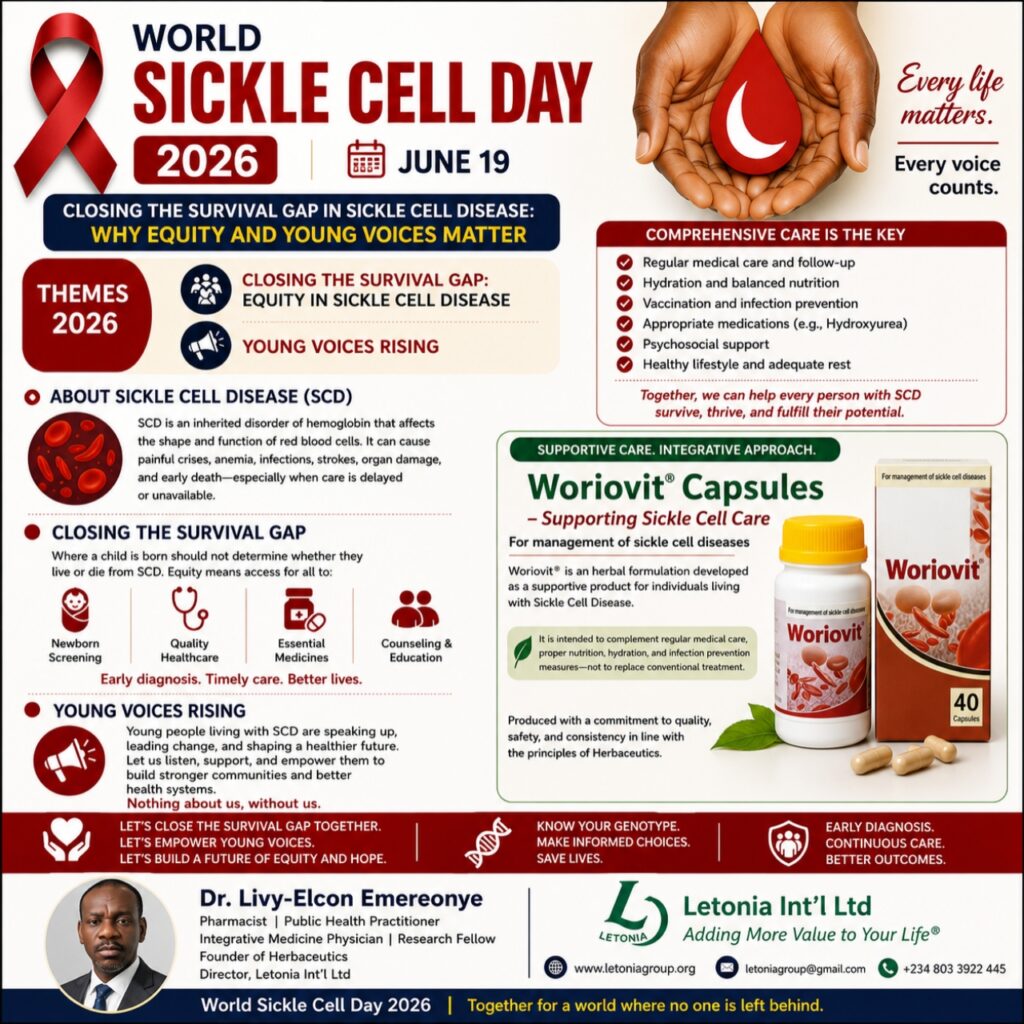
Every year on June 19, the global health community commemorates World Sickle Cell Day, a day set aside by the United Nations to raise awareness about Sickle Cell Disease (SCD), one of the world’s most common inherited blood disorders. The observance serves as a reminder of the enormous health, social, and economic burden imposed by the disease and the urgent need for improved prevention, diagnosis, treatment, and support services.
The themes for World Sickle Cell Day 2026, “Closing the Survival Gap: Equity in Sickle Cell Disease” and “Young Voices Rising,” highlight two critical issues in the global fight against SCD. The first draws attention to the unequal health outcomes experienced by people living with the disease in different parts of the world, while the second recognizes the growing role of young people with SCD as advocates, educators, and leaders in shaping policies and healthcare services that affect their lives.
Sickle Cell Disease remains a major public health challenge, particularly in sub-Saharan Africa, where the majority of affected children are born. Despite remarkable advances in medical science, thousands of individuals living with SCD continue to face preventable suffering and premature death because of inadequate access to healthcare services. The place where a child is born often determines the likelihood of surviving and thriving with the disease. This reality underscores the importance of the 2026 call for equity in sickle cell care.
Sickle Cell Disease is an inherited disorder of hemoglobin, the protein in red blood cells responsible for carrying oxygen throughout the body. The condition occurs when an individual inherits abnormal hemoglobin genes from both parents. The most common and severe form is known as sickle cell anemia or HbSS disease.
Unlike normal red blood cells, which are flexible and round, sickled red blood cells become rigid, sticky, and crescent-shaped under certain conditions such as dehydration, infection, or low oxygen levels. These abnormal cells can block blood vessels, restrict blood flow, and reduce oxygen delivery to tissues and organs. They are also more fragile and break down more rapidly than normal red blood cells, resulting in chronic anemia.
The consequences can be devastating. Individuals with SCD may experience recurrent painful crises, severe anemia, recurrent infections, delayed growth, stroke, acute chest syndrome, kidney disease, eye complications, and damage to multiple organs. The disease affects not only physical health but also emotional wellbeing, educational attainment, family stability, and economic productivity.
Globally, Sickle Cell Disease represents one of the most significant inherited disorders. According to the World Health Organization, hundreds of thousands of babies are born each year with severe hemoglobin disorders, with the majority occurring in Africa. Nigeria carries one of the largest burdens of the disease worldwide. It is estimated that approximately 20 to 30 percent of Nigerians carry the sickle cell trait, while about 150,000 children are born annually with SCD. These figures make Nigeria a focal point in global efforts to reduce the burden of the disease.
Unfortunately, many affected individuals in Nigeria and other low- and middle-income countries continue to encounter significant challenges. These include delayed diagnosis, poor access to specialist care, inadequate healthcare infrastructure, limited availability of essential medicines, and the high cost of treatment. These challenges contribute significantly to the survival gap highlighted in this year’s theme.
The phrase “Closing the Survival Gap” reflects the striking differences in outcomes between patients living in high-income countries and those living in resource-limited settings. In countries with strong healthcare systems, routine newborn screening programs allow early diagnosis of SCD. Children identified through these programs receive timely interventions such as vaccination, prophylactic antibiotics, parental education, and specialist care. As a result, survival rates have improved dramatically, and many individuals with SCD now live well into adulthood.
In contrast, many children in developing countries remain undiagnosed for years. Some die before reaching their fifth birthday from preventable complications. The difference is not due to variations in the disease itself but rather to disparities in healthcare access and quality. Closing this survival gap requires deliberate efforts to ensure that every child born with SCD has access to early diagnosis, quality treatment, and comprehensive care regardless of socioeconomic status or geographic location.
Health equity is therefore central to the fight against SCD. Equity means ensuring that all individuals have a fair opportunity to achieve the highest possible level of health. For people living with SCD, this includes access to newborn screening, affordable medications, vaccination services, specialist care, genetic counseling, laboratory services, and public health education. Governments, healthcare institutions, development partners, and civil society organizations must work together to eliminate barriers that prevent patients from receiving the care they need.
The second theme, “Young Voices Rising,” recognizes the growing influence of young people living with SCD. Historically, healthcare decisions affecting patients were often made without meaningful patient participation. Today, young people with SCD are increasingly sharing their experiences, advocating for better services, participating in research, and influencing public policy.
Their voices are important because they understand firsthand the challenges associated with living with the disease. They know what it means to cope with recurrent pain episodes, frequent hospital visits, educational disruptions, social stigma, and emotional stress. Their perspectives can help healthcare providers and policymakers design services that are more responsive to patient needs. The future of SCD care must be built on meaningful partnerships between healthcare professionals and the communities they serve.
One of the most important public health interventions in SCD management is newborn screening. Early diagnosis enables healthcare providers to initiate preventive measures before complications occur. Research has consistently shown that newborn screening, combined with comprehensive follow-up care, significantly reduces childhood mortality and improves long-term outcomes. Expanding newborn screening programs across Nigeria and other African countries should therefore remain a public health priority.
Another critical strategy is genetic counseling. Since SCD is inherited, public awareness about genotype status is essential. Many cases can be prevented through informed reproductive choices. Encouraging individuals to know their genotype before marriage and providing access to genetic counseling services can help reduce the incidence of SCD over time. The message remains simple but powerful: Know Your Genotype.
Advances in medical science have significantly improved the management of SCD. One of the most important developments has been the use of hydroxyurea, a medication that increases the production of fetal hemoglobin and reduces the frequency of painful crises and hospital admissions. Hydroxyurea has transformed the lives of many patients and is now widely recommended for appropriate individuals with SCD.
Blood transfusion therapy remains an important component of management, particularly for severe anemia, stroke prevention, and certain acute complications. In selected cases, bone marrow transplantation offers the possibility of cure, although access remains limited because of cost and donor availability.
More recently, advances in gene therapy and gene-editing technologies have generated tremendous excitement. These emerging approaches seek to correct or modify the genetic defects responsible for the disease. Although currently expensive and not widely available, they represent a significant milestone in the quest for a cure.
Beyond medical treatment, nutrition and lifestyle play important supportive roles in the management of SCD. Adequate hydration is essential because dehydration can trigger sickling episodes. A balanced diet rich in fruits, vegetables, proteins, and other essential nutrients supports overall health. Regular medical follow-up, appropriate vaccination, sufficient rest, and moderate physical activity also contribute to improved wellbeing.
The psychological impact of SCD should not be overlooked. Many individuals living with the disease experience anxiety, depression, social isolation, and low self-esteem. Recurrent illness can affect educational achievement, employment opportunities, and social relationships. Comprehensive care must therefore include psychosocial support, counseling services, patient support groups, and family education.
The economic burden of SCD is equally significant. Families often face repeated medical expenses, transportation costs, lost income, and disruptions to daily life. Healthcare systems bear the cost of hospital admissions, medications, laboratory investigations, and long-term management of complications. Investments in prevention, early diagnosis, and effective management are therefore not only medically beneficial but also economically sensible.
Within the context of comprehensive healthcare, there is growing interest in integrative approaches that combine evidence-based conventional medicine with supportive complementary interventions. Integrative medicine emphasizes a holistic approach to health while maintaining scientific rigor and patient safety. Areas of interest include nutrition, lifestyle modification, stress management, and carefully evaluated herbal products.
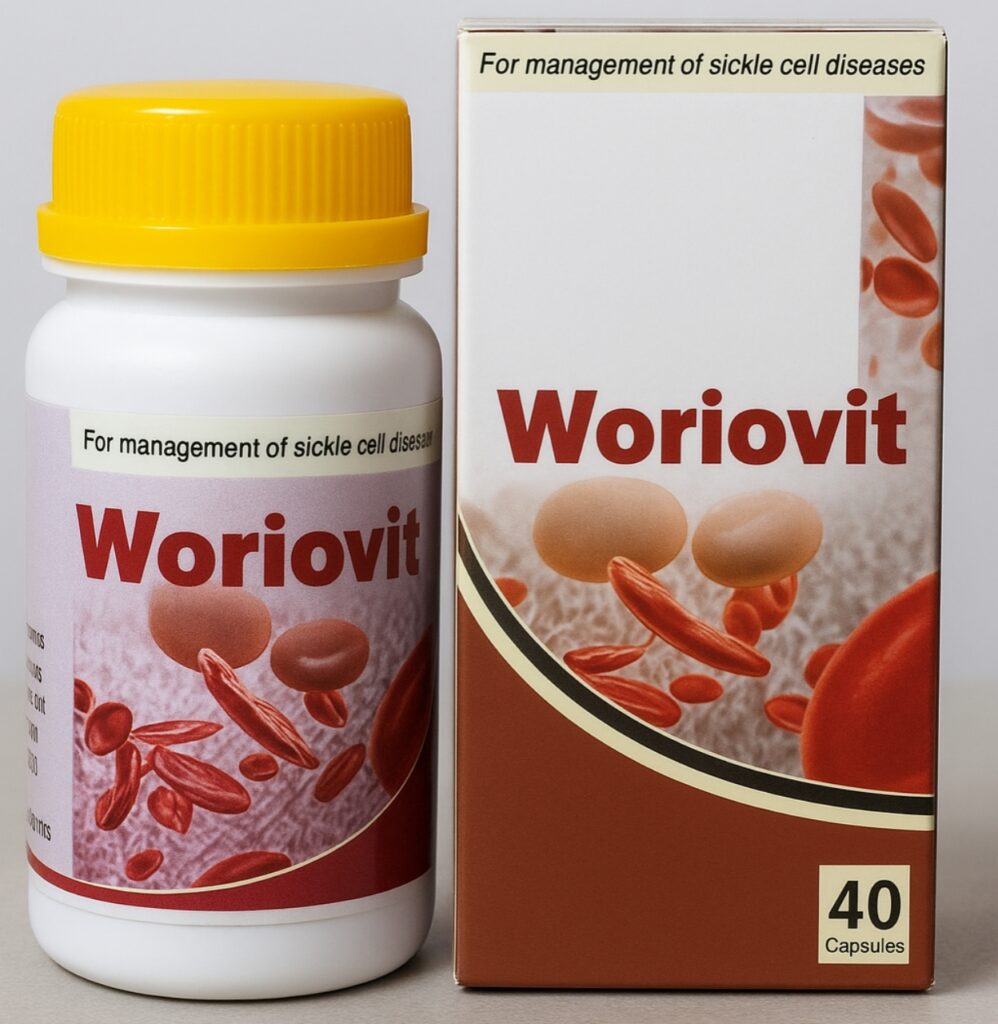
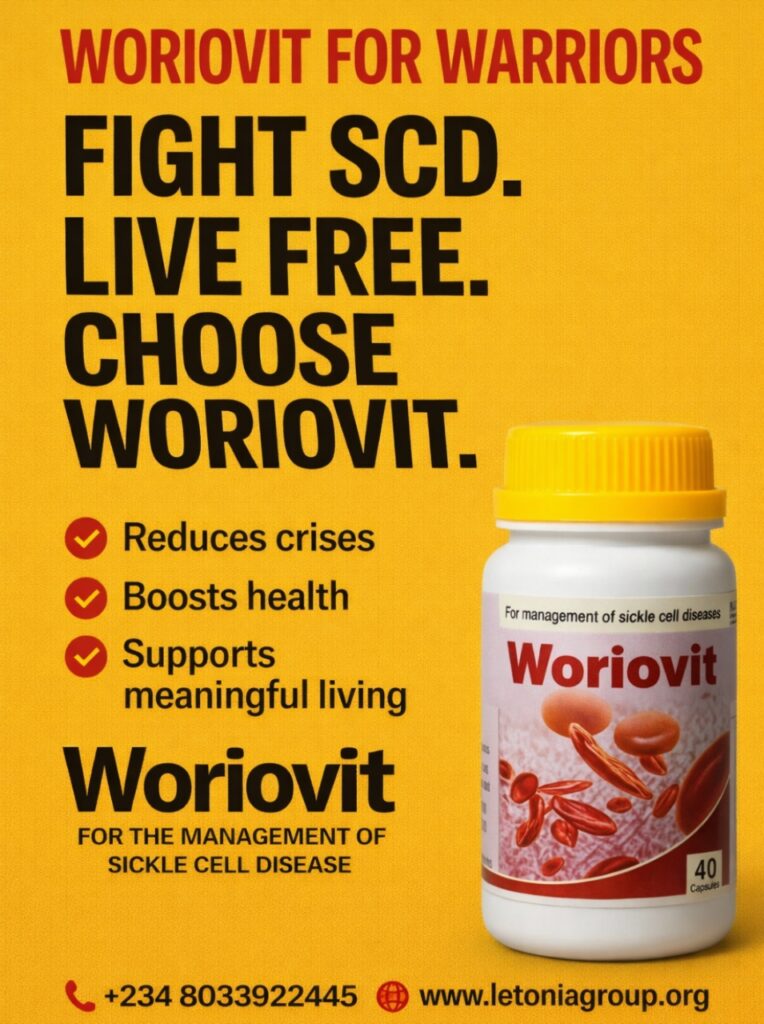
One indigenous innovation in this area is Woriovit® Capsules, a herbal product formulated and produced by Letonia Int’l Ltd. The product was developed as part of the company’s commitment to healthcare innovation and the advancement of Herbaceutics, defined as the science and art of herbal dosage form formulation.
Woriovit® was conceived within the broader framework of supporting individuals living with Sickle Cell Disease through a holistic and integrative approach to healthcare. The product reflects the growing recognition that locally developed solutions can contribute meaningfully to healthcare delivery when produced according to appropriate quality standards and used responsibly within a comprehensive care plan.
According to the manufacturer, Woriovit® is intended as a Complementary/ supportive herbal product for individuals living with Sickle Cell Disease. Its use is envisioned alongside regular medical care, adequate hydration, proper nutrition, infection prevention measures, and routine clinical follow-up. It is not intended to replace conventional medical treatment but rather to complement broader healthcare strategies.
The development of Woriovit® is rooted in the principles of quality, safety, consistency, and continuous improvement that underpin the discipline of Herbaceutics. Like all healthcare interventions, herbal products intended for long-term use should be subjected to ongoing research, quality assurance processes, and appropriate regulatory oversight. Further studies involving phytochemical characterization, pharmacological evaluation, toxicological assessment, and clinical investigation will help strengthen the evidence base for herbal interventions in SCD management.
The importance of local innovation cannot be overstated. Countries such as Nigeria possess rich biodiversity, extensive traditional knowledge, and a growing scientific community capable of contributing to healthcare solutions. Indigenous pharmaceutical and herbal product development can support healthcare accessibility, stimulate research, promote local manufacturing, and strengthen national healthcare systems.
As we commemorate World Sickle Cell Day 2026, the message is clear. No child should die from preventable complications of Sickle Cell Disease because of where they were born. No patient should be denied access to quality healthcare because of financial limitations. No young person living with SCD should be excluded from conversations about policies and programs that affect their future.
Closing the survival gap requires commitment from governments, healthcare professionals, researchers, patient advocacy groups, development partners, and communities. It requires investment in newborn screening, healthcare infrastructure, research, education, and equitable access to treatment. It requires listening to and empowering young voices. It also requires continued exploration of innovative solutions, including evidence-based integrative approaches that may enhance patient care.
The themes “Closing the Survival Gap: Equity in Sickle Cell Disease” and “Young Voices Rising” remind us that progress is measured not only by scientific breakthroughs but also by our ability to ensure that those breakthroughs reach the people who need them most.
With sustained commitment, stronger healthcare systems, expanded access to care, patient empowerment, and continued scientific innovation, we can move closer to a future in which every individual living with Sickle Cell Disease has the opportunity not merely to survive but to thrive.
PS: Dr. Emereonye could be reached on: +234 803 3922 445
References
World Health Organization (WHO). Sickle-cell disease Fact Sheet. Available at: https://www.who.int
Piel FB, Steinberg MH, Rees DC. Sickle Cell Disease. New England Journal of Medicine. 2017;376(16):1561–1573.
Kato GJ, Piel FB, Reid CD, et al. Sickle Cell Disease. Nature Reviews Disease Primers. 2018;4:18010.
Rees DC, Williams TN, Gladwin MT. Sickle-cell disease. The Lancet. 2010;376(9757):2018–2031.
Ware RE, de Montalembert M, Tshilolo L, Abboud MR. Sickle Cell Disease. The Lancet. 2017;390(10091):311–323.
National Heart, Lung, and Blood Institute (NHLBI). Evidence-Based Management of Sickle Cell Disease.
Centers for Disease Control and Prevention (CDC). Data and Statistics on Sickle Cell Disease. Available at: https://www.cdc.gov/sicklecell
Grosse SD, Odame I, Atrash HK, et al. Sickle Cell Disease in Africa. American Journal of Preventive Medicine. 2011;41(6 Suppl 4):S398–S405.
Tshilolo L, Tomlinson G, Williams TN, et al. Hydroxyurea for Children with Sickle Cell Anemia in Sub-Saharan Africa. New England Journal of Medicine. 2019;380:121–131.
United Nations General Assembly Resolution Recognizing Sickle Cell Disease as a Public Health Priority.
Leave a comment