
Herbal Medicine in Chronic Kidney Disease: Potentials, Limitations, Safety Concerns and Future Directions By Livy-Elcon Emereonye
Herbal Medicine in Chronic Kidney Disease: Potentials, Limitations, Safety Concerns and Future Directions
By Livy-Elcon Emereonye
Abstract
Chronic Kidney Disease (CKD) is a growing global health challenge associated with substantial morbidity, mortality, and economic burden. The disease affects millions of people worldwide and is increasingly driven by hypertension, diabetes mellitus, obesity, and aging populations. Alongside conventional medical management, many patients seek complementary and alternative therapies, particularly herbal medicine, to alleviate symptoms, delay disease progression, and improve quality of life. Traditional systems of medicine across Africa, Asia, and other regions have long utilized medicinal plants for kidney-related ailments. However, while certain herbs demonstrate promising antioxidant, anti-inflammatory, antihypertensive, and nephroprotective properties, others are capable of causing severe nephrotoxicity. This article examines the scientific basis, therapeutic potentials, limitations, safety concerns, and future prospects of herbal medicine in the management of CKD.
Introduction
The kidneys perform indispensable functions that sustain human life. They regulate fluid balance, maintain electrolyte homeostasis, eliminate metabolic wastes, control blood pressure, activate vitamin D, and contribute to red blood cell production through erythropoietin secretion. When kidney function progressively declines over months or years, the condition is described as chronic kidney disease.
According to the Kidney Disease: Improving Global Outcomes (KDIGO) guidelines, CKD is characterized by abnormalities of kidney structure or function persisting for at least three months with implications for health. Globally, more than 850 million individuals are estimated to suffer from kidney diseases, making CKD one of the leading causes of death and disability.
In many developing countries, limited access to specialized healthcare services and the enduring cultural acceptance of traditional medicine have encouraged the use of medicinal plants as supportive interventions. The World Health Organization recognizes traditional medicine as an important component of primary healthcare, provided that issues of safety, quality, and efficacy are adequately addressed.
The increasing popularity of herbal medicine among CKD patients necessitates a balanced evaluation that acknowledges both its therapeutic promise and potential dangers.
Understanding Chronic Kidney Disease
CKD progresses through five stages based on estimated glomerular filtration rate (eGFR).
Stage 1 involves normal filtration with evidence of kidney damage, while Stage 5 represents end-stage renal disease requiring dialysis or transplantation.
Major causes include:
- Diabetes mellitus.
- Hypertension.
- Glomerulonephritis.
- Polycystic kidney disease.
- Obstructive uropathies.
- Chronic infections.
- Autoimmune disorders.
Common symptoms include fatigue, swelling of the legs, persistent itching, loss of appetite, anemia, hypertension, nausea, sleep disturbances, and cognitive impairment.
The goals of management include slowing disease progression, controlling underlying conditions, reducing complications, and improving overall quality of life.
Why Patients Turn to Herbal Medicine
Several factors influence the use of herbs among CKD patients.
First, traditional beliefs and indigenous knowledge systems continue to shape health-seeking behaviors, particularly in Africa and Asia.
Second, the chronic nature of CKD often motivates patients to explore complementary approaches that may provide additional benefits.
Third, financial limitations can make herbal remedies appear more accessible than specialized medical interventions.
Finally, many medicinal plants possess scientifically validated antioxidant and anti-inflammatory compounds that may theoretically support kidney health.
Nevertheless, the perception that natural products are inherently safe is misleading. Numerous herbs contain biologically active chemicals capable of producing adverse renal effects.
Some Mechanisms Through Which Herbs May Benefit Kidney Health
Several mechanisms explain the potential usefulness of medicinal plants in CKD.
Antioxidant Activity
Oxidative stress contributes significantly to kidney injury. Free radicals damage cellular membranes, proteins, and DNA, accelerating nephron loss.
Many herbs contain flavonoids, polyphenols, alkaloids, and terpenoids that neutralize reactive oxygen species and enhance endogenous antioxidant systems.
Anti-inflammatory Effects
Chronic inflammation plays a crucial role in CKD progression. Herbal constituents such as curcuminoids, gingerols, and saponins can suppress inflammatory mediators including tumor necrosis factor-alpha and interleukins.
Blood Pressure Regulation
Since hypertension is both a cause and consequence of CKD, herbs with mild antihypertensive actions may indirectly protect kidney function.
Glycemic Control
Diabetic nephropathy remains the leading cause of CKD globally. Herbs that improve insulin sensitivity and glucose metabolism may contribute to renal preservation.

Fibrosis Inhibition
Progressive kidney fibrosis represents the final common pathway in CKD. Experimental evidence suggests that certain phytochemicals may inhibit profibrotic pathways involving transforming growth factor-beta.
Some Important Herbs with Potential Benefits in CKD
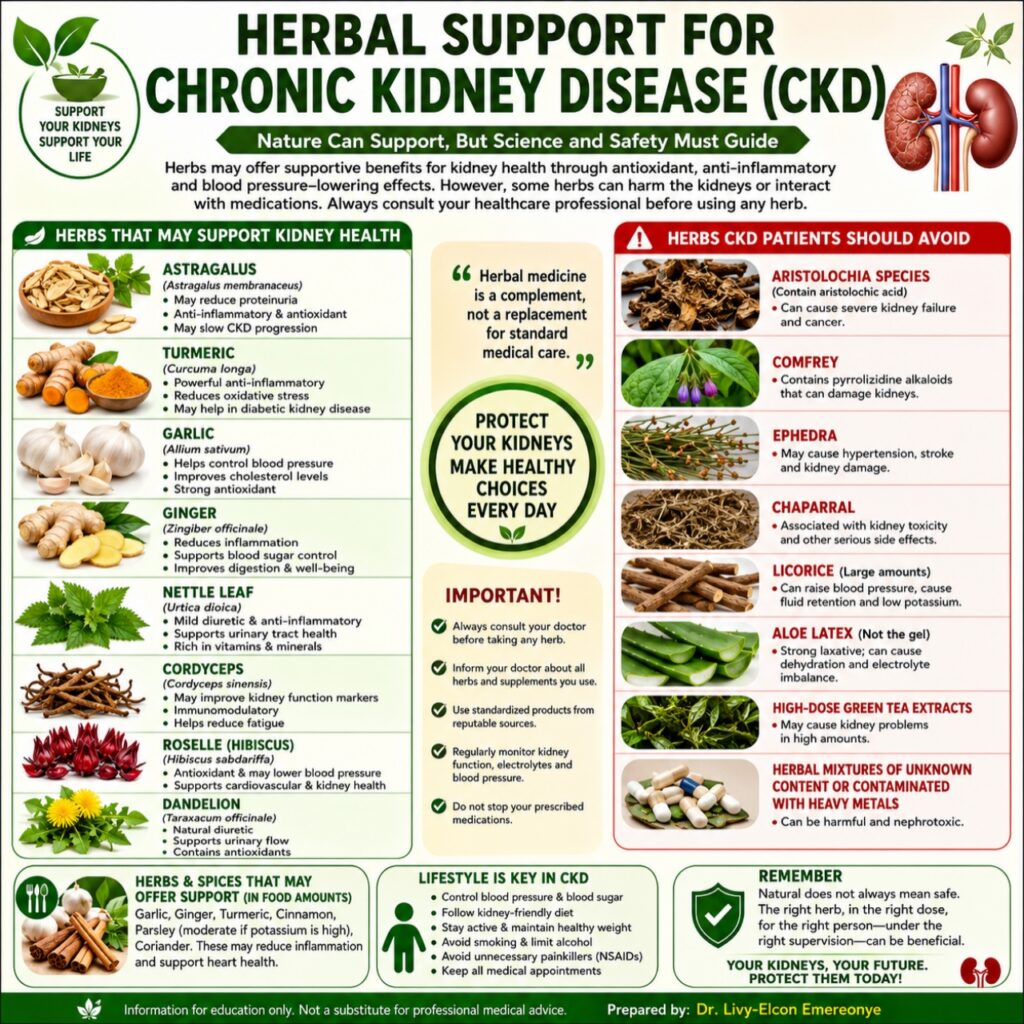
Astragalus (Astragalus membranaceus)
Astragalus occupies a prominent place in traditional Chinese medicine.
Research suggests that Astragalus may reduce proteinuria, improve glomerular filtration, and exert anti-inflammatory effects. Polysaccharides and flavonoids present in the plant appear to modulate immune responses and decrease oxidative damage.
Meta-analyses indicate potential benefits in diabetic nephropathy, although methodological limitations in available studies necessitate further investigation.
Turmeric (Curcuma longa)
Turmeric contains curcumin, one of the most extensively studied natural anti-inflammatory compounds.
Curcumin inhibits nuclear factor-kappa B activation, reduces inflammatory cytokines, and enhances antioxidant defenses.
Experimental models demonstrate attenuation of renal fibrosis and diabetic kidney damage. However, excessive intake may increase oxalate burden and predispose susceptible individuals to kidney stone formation.
Garlic (Allium sativum)
Garlic possesses cardiovascular benefits that are particularly relevant to CKD patients.
It helps lower blood pressure, improve lipid profiles, and reduce oxidative stress. These effects may indirectly preserve renal function by minimizing vascular injury.
Nonetheless, caution is warranted among patients receiving anticoagulants.
Ginger (Zingiber officinale)
Ginger contains gingerols and shogaols with recognized antioxidant and anti-inflammatory activities.
Studies suggest benefits in glycemic control and inflammation reduction, factors that are critically important in diabetic kidney disease.
Moderate culinary consumption is generally considered safe, though concentrated supplements require medical supervision.
Nettle (Urtica dioica)
Traditionally used as a urinary tonic, nettle exhibits mild anti-inflammatory and diuretic properties.
Its mineral-rich composition contributes to nutritional support; however, advanced CKD patients often require potassium restriction, making indiscriminate use problematic.
Cordyceps (Cordyceps sinensis)
Cordyceps has been employed in traditional Chinese medicine for centuries.
Preliminary evidence indicates improvements in renal biomarkers, energy levels, and immune regulation. Bioactive nucleosides and polysaccharides may contribute to these effects.
However, standardization and quality assurance remain major concerns.
Roselle (Hibiscus sabdariffa)
Widely consumed in Africa as a beverage, roselle possesses antioxidant and antihypertensive properties.
Anthocyanins present in the calyces may help reduce blood pressure and oxidative injury. While promising, more rigorous clinical investigations are necessary.
Moringa (Moringa oleifera)
Moringa contains vitamins, minerals, polyphenols, and essential amino acids.
Animal studies demonstrate nephroprotective effects against oxidative injury. Yet its high potassium content may limit usage among patients with advanced CKD.
African Traditional Herbal Approaches to Kidney Health
African ethnomedicine encompasses numerous plants traditionally employed for urinary and renal disorders.
Examples include:
- Vernonia amygdalina (bitter leaf).
- Azadirachta indica (neem).
- Gongronema latifolium.
- Moringa oleifera.
- Hibiscus sabdariffa etc.
These plants possess diverse phytochemicals including flavonoids, tannins, saponins, and alkaloids.
Despite extensive traditional use, many preparations lack robust clinical validation. Standardization, dosage determination, and toxicity assessments remain pressing priorities for African herbal research.
The Dark Side: Herbal Nephrotoxicity
One of the greatest misconceptions surrounding herbal medicine is the assumption that natural products cannot cause harm.
History demonstrates otherwise.
Aristolochia Species
Perhaps the most notorious example involves aristolochic acid-containing plants.
These herbs have been implicated in severe interstitial fibrosis, kidney failure, and urothelial cancers. The phenomenon known as Chinese herb nephropathy illustrates the devastating consequences of inadequate regulation.
Comfrey
Comfrey contains pyrrolizidine alkaloids capable of causing liver and kidney toxicity.
Licorice
Excessive consumption of licorice may produce hypertension, hypokalemia, fluid retention, and worsening kidney disease.
Aloe Latex
Unlike the gel component, aloe latex possesses potent laxative effects that can precipitate electrolyte disturbances.
Heavy Metal Contamination
Poor-quality herbal products may contain lead, mercury, cadmium, or arsenic, all of which are nephrotoxic.
Adulteration with Pharmaceuticals
Some herbal preparations have been found to contain hidden steroids, diuretics, or non-steroidal anti-inflammatory drugs, creating additional risks. Apart from accidental contamination, some so called herbal products are mixtures of expired drugs.
Herb-Drug Interactions in CKD
Patients with CKD often receive multiple medications, including antihypertensives, antidiabetic agents, phosphate binders, anticoagulants, and immunosuppressants.
Herbs can significantly influence drug metabolism.
Garlic and ginger may enhance anticoagulant effects.
St. John's wort alters cytochrome P450 enzymes and can reduce the effectiveness of several medications.
Licorice may antagonize antihypertensive therapy.
Diuretic herbs can exacerbate electrolyte imbalances.
Healthcare professionals should routinely inquire about herbal usage during clinical consultations.
Principles for Safe Herbal Use in CKD
The following principles are essential.
First, every herbal intervention should complement rather than replace conventional medical care.
Second, patients should inform their physicians about all herbal products being consumed.
Third, only standardized preparations from reputable manufacturers should be used.
Fourth, regular monitoring of kidney function, electrolytes, and blood pressure is indispensable.
Fifth, self-medication with unknown herbal mixtures must be discouraged.
Finally, individualized assessment remains critical because CKD severity, comorbidities, and medication profiles vary considerably - and this is where the service of a competent healthcare becomes very necessary.

Integrative Medicine and CKD
Integrative medicine seeks to combine evidence-based conventional therapies with validated complementary approaches.
In CKD management, this philosophy emphasizes:
- Nutritional optimization.
- Stress reduction.
- Physical activity.
- Appropriate herbal support.
- Patient education.
- Preventive healthcare.
Such an approach recognizes the patient as a whole person rather than merely a diseased organ system.
However, integration must be guided by scientific evidence, ethical considerations, and patient safety.
Future Directions and Research Priorities
The future of herbal medicine in CKD depends on rigorous scientific investigation.
Several priorities deserve attention.
Randomized Controlled Trials
Many herbal claims rely heavily on animal experiments or traditional experiences.
Large, well-designed clinical trials are urgently needed.
Standardization
Variability in plant species, harvesting methods, processing techniques, and phytochemical composition complicates reproducibility.
Standardization remains fundamental to therapeutic reliability.
Pharmacovigilance
Systems for monitoring adverse reactions to herbal products should be strengthened globally.
Herbaceutics and Dosage Form Development
The emerging discipline of Herbaceutics—the science and art of herbal dosage form formulation—offers opportunities for improving quality, safety, stability, and patient acceptability.
Advanced formulation technologies may enhance bioavailability and facilitate precise dosing.
Collaborative Research
Interdisciplinary collaborations involving nephrologists, pharmacists, botanists, toxicologists, and traditional healers are essential for meaningful progress.
Public Health Implications
CKD constitutes not merely a clinical problem but a public health challenge.
Prevention remains more effective and economical than treatment.
Public health strategies should focus on:
-Early detection of hypertension and diabetes.
-Community education.
-Healthy dietary practices.
-Reduction in nephrotoxic exposures.
-Rational use of herbal medicines.
-Strengthening primary healthcare systems.
Traditional medicine practitioners also require continuing education on kidney safety and evidence-based practices.
Conclusion
Herbal medicine occupies an important yet complex position in the management of chronic kidney disease. Certain medicinal plants—including Astragalus, turmeric, garlic, ginger, nettle, Cordyceps, roselle, and moringa—demonstrate promising nephroprotective, antioxidant, anti-inflammatory, and cardiometabolic properties. These benefits may complement conventional interventions when appropriately applied.
Nevertheless, substantial risks exist. Nephrotoxicity, herb-drug interactions, contamination, and poor standardization represent significant challenges. The belief that natural products are automatically safe must be firmly rejected.
The future lies in evidence-based integration rather than uncritical acceptance or outright dismissal. Through rigorous research, standardization, pharmacovigilance, and innovative fields such as Herbaceutics, medicinal plants may eventually assume clearer and safer roles in kidney healthcare.
Ultimately, the guiding principle should remain unchanged: the welfare of the patient must always supersede tradition, commercial interests, or therapeutic enthusiasm. Herbs may support kidney health, but they must never substitute for sound medical evaluation, regular monitoring, and scientifically validated treatment strategies.
PS: Dr. Emereonye could be reached on: +234 803 3922 445
References
1. Kidney Disease: Improving Global Outcomes (KDIGO). Clinical Practice Guideline for the Evaluation and Management of Chronic Kidney Disease. Kidney International Supplements. 2013.
2. Jha V, Garcia-Garcia G, Iseki K, et al. Chronic kidney disease: global dimension and perspectives. The Lancet. 2013;382(9888):260–272.
3. World Health Organization. WHO Traditional Medicine Strategy 2014–2023. Geneva: WHO; 2013.
4. Zhang HW, Lin ZX, Xu C, Leung C, Chan LS. Astragalus for treating diabetic nephropathy. Cochrane Database of Systematic Reviews. 2014.
5. Hewlings SJ, Kalman DS. Curcumin: a review of its effects on human health. Foods. 2017;6(10):92.
6. Rahman K. Effects of garlic on cardiovascular disorders. Nutrition Journal. 2007;6:29.
7. Mao QQ, Xu XY, Cao SY, et al. Bioactive compounds and bioactivities of ginger. Foods. 2019;8(6):185.
8. Debelle FD, Vanherweghem JL, Nortier JL. Aristolochic acid nephropathy. Kidney International. 2008;74(2):158–169.
9. Barnes PM, Bloom B, Nahin RL. Complementary and alternative medicine use among adults. National Health Statistics Reports. 2008.
10. National Kidney Foundation. KDOQI Clinical Practice Guidelines for Chronic Kidney Disease. New York: NKF




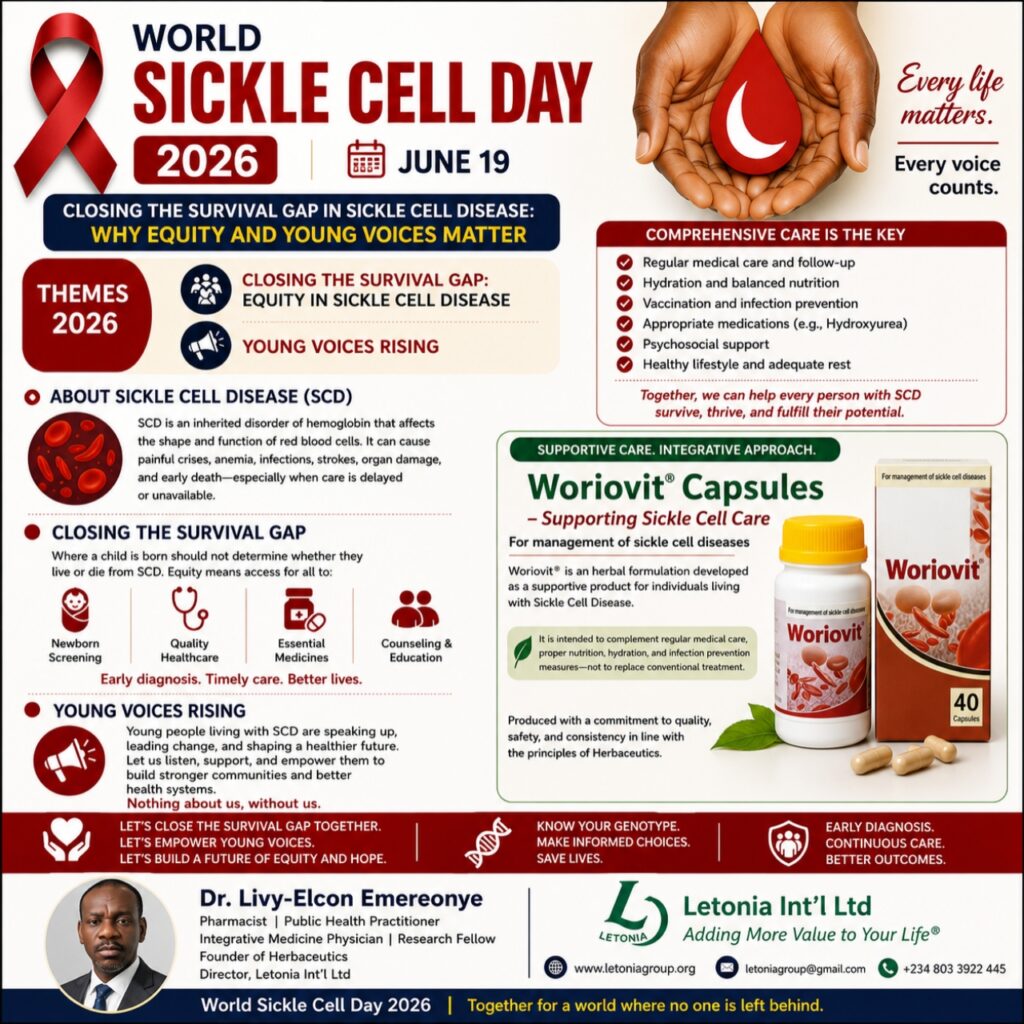 Every year on June 19, the global health community commemorates World Sickle Cell Day, a day set aside by the United Nations to raise awareness about Sickle Cell Disease (SCD), one of the world's most common inherited blood disorders. The observance serves as a reminder of the enormous health, social, and economic burden imposed by the disease and the urgent need for improved prevention, diagnosis, treatment, and support services.
The themes for World Sickle Cell Day 2026, "Closing the Survival Gap: Equity in Sickle Cell Disease" and "Young Voices Rising," highlight two critical issues in the global fight against SCD. The first draws attention to the unequal health outcomes experienced by people living with the disease in different parts of the world, while the second recognizes the growing role of young people with SCD as advocates, educators, and leaders in shaping policies and healthcare services that affect their lives.
Sickle Cell Disease remains a major public health challenge, particularly in sub-Saharan Africa, where the majority of affected children are born. Despite remarkable advances in medical science, thousands of individuals living with SCD continue to face preventable suffering and premature death because of inadequate access to healthcare services. The place where a child is born often determines the likelihood of surviving and thriving with the disease. This reality underscores the importance of the 2026 call for equity in sickle cell care.
Sickle Cell Disease is an inherited disorder of hemoglobin, the protein in red blood cells responsible for carrying oxygen throughout the body. The condition occurs when an individual inherits abnormal hemoglobin genes from both parents. The most common and severe form is known as sickle cell anemia or HbSS disease.
Unlike normal red blood cells, which are flexible and round, sickled red blood cells become rigid, sticky, and crescent-shaped under certain conditions such as dehydration, infection, or low oxygen levels. These abnormal cells can block blood vessels, restrict blood flow, and reduce oxygen delivery to tissues and organs. They are also more fragile and break down more rapidly than normal red blood cells, resulting in chronic anemia.
The consequences can be devastating. Individuals with SCD may experience recurrent painful crises, severe anemia, recurrent infections, delayed growth, stroke, acute chest syndrome, kidney disease, eye complications, and damage to multiple organs. The disease affects not only physical health but also emotional wellbeing, educational attainment, family stability, and economic productivity.
Globally, Sickle Cell Disease represents one of the most significant inherited disorders. According to the World Health Organization, hundreds of thousands of babies are born each year with severe hemoglobin disorders, with the majority occurring in Africa. Nigeria carries one of the largest burdens of the disease worldwide. It is estimated that approximately 20 to 30 percent of Nigerians carry the sickle cell trait, while about 150,000 children are born annually with SCD. These figures make Nigeria a focal point in global efforts to reduce the burden of the disease.
Unfortunately, many affected individuals in Nigeria and other low- and middle-income countries continue to encounter significant challenges. These include delayed diagnosis, poor access to specialist care, inadequate healthcare infrastructure, limited availability of essential medicines, and the high cost of treatment. These challenges contribute significantly to the survival gap highlighted in this year's theme.
The phrase "Closing the Survival Gap" reflects the striking differences in outcomes between patients living in high-income countries and those living in resource-limited settings. In countries with strong healthcare systems, routine newborn screening programs allow early diagnosis of SCD. Children identified through these programs receive timely interventions such as vaccination, prophylactic antibiotics, parental education, and specialist care. As a result, survival rates have improved dramatically, and many individuals with SCD now live well into adulthood.
In contrast, many children in developing countries remain undiagnosed for years. Some die before reaching their fifth birthday from preventable complications. The difference is not due to variations in the disease itself but rather to disparities in healthcare access and quality. Closing this survival gap requires deliberate efforts to ensure that every child born with SCD has access to early diagnosis, quality treatment, and comprehensive care regardless of socioeconomic status or geographic location.
Health equity is therefore central to the fight against SCD. Equity means ensuring that all individuals have a fair opportunity to achieve the highest possible level of health. For people living with SCD, this includes access to newborn screening, affordable medications, vaccination services, specialist care, genetic counseling, laboratory services, and public health education. Governments, healthcare institutions, development partners, and civil society organizations must work together to eliminate barriers that prevent patients from receiving the care they need.
The second theme, "Young Voices Rising," recognizes the growing influence of young people living with SCD. Historically, healthcare decisions affecting patients were often made without meaningful patient participation. Today, young people with SCD are increasingly sharing their experiences, advocating for better services, participating in research, and influencing public policy.
Their voices are important because they understand firsthand the challenges associated with living with the disease. They know what it means to cope with recurrent pain episodes, frequent hospital visits, educational disruptions, social stigma, and emotional stress. Their perspectives can help healthcare providers and policymakers design services that are more responsive to patient needs. The future of SCD care must be built on meaningful partnerships between healthcare professionals and the communities they serve.
One of the most important public health interventions in SCD management is newborn screening. Early diagnosis enables healthcare providers to initiate preventive measures before complications occur. Research has consistently shown that newborn screening, combined with comprehensive follow-up care, significantly reduces childhood mortality and improves long-term outcomes. Expanding newborn screening programs across Nigeria and other African countries should therefore remain a public health priority.
Another critical strategy is genetic counseling. Since SCD is inherited, public awareness about genotype status is essential. Many cases can be prevented through informed reproductive choices. Encouraging individuals to know their genotype before marriage and providing access to genetic counseling services can help reduce the incidence of SCD over time. The message remains simple but powerful: Know Your Genotype.
Advances in medical science have significantly improved the management of SCD. One of the most important developments has been the use of hydroxyurea, a medication that increases the production of fetal hemoglobin and reduces the frequency of painful crises and hospital admissions. Hydroxyurea has transformed the lives of many patients and is now widely recommended for appropriate individuals with SCD.
Blood transfusion therapy remains an important component of management, particularly for severe anemia, stroke prevention, and certain acute complications. In selected cases, bone marrow transplantation offers the possibility of cure, although access remains limited because of cost and donor availability.
More recently, advances in gene therapy and gene-editing technologies have generated tremendous excitement. These emerging approaches seek to correct or modify the genetic defects responsible for the disease. Although currently expensive and not widely available, they represent a significant milestone in the quest for a cure.
Beyond medical treatment, nutrition and lifestyle play important supportive roles in the management of SCD. Adequate hydration is essential because dehydration can trigger sickling episodes. A balanced diet rich in fruits, vegetables, proteins, and other essential nutrients supports overall health. Regular medical follow-up, appropriate vaccination, sufficient rest, and moderate physical activity also contribute to improved wellbeing.
The psychological impact of SCD should not be overlooked. Many individuals living with the disease experience anxiety, depression, social isolation, and low self-esteem. Recurrent illness can affect educational achievement, employment opportunities, and social relationships. Comprehensive care must therefore include psychosocial support, counseling services, patient support groups, and family education.
The economic burden of SCD is equally significant. Families often face repeated medical expenses, transportation costs, lost income, and disruptions to daily life. Healthcare systems bear the cost of hospital admissions, medications, laboratory investigations, and long-term management of complications. Investments in prevention, early diagnosis, and effective management are therefore not only medically beneficial but also economically sensible.
Within the context of comprehensive healthcare, there is growing interest in integrative approaches that combine evidence-based conventional medicine with supportive complementary interventions. Integrative medicine emphasizes a holistic approach to health while maintaining scientific rigor and patient safety. Areas of interest include nutrition, lifestyle modification, stress management, and carefully evaluated herbal products.
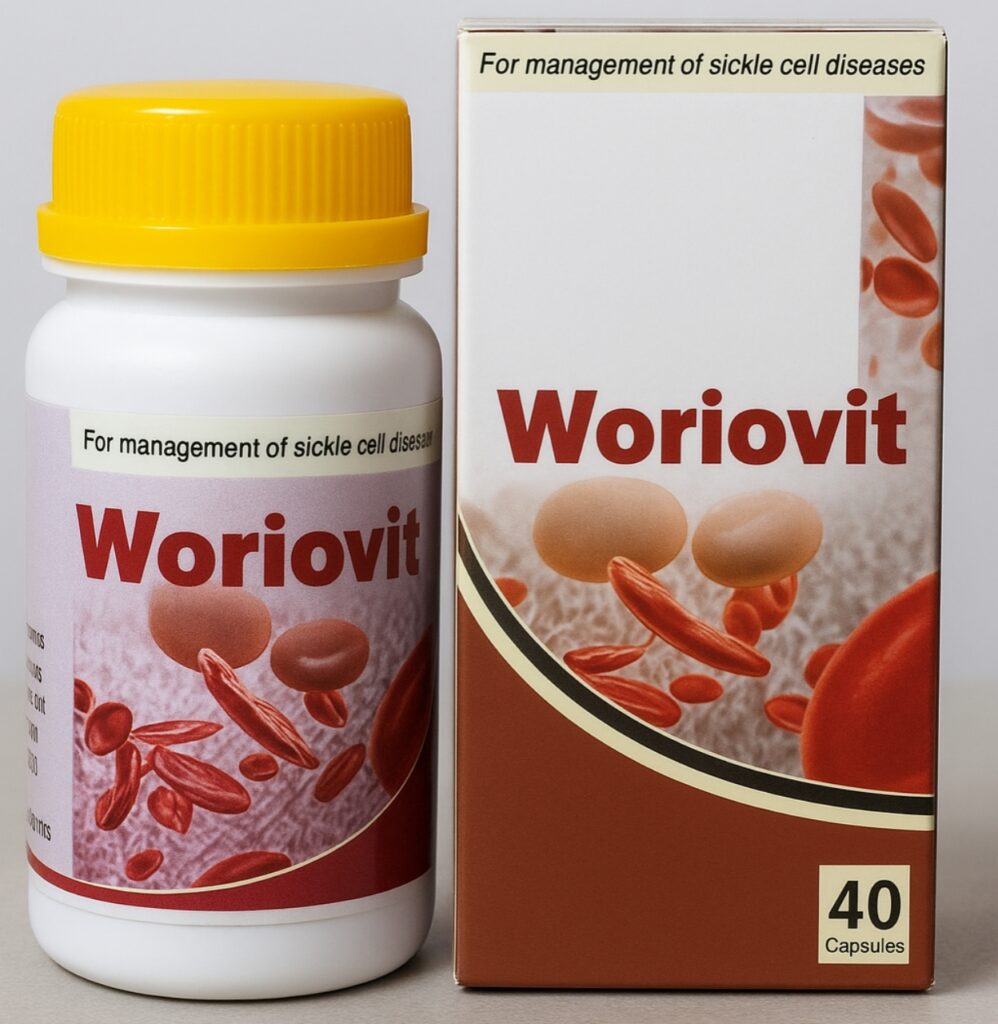
One indigenous innovation in this area is Woriovit® Capsules, a herbal product formulated and produced by Letonia Int'l Ltd. The product was developed as part of the company's commitment to healthcare innovation and the advancement of Herbaceutics, defined as the science and art of herbal dosage form formulation.
Woriovit® was conceived within the broader framework of supporting individuals living with Sickle Cell Disease through a holistic and integrative approach to healthcare. The product reflects the growing recognition that locally developed solutions can contribute meaningfully to healthcare delivery when produced according to appropriate quality standards and used responsibly within a comprehensive care plan.
According to the manufacturer, Woriovit® is intended as a Complementary/ supportive herbal product for individuals living with Sickle Cell Disease. Its use is envisioned alongside regular medical care, adequate hydration, proper nutrition, infection prevention measures, and routine clinical follow-up. It is not intended to replace conventional medical treatment but rather to complement broader healthcare strategies.
The development of Woriovit® is rooted in the principles of quality, safety, consistency, and continuous improvement that underpin the discipline of Herbaceutics. Like all healthcare interventions, herbal products intended for long-term use should be subjected to ongoing research, quality assurance processes, and appropriate regulatory oversight. Further studies involving phytochemical characterization, pharmacological evaluation, toxicological assessment, and clinical investigation will help strengthen the evidence base for herbal interventions in SCD management.
 The importance of local innovation cannot be overstated. Countries such as Nigeria possess rich biodiversity, extensive traditional knowledge, and a growing scientific community capable of contributing to healthcare solutions. Indigenous pharmaceutical and herbal product development can support healthcare accessibility, stimulate research, promote local manufacturing, and strengthen national healthcare systems.
As we commemorate World Sickle Cell Day 2026, the message is clear. No child should die from preventable complications of Sickle Cell Disease because of where they were born. No patient should be denied access to quality healthcare because of financial limitations. No young person living with SCD should be excluded from conversations about policies and programs that affect their future.
Closing the survival gap requires commitment from governments, healthcare professionals, researchers, patient advocacy groups, development partners, and communities. It requires investment in newborn screening, healthcare infrastructure, research, education, and equitable access to treatment. It requires listening to and empowering young voices. It also requires continued exploration of innovative solutions, including evidence-based integrative approaches that may enhance patient care.
The themes "Closing the Survival Gap: Equity in Sickle Cell Disease" and "Young Voices Rising" remind us that progress is measured not only by scientific breakthroughs but also by our ability to ensure that those breakthroughs reach the people who need them most.
With sustained commitment, stronger healthcare systems, expanded access to care, patient empowerment, and continued scientific innovation, we can move closer to a future in which every individual living with Sickle Cell Disease has the opportunity not merely to survive but to thrive.
PS: Dr. Emereonye could be reached on: +234 803 3922 445
References
World Health Organization (WHO). Sickle-cell disease Fact Sheet. Available at: https://www.who.int
Piel FB, Steinberg MH, Rees DC. Sickle Cell Disease. New England Journal of Medicine. 2017;376(16):1561–1573.
Kato GJ, Piel FB, Reid CD, et al. Sickle Cell Disease. Nature Reviews Disease Primers. 2018;4:18010.
Rees DC, Williams TN, Gladwin MT. Sickle-cell disease. The Lancet. 2010;376(9757):2018–2031.
Ware RE, de Montalembert M, Tshilolo L, Abboud MR. Sickle Cell Disease. The Lancet. 2017;390(10091):311–323.
National Heart, Lung, and Blood Institute (NHLBI). Evidence-Based Management of Sickle Cell Disease.
Centers for Disease Control and Prevention (CDC). Data and Statistics on Sickle Cell Disease. Available at: https://www.cdc.gov/sicklecell
Grosse SD, Odame I, Atrash HK, et al. Sickle Cell Disease in Africa. American Journal of Preventive Medicine. 2011;41(6 Suppl 4):S398–S405.
 Tshilolo L, Tomlinson G, Williams TN, et al. Hydroxyurea for Children with Sickle Cell Anemia in Sub-Saharan Africa. New England Journal of Medicine. 2019;380:121–131.

 Digestive health remains one of the most overlooked areas of healthcare, especially in many developing societies where people silently endure embarrassing bowel symptoms without seeking medical help. One of such distressing conditions is faecal seepage accompanied by fatty, foul-smelling mucus discharge. Though often ignored or dismissed as ordinary “stomach upset,” this symptom may indicate deeper problems involving digestion, intestinal inflammation, microbial imbalance, liver dysfunction, pancreatic disease, or bowel disorders.
Faecal seepage refers to the involuntary leakage of stool or mucus from the anus, particularly after bowel movements or during bowel urgency. When associated with oily, greasy, or offensive-smelling mucus, it commonly suggests poor fat digestion or intestinal irritation. Affected individuals may also experience bloating, abdominal discomfort, excessive gas, floating stool, incomplete bowel evacuation, and irritation around the anal region. Beyond the physical discomfort, these symptoms can significantly affect confidence, mental well-being, social interaction, and productivity.
From a public health perspective, digestive disorders are increasingly common due to unhealthy diets, sedentary lifestyle, stress, alcohol consumption, overuse of antibiotics, environmental toxins, and poor fibre intake. In many low- and middle-income countries, poor sanitation, contaminated water, and parasitic infections further contribute to bowel diseases. Unfortunately, embarrassment and stigma often prevent many people from seeking proper medical evaluation, allowing potentially serious conditions to progress unnoticed.
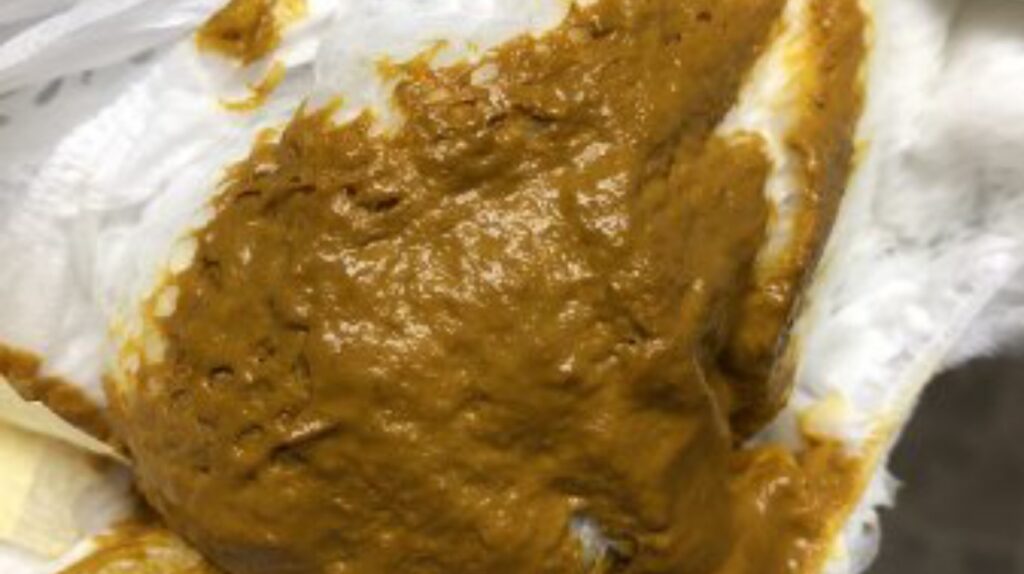 Several medical conditions can cause fatty, smelly mucus stool. One of the most common is fat malabsorption, also known as steatorrhea. This occurs when the body is unable to properly digest or absorb dietary fats. Under normal conditions, bile acids from the liver and digestive enzymes from the pancreas help break down fats for absorption in the intestine. When these processes are impaired due to pancreatic insufficiency, liver disease, gallbladder problems, celiac disease, or intestinal disorders, excess fat remains in the stool, producing greasy, floating, foul-smelling stool and oily leakage.
Another important factor is gut dysbiosis, a condition involving imbalance of the intestinal microbiome. The human gut contains trillions of microorganisms that regulate digestion, immunity, metabolism, and inflammation. Poor diet, alcohol abuse, infections, chronic stress, and excessive antibiotic use may disrupt this balance, leading to gas formation, inflammation, excess mucus production, bloating, and offensive stool odour.
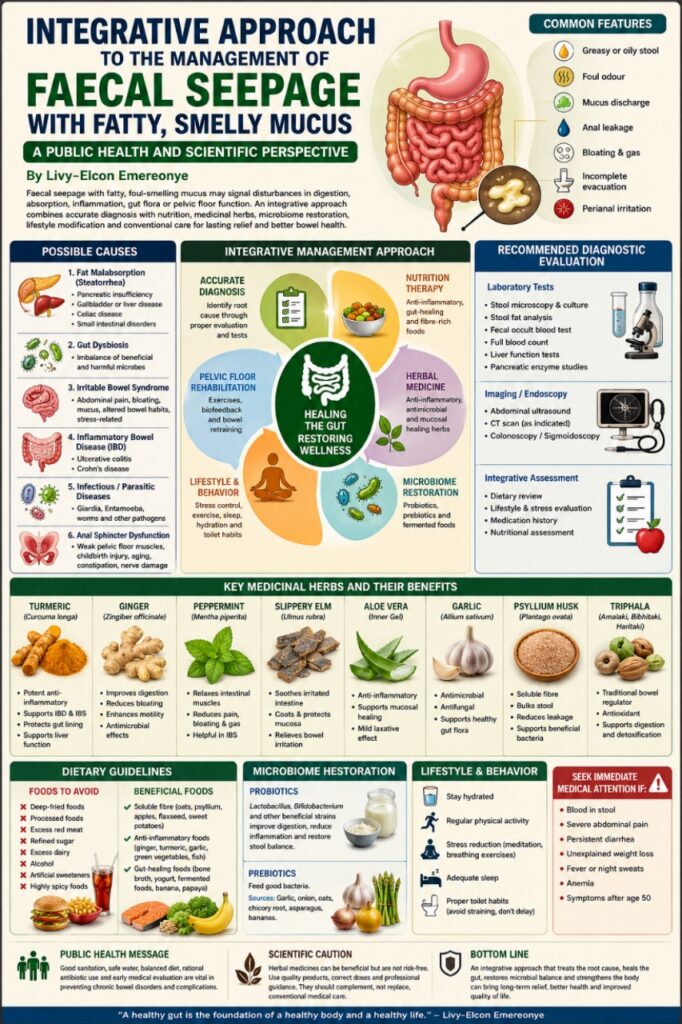 Irritable Bowel Syndrome (IBS) is another common cause. IBS is a functional bowel disorder characterized by abnormal interaction between the brain and digestive system. Symptoms often include mucus in stool, bloating, abdominal pain, altered bowel habits, and anxiety-related bowel disturbances. Emotional stress can worsen bowel urgency and mucus secretion.
Chronic inflammatory conditions such as ulcerative colitis and Crohn’s disease, collectively known as inflammatory bowel disease (IBD), may also cause mucus discharge, diarrhea, abdominal pain, fatigue, and weight loss. In some cases, infections caused by parasites such as Giardia lamblia or Entamoeba histolytica contribute to intestinal irritation and malabsorption, especially in areas with poor sanitation.
Weakness of the anal sphincter or pelvic floor muscles can also lead to faecal seepage. This may occur due to aging, childbirth injury, chronic constipation, or neurological disorders.
Because several diseases can produce similar symptoms, proper medical evaluation is essential. Diagnostic investigations may include stool microscopy and culture, stool fat analysis, fecal occult blood test, liver function tests, pancreatic enzyme studies, abdominal ultrasound, colonoscopy, and nutritional assessment. Lifestyle factors such as stress, alcohol intake, sleep quality, and medication history should also be reviewed carefully.
 An integrative approach to management combines conventional medicine with nutrition, herbal therapy, microbiome restoration, lifestyle modification, and preventive healthcare.
Dietary therapy plays a central role in intestinal healing. Deep-fried foods, processed meat, excess dairy products, refined sugar, alcohol, and highly spicy foods should be reduced because they worsen inflammation and digestive irritation. Instead, emphasis should be placed on soluble fibre-rich foods such as oats, apples, flaxseed, psyllium husk, and sweet potatoes, which help bulk stool and reduce seepage.
Anti-inflammatory foods including ginger, turmeric, garlic, green vegetables, and fatty fish may support gut healing. Fermented foods, yogurt, papaya, banana, and bone broth may also help restore intestinal integrity and improve digestion.
Medicinal herbs have long been used in managing gastrointestinal disorders, and several possess scientifically recognized anti-inflammatory, antimicrobial, and digestive properties.
Curcuma longa contains curcumin, a powerful anti-inflammatory compound that may help reduce intestinal inflammation, support liver function, and improve symptoms of IBS and inflammatory bowel disease. It can be consumed as tea, powder, or capsules.
Zingiber officinale is widely known for improving digestion and bowel motility. It may help reduce bloating, nausea, gas formation, and intestinal fermentation.
Mentha piperita has shown benefits in IBS management by relaxing intestinal muscles and reducing abdominal pain, bloating, and bowel discomfort. Enteric-coated peppermint oil capsules are commonly used clinically.
Ulmus rubra contains mucilage that coats and soothes the intestinal lining, thereby reducing irritation and improving stool passage.
Aloe vera inner gel may support intestinal healing and soothe inflamed bowel tissue when used cautiously in appropriate preparations.
Allium sativum possesses antimicrobial and antifungal properties that may help combat harmful intestinal microorganisms contributing to foul stool odour and dysbiosis.
Plantago ovata is particularly valuable because it improves stool consistency, supports beneficial gut bacteria, and reduces leakage.
 For individuals with anal sphincter weakness, pelvic floor rehabilitation involving Kegel exercises, bowel retraining, and biofeedback therapy may help improve bowel control and reduce seepage.
Fat malabsorption may also result in deficiencies of vitamins A, D, E, and K, as well as minerals such as zinc, magnesium, and iron. Proper nutritional assessment and supplementation may therefore be necessary.
Prevention remains a critical public health strategy. Healthy high-fibre diets, improved sanitation, safe water supply, rational antibiotic use, and early medical evaluation of persistent bowel symptoms are essential in reducing digestive disease burden.
However, immediate medical attention should be sought if symptoms are accompanied by blood in stool, severe abdominal pain, fever, unexplained weight loss, persistent diarrhea, vomiting, anemia, or symptoms beginning after age 50, as these may indicate more serious disease.
Although medicinal herbs may provide important benefits, they are not entirely risk-free. Herb-drug interactions, allergic reactions, contamination, and improper dosing can occur. Herbal therapies should therefore complement—not replace—proper medical evaluation and treatment.