
Male Infertility: Signs and Symptoms, Causes, Treatment, and Cure—An Overview
By Livy-Elcon Emereonye
Introduction
Infertility is a condition in which a couple is unable to conceive after at least one year of regular, unprotected sexual intercourse. When the problem lies with the man, it is termed male infertility. Male factors contribute to about 40–50% of all infertility cases globally. This condition can result from abnormalities in sperm production, function, or delivery, as well as hormonal or anatomical issues.
1. Signs and Symptoms of Male Infertility
Male infertility is not always obvious; in many cases, the only sign is the inability to conceive. However, certain symptoms may indicate underlying problems:
a. General Signs
– Inability to impregnate a female partner after regular intercourse for 12 months or more.
– Low sex drive (reduced libido).
– Difficulty with ejaculation or maintaining an erection.
– Small, firm, or swollen testicles.
– Pain, discomfort, or swelling in the scrotal area.
– Decreased facial or body hair and other signs of hormonal imbalance.
– Abnormal breast growth (gynecomastia).
– Signs of genetic or chromosomal disorders (e.g., Klinefelter syndrome).
b. Laboratory Signs
– Low sperm count (oligospermia).
– Absence of sperm in semen (azoospermia).
– Poor sperm motility (asthenozoospermia).
– Abnormal sperm shape (teratozoospermia).
2. Causes of Male Infertility
Male infertility has multiple causes, which can be grouped into pre-testicular, testicular, and post-testicular factors.
a. Pre-testicular Causes (Hormonal and Systemic)
– Hormonal imbalance: Low testosterone or abnormalities in FSH, LH, or prolactin.
– Pituitary or hypothalamic disorders: Tumors, infections, or trauma affecting hormone regulation.
– Systemic illnesses: Diabetes mellitus, liver or kidney disease, thyroid disorders.
– Obesity: Alters hormone levels and impairs sperm function.
b. Testicular Causes (Problems within the Testes)
– Varicocele: Enlargement of veins in the scrotum that affects sperm quality.
– Infections: Mumps orchitis, sexually transmitted infections (chlamydia, gonorrhea), tuberculosis, etc.
– Genetic defects: Klinefelter syndrome, Y-chromosome microdeletion.
– Undescended testes (cryptorchidism): When testes fail to descend into the scrotum.
– Trauma or injury to the testicles.
– Radiation or chemotherapy exposure.
c. Post-testicular Causes (Obstruction and Ejaculatory Issues)
– Blockage of sperm transport ducts: Epididymal or vas deferens obstruction.
– Retrograde ejaculation: Semen flows backward into the bladder instead of exiting through the penis.
– Ejaculatory duct obstruction.
– Infections causing scarring and blockage.
d. Lifestyle and Environmental Causes
– Excessive alcohol or tobacco use.
– Prolonged exposure to heat (e.g., saunas, tight clothing).
– Drug use (anabolic steroids, marijuana, cocaine).
– Exposure to heavy metals, pesticides, and radiation.
– Chronic stress and sleep deprivation.
3. Diagnosis
Proper diagnosis involves detailed medical history, physical examination, and laboratory investigations, such as:
– Semen analysis (volume, count, motility, morphology).
– Hormonal profile (testosterone, LH, FSH, prolactin).
– Scrotal ultrasound (for varicocele or obstruction).
– Genetic testing if indicated.
– Testicular biopsy (if no sperm in ejaculate).
4. Treatment of Male Infertility
Treatment depends on the underlying cause. It may involve medical, surgical, or assisted reproductive techniques, and herbal approach.
a. Medical Treatment
Hormone therapy: For cases of hormonal imbalance.
Antibiotics: For infections of the reproductive tract.
Antioxidants and supplements: Vitamin E, Vitamin C, zinc, selenium, and L-carnitine improve sperm quality.
Lifestyle modification: Healthy diet, exercise, avoiding alcohol, smoking, and stress.
b. Surgical Treatment
Varicocelectomy: Surgical correction of varicocele.
Vasovasostomy or epididymovasostomy: To correct blocked ducts.
Surgical sperm retrieval: For use in assisted reproduction.
c. Assisted Reproductive Techniques (ART)
Intrauterine insemination (IUI): Injection of washed sperm into the uterus.
In vitro fertilization (IVF): Fertilization outside the body.
Intracytoplasmic sperm injection (ICSI): Injection of a single sperm directly into an egg.
Sperm donation: When the man cannot produce viable sperm.
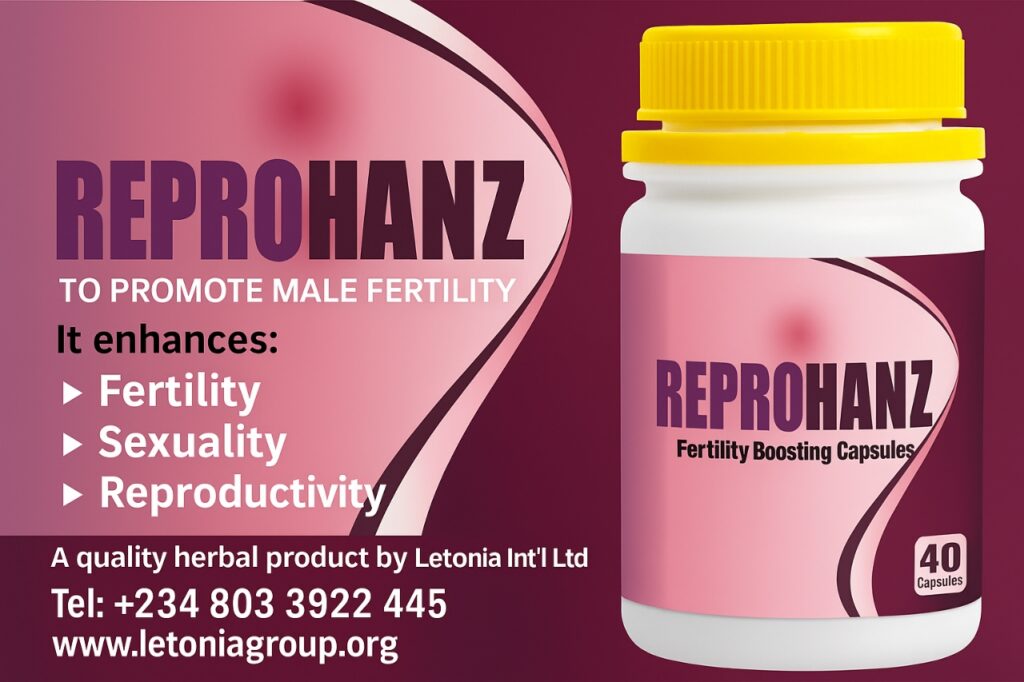
d. Herbal Approach
There are good medicinal herbs for management and treatment of male infertility.
5. Cure and Prevention
While not all cases are curable, many can be effectively treated or managed.
Curative Approaches
– Hormonal therapy for endocrine disorders.
– Surgery for varicocele or obstruction.
– Treating infections promptly.
– Correcting unhealthy habits (alcohol, smoking, drugs).
– Stress management and balanced nutrition.
Preventive Measures
– Avoid exposure to toxins and radiation.
– Maintain a healthy body weight.
– Wear loose-fitting underwear to reduce testicular heat.
– Avoid excessive use of anabolic steroids or testosterone supplements.
– Get regular medical checkups and seek help early if conception delays.
Conclusion
Male infertility is a sensitive but treatable condition. Early diagnosis, healthy lifestyle, and modern medical interventions offer great hope for affected men. Beyond medical therapy, emotional support and mutual understanding between partners are essential for coping with the challenges of infertility.
Leave a comment