
Herbaceutics: the concept and the process By Livy-Elcon Emereonye
Herbaceutics: the concept and the process
By Livy-Elcon Emereonye The future of medicine lies where nature meets science — in the disciplined art of herbaceutics.
Herbaceutics is a groundbreaking field that unites herbal medicine and pharmaceutical technology. It is a scientific pursuit devoted to the development, formulation, and standardization of herbal products, bridging the wisdom of traditional medicine with the precision of modern pharmacology. It ensures that herbal remedies are effective, safe, and reproducible.
While traditional herbalism depends largely on cultural experience and intuition, herbaceutics is founded on systematic research, measurable outcomes, and clinical validation. It is the science of transforming nature’s gifts into therapeutic products that meet international quality standards. At its core, herbaceutics embodies the philosophy that plants are potent natural laboratories. Within their leaves, roots, and barks and other parts lie complex biochemical compounds capable of healing—if properly identified, extracted, and formulated.
The concept merges the holistic wisdom of ethnobotany, ethno medicine and ethnopharmacy with the discipline of pharmacognosy and pharmaceutics. Herbaceutics does not dismiss traditional knowledge; rather, it refines and enhances it, giving herbal medicine the credibility and acceptance it deserves in modern healthcare. It stands for the scientific validation of herbal efficacy, the standardized formulation of herbal remedies, the integration of herbal medicine into conventional health systems, and the sustainability and ethical preservation of indigenous knowledge.
The herbaceutic process is systematic, beginning with plant identification and authentication to ensure that only the correct species and parts are used. Cultivation and harvesting follow, guided by Good Agricultural and Collection Practices (GACP), which ensure that soil quality, climate, and harvest timing preserve the plant’s phytochemical integrity. After harvest, processing and preservation are done with controlled drying, grinding, and extraction to concentrate active principles. Techniques like supercritical CO₂ extraction and cold maceration maintain potency and prevent degradation.
Formulation and standardization mark the heart of herbaceutics. Here, science meets art as extracts are transformed into capsules, syrups, ointments, teas, or tablets with precise quantities of active ingredients. Standardization guarantees that each product unit delivers consistent efficacy and safety. Quality control and stability testing follow, using analytical methods such as chromatography, spectroscopy, and microbial assays to ensure that products are pure, potent, and free from contaminants. Stability testing confirms how long a product remains effective under different conditions.
Meant for precision, reproducibility and replicability, before public release, herbaceutic formulations should undergo clinical evaluation to establish safety, dosage, and therapeutic value through pre-clinical and clinical studies. This ensures that every claim made is evidence-based. Packaging, labeling, and regulatory compliance conclude the process. Products must meet the standards of agencies such as NAFDAC, FDA, or WHO, and their labels must state dosage, indications, contraindications, batch number, and expiry date, reflecting transparency and professionalism.
Herbaceutics is not merely a technical process but a philosophy of harmony between nature and science. It promotes respect for the environment, ethical use of biodiversity, and protection of indigenous intellectual property. It acknowledges that while modern pharmacology refines nature’s resources, the source of true healing remains the natural world. Thus, herbaceutics seeks to restore confidence in nature-inspired medicine while maintaining scientific accountability.
In essence, herbaceutics represents a revolution in healthcare—the disciplined transformation of herbal wisdom into scientifically validated, globally accepted medicine. In a world overwhelmed by synthetic drugs and their side effects, it offers a gentle, sustainable, and holistic alternative. It is not the rejection of modern medicine, but its natural evolution, a call to merge ancient knowledge with modern science for the benefit of humanity.
Herbaceutics is where tradition meets innovation, where the healing power of plants gains the precision of science.
Livy-Elcon Emereonye is the founder of Herbaceutics.
The future of medicine lies where nature meets science — in the disciplined art of herbaceutics.
Herbaceutics is a groundbreaking field that unites herbal medicine and pharmaceutical technology. It is a scientific pursuit devoted to the development, formulation, and standardization of herbal products, bridging the wisdom of traditional medicine with the precision of modern pharmacology. It ensures that herbal remedies are effective, safe, and reproducible.
While traditional herbalism depends largely on cultural experience and intuition, herbaceutics is founded on systematic research, measurable outcomes, and clinical validation. It is the science of transforming nature’s gifts into therapeutic products that meet international quality standards. At its core, herbaceutics embodies the philosophy that plants are potent natural laboratories. Within their leaves, roots, and barks and other parts lie complex biochemical compounds capable of healing—if properly identified, extracted, and formulated.
The concept merges the holistic wisdom of ethnobotany, ethno medicine and ethnopharmacy with the discipline of pharmacognosy and pharmaceutics. Herbaceutics does not dismiss traditional knowledge; rather, it refines and enhances it, giving herbal medicine the credibility and acceptance it deserves in modern healthcare. It stands for the scientific validation of herbal efficacy, the standardized formulation of herbal remedies, the integration of herbal medicine into conventional health systems, and the sustainability and ethical preservation of indigenous knowledge.
The herbaceutic process is systematic, beginning with plant identification and authentication to ensure that only the correct species and parts are used. Cultivation and harvesting follow, guided by Good Agricultural and Collection Practices (GACP), which ensure that soil quality, climate, and harvest timing preserve the plant’s phytochemical integrity. After harvest, processing and preservation are done with controlled drying, grinding, and extraction to concentrate active principles. Techniques like supercritical CO₂ extraction and cold maceration maintain potency and prevent degradation.
Formulation and standardization mark the heart of herbaceutics. Here, science meets art as extracts are transformed into capsules, syrups, ointments, teas, or tablets with precise quantities of active ingredients. Standardization guarantees that each product unit delivers consistent efficacy and safety. Quality control and stability testing follow, using analytical methods such as chromatography, spectroscopy, and microbial assays to ensure that products are pure, potent, and free from contaminants. Stability testing confirms how long a product remains effective under different conditions.
Meant for precision, reproducibility and replicability, before public release, herbaceutic formulations should undergo clinical evaluation to establish safety, dosage, and therapeutic value through pre-clinical and clinical studies. This ensures that every claim made is evidence-based. Packaging, labeling, and regulatory compliance conclude the process. Products must meet the standards of agencies such as NAFDAC, FDA, or WHO, and their labels must state dosage, indications, contraindications, batch number, and expiry date, reflecting transparency and professionalism.
Herbaceutics is not merely a technical process but a philosophy of harmony between nature and science. It promotes respect for the environment, ethical use of biodiversity, and protection of indigenous intellectual property. It acknowledges that while modern pharmacology refines nature’s resources, the source of true healing remains the natural world. Thus, herbaceutics seeks to restore confidence in nature-inspired medicine while maintaining scientific accountability.
In essence, herbaceutics represents a revolution in healthcare—the disciplined transformation of herbal wisdom into scientifically validated, globally accepted medicine. In a world overwhelmed by synthetic drugs and their side effects, it offers a gentle, sustainable, and holistic alternative. It is not the rejection of modern medicine, but its natural evolution, a call to merge ancient knowledge with modern science for the benefit of humanity.
Herbaceutics is where tradition meets innovation, where the healing power of plants gains the precision of science.
Livy-Elcon Emereonye is the founder of Herbaceutics. 
 Abstract
Immunity represents the biological foundation of disease prevention, control, and recovery. The human immune system protects the body from pathogenic organisms and abnormal cell growth through a highly coordinated defense network. This paper discusses the types and functions of immunity, its significance in disease prevention, its role in acute and chronic disease management, and its application in both conventional and integrative medicine. It concludes by emphasizing the importance of immune modulation in maintaining health and longevity.
1. Introduction
The immune system plays a central role in human survival by providing defense against infectious agents, toxins, and abnormal cells. Immunity can be viewed as the biological mechanism that enables the body to distinguish between self and non-self components and to neutralize potentially harmful entities (Murphy & Weaver, 2016). In the management of diseases, the strength, balance, and regulation of immunity determine both susceptibility and recovery outcomes.
2. Concept and Classification of Immunity
Immunity refers to the body’s ability to resist or eliminate potentially harmful foreign materials or abnormal cells (Parham, 2015). It is broadly classified into innate (natural) and adaptive (acquired) immunity.
Innate immunity constitutes the first line of defense and is present from birth. It includes physical barriers like the skin, mucous membranes, and chemical factors such as gastric acid and antimicrobial peptides (Chaplin, 2010).
Adaptive immunity, on the other hand, develops through exposure to antigens. It involves specialized cells such as lymphocytes that generate specific responses and immunological memory, enabling faster reactions upon re-exposure to pathogens (Janeway et al., 2005).
3. Immunity as a Mechanism for Disease Prevention
A well-functioning immune system prevents disease by recognizing and neutralizing pathogens before they can cause harm. It also eliminates precancerous and abnormal cells through immune surveillance (Vesely et al., 2011). Vaccination represents a practical application of adaptive immunity, as it stimulates the production of memory cells that provide long-term protection without inducing disease (Plotkin, 2014).
Thus, immunity is not only defensive but also preventive—forming the biological foundation of public health interventions.
4. Immunity and Disease Progression
During disease, the immune response determines the severity and outcome of infection. A robust immune response can efficiently clear pathogens, whereas a weak immune system may lead to prolonged or recurrent infections (Abbas, Lichtman, & Pillai, 2021). Conversely, excessive or dysregulated immune responses may cause tissue damage or autoimmune diseases in which the body attacks its own cells (Davidson & Diamond, 2001).
Effective disease management, therefore, requires maintaining immune balance—strong enough to resist infection but regulated enough to prevent autoimmunity.
5. Immunity in Integrative and Conventional Medicine
In conventional medicine, immunity is supported through vaccines, immunostimulants, immunosuppressive drugs, and monoclonal antibodies used to treat immune-related disorders (Delves & Roitt, 2000).
In integrative and complementary medicine, the focus is on enhancing the body’s natural resistance through nutrition, herbal remedies, lifestyle modifications, and mind-body balance (Mills & Bone, 2013). Nutrients such as vitamins C, D, and zinc are known to modulate immune function (Wintergerst et al., 2007). Similarly, herbs like Echinacea purpurea, Astragalus membranaceus, and Curcuma longa have been documented to enhance immune resilience and reduce inflammation (Block & Mead, 2003; Panossian & Wikman, 2009).
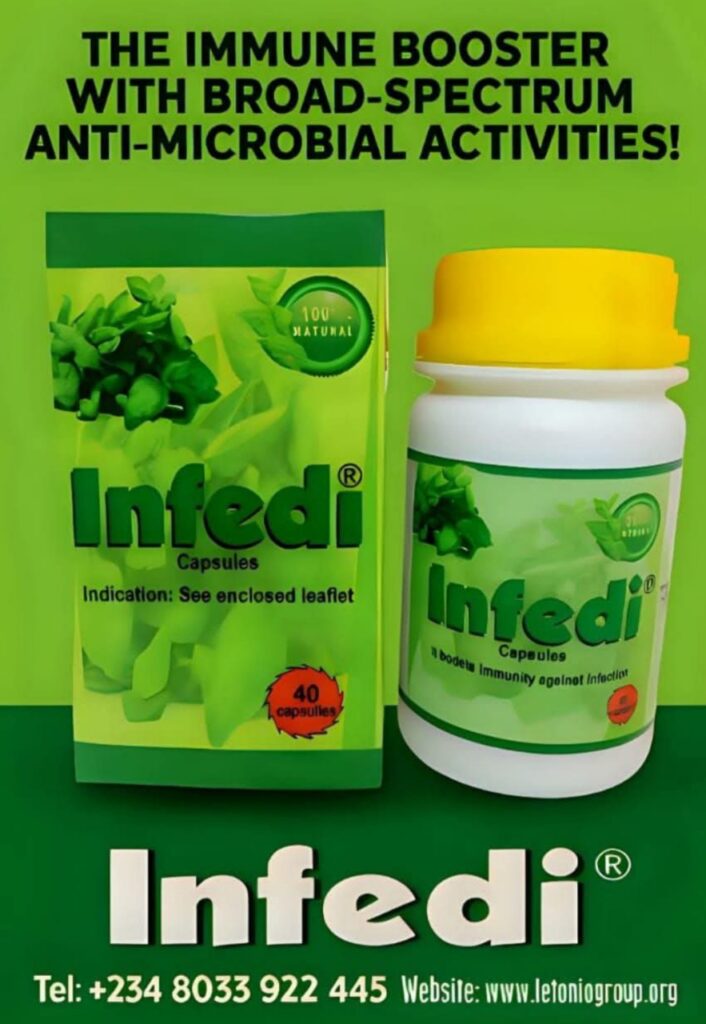
Among contemporary herbal innovations, Infedi® capsules stand out as a 100% natural supplement formulated to strengthen immune response, support detoxification, and promote overall wellness. Its herbal composition aligns with the principles of integrative medicine that emphasize safety, balance, and the restoration of physiological harmony.
6. Immunity in Chronic Disease Management
Chronic diseases such as diabetes, cancer, and hypertension are often associated with immune dysregulation and chronic inflammation. Strengthening immune function can reduce systemic inflammation and improve therapeutic outcomes (Calder et al., 2013).
In oncology, immunotherapy has become a major therapeutic strategy that harnesses the body’s immune system to target and destroy cancer cells (Pardoll, 2012). Similarly, managing chronic metabolic diseases now includes approaches aimed at restoring immune balance through diet, exercise, and stress reduction (Hotamisligil, 2017).
7. Immune Modulation as a Therapeutic Approach
Immune modulation refers to maintaining optimal immune responsiveness—neither overstimulated nor suppressed (Kumar & Abbas, 2020). Probiotics, antioxidants, and adaptogenic herbs such as Withania somnifera (Ashwagandha) and Panax ginseng can support this balance by enhancing resilience against stress and infection (Corthésy, 2013; Panossian & Wikman, 2009).
Given that about 70% of immune cells reside in the gastrointestinal tract, gut health and microbiome balance are critical in immune regulation (Belkaid & Hand, 2014).
8. Public Health Implications of Immunity
At the population level, immunity underpins key public health measures such as immunization campaigns and herd immunity. Effective vaccination programs have significantly reduced the global burden of infectious diseases, including smallpox, polio, and measles (Fine, Eames, & Heymann, 2011). Public health education focusing on nutrition, hygiene, and environmental health further strengthens community immunity and resilience against emerging infections.
9. Conclusion
Immunity represents the cornerstone of disease prevention and management. Its effective functioning determines the body’s capacity to resist, control, and recover from disease. Integrating immune support strategies—through vaccination, balanced nutrition, herbal supplementation, and healthy lifestyles—offers a holistic framework for promoting wellness. Natural products such as Infedi Capsules provide safe, herbal-based immune enhancement in line with integrative health principles. Strengthening immunity is, therefore, both a medical and moral imperative for achieving global health and longevity.
References
Abbas, A. K., Lichtman, A. H., & Pillai, S. (2021). Cellular and molecular immunology (10th ed.). Elsevier.
Belkaid, Y., & Hand, T. W. (2014). Role of the microbiota in immunity and inflammation. Cell, 157(1), 121–141. https://doi.org/10.1016/j.cell.2014.03.011
Block, K. I., & Mead, M. N. (2003). Immune system effects of Echinacea, ginseng, and Astragalus: A review. Integrative Cancer Therapies, 2(3), 247–267. https://doi.org/10.1177/1534735403256419
Calder, P. C., Ahluwalia, N., Brouns, F., Buetler, T., Clement, K., Cunningham, K., … & Kafatos, A. (2013). Dietary factors and immune function. Nutrition Reviews, 71(10), 584–599. https://doi.org/10.1111/nure.12048
Chaplin, D. D. (2010). Overview of the immune response. Journal of Allergy and Clinical Immunology, 125(2 Suppl 2), S3–S23. https://doi.org/10.1016/j.jaci.2009.12.980
Corthésy, B. (2013). Multi-faceted functions of secretory IgA at mucosal surfaces. Frontiers in Immunology, 4, 185. https://doi.org/10.3389/fimmu.2013.00185
Davidson, A., & Diamond, B. (2001). Autoimmune diseases. New England Journal of Medicine, 345(5), 340–350. https://doi.org/10.1056/NEJM200108023450506
Delves, P. J., & Roitt, I. M. (2000). The immune system: First of two parts. New England Journal of Medicine, 343(1), 37–49. https://doi.org/10.1056/NEJM200007063430107
Fine, P., Eames, K., & Heymann, D. L. (2011). “Herd immunity”: A rough guide. Clinical Infectious Diseases, 52(7), 911–916. https://doi.org/10.1093/cid/cir007
Hotamisligil, G. S. (2017). Inflammation, metaflammation and immunometabolic disorders. Nature, 542(7640), 177–185. https://doi.org/10.1038/nature21363
Janeway, C. A., Travers, P., Walport, M., & Shlomchik, M. J. (2005). Immunobiology: The immune system in health and disease (6th ed.). Garland Science.
Kumar, V., & Abbas, A. K. (2020). Robbins and Cotran pathologic basis of disease (10th ed.). Elsevier.
Mills, S. Y., & Bone, K. (2013). Principles and practice of phytotherapy: Modern herbal medicine (2nd ed.). Elsevier.
Murphy, K., & Weaver, C. (2016). Janeway’s immunobiology (9th ed.). Garland Science.
Panossian, A., & Wikman, G. (2009). Evidence-based efficacy of adaptogens in fatigue, and molecular mechanisms related to their stress-protective activity. Current Clinical Pharmacology, 4(3), 198–219. https://doi.org/10.2174/157488409789375311
Pardoll, D. M. (2012). The blockade of immune checkpoints in cancer immunotherapy. Nature Reviews Cancer, 12(4), 252–264. https://doi.org/10.1038/nrc3239
Parham, P. (2015). The immune system (4th ed.). Garland Science.
Plotkin, S. A. (2014). History of vaccination. Proceedings of the National Academy of Sciences, 111(34), 12283–12287. https://doi.org/10.1073/pnas.1400472111
Vesely, M. D., Kershaw, M. H., Schreiber, R. D., & Smyth, M. J. (2011). Natural innate and adaptive immunity to cancer. Annual Review of Immunology, 29, 235–271. https://doi.org/10.1146/annurev-immunol-031210-101324
Wintergerst, E. S., Maggini, S., & Hornig, D. H. (2007). Contribution of selected vitamins and trace elements to immune function. Annals of Nutrition and Metabolism, 51(4), 301–323. https://doi.org/10.1159/000107673
Ps: Dr. Emereonye could be reached on: +234 803 3 922 445
 Introduction
Infertility is a condition in which a couple is unable to conceive after at least one year of regular, unprotected sexual intercourse. When the problem lies with the man, it is termed male infertility. Male factors contribute to about 40–50% of all infertility cases globally. This condition can result from abnormalities in sperm production, function, or delivery, as well as hormonal or anatomical issues.
1. Signs and Symptoms of Male Infertility
Male infertility is not always obvious; in many cases, the only sign is the inability to conceive. However, certain symptoms may indicate underlying problems:
a. General Signs
- Inability to impregnate a female partner after regular intercourse for 12 months or more.
- Low sex drive (reduced libido).
- Difficulty with ejaculation or maintaining an erection.
- Small, firm, or swollen testicles.
- Pain, discomfort, or swelling in the scrotal area.
- Decreased facial or body hair and other signs of hormonal imbalance.
- Abnormal breast growth (gynecomastia).
- Signs of genetic or chromosomal disorders (e.g., Klinefelter syndrome).
b. Laboratory Signs
- Low sperm count (oligospermia).
- Absence of sperm in semen (azoospermia).
- Poor sperm motility (asthenozoospermia).
- Abnormal sperm shape (teratozoospermia).
2. Causes of Male Infertility
Male infertility has multiple causes, which can be grouped into pre-testicular, testicular, and post-testicular factors.
a. Pre-testicular Causes (Hormonal and Systemic)
- Hormonal imbalance: Low testosterone or abnormalities in FSH, LH, or prolactin.
- Pituitary or hypothalamic disorders: Tumors, infections, or trauma affecting hormone regulation.
- Systemic illnesses: Diabetes mellitus, liver or kidney disease, thyroid disorders.
- Obesity: Alters hormone levels and impairs sperm function.
b. Testicular Causes (Problems within the Testes)
- Varicocele: Enlargement of veins in the scrotum that affects sperm quality.
- Infections: Mumps orchitis, sexually transmitted infections (chlamydia, gonorrhea), tuberculosis, etc.
- Genetic defects: Klinefelter syndrome, Y-chromosome microdeletion.
- Undescended testes (cryptorchidism): When testes fail to descend into the scrotum.
- Trauma or injury to the testicles.
- Radiation or chemotherapy exposure.
c. Post-testicular Causes (Obstruction and Ejaculatory Issues)
- Blockage of sperm transport ducts: Epididymal or vas deferens obstruction.
- Retrograde ejaculation: Semen flows backward into the bladder instead of exiting through the penis.
- Ejaculatory duct obstruction.
- Infections causing scarring and blockage.
d. Lifestyle and Environmental Causes
- Excessive alcohol or tobacco use.
- Prolonged exposure to heat (e.g., saunas, tight clothing).
- Drug use (anabolic steroids, marijuana, cocaine).
- Exposure to heavy metals, pesticides, and radiation.
- Chronic stress and sleep deprivation.
3. Diagnosis
Proper diagnosis involves detailed medical history, physical examination, and laboratory investigations, such as:
- Semen analysis (volume, count, motility, morphology).
- Hormonal profile (testosterone, LH, FSH, prolactin).
- Scrotal ultrasound (for varicocele or obstruction).
- Genetic testing if indicated.
- Testicular biopsy (if no sperm in ejaculate).
4. Treatment of Male Infertility
Treatment depends on the underlying cause. It may involve medical, surgical, or assisted reproductive techniques, and herbal approach.
a. Medical Treatment
Hormone therapy: For cases of hormonal imbalance.
Antibiotics: For infections of the reproductive tract.
Antioxidants and supplements: Vitamin E, Vitamin C, zinc, selenium, and L-carnitine improve sperm quality.
Lifestyle modification: Healthy diet, exercise, avoiding alcohol, smoking, and stress.
b. Surgical Treatment
Varicocelectomy: Surgical correction of varicocele.
Vasovasostomy or epididymovasostomy: To correct blocked ducts.
Surgical sperm retrieval: For use in assisted reproduction.
c. Assisted Reproductive Techniques (ART)
Intrauterine insemination (IUI): Injection of washed sperm into the uterus.
In vitro fertilization (IVF): Fertilization outside the body.
Intracytoplasmic sperm injection (ICSI): Injection of a single sperm directly into an egg.
Sperm donation: When the man cannot produce viable sperm.
d. Herbal Approach
There are good medicinal herbs for management and treatment of male infertility.
5. Cure and Prevention
While not all cases are curable, many can be effectively treated or managed.
Curative Approaches
- Hormonal therapy for endocrine disorders.
- Surgery for varicocele or obstruction.
- Treating infections promptly.
- Correcting unhealthy habits (alcohol, smoking, drugs).
- Stress management and balanced nutrition.
Preventive Measures
- Avoid exposure to toxins and radiation.
- Maintain a healthy body weight.
- Wear loose-fitting underwear to reduce testicular heat.
- Avoid excessive use of anabolic steroids or testosterone supplements.
- Get regular medical checkups and seek help early if conception delays.
Conclusion
Male infertility is a sensitive but treatable condition. Early diagnosis, healthy lifestyle, and modern medical interventions offer great hope for affected men. Beyond medical therapy, emotional support and mutual understanding between partners are essential for coping with the challenges of infertility.
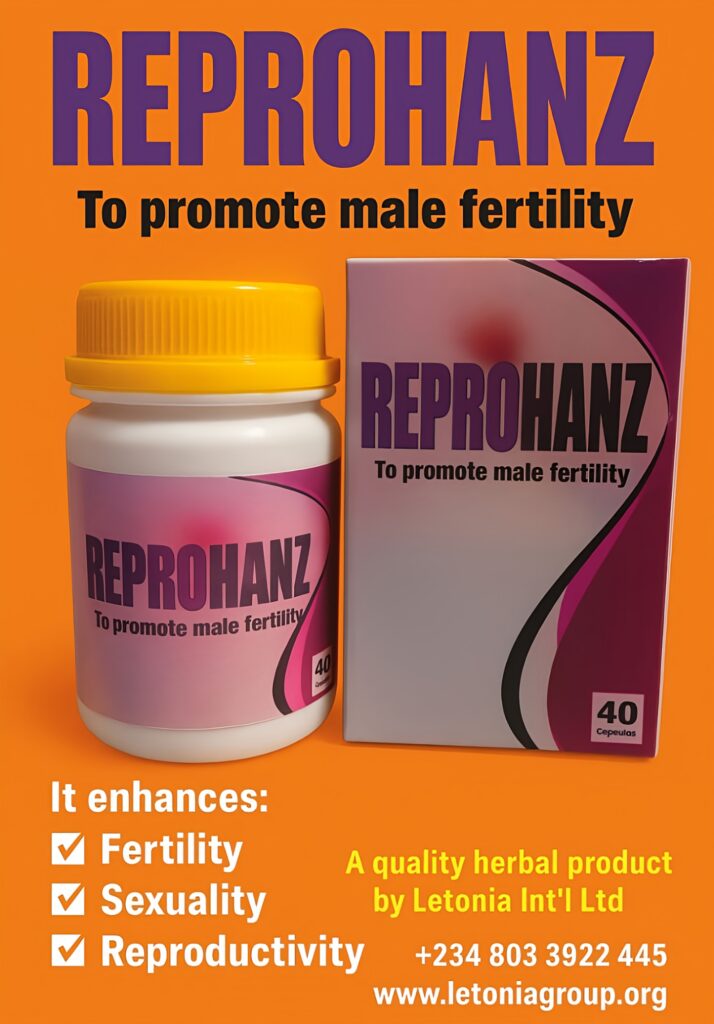 Male reproductive health is an essential component of family life, intimate relationships, and overall wellbeing. Unfortunately, a growing number of men worldwide struggle with challenges such as low libido, erectile dysfunction, premature ejaculation, reduced sperm count, poor sperm motility, and diminished stamina. Not only do these conditions hinder fertility, but they also influence self-esteem, confidence, and the quality of life; the resulting emotional paralysis and psychological trauma are beyond imagination.
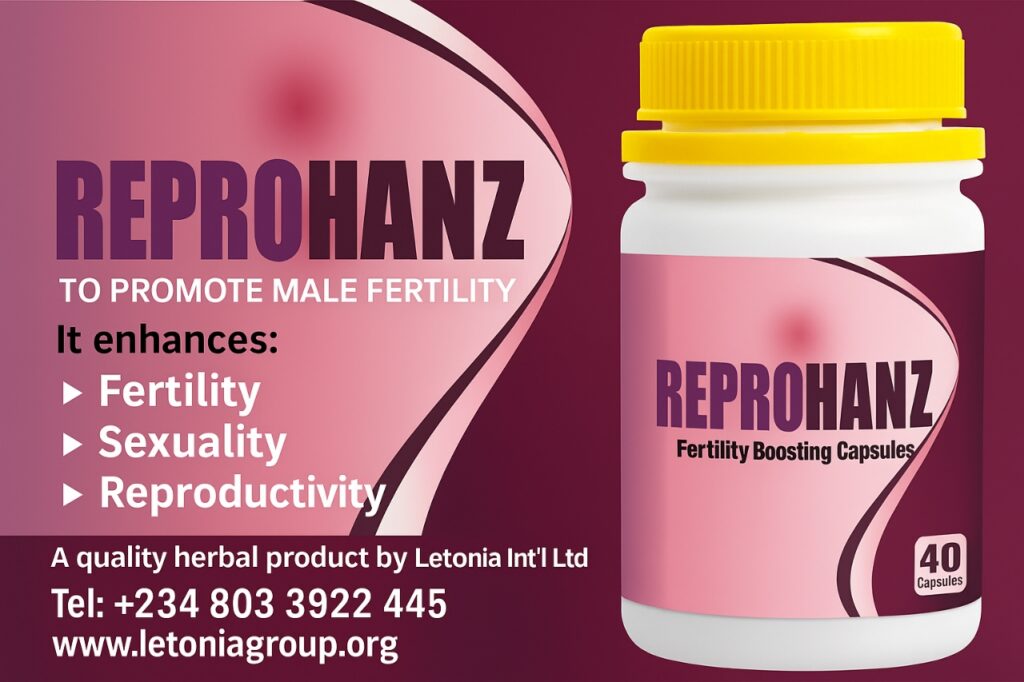
In response to these challenges, Reprohanz has been carefully developed as a natural, plant-based herbal formulation. It is designed to restore reproductive balance, enhance male fertility, and improve sexual vitality through a safe, holistic approach.
Reprohanz is specifically indicated for the promotion of male fertility. It works to revitalize the male reproductive system, enhance hormonal balance, and support healthy sexual function. Beyond fertility, it also addresses key factors that influence overall male wellness and vitality.
Unlike synthetic medications, which often target isolated symptoms, Reprohanz utilizes the synergy of medicinal herbs to provide a broad-spectrum effect. Herbal remedies typically contain bioactive compounds such as alkaloids, flavonoids, saponins, glycosides, and antioxidants, which act on multiple pathways in the body through a poly-modal mechanism of action.
In male reproductive health, these compounds contribute to:
Improved blood circulation to the genital area, supporting stronger and longer-lasting erections.
Hormonal regulation, particularly testosterone balance, which is critical for libido, spermatogenesis, and overall vitality.
Antioxidant protection, reducing oxidative stress that damages sperm cells and impairs fertility.
Enhanced spermatogenesis, stimulating the testes to produce healthy, motile sperm.
This multi-targeted action makes Reprohanz a valuable ally in managing both the physical and psychological aspects of male infertility.
Reprohanz enhances fertility, sexuality, and reproductivity:
It is formulated to strengthen the male reproductive system, improving both functional capacity and reproductive potential. Men experience renewed vigour, confidence, and improved intimacy.
Boosts Libido and Sexual Drive:
A diminished libido can stem from stress, fatigue, hormonal imbalance, or age. The natural adaptogens in Reprohanz stimulate sexual desire and support the body’s overall energy metabolism, making it easier to sustain an active intimate life.
Supports Erections and Stamina:
Erectile dysfunction (ED) and premature ejaculation are among the most common sexual health complaints. Reprohanz aids in enhancing blood flow, strengthening pelvic muscles, and supporting nervous system function. The result is improved erections, greater stamina, and longer-lasting performance.
Improves Spermatogenesis:
Healthy sperm is essential for conception. Reprohanz promotes natural sperm production and quality, making it useful for managing conditions such as:
Oligospermia (low sperm count)
Asthenospermia (weak sperm motility)
Teratospermia (abnormal sperm morphology)
Azoospermia (absence of sperm in semen) etc.
By addressing these conditions, Reprohanz improves conception chances naturally and safely.
Antioxidant and Anti-inflammatory Protection:
Modern research shows that oxidative stress is a leading cause of male infertility, damaging sperm DNA and reducing motility. Herbal antioxidants in Reprohanz help neutralize free radicals and reduce inflammation, thereby protecting sperm cells and improving their function.
Benefits Beyond Male Fertility:
Though primarily registered for men, Reprohanz also demonstrates benefits in female reproductive health conditions, particularly those linked to hormonal imbalance and vitality. This makes it a versatile and holistic herbal remedy.
For best results, Reprohanz should be used consistently on a daily basis as directed on the product label. Like most natural remedies, gradual improvement occurs as the body restores its natural rhythm and reproductive balance.
Reprohanz is formulated using carefully selected herbs with a long history of traditional use in fertility enhancement. It is:
▶️ Natural and safe when taken as directed
▶️ Non-hormonal and free from synthetic additives
▶️ Holistic, addressing both reproductive function and overall vitality
Unlike conventional medications, which may carry side effects, Reprohanz works gently with the body, promoting long-term reproductive wellness.
Reprohanz is more than a fertility supplement—it is a comprehensive natural solution for enhancing male reproductive health, sexual vitality, and overall confidence. By addressing issues such as erectile dysfunction, premature ejaculation, low libido, and poor sperm health, it helps men restore balance and achieve their full reproductive potential.
For couples seeking to conceive, or for men desiring renewed strength and vitality, Reprohanz is a trusted companion on the journey to reproductive wellness.
Another Quality Herbal Product by Letonia Int’l Ltd.
For more information contact:
Tel: +234 803 3922 445
Website: www.letoniagroup.org
Reprohanz – Your Natural Partner in Fertility and Vitality.
PS: We advocate for rational use of herbal medicine.
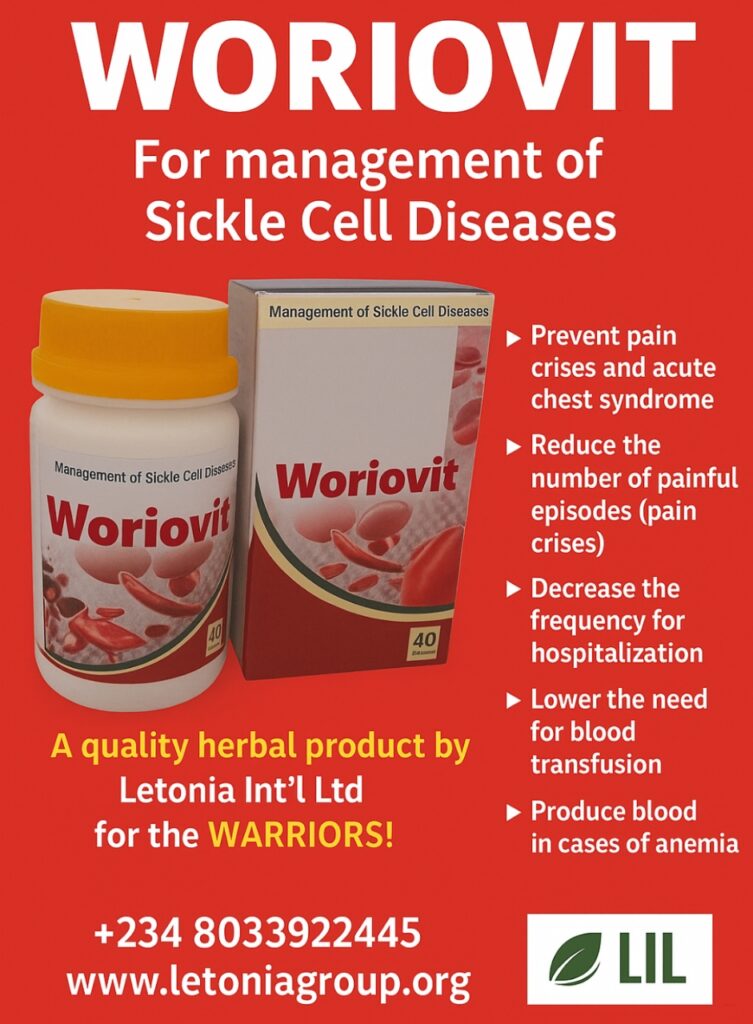
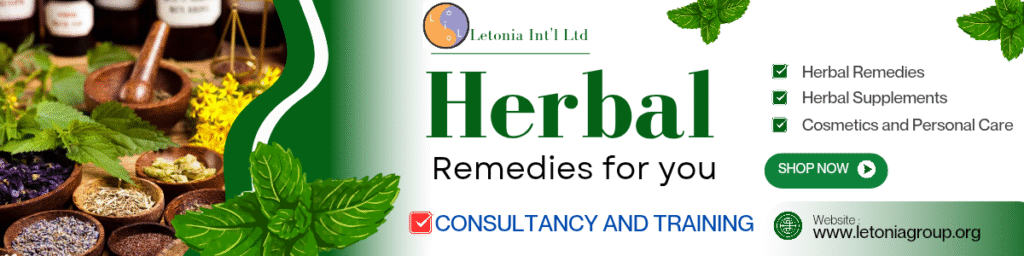 The practice of herbal medicine offers us diverse ways to connect with nature. Our natural environment provides us the tools we need to heal ourselves. Perhaps the remedy to your ailments is right underneath your nose!
Humanity’s relationship with plants is as old as human history. Long before the development of modern pharmaceuticals, our ancestors turned to the natural world for healing and sustenance. From the leaves and roots of common weeds to the bark of majestic trees, herbs have been the foundation of medicine across cultures and traditions. Today, even with remarkable advances in medical science, herbal remedies continue to play a significant role in healthcare, either as primary solutions or complementary aids.
Herbal remedies are preparations made from medicinal plants or plant extracts used to prevent, alleviate, manage or treat illnesses. They may involve using the whole plant or specific parts—leaves, roots, seeds, flowers, or bark—prepared in different forms such as teas, tinctures, capsules, ointments, oils, or powders. While some are used for common everyday ailments, others support chronic disease management or general well-being.
Herbal remedies can be used in different ways and conditions including but not limited to:
Treatment of common ailments:
Herbal medicine is often the first line of defense against everyday health challenges. Ginger and garlic, for instance, are widely known for their immune-boosting and antimicrobial properties, making them effective against colds, flu, and infections. Chamomile tea calms the stomach and aids digestion, while peppermint is a natural remedy for bloating and indigestion.
Chronic disease management:
Certain herbs provide long-term support for managing chronic health conditions. Bitter melon and fenugreek seeds help regulate blood sugar in diabetes, while garlic and hawthorn are traditionally used to support heart health and blood pressure control. Milk thistle protects and rejuvenates the liver, an organ essential for detoxification.
Immune system enhancement:
Many herbs are known to strengthen the body’s natural defense system. Echinacea, astragalus, and elderberry are popular immune tonics that help the body resist infections and recover faster from illness.
Mental and Nervous System Support:
The growing interest in natural approaches to mental health has put herbs such as valerian root, passionflower, and ashwagandha in the spotlight. These plants help reduce stress, anxiety, and insomnia, while ginkgo biloba and gotu kola are often used to enhance memory and cognitive performance.
Skin and hair care:
Topical application of herbs has been practiced for centuries. Aloe vera soothes burns and accelerates wound healing, while tea tree oil fights fungal and bacterial infections. Rosemary and hibiscus are celebrated for their ability to stimulate hair growth and nourish the scalp.
Reproductive health:
Herbal remedies also address gender-specific concerns. Black cohosh and red clover help ease menopausal symptoms such as hot flashes, while maca root supports fertility and stamina. Saw palmetto is used by men to promote prostate health.
Herbal remedies offer several advantages such as:
Embracing a natural and holistic approach:
Herbal remedies often work in harmony with the body’s natural processes, aiming to restore balance rather than merely suppress symptoms. This holistic approach considers the individual’s overall physical, mental, and emotional health.
Having fewer side effects:
When prepared and used properly, herbs generally have fewer adverse effects compared to synthetic drugs. Their natural composition is often more compatible with the human body.
Locally available, accessible and affordable:
In many parts of the world, especially in rural communities, herbs are the most accessible form of healthcare. They can be grown in home gardens or sourced from local markets at relatively low cost.
They have cultural acceptance and traditional usage:
Herbal medicine is deeply rooted in culture and tradition, passed down through generations. This makes it widely trusted and accepted, especially in societies where traditional healers play important roles.
Wide range of applications:
Herbs can be consumed as teas, decoctions, powders, or incorporated into food. They can also be applied externally as poultices, ointments, or oils, offering a wide range of therapeutic applications.
They have preventive health benefits:
Beyond treating illness, many herbs act as preventive agents. Rich in antioxidants, vitamins, and minerals, they protect cells from damage, slow aging, and strengthen the body against lifestyle-related diseases.
They can serve for complementary purposes to conventional medicine:
Herbs can be integrated with conventional treatments in what is known as integrative or complementary medicine. For example, ginger is often recommended alongside chemotherapy to ease nausea, and turmeric supplements may be used to reduce inflammation in patients with arthritis.
While the advantages of herbal remedies are notable, they are not without risks. Misidentification of plants, improper preparation, overdosing, and harmful interactions with prescription drugs can cause serious health issues. For example, St. John’s Wort, commonly used for depression, can interfere with the effectiveness of certain medications, including contraceptives and blood thinners.
Therefore, professional guidance is important when using herbs, especially for individuals with chronic conditions, pregnant women, or those on prescription drugs.
The need for proper research, standardization, and regulation of herbal products cannot be overstated.
Herbal remedies remain a vital aspect of healthcare globally, bridging the gap between ancient wisdom and modern medicine. Their uses span from managing minor ailments to supporting chronic disease treatment, enhancing immunity, and promoting general well-being. Their advantages—natural origin, affordability, cultural acceptance, and preventive health benefits—make them indispensable, especially in resource-limited settings.
Yet, the best results come when herbs are used with knowledge, respect, and caution. As science continues to study and validate the properties of medicinal plants, herbal remedies will increasingly serve not only as a link to our past but also as a pathway to healthier futures.
It is important we promote and practice rational herbal medicine use.
Dr. Emereonye is available at the following number: +234 803 3922 445
 "Our knowledge of African history has been deliberately distorted to suit the purposes of the colonial powers who sought to erase our identity and heritage. We must reclaim our story to empower ourselves and future generations" - John Henrik Clarke
Without documentation, nothing is truly completed; even if documented, failing to publish and promote it will diminish its core value.
This above illustrated the fate of African Traditional Medicine (ATM) - our Indigenous medicine - but the narrative is changing for the better.
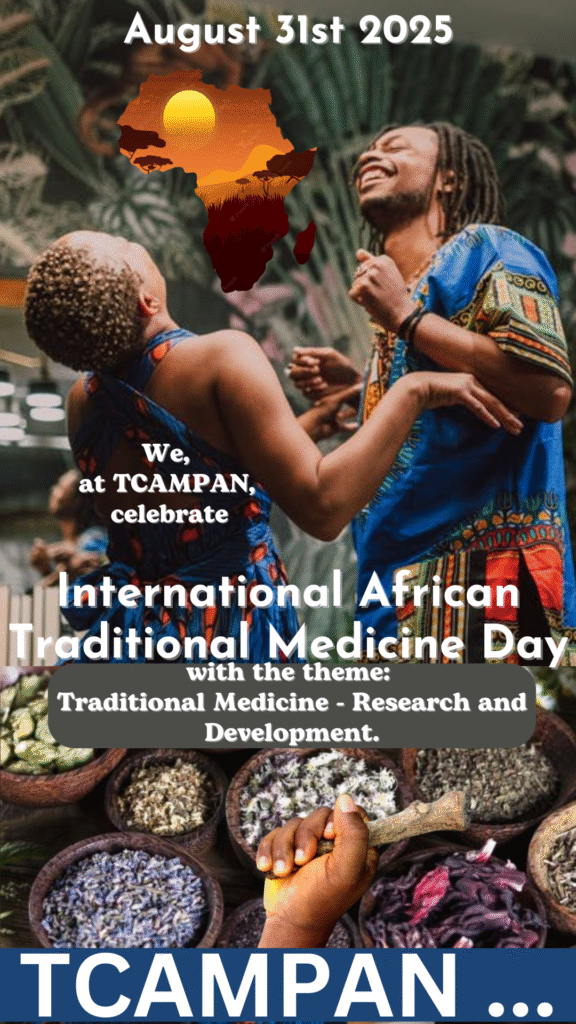
Every year on the 31st of August, Africa pauses to celebrate African Traditional Medicine Day. Proclaimed by the African Union in 2003, this annual observance is more than a commemoration; it is a reaffirmation of identity, heritage, and the vital role that indigenous knowledge plays in health care and sustainable development across the continent, and the world at large.
The rationale for this celebration is rooted in both history and necessity. It's important that we tell our stories by ourselves.
African communities have depended on traditional medicine for their healing and wellness for centuries. It embodies a tradition of knowledge, experimentation, and adaptation that has been handed down through generations, yet lacks sufficient documentation for the continuation and safeguarding of this wisdom.
Health Accessibility: Even today, in many rural and underserved communities, traditional medicine remains the first line of care—accessible, affordable, acceptable and trusted.
Integration with Modern Systems: The celebration highlights the need for a collaborative approach, where traditional practitioners and modern health professionals work together for the holistic well-being of patients.
Scientific Recognition: It provides a platform to promote research, standardization, and regulation of traditional remedies, ensuring safety and efficacy.
Economic and Social Value: By exploring the potentials of medicinal plants and indigenous therapies, African nations can open avenues for local industries, job creation, and global trade.
The Essence
The essence of African Traditional Medicine Day transcends the symbolic—it embodies vision and responsibility. It's a call to action.
Cultural Pride and Identity: It reminds us that African knowledge systems are not inferior or outdated but are sources of wisdom with global relevance.
Conservation of Biodiversity: By recognizing the importance of medicinal plants, it encourages sustainable use of Africa’s rich natural resources.
Contribution to Public Health: Traditional medicine complements modern systems in addressing health challenges, particularly in areas where access to hospitals and pharmaceuticals is limited.
Transmission of Knowledge: The celebration serves as a bridge, ensuring that indigenous wisdom is preserved, documented, and passed on to future generations.
Holistic Health Care: Ultimately, it emphasizes that health is not merely the absence of disease but a balance of body, mind, spirit, and environment—an outlook deeply ingrained in African healing traditions.
African Traditional Medicine Day is both a celebration and a call to action. It calls upon governments, practitioners, researchers, and communities to safeguard and promote this treasure of knowledge. It invites Africa to reclaim its healing traditions with pride, while embracing innovation and collaboration. In essence, the day affirms that the wisdom of the past, when properly harnessed, is a powerful key to building a healthier and more sustainable future for Africa and beyond with our indigenous medicine.
Therefore, we should endeavour to document and publish our work but above all do our best to educate and empower ourselves for better. In this manner, we will safeguard and leverage our rich heritage, contributing to global health awareness and advantages via ATM.
You can reach Dr. Emereonye, who is a pharmacist, an advocate for public health and complementary medicine, an integrative medicine practitioner, and a teacher, at +234 8033922445.
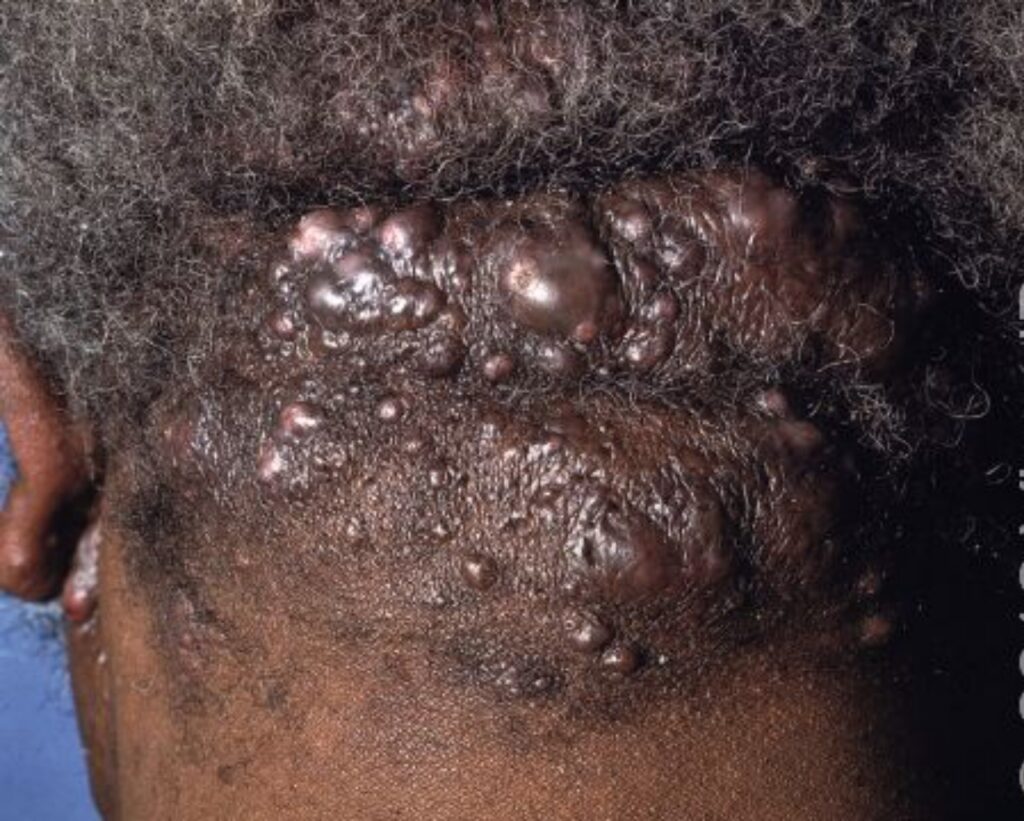 "Your skin is a canvas of experiences, each mark telling a story of its own." - Unknown
In general, bumps and keloids are skin conditions involving abnormal growths or scars, often caused by injury, inflammation, skin trauma, among others.
Bumps and keloids are both raised growths on the skin, but they differ in causes, appearance, and treatment.
The key difference is that bumps are a broad category and can be temporary or linked to many causes, but keloids are a specific type of raised scar caused by abnormal healing.
Bumps
A general term for small raised areas on the skin.
Bumps are raised skin lesions, which can be due to various causes like acne, cysts, warts, or allergic reactions.
Causes:
Infections: e.g., boils, acne, warts.
Allergic reactions: insect bites, contact dermatitis.
Blocked pores or hair follicles: ingrown hairs, cysts.
Trauma: minor injuries, friction.
Benign growths: seborrheic keratosis, skin tags.
Allergic reactions or dermatitis
Appearance:
Depending on the cause and position, it can be red, skin-colored, soft, firm, itchy, painful, temporary or persistent depending on the cause.
Treatment:
Mild bumps: often resolve with simple care (cleansing, warm compress).
Infectious bumps: may need antibiotics or antiviral treatment.
Allergic bumps: antihistamines or topical steroids.
Treat the underlying cause to prevent recurrence.
In most cases, treatment is determined by the cause: this could involve using over-the-counter creams like benzoyl peroxide for acne, taking antihistamines for allergic bumps, or performing minor procedures to address benign growths.
Do not pick or squeeze to prevent any scarring.
Keloids
Description:
Raised scars known as keloids occur when collagen production during the healing phase exceeds normal levels, causing growth beyond the original wound.
This condition involves a surplus of scar tissue that surpasses the edges of the original wound.
Causes:
After experiencing skin injuries or trauma like cuts, burns, piercings, surgery, or acne, keloids often arise due to the body's excessive collagen production while healing.
They are more common in people with darker skin tones (e.g., African, Asian, Hispanic descent).
The appearance can be firm, rubbery, or shiny and may range in color from red to pink or darker than the surrounding skin; it might also cause itching or pain.
Genetic predisposition is more prevalent in individuals with darker skin tones.
Appearance:
Firm, smooth, shiny, and raised.
Can be pink, red, or darker than surrounding skin.
Often itchy or tender, but not harmful.
Treatment:
Difficult to remove in its entirety — could return after undergoing treatment.
Options include:
Corticosteroid injections.
Silicone sheets or gels.
Cryotherapy (freezing).
Laser therapy.
Surgical removal (high recurrence risk unless combined with other treatments).
Prevention:
Avoid unnecessary skin trauma if prone to keloids; and treat wounds promptly.
Herbal approach to bumps and keloids management
Bumps may arise from acne, allergies, infections, or irritation; therefore, a logical herbal management strategy should focus on reducing inflammation, controlling infections, and promoting skin healing using an "herbaceutics" approach.
The management of keloids is more complex as they involve excess collagen.
However, certain herbs and herbal treatments work to soften scar tissue, minimize collagen overgrowth, and lighten discoloration.
A piece of advice:
Before applying any topical treatment, make sure to test it on a small section of your skin to ensure you don't have an allergic reaction.
Herbs take time to show effects and serve a healing purpose, so anticipate seeing results over several weeks to months.
For individuals experiencing active infections or rapidly developing keloids, it is advisable to integrate herbal remedies with medical interventions, emphasizing the need for responsible integrative medicine.
Refrain from scratching, piercing, or causing trauma in regions likely to develop keloids.
Incorporate a diet that promotes collagen health by consuming foods abundant in omega-3s (like flaxseed and walnuts), vitamin C (found in citrus fruits and guava), and zinc (from pumpkin seeds).
Dr. Emereonye can be reached via the phone number: +234 803 3922 445.