Disease: Concepts, Theories of Causation, and Integrative Approaches to Prevention and Treatment By Livy-Elcon Emereonye
Disease: Concepts, Theories of Causation, and Integrative Approaches to Prevention and Treatment
By Livy-Elcon Emereonye
Abstract
Disease remains one of the central concerns of medicine, public health, and biomedical science. Understanding the nature, origin, and mechanisms of disease has evolved over centuries from supernatural explanations to sophisticated molecular and systems‑biology models. Modern medicine recognizes disease as a multifactorial phenomenon involving interactions among biological agents, genetic predisposition, environmental exposures, lifestyle behaviors, and psychosocial factors. This article presents a comprehensive scholarly discussion of disease, including its definition, conceptual meaning, classifications, causes, and the major historical and contemporary theories of disease causation. Particular emphasis is placed on the relevance of these theories to modern integrative medicine, which combines conventional biomedical treatment with lifestyle, nutritional, and complementary therapeutic strategies. No single theory adequately explains the complexity of disease, and that a pluralistic, integrative model provides the most effective framework for prevention and treatment in contemporary healthcare systems.
Keywords: disease causation, germ theory, integrative medicine, epidemiology, lifestyle medicine, pathology
1. Introduction
Disease has occupied a central place in human inquiry since the earliest civilizations. The desire to understand why people fall ill and how they may be restored to health has driven the development of medicine, philosophy, and the natural sciences. Across different historical periods, disease has been interpreted through spiritual, environmental, biological, and social frameworks. Each stage of scientific progress has expanded humanity's understanding of the mechanisms responsible for illness.
In modern biomedical science, disease is understood as a disturbance of normal biological structure or function that produces recognizable signs and symptoms. However, contemporary research increasingly recognizes that disease is rarely the result of a single cause. Instead, most diseases arise from complex interactions between genetic susceptibility, environmental exposures, behavioral patterns, microbial agents, and psychosocial stressors.
The rise of chronic non‑communicable diseases such as diabetes, hypertension, cancer, and cardiovascular disorders has further highlighted the limitations of single‑factor explanations. These conditions are strongly influenced by diet, lifestyle, environmental pollution, stress, and social determinants of health. Consequently, modern healthcare systems increasingly adopt an integrative and multidisciplinary perspective that incorporates biomedical treatment alongside nutritional, behavioral, and preventive strategies.
This article provides an extensive examination of the concept of disease from both historical and contemporary perspectives. It discusses the definition and meaning of disease, classification of major disease types, determinants of disease occurrence, the ten major theories of disease causation, and current treatment approaches including integrative medicine. The goal is to provide a comprehensive framework that can support medical education, public health research, and integrative clinical practice.
2. Definition and Conceptual Meaning of Disease
The term "disease" is widely used in medicine, yet its precise meaning has evolved over time. In general, disease refers to any abnormal condition that disrupts the normal structure or functioning of an organism and produces identifiable signs and symptoms.
According to Kumar, Abbas, and Aster (2021), disease may be defined as "any deviation from normal physiological function associated with specific symptoms and signs." This definition emphasizes that disease involves measurable pathological changes in the body's tissues, organs, or systems.
The World Health Organization (WHO) approaches the concept from a broader health perspective. In its constitution, health is defined as "a state of complete physical, mental and social well‑being and not merely the absence of disease or infirmity" (WHO, 1948). This definition highlights that disease is not only a biological phenomenon but also a social and psychological condition affecting overall well‑being.
Medical sociologists often distinguish between three related concepts: disease, illness, and sickness.
Disease refers to the objective pathological condition diagnosed by medical professionals. Illness refers to the subjective experience of symptoms felt by the patient. Sickness refers to the social identity and role associated with being ill within a particular cultural context.
For example, a person may have hypertension (disease) without experiencing symptoms (illness). Conversely, a person may feel fatigued or weak (illness) without a clearly identifiable disease. Understanding these distinctions is important for clinical practice and public health interventions.
At the biological level, disease involves disturbances in normal physiological processes known as pathophysiology. These disturbances may result from infections, genetic abnormalities, metabolic imbalances, immune dysfunction, nutritional deficiencies, environmental exposures, or behavioral factors.
3. Classification of Diseases
Diseases can be classified in numerous ways depending on their cause, duration, pathogenesis, or mode of transmission. Several major categories are commonly used in medicine and public health.
3.1 Infectious or Communicable Diseases
Infectious diseases are caused by pathogenic microorganisms capable of invading the body and multiplying within host tissues. These microorganisms include bacteria, viruses, fungi, protozoa, and parasites.
Common examples include malaria, tuberculosis, HIV/AIDS, influenza, and COVID‑19.
Infectious diseases may spread through various routes such as respiratory droplets, contaminated food or water, insect vectors, blood transfusion, or direct physical contact. Despite advances in modern medicine, infectious diseases remain a significant global health challenge, particularly in low‑ and middle‑income countries.
3.2 Non‑Communicable Diseases
Non‑communicable diseases (NCDs) are conditions that cannot be transmitted directly from person to person. They are typically chronic and develop over long periods.
Examples include cardiovascular disease, diabetes mellitus, hypertension, cancer, and chronic respiratory diseases.
According to the World Health Organization, non‑communicable diseases account for nearly three‑quarters of deaths worldwide. Lifestyle factors such as poor diet, tobacco use, excessive alcohol consumption, and physical inactivity contribute significantly to their development.
3.3 Genetic and Hereditary Diseases
Genetic diseases arise from abnormalities in genes or chromosomes. These abnormalities may be inherited from parents or occur spontaneously due to mutations in genetic material.
Examples include sickle cell disease, cystic fibrosis, hemophilia, and Down syndrome.
Advances in molecular biology and genomics have significantly improved understanding of the genetic basis of disease and opened new possibilities for gene therapy and personalized medicine.
3.4 Nutritional Deficiency Diseases
Deficiency diseases occur when the body lacks essential nutrients required for normal physiological function.
Examples include scurvy caused by vitamin C deficiency, rickets caused by vitamin D deficiency, and iron‑deficiency anemia.
Such diseases remain common in regions where food insecurity and malnutrition are prevalent.
3.5 Degenerative Diseases
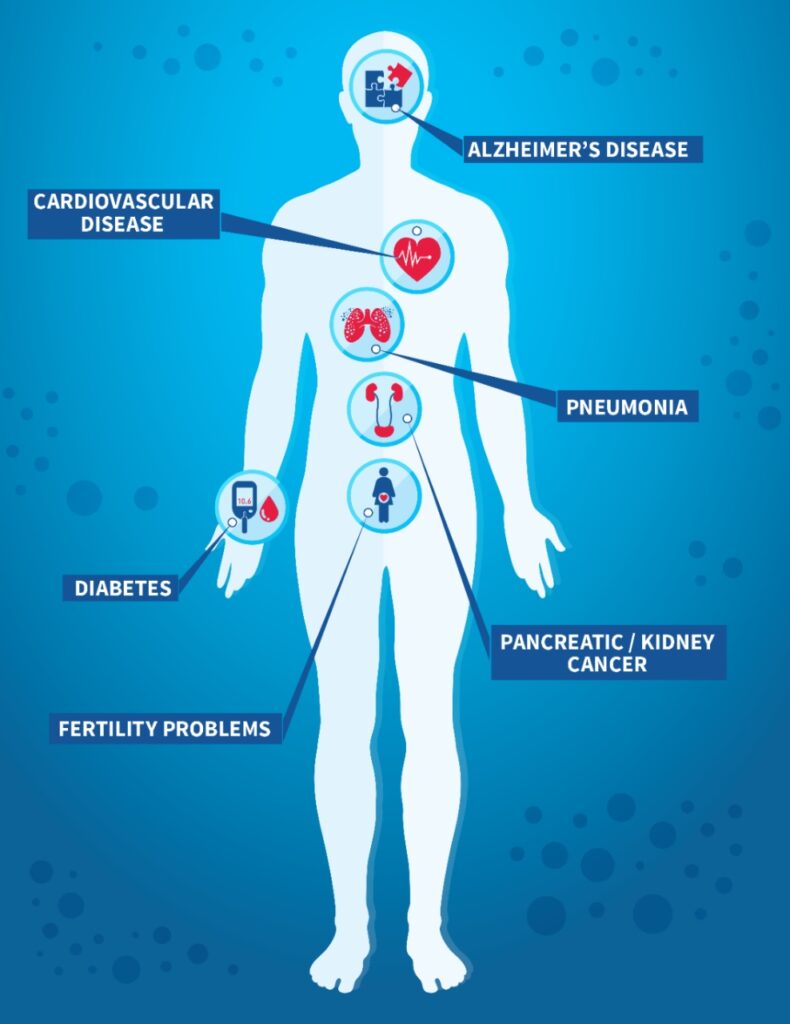
Degenerative diseases involve the progressive deterioration of tissues or organs over time. They are often associated with aging and chronic physiological stress.
Examples include osteoarthritis, Alzheimer's disease, and Parkinson's disease.
These conditions often lead to long‑term disability and require ongoing management rather than curative treatment.
3.6 Metabolic Diseases
Metabolic diseases result from disturbances in biochemical processes involved in energy production and cellular metabolism.
Examples include diabetes mellitus, thyroid disorders, and gout.
Such conditions often arise from complex interactions between genetic susceptibility and lifestyle factors such as diet and physical activity.
3.7 Mental and Psychological Disorders
Mental disorders affect cognition, emotional regulation, and behavior. Examples include depression, anxiety disorders, bipolar disorder, and schizophrenia.
The burden of mental illness has increased globally, emphasizing the importance of psychological and social determinants of health.
4. Determinants and Causes of Disease
Modern medical science recognizes that disease arises from the interaction of multiple determinants rather than a single causal factor.
4.1 Biological Agents
Biological agents such as bacteria, viruses, parasites, and fungi are responsible for many infectious diseases. These pathogens invade the body, reproduce within tissues, and disrupt normal physiological processes.
4.2 Genetic Predisposition
Genetic susceptibility can significantly influence disease risk. Individuals with certain genetic variations may be more likely to develop conditions such as diabetes, cancer, or cardiovascular disease.
4.3 Environmental Factors
Environmental exposures such as pollution, radiation, toxic chemicals, and poor sanitation contribute significantly to disease development. Urbanization and industrialization have increased exposure to environmental risk factors.
4.4 Lifestyle and Behavioral Factors
Lifestyle behaviors play a major role in modern disease patterns. Diet, physical activity, smoking, alcohol consumption, and stress levels all influence health outcomes.
4.5 Social Determinants of Health
Social conditions including income, education, housing, and access to healthcare strongly influence disease distribution in populations. These factors are collectively known as the social determinants of health.
5. Major Theories of Disease Causation
Understanding the causes of disease has evolved through several major theoretical frameworks throughout the history of medicine.
5.1 The Supernatural Theory
The supernatural theory is one of the earliest explanations of disease. Ancient cultures believed illness resulted from evil spirits, curses, or divine punishment. Healing often involved rituals, sacrifices, or spiritual intervention.
Although this theory lacks scientific basis, cultural interpretations of illness still influence health behaviors in many societies.
5.2 The Humoral Theory
The humoral theory was developed by Hippocrates and later elaborated by Galen. It proposed that the body contained four essential humors: blood, phlegm, yellow bile, and black bile. Disease occurred when these humors became imbalanced.
Although modern science has disproved this model, it encouraged systematic observation and clinical reasoning.
5.3 The Miasma Theory
The miasma theory suggested that diseases were caused by "bad air" arising from decomposing organic matter. This belief dominated medical thinking during the eighteenth and early nineteenth centuries.
Although incorrect, the theory contributed to important public health reforms such as improved sanitation and urban hygiene.
5.4 The Germ Theory
The germ theory of disease emerged in the nineteenth century through the work of scientists such as Louis Pasteur and Robert Koch. It established that specific microorganisms cause specific diseases.
This discovery transformed medicine and led to the development of vaccines, antibiotics, and modern microbiology.
5.5 The Epidemiological Theory
The epidemiological model describes disease as the result of interactions among three elements: agent, host, and environment. This framework is often illustrated by the epidemiological triangle.
The model emphasizes that disease occurrence depends not only on pathogens but also on host susceptibility and environmental conditions.
5.6 The Multifactorial Causation Theory
Modern medicine recognizes that many diseases arise from multiple interacting factors. Chronic diseases such as hypertension, diabetes, and cardiovascular disorders cannot be explained by a single cause.
Instead, they result from complex interactions among genetics, lifestyle behaviors, environmental exposures, and metabolic processes.
5.7 The Genetic Theory
The genetic theory emphasizes the role of inherited or acquired genetic mutations in disease development. Advances in molecular biology have revealed how alterations in DNA can lead to numerous inherited disorders.
5.8 The Immunological Theory
The immunological theory focuses on the role of the immune system in disease. Disorders may arise when the immune system becomes weakened or when it attacks the body's own tissues, leading to autoimmune diseases.
5.9 The Nutritional Theory
The nutritional theory proposes that inadequate or excessive nutrient intake contributes significantly to disease. Malnutrition can weaken immunity and increase vulnerability to infection.
5.10 The Psychosomatic Theory
The psychosomatic theory highlights the influence of psychological factors on physical health. Emotional stress and mental distress can contribute to disorders such as hypertension, gastrointestinal disease, and cardiovascular conditions.
6. Approaches to Disease Treatment
Treatment strategies aim to cure disease, alleviate symptoms, prevent complications, and restore normal physiological functioning.
6.1 Conventional Biomedical Treatment
Modern biomedical medicine relies on scientifically validated interventions including pharmaceuticals, surgical procedures, and advanced diagnostic technologies.
Examples include antibiotics for bacterial infections, insulin therapy for diabetes, and surgical interventions for structural abnormalities.
6.2 Herbal and Traditional Medicine
Herbal medicine involves the use of plant‑based substances to prevent or treat disease. Many modern pharmaceuticals originate from medicinal plants.
In many African and Asian societies, herbal medicine remains a major component of healthcare.
6.3 Lifestyle Medicine
Lifestyle medicine focuses on modifying behavioral factors that contribute to disease. Key components include balanced nutrition, regular physical activity, stress management, adequate sleep, and avoidance of harmful substances.
6.4 Nutritional Therapy
Nutritional therapy uses targeted dietary interventions and nutrient supplementation to support healing and restore metabolic balance.
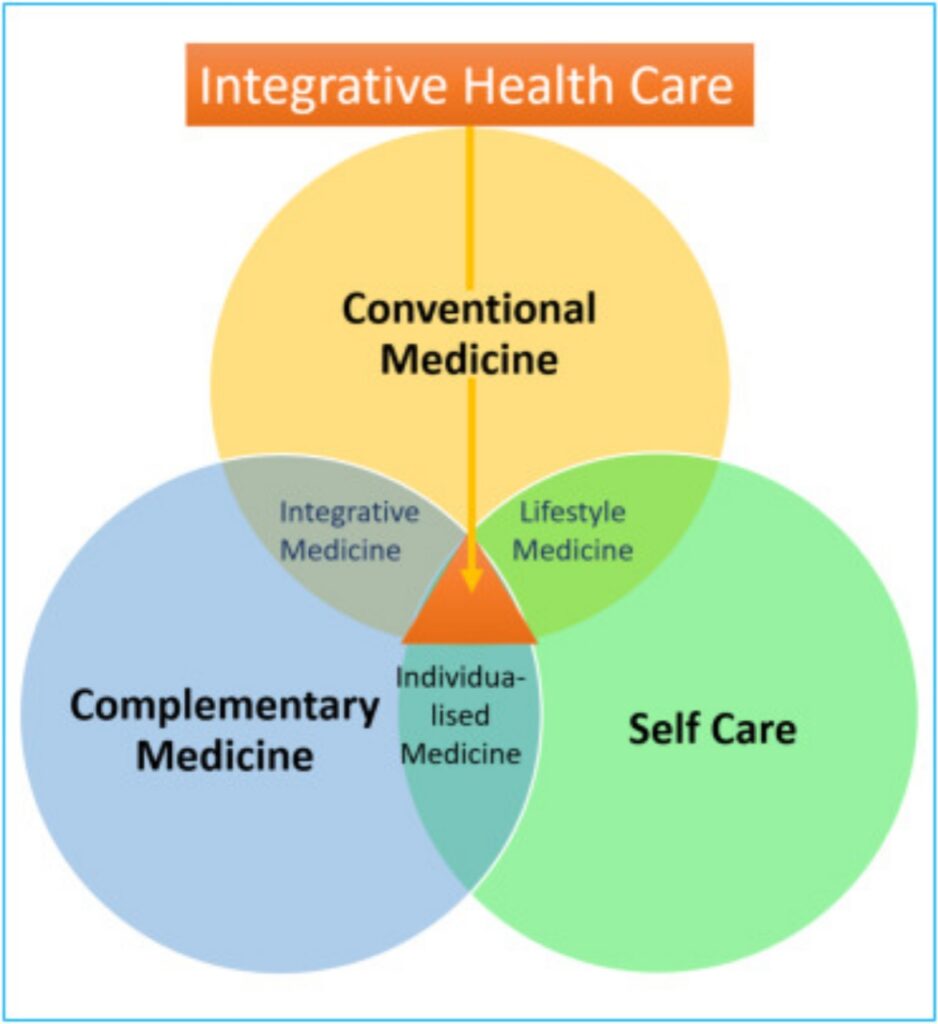
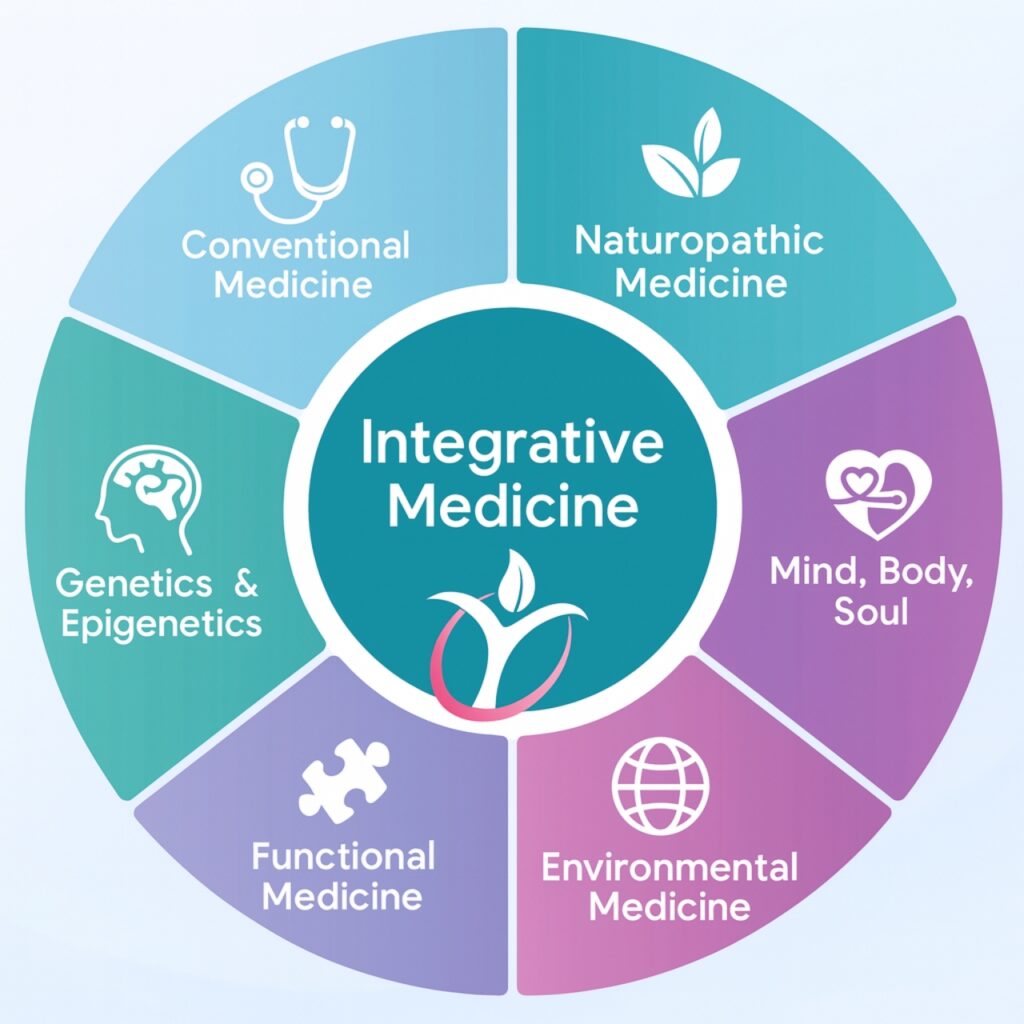
6.5 Integrative Medicine
Integrative medicine combines conventional medical treatment with evidence‑based complementary therapies. This approach emphasizes holistic patient care, prevention, and the restoration of overall well‑being.
7. Conclusion
Disease is a complex phenomenon shaped by biological, environmental, genetic, behavioral, and social factors. Over centuries, various theories of disease causation have emerged, each contributing to the development of medical knowledge. While earlier explanations emphasized supernatural or environmental causes, modern science recognizes the multifactorial nature of disease.
Understanding disease therefore requires an integrative framework that combines biomedical research with public health, nutrition, lifestyle science, and social determinants of health. Such an approach is essential for addressing the growing global burden of chronic and infectious diseases.
As healthcare continues to evolve, integrative and preventive strategies will play an increasingly important role in promoting human health and reducing disease worldwide.
References
Gordis L. (2014). Epidemiology. Elsevier.
Kumar V., Abbas A., & Aster J. (2021). Robbins and Cotran Pathologic Basis of Disease. Elsevier.
Marmot M., & Wilkinson R. (2006). Social Determinants of Health. Oxford University Press.
Nelson D., & Cox M. (2021). Lehninger Principles of Biochemistry. W.H. Freeman.
Ryan K., Ray C., & Ahmad N. (2017). Sherris Medical Microbiology. McGraw‑Hill.
World Health Organization. (1948). Constitution of the World Health Organization.
World Health Organization. (2023). Global Health Estimates: Leading Causes of Death.
PS: Dr. Emereonye could be reached on: +224 803 3922 445
 By Livy-Elcon Emereonye
Infertility is no longer a private sorrow. It is a public crisis.
Across continents, couples are waiting longer, trying harder, spending more—and too often, losing hope. The World Health Organization estimates that one in six people globally will experience infertility at some point in their lifetime. That is not a marginal statistic. It is a demographic signal.
And beneath that statistic lies something even more unsettling: human reproductive capacity appears to be declining.
Over the past five decades, global sperm counts have dropped dramatically, with major meta-analyses published in Human Reproduction Update confirming a persistent downward trend. Erectile dysfunction is affecting younger men. Polycystic ovarian syndrome (PCOS) is increasingly diagnosed in women in their twenties. Hormonal imbalance is no longer rare—it is routine.
We are witnessing a slow erosion of reproductive vitality.
The question is no longer whether infertility is rising. The question is why.
Beyond “Trying to Conceive”: The Bigger Picture
Infertility is medically defined as failure to achieve pregnancy after twelve months of regular, unprotected intercourse. But that definition barely scratches the surface.
Reproduction is not a single event. It is the culmination of multiple systems working in harmony:
Hormonal balance
Vascular health
Metabolic stability
Immune regulation
Mitochondrial energy production
Emotional wellbeing
When any of these falter, fertility falters.
In nearly half of infertility cases, male factors contribute significantly. Low sperm count, poor motility, abnormal morphology, and hormonal deficiencies are increasingly diagnosed. In many instances, oxidative stress—the excessive accumulation of reactive oxygen species—is a central culprit, damaging sperm DNA and impairing fertilization capacity.
For women, the story is equally complex. Ovulatory disorders, PCOS, endometriosis, tubal damage, and diminished ovarian reserve dominate the clinical landscape. Yet ovulation is not merely an ovarian function—it is an endocrine symphony orchestrated by the brain, thyroid, adrenal glands, pancreas, and ovaries.


 When insulin resistance rises, ovulation often suffers. When stress hormones remain elevated, reproductive hormones decline. When inflammation becomes chronic, implantation becomes uncertain.
Infertility, in many cases, is not a single malfunction. It is systemic imbalance made visible.
Sexual Health: The Early Warning System
Sexual dysfunction is often trivialized as a performance issue. It is not.
Erectile dysfunction, for instance, is fundamentally a vascular event dependent on nitric oxide and healthy endothelial function. Numerous cardiology studies have shown that erectile dysfunction may precede cardiovascular disease by three to five years. It is often the first visible sign of systemic vascular compromise.
Libido, similarly, reflects hormonal and neurological health. Testosterone plays a key role, but so do dopamine signaling, thyroid hormones, stress levels, sleep quality, and emotional connection.
Chronic stress elevates cortisol, suppressing reproductive hormones at the level of the brain. Poor sleep reduces testosterone production. Obesity increases aromatization of testosterone into estrogen, diminishing male reproductive capacity.
Sexual vitality is not cosmetic. It is diagnostic.
The Silent Saboteurs: Modern Life and Reproductive Decline
If reproductive dysfunction is increasing, we must interrogate modern life itself.
Endocrine-disrupting chemicals—found in plastics, pesticides, industrial pollutants—interfere with hormonal signaling. Substances such as bisphenol A (BPA) and phthalates mimic or block natural hormones, altering reproductive physiology.
Urban pollution increases systemic inflammation. Sedentary lifestyles impair insulin sensitivity. Ultra-processed diets elevate oxidative stress. Chronic psychological stress destabilizes the hypothalamic-pituitary-gonadal axis.
 We cannot medicalize our way out of a toxic ecosystem.
Reproductive vitality is not merely a clinical issue; it is environmental and societal.
Reproductive Vitality: A New Framework
We must move beyond the narrow goal of conception toward a broader vision: reproductive vitality.
Reproductive vitality means:
Healthy, resilient sperm and ova
Balanced reproductive hormones
Efficient mitochondrial energy production
Optimized metabolic function
Healthy vascular responsiveness
Emotional and relational wellbeing
It is possible to conceive without vitality. But sustainable health—personal and generational—requires it.
Scientific literature consistently supports the role of antioxidants such as vitamin C, vitamin E, zinc, selenium, coenzyme Q10, and L-carnitine in supporting sperm parameters and mitochondrial function. Insulin regulation improves ovulatory patterns in PCOS. Resistance training and weight optimization support testosterone production. Sleep enhances endocrine rhythm.
These are not alternative ideas. They are evidence-based principles.
Male Fertility: The 74-Day Reality
Spermatogenesis—the process of sperm production—takes approximately seventy-four days. That means reproductive recovery requires time and sustained intervention.
Meaningful improvement demands:
Reduction of oxidative stress
Micronutrient sufficiency
Hormonal balance
Metabolic optimization
Elimination of tobacco and environmental toxins
Quick fixes cannot override biological timelines.
Exogenous testosterone, often misused for performance enhancement, can paradoxically suppress natural sperm production. The physiology of reproduction is delicate; it must be supported intelligently, not aggressively overridden.
Female Fertility: Metabolism, Inflammation, and Timing
In women, metabolic health is deeply intertwined with reproductive function. Insulin resistance is central to PCOS pathophysiology. Weight reduction and insulin sensitization significantly improve ovulatory outcomes.
Ovarian reserve naturally declines with age, but oxidative stress may accelerate this decline. Protecting mitochondrial function is therefore not cosmetic—it is reproductive preservation.
Endometrial receptivity, essential for implantation, depends on progesterone balance, adequate uterine blood flow, and controlled inflammatory signaling.
Fertility is timing. Vitality determines whether timing succeeds.
The Emotional Toll We Rarely Discuss
Infertility is not merely biological—it is psychological. Anxiety, depression, marital strain, and social stigma frequently accompany reproductive difficulty.
Stress itself suppresses reproductive hormones. The very distress caused by infertility may worsen its prognosis.
Comprehensive care must therefore include emotional support, counseling, and relational reinforcement. Reproductive vitality is relational vitality.
From Reaction to Prevention
Modern reproductive medicine excels at intervention—IVF, hormonal therapy, surgical correction. These are invaluable tools. But prevention remains underemphasized.
Preconception health education should begin in early adulthood. Young men should understand that lifestyle affects sperm quality. Young women should understand ovarian aging and metabolic influences on fertility.
Reproductive awareness is not alarmism. It is empowerment.
A Call for Reproductive Responsibility
Reproductive decline is not destiny. It is, in many cases, modifiable.
Supporting fertility and sexual vitality requires:
Nutritional intelligence
Environmental awareness
Lifestyle reform
Ethical supplementation
Emotional resilience
 Abstract
Sickle Cell Disease (SCD) is one of the most prevalent inherited hematologic disorders globally, with the highest burden in sub-Saharan Africa, particularly Nigeria. Acute episodes known as sickle cell crises constitute the major cause of morbidity, hospitalization, and premature mortality in affected individuals. These crises result from complex pathophysiological processes involving vaso-occlusion, hemolysis, bone marrow suppression, and organ ischemia. This article reviews the major types of sickle cell crisis, their clinical manifestations, current evidence-based management strategies, and preventive approaches within the African healthcare context. It also explores the emerging role of validated herbal formulations such as Woriovit® capsules by Letonia Int’l Ltd, within the framework of responsible integrative medicine. Strengthening early diagnosis, access to hydroxyurea therapy, public health interventions, and regulated complementary medicine offers a promising pathway to improved outcomes in resource-limited settings.
Keywords
Sickle Cell Disease, Vaso-occlusive crisis, Acute chest syndrome, Hydroxyurea, Integrative medicine, Africa, Herbal therapeutics
1. Introduction
Sickle Cell Disease (SCD) is a hereditary hemoglobinopathy caused by a point mutation in the β-globin gene, leading to the production of abnormal hemoglobin S (HbS). Under conditions of low oxygen tension, HbS polymerizes, causing red blood cells (RBCs) to deform into rigid sickle shapes. These cells exhibit increased adhesiveness, reduced deformability, and shortened lifespan, promoting vascular obstruction and chronic hemolytic anemia.
Globally, over 300,000 infants are born annually with SCD, with more than 75% occurring in sub-Saharan Africa. Nigeria alone accounts for approximately 150,000 new cases per year, making it the epicenter of the global SCD burden (Piel et al., 2017). Despite advances in disease-modifying therapy, sickle cell crisis remains the dominant driver of clinical deterioration.
A sickle cell crisis refers to acute episodes of clinical deterioration arising from vascular occlusion, rapid hemolysis, infection, or bone marrow suppression. These episodes vary in severity and presentation but often demand urgent medical intervention.
2. Pathophysiology of Sickle Cell Crisis
The hallmark of SCD pathophysiology is vaso-occlusion resulting from:
• Polymerization of HbS
• RBC dehydration and rigidity
• Endothelial adhesion
• Inflammatory mediator release
• Reduced nitric oxide bioavailability
This cascade leads to impaired microcirculation, ischemia, reperfusion injury, and pain. Chronic hemolysis further contributes to anemia, jaundice, endothelial dysfunction, and pulmonary hypertension.
Environmental triggers common in Africa—such as dehydration, malaria, bacterial infections, and temperature extremes—exacerbate crisis frequency and severity.
3. Types of Sickle Cell Crisis
3.1 Vaso-Occlusive (Pain) Crisis
The most common form of crisis, responsible for over 90% of hospital admissions in SCD patients.
Mechanism: Microvascular obstruction by sickled RBCs leading to tissue ischemia.
Clinical features include:
• Severe bone and joint pain
• Abdominal pain
• Chest discomfort
• Swelling of hands and feet in children
• Fever in some cases
Pain intensity may range from moderate to excruciating, often requiring opioid analgesia.
3.2 Aplastic Crisis
Often triggered by Parvovirus B19 infection, which suppresses erythropoiesis.
Manifestations:
• Sudden drop in hemoglobin
• Profound fatigue
• Pallor
• Tachycardia
• Shortness of breath
This crisis is particularly dangerous due to patients’ already compromised hemoglobin levels.
3.3 Hemolytic Crisis
Characterized by accelerated RBC destruction beyond baseline hemolysis.
Features include:
• Worsening anemia
• Jaundice
• Dark urine
• Elevated bilirubin levels
• Fatigue
Triggers include infections, drugs, and oxidative stress.
3.4 Sequestration Crisis
Occurs when large volumes of blood pool in the spleen or liver.
Symptoms:
• Rapid splenic enlargement
• Sudden anemia
• Hypovolemic shock
• Weakness and collapse
Most common in infants and young children and is a medical emergency.
3.5 Acute Chest Syndrome (ACS)
The leading cause of death in SCD.
Mechanisms include:
• Pulmonary vaso-occlusion
• Infection
• Fat embolism
Clinical presentation:
• Chest pain
• Cough
• Fever
• Hypoxia
• Pulmonary infiltrates on X-ray
4. Acute Management Strategies
 4.1 Pain Control
First-line agents include NSAIDs for mild to moderate pain, while severe pain requires opioids such as morphine or fentanyl under careful monitoring.
4.2 Hydration Therapy
Adequate fluid replacement reduces blood viscosity and prevents further sickling. Intravenous isotonic saline is commonly employed in severe crises.
4.3 Oxygen Therapy
Indicated in hypoxia, acute chest syndrome, and severe anemia.
4.4 Infection Management
Prompt use of broad-spectrum antibiotics is essential, especially in febrile patients. In malaria-endemic regions, antimalarial treatment should be initiated when clinically suspected.
4.5 Blood Transfusion
Indications include:
• Severe anemia
• Stroke prevention
• Acute chest syndrome
• Sequestration crisis
Both simple transfusion and exchange transfusion may be utilized.
5. Long-Term Preventive Therapies
5.1 Hydroxyurea
Hydroxyurea remains the cornerstone disease-modifying therapy.
Benefits:
• Increases fetal hemoglobin (HbF)
• Reduces crisis frequency
• Lowers mortality
• Decreases hospitalization
WHO strongly recommends its widespread use in Africa.
5.2 Vaccination Programs
Protection against pneumococcus, Haemophilus influenzae, hepatitis B, and influenza reduces infection-related crises.
5.3 Nutritional Support
Folic acid supplementation supports erythropoiesis, while balanced nutrition improves immunity.
5.4 Lifestyle Modifications
• Adequate hydration
• Avoiding extreme temperatures
• Prompt infection treatment
• Stress reduction
6. Integrative Medicine and Herbal Therapeutics in SCD
African traditional medicine has long explored botanical agents for SCD symptom relief. Recent scientific investigations have validated several plants with antisickling, antioxidant, and membrane-stabilizing properties.
Notable examples include:
• Cajanus cajan (pigeon pea)
• Carica papaya leaf extract
• Fagara zanthoxyloides
• Zanthoxylum species
These plants demonstrate inhibition of HbS polymerization and improvement in RBC flexibility in vitro.
 7. Woriovit® Capsules in Sickle Cell Management
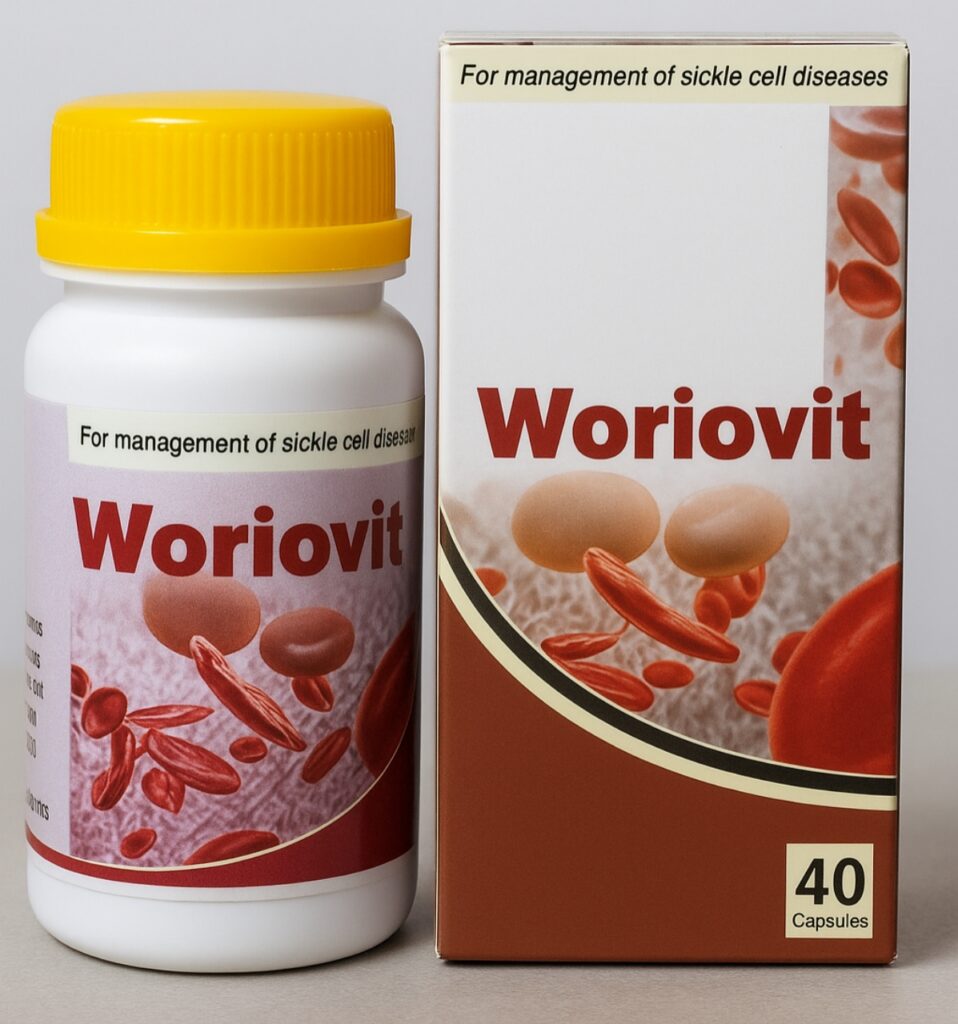
Woriovit® is a potent herbal capsule formulated and manufactured by Letonia Int’l Ltd, indicated for the supportive management of sickle cell disease.
The formulation draws on botanicals traditionally associated with:
• Antisickling activity
• Antioxidant protection
• Improved blood rheology
• Reduction of inflammatory stress
When produced under regulated standards and integrated responsibly with conventional care, such herbal formulations may:
✔ Reduce frequency of painful crises
✔ Improve overall well-being
✔ Support red cell stability
However, it is essential that herbal therapies:
• Comply with regulatory frameworks such as NAFDAC
• Undergo continuous quality control
• Be used as adjuncts—not replacements—for evidence-based medical care
Integrative approaches combining hydroxyurea therapy with validated herbal support represent a promising frontier in African SCD management.
8. Public Health Implications in Africa
Despite bearing the highest global SCD burden, many African countries lack:
• Newborn screening programs
• Affordable hydroxyurea access
• Specialized sickle cell clinics
• Public education campaigns
Strengthening health systems to support early diagnosis and comprehensive care could reduce childhood mortality by up to 70%.
 Abstract
Hypertension is a major global public health challenge and a leading contributor to cardiovascular morbidity and mortality. Its prevalence continues to rise particularly in low- and middle-income countries due to lifestyle transitions, urbanization, and metabolic risk factors. This article reviews the etiological determinants of hypertension, its underlying molecular mechanisms, systemic consequences, and current management strategies. Emphasis is placed on integrative approaches that combine conventional pharmacotherapy with evidence-based phytotherapeutics. A special focus is given to Hipakur® Capsules, a herbal cardiovascular health product by Letonia Int’l Ltd, highlighting its mechanistic potential in supporting blood pressure regulation and vascular protection. The review supports the adoption of comprehensive lifestyle medicine and natural bioactive interventions as essential components of sustainable hypertension management.
Introduction
Hypertension, commonly referred to as high blood pressure, is a chronic cardiovascular disorder characterized by persistent elevation of arterial pressure beyond normal physiological levels. According to the World Health Organization, blood pressure values of 140/90 mmHg or higher are widely used for diagnosis in many clinical settings, while newer guidelines recognize 130/80 mmHg as the threshold for increased cardiovascular risk. Hypertension is responsible for over ten million deaths annually and is a major risk factor for stroke, myocardial infarction, heart failure, and renal disease.
The burden of hypertension is rapidly increasing across sub-Saharan Africa, including Nigeria, due to urban dietary changes, reduced physical activity, psychosocial stress, obesity, and inadequate preventive healthcare. Despite the availability of effective pharmacological treatments, control rates remain low, underscoring the need for holistic and culturally adaptable management approaches.
Causes and Risk Factors of Hypertension
Hypertension develops through complex interactions between genetic susceptibility and environmental influences. The majority of cases are classified as primary or essential hypertension, in which no single causative disease is identified. Instead, sustained elevation of blood pressure arises from high sodium intake, poor dietary quality, obesity, insulin resistance, sedentary lifestyles, chronic stress, excessive alcohol consumption, and inherited vascular traits.
Genetic studies reveal multiple polymorphisms affecting renal sodium handling, sympathetic nervous system activity, endothelial function, and hormonal regulation, all contributing to long-term blood pressure elevation.
Secondary hypertension accounts for a smaller proportion of cases and results from identifiable conditions such as chronic kidney disease, endocrine disorders including hyperaldosteronism and thyroid abnormalities, obstructive sleep apnea, and medication-induced vascular effects.
Molecular and Cellular Mechanisms Underlying Hypertension
The development and progression of hypertension are driven by interconnected molecular pathways that influence vascular tone, fluid balance, and inflammatory responses.
One of the central regulatory systems is the renin–angiotensin–aldosterone system. Excessive activation of this pathway leads to increased production of angiotensin II, a potent vasoconstrictor that narrows blood vessels, stimulates aldosterone-mediated sodium and water retention, promotes vascular smooth muscle proliferation, and enhances oxidative stress. These combined effects raise systemic vascular resistance and blood volume, sustaining elevated blood pressure.
Endothelial dysfunction is another critical mechanism. The vascular endothelium normally releases nitric oxide, which maintains vessel relaxation and inhibits inflammation. In hypertensive states, oxidative stress reduces nitric oxide availability while increasing pro-inflammatory cytokines and adhesion molecules. This shift promotes arterial stiffness, impaired vasodilation, and accelerated atherosclerosis.
Sympathetic nervous system hyperactivity also plays a major role by increasing heart rate, cardiac output, and peripheral vascular resistance. Chronic stress, obesity, and metabolic disorders further stimulate sympathetic overdrive, reinforcing hypertensive cycles.
Oxidative stress and low-grade inflammation are now recognized as central drivers of vascular damage in hypertension. Excess reactive oxygen species generated through NADPH oxidase activation damage endothelial cells, amplify angiotensin signaling, and trigger inflammatory cascades that worsen vascular dysfunction.
Clinical Consequences of Uncontrolled Hypertension
Persistent elevation of blood pressure progressively damages target organs through mechanical stress and biochemical injury. Cardiovascular complications include left ventricular hypertrophy, coronary artery disease, heart failure, and aortic aneurysms. In the brain, hypertension is the leading cause of ischemic and hemorrhagic stroke and contributes significantly to vascular dementia and cognitive decline.
Renal involvement manifests as nephrosclerosis, proteinuria, and eventual chronic kidney failure. In the eyes, microvascular damage leads to hypertensive retinopathy and potential vision loss. These systemic effects highlight why hypertension is among the most destructive yet preventable chronic diseases.
Conventional Management Strategies
Lifestyle modification remains the foundation of hypertension control. Dietary approaches emphasizing reduced sodium intake, increased fruits and vegetables, whole grains, and healthy fats—such as the DASH and Mediterranean diets—demonstrate significant blood pressure reduction. Regular physical activity improves vascular elasticity, insulin sensitivity, and weight control, while stress management techniques lower sympathetic overactivity.
Pharmacological therapy is often necessary and includes diuretics, angiotensin-converting enzyme inhibitors, angiotensin receptor blockers, calcium channel blockers, and beta blockers. Although effective, long-term adherence challenges and medication side effects drive growing interest in complementary therapeutic strategies.
 Role of Phytotherapeutics in Blood Pressure Regulation
Medicinal plants have been used for centuries to manage cardiovascular conditions and are now increasingly supported by scientific research. Many phytochemicals exert antihypertensive effects by inhibiting angiotensin-converting enzyme activity, enhancing nitric oxide production, reducing oxidative stress, improving lipid metabolism, and promoting mild diuresis.
Garlic has been shown to improve endothelial function and reduce systolic and diastolic blood pressure through nitric oxide release and RAAS modulation. Hibiscus demonstrates ACE-inhibitory and diuretic properties. Hawthorn improves myocardial contractility and vascular relaxation. Olive leaf polyphenols exhibit antioxidant and vasodilatory effects, while ginger and turmeric reduce inflammation contributing to vascular stiffness.
These natural agents provide complementary benefits when integrated with lifestyle and medical therapies.
Hipakur® Capsules and Cardiovascular Health Support
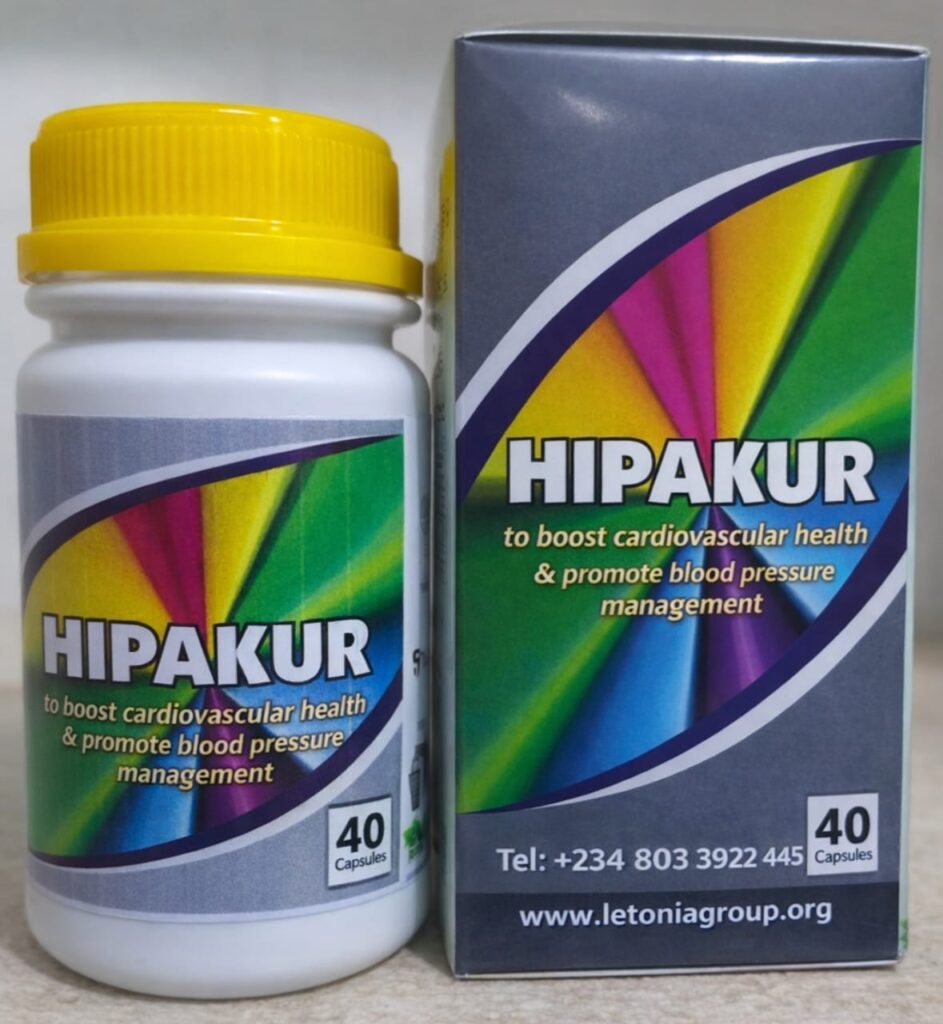
Hipakur® Capsules, a quality herbal formulation produced by Letonia Int’l Ltd, are designed to support cardiovascular wellness and promote healthy blood pressure regulation. The formulation integrates bioactive plant compounds traditionally and scientifically associated with vascular protection, antioxidant defense, and circulatory enhancement.
Through mechanisms such as nitric oxide pathway activation, free radical scavenging, modulation of the renin–angiotensin system, and improvement of lipid and glucose metabolism, Hipakur® contributes to reduced vascular resistance and improved arterial elasticity. These effects align with contemporary integrative cardiology strategies aimed at restoring endothelial balance and reducing chronic inflammation.
When used alongside healthy lifestyle practices and prescribed antihypertensive medications where necessary, Hipakur® Capsules represent a potent natural remedy for long-term cardiovascular health promotion.
Integrative Approach to Hypertension Management
Optimal hypertension control is achieved through a comprehensive model combining lifestyle modification, pharmacological therapy, patient education, and evidence-based natural interventions. This approach enhances adherence, minimizes complications, and addresses the underlying metabolic and inflammatory drivers of disease progression.
Community-level education, early screening programs, and culturally relevant dietary interventions are especially critical in African populations experiencing rapid lifestyle transitions.
 Conclusion
Hypertension is a multifactorial chronic disease driven by complex molecular, genetic, and lifestyle factors that progressively impair vascular function and organ health. While conventional drug therapy remains essential, integrative management strategies incorporating dietary modification, physical activity, stress control, and validated phytotherapeutics offer superior long-term outcomes. Herbal cardiovascular support products such as Hipakur® Capsules provide promising benefits by targeting oxidative stress, endothelial dysfunction, and hormonal regulation pathways. A holistic, prevention-focused approach is essential to reducing the growing burden of hypertension in Nigeria and globally.
PS: Dr. Emereonye could be reached on: +234 803 3922 445.
References
Ataklte, F., Erqou, S., Kaptoge, S., Taye, B., Echouffo-Tcheugui, J. B., & Kengne, A. P. (2015). Burden of undiagnosed hypertension in sub-Saharan Africa. Hypertension, 65(2), 291–298.
Ehret, G. B., et al. (2016). Genetics of blood pressure regulation. Nature Reviews Genetics, 17(9), 523–536.
Förstermann, U., & Münzel, T. (2006). Endothelial nitric oxide synthase in vascular disease. Circulation, 113(13), 1708–1714.
Harrison, D. G., Coffman, T. M., & Wilcox, C. S. (2021). Pathophysiology of hypertension. Journal of the American College of Cardiology, 77(20), 2561–2578.
Mills, K. T., et al. (2020). Global disparities of hypertension prevalence. Nature Reviews Nephrology, 16, 223–237.
Santos, R. A. S., et al. (2018). The renin-angiotensin system. Physiological Reviews, 98(1), 505–553.
Serban, M. C., et al. (2019). Effects of herbal supplements on blood pressure. Phytotherapy Research, 33(3), 603–615.
World Health Organization. (2023). Global report on hypertension.
 Religious fasting serves a spiritual purpose; however, individuals should assess their health status before undertaking it, as pre‑existing conditions may be exacerbated. Consulting a healthcare professional is advisable for those with chronic illnesses, such as ulcer, diabetes or hypertension, to ensure that fasting does not compromise their well‑being. By taking these precautions, one can pursue spiritual objectives safely and responsibly.
Fasting has remained one of the most enduring spiritual disciplines across human civilizations, deeply embedded in Christianity, Islam, Judaism, Hinduism, Buddhism, and traditional African spiritual systems. Historically, fasting has been viewed as a means of purification, spiritual sensitivity, repentance, and divine connection. Yet beyond its metaphysical intentions, fasting exerts profound physiological effects that modern science is only beginning to fully elucidate. The human organism evolved under conditions of intermittent food availability rather than constant caloric abundance, embedding adaptive biological pathways designed to optimize survival during periods of scarcity. These pathways regulate energy metabolism, cellular repair, immune defense, and neuroendocrine balance. Contemporary lifestyles characterized by continuous feeding and caloric excess suppress many of these protective mechanisms, contributing to the global rise of metabolic and inflammatory diseases. Religious fasting therefore represents not only a spiritual practice but also a potent biological intervention capable of reshaping health trajectories when applied appropriately.
In the early stages of fasting, the body transitions from exogenous glucose dependence to endogenous energy mobilization. Circulating glucose from the previous meal is rapidly consumed, prompting a decline in insulin secretion. This decline is accompanied by increased glucagon, catecholamines, and cortisol, hormones that facilitate glycogen breakdown and gluconeogenesis. Liver glycogen stores, which typically sustain blood glucose for approximately twelve to twenty-four hours, become depleted, forcing a metabolic shift toward fatty acid oxidation and ketogenesis. This transition is tightly regulated by AMP-activated protein kinase (AMPK), a master metabolic sensor activated by cellular energy stress. AMPK enhances glucose uptake in skeletal muscle, promotes lipolysis in adipose tissue, inhibits lipid synthesis in the liver, and stimulates mitochondrial biogenesis. These coordinated actions improve metabolic efficiency and restore insulin responsiveness, counteracting the pathological insulin resistance underlying obesity, type 2 diabetes, and cardiovascular disease.
Concurrently, fasting suppresses mechanistic target of rapamycin (mTOR) signaling, a nutrient-sensitive pathway that drives cellular growth and protein synthesis in times of abundance. Chronic mTOR overactivation, common in overnutrition, accelerates cellular aging, oxidative stress, and inflammatory signaling. Its inhibition during fasting initiates autophagy, a conserved intracellular housekeeping process through which damaged organelles, misfolded proteins, and oxidative byproducts are degraded and recycled. Autophagy restores cellular integrity, improves mitochondrial function, and reduces inflammatory load. Experimental models consistently demonstrate that enhanced autophagic flux protects against neurodegeneration, metabolic dysfunction, and malignant transformation. In humans, fasting-induced autophagy is increasingly recognized as a central mechanism linking caloric restriction to longevity and disease prevention.
The metabolic reprogramming of fasting is further amplified by activation of sirtuin proteins, particularly SIRT1, which are NAD⁺-dependent deacetylases responsive to cellular energy status. Fasting elevates NAD⁺ levels, thereby stimulating sirtuins that regulate gene expression involved in oxidative metabolism, mitochondrial health, DNA repair, and inflammation suppression. Through interactions with peroxisome proliferator-activated receptor gamma coactivator 1-alpha (PGC-1α), sirtuins enhance mitochondrial biogenesis and fatty acid oxidation while dampening inflammatory transcription factors such as NF-κB. This molecular synergy between AMPK, mTOR inhibition, autophagy, and sirtuin activation constitutes the core longevity network activated by fasting.
As carbohydrate availability declines, hepatic ketogenesis increases, producing ketone bodies including acetoacetate, acetone, and β-hydroxybutyrate. These molecules serve as efficient alternative fuels for the brain, heart, and skeletal muscle while exerting powerful signaling effects. β-hydroxybutyrate inhibits class I histone deacetylases, upregulating genes involved in antioxidant defense, stress resistance, and metabolic adaptation. It also suppresses the NLRP3 inflammasome, a key driver of chronic inflammation implicated in cardiovascular disease, diabetes, and neurodegeneration. Through these epigenetic and immunomodulatory actions, ketones transform fasting from a mere energy deprivation state into a systemic anti-inflammatory and neuroprotective program.
The clinical implications of these molecular adaptations are extensive. Insulin sensitivity improves significantly as fasting reduces ectopic fat deposition and restores insulin receptor responsiveness. Blood pressure often decreases due to reduced insulin-mediated sodium retention and improved vascular endothelial function. Lipid profiles shift favorably, with reductions in triglycerides and small dense LDL particles that contribute to atherosclerosis. Inflammatory biomarkers such as C-reactive protein and interleukin-6 decline, reflecting systemic immune recalibration. Together, these changes reduce cardiometabolic risk and slow the progression of chronic degenerative diseases.
 Micronutrient deficiencies represent a subtler but clinically significant consequence of extended fasting. Water-soluble vitamins such as B-complex vitamins are rapidly depleted, impairing energy metabolism and neurological function. Minerals including iron, zinc, selenium, and magnesium decline, weakening immune defenses and enzymatic systems. Hormonal disturbances may emerge as thyroid hormone conversion decreases to conserve energy, while reproductive hormone levels may fall in response to chronic caloric deficit, leading to menstrual irregularities and reduced fertility in women.
Perhaps the most dangerous complication following prolonged fasting is refeeding syndrome, a metabolic cascade triggered by sudden carbohydrate reintroduction. The rapid insulin surge drives phosphate, potassium, and magnesium into cells, precipitating severe electrolyte depletion in the bloodstream. This can result in cardiac failure, respiratory distress, and neurological collapse. Gradual, protein-focused refeeding is therefore essential after extended fasts.
Integrative medicine provides practical strategies to harness fasting’s therapeutic benefits while minimizing risks. Adequate hydration remains foundational, ideally supplemented with natural electrolytes derived from lightly salted vegetable broths, coconut water, or mineral-rich herbal infusions. These support cardiac and neuromuscular stability while maintaining fluid balance. Anti-inflammatory botanicals such as turmeric and ginger modulate NF-κB signaling and oxidative stress, complementing fasting’s intrinsic inflammatory suppression. Green tea polyphenols enhance AMPK activation and mitochondrial efficiency, reinforcing metabolic adaptation.
Adaptogenic herbs including ashwagandha and rhodiola support hypothalamic-pituitary-adrenal axis balance, reducing excessive cortisol secretion during prolonged caloric stress. By stabilizing stress responses, these botanicals help preserve muscle mass, immune function, and psychological well-being. Gut-supportive agents such as aloe vera juice may soothe mucosal integrity and support hydration, particularly during water-based fasts.
The refeeding phase offers an opportunity to consolidate fasting-induced metabolic improvements. Protein-rich, micronutrient-dense foods restore lean tissue and replenish depleted reserves while minimizing insulin spikes. Traditional options such as bone broth provide collagen, amino acids, and minerals, while legumes, fermented foods, leafy greens, eggs, and moringa leaves supply essential vitamins, antioxidants, and trace elements. Gradual caloric escalation allows metabolic pathways to stabilize without triggering refeeding complications.
Clinically, fasting must be individualized. Time-restricted eating protocols of twelve to sixteen hours daily and twenty-four-hour fasts once or twice weekly achieve many molecular benefits with minimal risk. Modified fasts incorporating electrolyte and herbal support provide an intermediate approach for individuals seeking deeper spiritual engagement without physiological compromise. Prolonged multi-day fasts should ideally occur under medical supervision, particularly for those with chronic disease.
Cultural and ethical sensitivity is essential in clinical guidance around religious fasting. Spiritual motivations are deeply personal and often non-negotiable. Healthcare providers should collaborate with patients to modify fasting practices in ways that preserve spiritual meaning while protecting physiological safety. This may include hydration allowances, medication adjustments, electrolyte supplementation, and education on warning signs of complications.

 Abstract
Cancer remains one of the leading causes of morbidity and mortality globally, yet public perception of the disease continues to be shaped by myths, fear, stigma, and misinformation. These misconceptions are particularly consequential in low- and middle-income countries, including those in Africa, where late presentation and poor health-seeking behaviour contribute significantly to preventable deaths. This article critically examines cancer through the lenses of myth versus fact, scientific understanding, and contemporary management strategies. Emphasis is placed on prevention, early detection, conventional oncology, and the responsible integration of herbal medicine within an evidence-based framework. Using Nigeria as a case study, the paper analyzes epidemiological trends, cultural factors, regulatory oversight by the National Agency for Food and Drug Administration and Control (NAFDAC), and the emerging concept of herbaceutics. The article argues that dismantling myths, strengthening regulation, and promoting responsible integrative oncology are essential for improving cancer outcomes in Africa.
Keywords: Cancer myths, oncology, Africa, Nigeria, herbal medicine, herbaceutics, integrative oncology, NAFDAC
1. Introduction
Cancer occupies a unique position among human diseases, evoking fear disproportionate to many other chronic illnesses. For millions, a cancer diagnosis is perceived not as a medical condition to be managed, but as a definitive verdict of suffering and death. This perception persists despite decades of advances that have transformed cancer care globally.
According to the World Health Organization (WHO), cancer accounts for nearly 10 million deaths annually, making it a leading cause of mortality worldwide. However, outcomes differ sharply between regions. While survival rates have improved markedly in high-income countries, low- and middle-income countries—particularly in Africa—continue to experience disproportionately high mortality. This disparity is driven less by biological differences and more by late diagnosis, weak health systems, limited access to care, poverty, and entrenched misconceptions.
Cancer is not a single disease but a heterogeneous group of disorders characterized by uncontrolled cell growth and the potential for invasion and metastasis. Effective cancer control therefore requires not only biomedical intervention but also public education, cultural engagement, policy coherence, and regulatory discipline.
2. Cancer Myths and Public Perception
2.1 Cancer as a Death Sentence
One of the most pervasive myths surrounding cancer is that it is invariably fatal. In reality, many cancers are curable or controllable, particularly when detected early. For example, five-year survival rates for early-stage breast, cervical, prostate, and colorectal cancers exceed 80–90% in well-resourced settings.
In Africa and Nigeria, however, the myth of inevitability discourages early presentation and screening, creating a self-fulfilling prophecy of poor outcomes.
2.2 Spiritual and Supernatural Explanations
In many African societies, cancer is commonly attributed to curses, witchcraft, ancestral punishment, or spiritual attacks. While spirituality can provide emotional support, there is no scientific evidence linking supernatural forces to cancer causation. Such beliefs often redirect patients away from timely medical care toward unregulated spiritual or traditional interventions.
2.3 Fear of Diagnosis and Treatment
Fear of surgery, chemotherapy, and radiotherapy remains widespread. Myths such as “surgery causes cancer to spread” or “chemotherapy kills faster than cancer” persist despite overwhelming clinical evidence to the contrary. These misconceptions contribute significantly to late-stage presentation.
2.4 Stigma and Silence
Cancer-related stigma leads many patients to conceal symptoms and diagnoses. In some communities, cancer is viewed as contagious or shameful, compounding psychological distress and delaying care.
3. Scientific Understanding of Cancer
Cancer arises from genetic mutations that disrupt normal cellular regulation. These mutations may be inherited or acquired through environmental exposures, lifestyle factors, infections, or aging.
3.1 Hallmarks of Cancer
Key biological features include:
- Sustained proliferative signaling
- Resistance to apoptosis
- Genomic instability
- Angiogenesis
- Invasion and metastasis
(Hanahan & Weinberg, 2011)
3.2 Risk Factors
Major risk factors include:
- Tobacco use
- Harmful alcohol consumption
- Obesity and physical inactivity
- Poor diet
- Environmental and occupational carcinogens
- Chronic infections (HPV, HBV, HCV, H. pylori)
- Radiation exposure
- Genetic predisposition
The WHO estimates that 30–50% of cancers are preventable through effective risk reduction.
4. Cancer in Africa and Nigeria: Epidemiology and Systemic Gaps
4.1 Africa’s Cancer Burden
Africa records approximately 1.1 million new cancer cases and over 700,000 deaths annually, with projections indicating a doubling by 2040 (GLOBOCAN 2020). Mortality-to-incidence ratios remain among the highest globally.
4.2 Nigeria’s Cancer Profile
Nigeria contributes significantly to Africa’s cancer burden:
- ~124,000 new cases annually
- ~78,000 deaths per year
- Over 70% present at Stage III or IV disease
The most common cancers include:
- Breast and cervical cancers (women)
- Prostate cancer (men)
- Colorectal and liver cancers
Notably, cervical and liver cancers—both largely preventable—remain highly prevalent, reflecting gaps in vaccination, screening, and awareness.
5. Prevention and Early Detection
5.1 Primary Prevention
Effective strategies include:
- Tobacco control
- Healthy diet and physical activity
- HPV and Hepatitis B vaccination
- Environmental and occupational safety
5.2 Screening and Early Diagnosis
Evidence-based screening includes:
- Cervical cancer: Pap smear / HPV testing
- Breast cancer: Mammography
- Colorectal cancer: FOBT / colonoscopy
- Prostate cancer: Risk-based PSA testing
In Nigeria, the absence of organized national screening programmes remains a major barrier.
6. Conventional Cancer Management
6.1 Surgery
Surgery remains the cornerstone of curative treatment for localized cancers.
6.2 Radiotherapy
Radiotherapy plays curative, adjuvant, and palliative roles, yet access in Nigeria remains limited.
6.3 Chemotherapy
Chemotherapy remains central to systemic cancer treatment, with supportive care improving tolerability.
6.4 Targeted Therapy and Immunotherapy
These innovations have revolutionized outcomes for selected cancers, though cost and access limit their availability in Africa.
 7. Integrative Oncology and Responsible Herbal Medicine
7.1 Integrative Oncology Defined
Integrative oncology combines evidence-based complementary therapies with conventional cancer treatment to improve quality of life and symptom control.
7.2 Herbal Medicine and Oncology: From Tradition to Science
Several modern anticancer drugs originated from plants:
- Paclitaxel (Taxus brevifolia)
- Vincristine and vinblastine (Catharanthus roseus)
- Camptothecin derivatives (Camptotheca acuminata) etc.
7.3 Nigerian and African Medicinal Plants of Oncological Interest:
Through ethnobotany, ethnomedicine and ethnopharmacy, many medicinal plants have shown promises in cancer management. Some examples include:
- Annona muricata: Cytotoxic acetogenins; neurotoxicity concerns
- Garcinia kola: Kolaviron with antioxidant and hepatoprotective effects
- Vernonia amygdalina: Antioxidant and antiproliferative activity
- Curcuma longa: Anti-inflammatory and adjunctive potential
- Nigella sativa: Thymoquinone with pro-apoptotic effects.
 By Livy-Elcon Emereonye
Every man gives what he has in abundance. People approach issues from their own views and understanding
Holistic healthcare provision, from the Letonia perspective, is both a philosophy and a disciplined practice anchored in one simple but radical conviction: health is not a commodity to be dispensed in fragments but a state of wholeness to be cultivated deliberately, intelligently, and ethically. It rejects the narrow reduction of human beings to organs, symptoms, or drug targets, and insists instead on seeing the person as a dynamic integration of biology, psychology, social relationships, culture, environment, and purpose. For Letonia, healthcare is not merely about surviving disease; it is about restoring balance, sustaining vitality, and enabling individuals and communities to function optimally over the long term.
Modern healthcare systems, for all their technological sophistication, often operate within a crisis-response model. People present when they are already sick, interventions are largely reactive, and success is measured by symptom suppression rather than by genuine recovery or resilience. Letonia’s approach challenges this paradigm. It affirms the value of biomedical science—diagnostics, pharmacology, surgery, and emergency care—while simultaneously exposing the dangers of over-medicalization, polypharmacy, and the neglect of root causes. In this sense, holistic care is not anti-science; it is post-reductionist science, one that acknowledges complexity and systems thinking as essential to understanding health and disease.
 Central to the Letonia perspective is the understanding that chronic diseases—hypertension, diabetes, cardiovascular disorders, autoimmune conditions, metabolic syndrome, and stress-related illnesses—are rarely the result of a single cause. They emerge from long-standing interactions between genetic predisposition, dietary patterns, physical inactivity, chronic stress, environmental toxins, poor sleep, and social dislocation. Treating such conditions with drugs alone may offer temporary control, but it often leaves the underlying drivers untouched. Holistic healthcare therefore prioritizes causation over mere correlation, asking not only “What disease does this person have?” but “Why has this person developed this condition at this time, in this context?”
Nutrition occupies a foundational place in Letonia’s model. Food is understood as information as much as fuel, shaping metabolic pathways, inflammatory responses, gut microbiota, hormonal balance, and immune competence. Evidence from nutritional epidemiology and clinical trials consistently links dietary patterns rich in whole foods—vegetables, fruits, legumes, whole grains, nuts, seeds, and healthy fats—with reduced risk of non-communicable diseases (Willett et al., 2019). Letonia’s holistic provision does not promote dietary dogma but encourages individualized nutritional strategies informed by science, culture, and practicality, recognizing that sustainable health emerges when dietary advice aligns with people’s lived realities.
Clinical herbal medicine, approached rigorously and responsibly, is another pillar of the Letonia perspective. Africa, and Nigeria in particular, is endowed with a rich pharmacopeia of medicinal plants whose therapeutic potential has sustained communities for centuries. However, Letonia insists that tradition alone is not enough. Herbal interventions must be subjected to scientific scrutiny—standardization, safety profiling, dose optimization, and clinical evaluation. Increasing evidence supports the efficacy of certain herbal preparations in managing conditions such as hypertension, mild depression, inflammatory disorders, and metabolic dysfunction when used appropriately (Ekor, 2014; Pan et al., 2013). By integrating validated herbal therapies with conventional care, Letonia seeks to expand therapeutic options without compromising patient safety.
 Ultimately, the Letonia perspective frames health as a state of dynamic balance rather than static perfection. Illness is not always an enemy to be crushed but sometimes a messenger revealing imbalance, overload, or neglect. The task of healthcare is to listen intelligently to that message and respond with interventions that restore harmony at multiple levels of human existence. In an era marked by rising chronic disease, escalating healthcare costs, and widespread dissatisfaction with purely biomedical solutions, holistic healthcare provision stands not as an alternative curiosity but as an essential evolution.
From this standpoint, Letonia’s vision is unapologetically forward-looking. It seeks to build systems that heal rather than merely manage, that prevent rather than perpetually react, and that honour both science and wisdom. Health, in this vision, is not the absence of disease but the presence of resilience, clarity, productivity, and meaning. That is the promise—and the responsibility—of holistic healthcare provision from the Letonia perspective. Yes, at Letonia the word, "incurable" is a myth as we continuously work towards providing replicable solutions to problems and cost-effective remedies for every disease. Come and partner with us.
PS: Dr. Emereonye could be reached on: +234 803 3922 445
References
Ekor, M. (2014). The growing use of herbal medicines: Issues relating to adverse reactions and challenges in monitoring safety. Frontiers in Pharmacology, 4, 177. https://doi.org/10.3389/fphar.2013.00177
Hibbard, J. H., & Greene, J. (2013). What the evidence shows about patient activation: Better health outcomes and care experiences; fewer data on costs. Health Affairs, 32(2), 207–214. https://doi.org/10.1377/hlthaff.2012.1061
McEwen, B. S., & Akil, H. (2020). Revisiting the stress concept: Implications for affective disorders. Journal of Neuroscience, 40(1), 12–21. https://doi.org/10.1523/JNEUROSCI.0733-19.2019
Pan, S. Y., Litscher, G., Gao, S. H., Zhou, S. F., Yu, Z. L., Chen, H. Q., Zhang, S. F., Tang, M. K., Sun, J. N., & Ko, K. M. (2013). Historical perspective of traditional indigenous medical practices: The current renaissance and conservation of herbal resources. Evidence-Based Complementary and Alternative Medicine, 2013, 525340. https://doi.org/10.1155/2013/525340
Willett, W., Rockström, J., Loken, B., Springmann, M., Lang, T., Vermeulen, S., Garnett, T., Tilman, D., DeClerck, F., Wood, A., et al. (2019). Food in the Anthropocene: The EAT–Lancet Commission on healthy diets from sustainable food systems. The Lancet, 393(10170), 447–492. https://doi.org/10.1016/S0140-6736(18)31788-4
World Health Organization. (2023). Noncommunicable diseases: Key facts. https://www.who.int/news-room/fact-sheets/detail/noncommunicable-diseases