
World Brain Tumor Day 2026: A Closer Look at Brain Tumors—Understanding the Disease, Advancing Care, and Exploring Integrative Management Approaches By Livy-Elcon Emereonye
World Brain Tumor Day 2026: A Closer Look at Brain Tumors—Understanding the Disease, Advancing Care, and Exploring Integrative Management Approaches
By Livy-Elcon Emereonye
Introduction
World Brain Tumor Day, observed annually on June 8, is dedicated to raising awareness about brain tumors, supporting affected individuals and families, and promoting scientific research aimed at improving prevention, diagnosis, treatment, and quality of life. The theme for World Brain Tumor Day 2026, "A Closer Look," encourages healthcare professionals, researchers, policymakers, patients, and the general public to look beyond the diagnosis and gain a deeper understanding of the disease and its far-reaching effects.
Taking a closer look at brain tumors reveals not only the biological complexity of these conditions but also the physical, emotional, social, economic, and psychological burdens they impose. It also invites discussion on comprehensive and patient-centered care models, including evidence-based integrative approaches that combine conventional medicine with supportive therapies aimed at improving overall wellbeing.
While surgery, radiotherapy, chemotherapy, targeted therapies, and emerging immunotherapies remain the cornerstone of brain tumor treatment, there is growing recognition that optimal patient care extends beyond tumor removal or control. Patients frequently seek complementary strategies to manage symptoms, reduce treatment-related side effects, improve quality of life, and enhance psychological resilience. This has led to increasing interest in integrative oncology, including the appropriate use of nutrition, physical rehabilitation, mind-body therapies, and selected herbal medicines.
Understanding Brain Tumors
A brain tumor is an abnormal growth of cells within the brain or surrounding tissues. Brain tumors may be benign (non-cancerous) or malignant (cancerous), and may arise within the brain itself (primary tumors) or spread from cancers elsewhere in the body (secondary or metastatic tumors).
Common primary brain tumors include: i. Glioblastoma ii. Astrocytoma iii. Meningioma iv. Oligodendroglioma v. Ependymoma vi. Medulloblastoma etc
Brain tumors differ from many other cancers because even benign growths can be life-threatening when they compress critical areas responsible for breathing, movement, speech, memory, vision, or consciousness.
The Burden of Brain Tumors
Brain and central nervous system tumors account for a relatively small proportion of all cancers globally, yet they remain among the most disabling and deadly forms of cancer.
The burden extends beyond mortality statistics. Patients often experience:
Cognitive impairment
Personality changes
Loss of independence
Neurological disability
Emotional distress
Economic hardship
In low- and middle-income countries, including many parts of Africa, challenges such as delayed diagnosis, inadequate specialist services, limited access to advanced imaging, and high treatment costs contribute to poorer outcomes.
Conventional Management: The Foundation of Treatment
Before discussing integrative approaches, it is important to emphasize that conventional medical treatment remains the primary and scientifically established management strategy for brain tumors today.
These treatments include:
Surgery
Surgical removal of the tumor often represents the first line of treatment. Surgery may help:
Confirm diagnosis
Reduce tumor burden
Relieve pressure on surrounding brain tissue
Improve neurological symptoms
Radiotherapy
Radiation therapy uses high-energy radiation to destroy cancer cells and reduce tumor growth.
Chemotherapy
Medications such as temozolomide are commonly used in malignant brain tumors, particularly glioblastoma.
Targeted Therapies
These treatments focus on specific molecular abnormalities that drive tumor growth.
Immunotherapy
Researchers continue to explore therapies that stimulate the body's immune system to recognize and attack cancer cells.
Patients should never replace medically recommended treatments with alternative therapies, especially in potentially life-threatening conditions such as brain tumors.
A Closer Look at Integrative Brain Tumor Care
Modern healthcare increasingly recognizes the value of an integrative management approach, which combines evidence-based conventional treatment with scientifically supported complementary interventions.
Integrative medicine does not reject conventional medicine. Instead, it seeks to optimize patient outcomes by addressing the whole person—body, mind, and social environment.
The goals of integrative care include:
Symptom relief
Improved quality of life
Better nutritional status
Reduced stress and anxiety
Enhanced physical functioning
Improved treatment tolerance
Psychological support
This approach is particularly valuable because brain tumor patients often face long-term neurological, emotional, and social challenges.
Nutrition in Brain Tumor Care
Nutrition plays a crucial role in supporting patients undergoing surgery, chemotherapy, or radiotherapy.
Cancer-related malnutrition can lead to:
Weakness
Increased infection risk
Poor wound healing
Reduced treatment tolerance
Patients should be encouraged to consume balanced diets rich in:
Fruits
Vegetables
Whole grains
Lean proteins
Healthy fats
Certain dietary patterns, including Mediterranean-style diets, have been associated with improved overall health outcomes and reduced inflammation.
However, patients should be cautious about unverified "cancer cure diets" promoted online.
Physical Activity and Rehabilitation
Appropriate physical activity may improve:
Strength
Mobility
Balance
Mood
Sleep quality
Fatigue levels
Rehabilitation services can help patients regain lost function after surgery or treatment.
These may include:
Physiotherapy
Occupational therapy
Speech therapy
Neurocognitive rehabilitation
Mind-Body Interventions
The psychological burden of brain tumors can be profound.
Evidence suggests that mind-body approaches may help reduce:
Anxiety
Depression
Stress
Insomnia
Examples include:
Meditation
Mindfulness meditation may improve emotional wellbeing and coping ability.
Yoga
Modified yoga programs may enhance flexibility, balance, and mental health.
Breathing Exercises
Controlled breathing techniques may reduce stress responses and promote relaxation.
Psychological Counseling
Professional counseling can help patients and caregivers navigate emotional challenges.
A Closer Look at Herbal Medicine
Herbal medicine has been used for thousands of years across various traditional healing systems, including African Traditional Medicine, Traditional Chinese Medicine, Ayurveda, and Western herbalism.
Many patients with brain tumors explore herbal therapies seeking symptom relief, immune support, or improved wellbeing.
However, it is crucial to distinguish between evidence-based supportive use and unsubstantiated claims of cure.
Important Clarification
At present, there is no herbal medicine that has been conclusively proven through large-scale clinical trials to cure brain tumors or replace standard oncological treatment.
Claims that specific herbs can completely eliminate brain tumors should be viewed with caution unless supported by rigorous scientific evidence.
Herbal Medicines Under Scientific Investigation
Several medicinal plants contain bioactive compounds that have attracted scientific interest.
These include:
Turmeric (Curcuma longa)
Curcumin, the major active constituent of turmeric, has demonstrated:
Anti-inflammatory effects
Antioxidant activity
Potential anti-cancer properties in laboratory studies
Research suggests curcumin may influence signaling pathways involved in glioblastoma growth. However, clinical evidence remains limited, and more studies are required.
Green Tea (Camellia sinensis)
Green tea contains epigallocatechin gallate (EGCG), a compound studied for:
Antioxidant effects
Potential anti-tumor activity
Laboratory studies suggest possible benefits, but clinical evidence remains insufficient for treatment recommendations.
Medicinal Mushrooms
Species such Reishi (Ganoderma lucidum), Turkey Tail (Trametes versicolor) etc contain compounds with immune-modulating properties.
Research is ongoing regarding their supportive role in cancer care.
Ashwagandha (Withania somnifera)
Some laboratory studies suggest potential anti-cancer activity, but robust human studies in brain tumor patients remain limited.
Potential Benefits of Herbal Medicine in Integrative Care
When prescribed appropriately by qualified professionals, certain herbal preparations may assist in:
Symptom Management
Some herbs may help alleviate:
Fatigue
Anxiety
Sleep disturbances
Mild digestive complaints
Supporting General Wellbeing
Herbal therapies may contribute to:
Stress reduction
Improved appetite
Enhanced quality of life
Anti-inflammatory Support
Certain plant-derived compounds exhibit anti-inflammatory effects that may complement broader supportive care strategies.
Safety Considerations in Herbal Medicine
Taking a closer look at herbal medicine also means examining its limitations and risks.
Natural does not always mean safe.
Some herbal products may:
Interact with chemotherapy drugs
Affect blood clotting
Alter liver metabolism
Increase surgical risks
Cause allergic reactions
Examples include:
Ginkgo biloba
Garlic supplements
St. John's Wort etc
Patients should therefore inform their healthcare providers about all herbal products, supplements, and traditional remedies they are using.
An integrative approach requires collaboration between oncologists, pharmacists, herbal medicine practitioners, and other healthcare professionals.
The Future of Integrative Neuro-Oncology
The emerging field of integrative neuro-oncology seeks to combine:
Evidence-based conventional treatment
Nutritional interventions
Exercise medicine
Psychological support
Selected complementary therapies
Future research may help clarify:
Which herbal compounds have genuine therapeutic value
Optimal dosages and formulations
Potential interactions with conventional treatments
Long-term safety profiles
Well-designed clinical trials are essential before widespread recommendations can be made.
Public Health Implications
From a public health perspective, integrative brain tumor care should focus on:
Patient Education
Patients need access to accurate information regarding:
Treatment options
Complementary therapies
Herbal medicine safety
Research Investment
More funding is needed for:
Neuro-oncology research
Integrative medicine studies
African medicinal plant research
Regulation of Herbal Products
Governments should strengthen regulatory oversight to ensure:
Product quality
Safety
Accurate labeling
Protection against fraudulent claims
Multidisciplinary Collaboration
Improved communication among healthcare providers can help patients receive coordinated and safe care.
Conclusion
The theme "A Closer Look" for World Brain Tumor Day 2026 challenges us to look beyond the tumor itself and appreciate the broader realities faced by patients and families. Brain tumors remain among the most complex medical conditions, requiring advances in science, healthcare delivery, patient support, and public awareness.
Conventional therapies such as surgery, radiotherapy, chemotherapy, targeted therapy, and immunotherapy remain the foundation of treatment. However, a growing body of evidence supports the role of integrative approaches in enhancing quality of life, reducing symptom burden, and supporting holistic patient care.
Nutrition, physical rehabilitation, psychological support, mind-body practices, and carefully selected herbal medicines may contribute meaningfully to comprehensive care when used responsibly and under professional supervision. Nevertheless, herbal medicine should complement—not replace—evidence-based medical treatment.
As we commemorate World Brain Tumor Day 2026, let us embrace a closer look that combines scientific rigor, compassionate care, responsible integration of traditional knowledge, and a commitment to improving outcomes for all those affected by brain tumors.
PS: Dr. Emereonye could be reached on: +234 803 3922 445
References
1. World Health Organization (WHO). Cancer Fact Sheets. https://www.who.int
2. International Agency for Research on Cancer (IARC). Global Cancer Observatory (GLOBOCAN). https://gco.iarc.fr
3. National Cancer Institute. Adult Central Nervous System Tumors Treatment (PDQ®). https://www.cancer.gov
4. Louis DN, Perry A, Wesseling P, et al. The 2021 WHO Classification of Tumors of the Central Nervous System. Neuro-Oncology. 2021;23(8):1231–1251.
5. Ostrom QT, Price M, Neff C, et al. CBTRUS Statistical Report: Primary Brain and Other CNS Tumors. Neuro-Oncology. 2024.
6. Society for Integrative Oncology (SIO). Clinical Practice Guidelines in Integrative Oncology.
7. National Center for Complementary and Integrative Health (NCCIH). Herbs at a Glance. https://www.nccih.nih.gov
8. Aggarwal BB, Harikumar KB. Potential Therapeutic Effects of Curcumin. International Journal of Biochemistry & Cell Biology. 2009.
9. National Comprehensive Cancer Network (NCCN). Guidelines for Central Nervous System Cancers.
10. Greenlee H, Balneaves LG, Carlson LE, et al. Clinical Practice Guidelines on the Use of Integrative Therapies in Cancer Care. CA: A Cancer Journal for Clinicians. 2017.



 Introduction
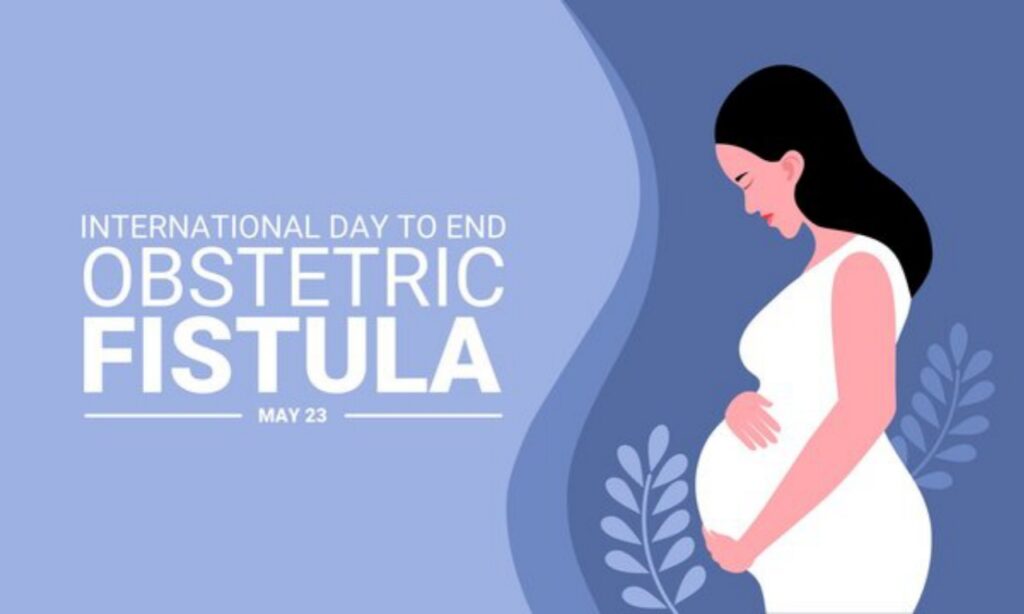
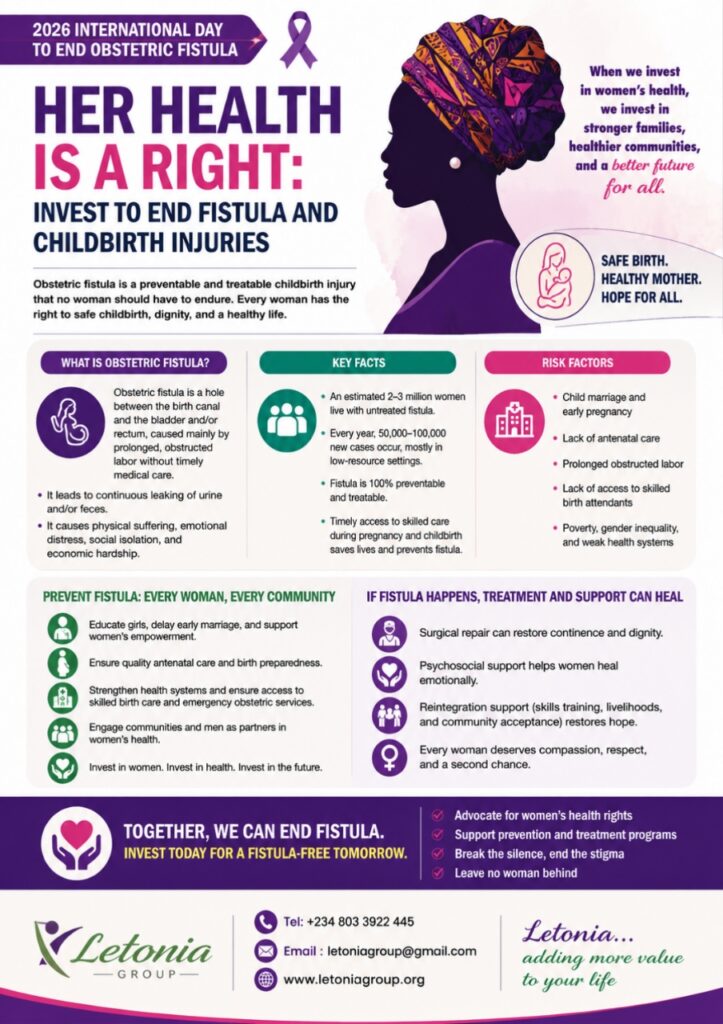
Every year, the International Day to End Obstetric Fistula draws global attention to one of the most devastating yet preventable childbirth injuries affecting women and girls, particularly in low- and middle-income countries. The 2026 theme, “Her Health Is a Right: Invest to End Fistula and Childbirth Injuries,” highlights the urgent need for governments, healthcare institutions, development partners, and communities to prioritize maternal healthcare investments, gender equity, skilled birth attendance, and access to quality obstetric services.
Obstetric fistula remains a profound public health challenge and a symbol of global inequities in healthcare access. It reflects failures in maternal health systems, poverty reduction, education, women’s empowerment, and emergency obstetric care. Beyond the physical injury, obstetric fistula carries devastating psychological, social, emotional, economic, and reproductive consequences.
The World Health Organization (WHO) describes obstetric fistula as one of the most serious childbirth injuries, resulting primarily from prolonged obstructed labor without timely medical intervention. Women living with fistula often experience chronic urinary or fecal incontinence, social isolation, stigma, infertility, recurrent infections, depression, and economic hardship.
Ending obstetric fistula requires more than surgical intervention alone. It demands a comprehensive public health approach that addresses the social determinants of health, maternal healthcare financing, nutrition, girl-child education, reproductive rights, community awareness, and access to safe childbirth services. Integrative healthcare approaches can also contribute significantly to prevention, rehabilitation, psychosocial support, and long-term wellbeing.
This work explores the epidemiology, causes, risk factors, consequences, prevention strategies, treatment options, policy implications, and integrative management approaches to obstetric fistula within the framework of the 2026 global theme.
Understanding Obstetric Fistula
Obstetric fistula is an abnormal opening between the birth canal and the bladder or rectum caused mainly by prolonged obstructed labor. The most common forms include:
Vesicovaginal fistula (VVF): between the bladder and vagina
Rectovaginal fistula (RVF): between the rectum and vagina
Ureterovaginal fistula: involving the ureter and vagina
The condition develops when prolonged pressure from the baby’s head cuts off blood supply to tissues in the pelvis during obstructed labor. This tissue subsequently dies, leaving a hole through which urine or feces leak uncontrollably.
In many cases, the baby does not survive the prolonged labor, resulting in both maternal injury and stillbirth.
Global Burden and Epidemiology
According to the United Nations Population Fund (UNFPA), approximately 50,000 to 100,000 new cases of obstetric fistula occur annually worldwide, while over two million women are estimated to be living with untreated fistula, mainly in sub-Saharan Africa and South Asia.
Countries with weak maternal healthcare systems, high rates of poverty, limited access to emergency obstetric care, early marriage, adolescent pregnancy, malnutrition, and low female education levels bear the highest burden.
Nigeria is among the countries with a significant burden of obstetric fistula. Factors such as:
-Poor access to healthcare facilities
-Rural healthcare disparities
-Cultural barriers
-Low utilization of skilled birth attendants
-Delays in seeking emergency obstetric care
-Poverty and transportation challenges etc
The factors continue to contribute to high maternal morbidity.
Despite advancements in maternal healthcare globally, many women still deliver without skilled assistance, particularly in remote communities. This contributes to preventable childbirth injuries and maternal deaths.
 Causes and Risk Factors
1. Prolonged Obstructed Labor
This is the leading cause of obstetric fistula. Obstructed labor occurs when the baby cannot pass through the birth canal due to factors such as:
-Cephalopelvic disproportion
-Abnormal fetal positioning
-Small maternal pelvis
-Prolonged labor without intervention
Without timely cesarean section or emergency obstetric care, tissue damage occurs.
2. Early Marriage and Adolescent Pregnancy
Young girls whose pelvises are not fully developed are at greater risk of obstructed labor. In many low-resource settings, child marriage contributes directly to early pregnancy and childbirth complications.
3. Poverty
Poverty limits access to:
-Antenatal care
-Skilled birth attendants
-Transportation to health facilities
-Nutritional support
-Emergency obstetric services
Poor women are disproportionately affected.
4. Malnutrition
Malnutrition during childhood and adolescence can result in stunted growth and underdeveloped pelvic structures, increasing the likelihood of obstructed labor.
5. Lack of Skilled Birth Attendance
Women delivering at home or with unskilled attendants may experience delayed referrals during complications.
6. Weak Healthcare Systems
Inadequate health infrastructure, shortages of trained personnel, limited surgical capacity, and poor referral systems contribute significantly.
7. Harmful Cultural Practices
Some communities discourage hospital delivery or promote practices that delay medical intervention during labor.
Clinical Manifestations
Women with obstetric fistula commonly present with:
-Continuous leakage of urine
-Leakage of feces
-Offensive odor
-Skin irritation and infections
-Pelvic pain
-Recurrent urinary tract infections
-Infertility
-Amenorrhea in some cases
-Vaginal scarring etc
The condition may also lead to severe social and emotional distress.
Psychological and Social Consequences
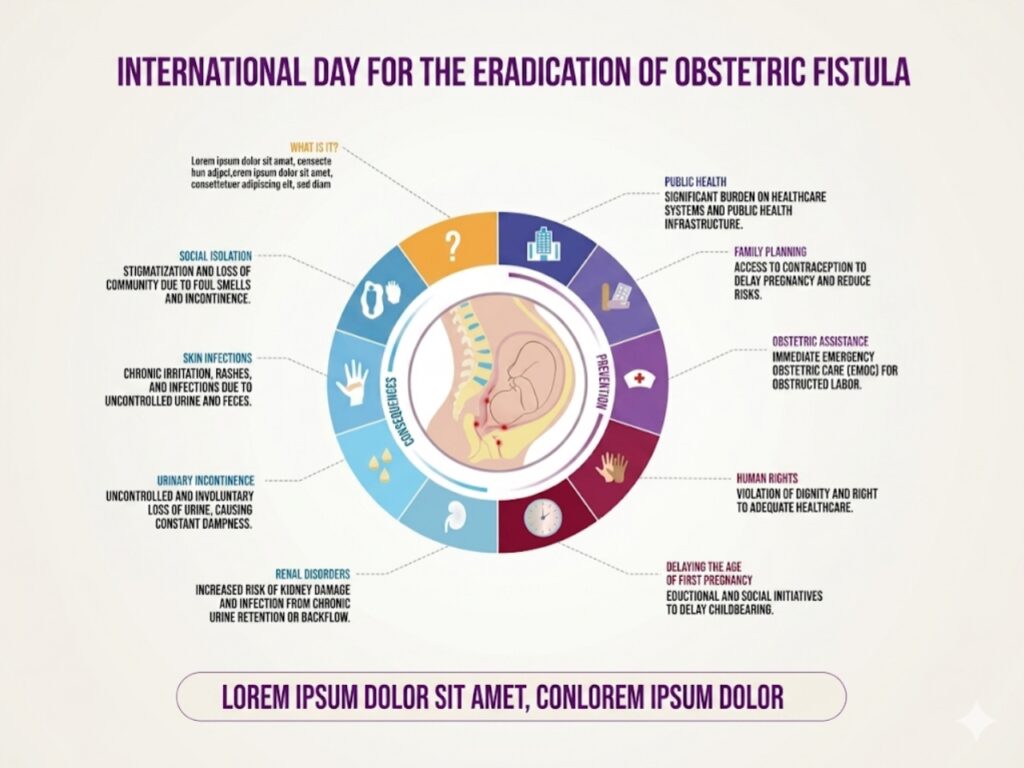
The burden of obstetric fistula extends far beyond physical injury.
Social Isolation
Many affected women face rejection by spouses, family members, and communities because of odor and incontinence.
Mental Health Challenges
Depression, anxiety, low self-esteem, trauma, and suicidal thoughts are common.
Economic Hardship
Women may lose employment opportunities and become financially dependent.
Marital Breakdown
Divorce and abandonment frequently occur among affected women.
Stigma and Discrimination
Societal misconceptions often lead to discrimination and exclusion.
The psychosocial impact demonstrates why fistula should be addressed as both a medical and human rights issue.
Obstetric Fistula as a Human Rights Issue
The 2026 theme emphasizes that women’s health is a fundamental human right.
Obstetric fistula reflects violations of:
-The right to health
-The right to dignity
-The right to safe motherhood
-Reproductive rights
-Gender equality
 Access to quality healthcare
Women living with fistula are often among the most vulnerable populations, including poor rural women, adolescents, displaced persons, and marginalized groups.
Investment in maternal health services is therefore not merely a healthcare intervention but also a social justice imperative.
Prevention Strategies
Preventing obstetric fistula is achievable through comprehensive public health interventions.
1. Access to Quality Maternal Healthcare
Universal access to:
-Antenatal care
-Skilled birth attendance
-Emergency obstetric care
-Cesarean section services, are essential.
2. Strengthening Primary Healthcare
Strong primary healthcare systems improve:
-Early risk identification
-Referral systems
Community outreach
-Maternal health education
-Family health
3. Girl-Child Education
Educated girls are more likely to:
-Delay marriage
-Seek healthcare
-Make informed reproductive choices
-Access maternal services
4. Delaying Early Marriage
Laws and policies against child marriage should be enforced.
5. Nutrition and Adolescent Health
Improved nutrition reduces stunting and promotes healthy pelvic development.
6. Community Awareness
Health education campaigns can encourage:
-Facility-based delivery
-Early referral during labor
-Male involvement in maternal health etc
7. Transportation and Emergency Referral Systems
Timely access to hospitals during labor emergencies is critical.
8. Investment in Healthcare Workforce
Training more:
-Midwives
-Obstetricians
-Nurses
-Surgeons
-Pharmacists
-Community health workers, among others, can reduce maternal complications.
Diagnosis and Clinical Evaluation
Diagnosis is based on:
-Medical history
-Pelvic examination
-Dye tests
-Imaging studies when necessary etc
Healthcare providers assess:
-Type and location of fistula
-Tissue damage
-Associated complications
-Urinary tract involvement
-Comprehensive assessment guides treatment planning.
Conventional Medical and Surgical Management
Surgical Repair
Surgery is the primary treatment for obstetric fistula.
Successful repair depends on:
-Size of fistula
-Extent of tissue damage
-Timing of repair
-Surgical expertise
Many women regain continence after successful surgery.
Catheterization
Small and newly formed fistulas may heal with prolonged bladder catheterization.
Antibiotic Therapy
Used to manage infections.
Nutritional Support
Nutritional rehabilitation promotes tissue healing and recovery.
Rehabilitation Services
Postoperative rehabilitation includes:
-Physiotherapy
-Counseling
-Social reintegration
-Vocational support
Integrative Management Approaches
Integrative management combines conventional medical care with evidence-informed complementary approaches that address physical, psychological, nutritional, emotional, and social wellbeing.
 Integrative approaches should never replace surgical intervention where indicated, but they may support prevention, recovery, rehabilitation, mental health, and quality of life.
1. Nutritional Therapy
Proper nutrition supports:
-Tissue repair
-Immune function
-Wound healing
-Recovery after surgery
Key nutritional considerations include:
-Adequate protein intake
-Iron-rich foods
-Vitamins A, C, D, and E
-Zinc supplementation where appropriate
-Hydration etc
Community nutrition programmes targeting girls and pregnant women may also reduce risks associated with obstructed labor.
2. Mental Health and Psychosocial Support
Psychological support is essential.
Integrative mental health interventions include:
-Counseling
-Cognitive behavioral therapy
-Group therapy
-Trauma-informed care
-Peer support groups
-Spiritual care where culturally appropriate etc
These approaches help restore dignity, self-esteem, and emotional resilience.
3. Physiotherapy and Pelvic Floor Rehabilitation
Pelvic floor exercises and physiotherapy may support:
-Muscle strengthening
-Bladder control
-Mobility improvement
-Post-surgical recovery
Trained physiotherapists can assist women during rehabilitation.
4. Community-Based Rehabilitation
Community reintegration programmes help survivors:
-Return to normal life
-Access livelihood opportunities
-Reduce stigma
-Improve social participation
Economic empowerment programmes are particularly important.
 Governments, healthcare professionals, researchers, civil society organizations, development partners, and communities must work collaboratively to ensure safe motherhood for every woman.
Protecting women’s health is not charity—it is a fundamental human right.
A world free from obstetric fistula is achievable when nations choose to invest in women, prioritize maternal health, strengthen healthcare systems, and uphold the dignity of every mother.
PS: Dr. Emereonye could be reached on: +234 803 3922 445
References
1. World Health Organization (WHO). Obstetric Fistula Fact Sheet. Geneva: WHO; 2024.
2. United Nations Population Fund (UNFPA). Campaign to End Fistula. Available at: https://www.unfpa.org/end-fistula
3. World Health Organization. Maternal Health Overview. Geneva: WHO; 2023.
4. Ahmed S, Holtz SA. Social and economic consequences of obstetric fistula: Life changed forever? International Journal of Gynecology & Obstetrics. 2007;99(Suppl 1):S10–S15.
5. Wall LL. Obstetric vesicovaginal fistula as an international public-health problem. Lancet. 2006;368(9542):1201–1209.
6. United Nations. International Day to End Obstetric Fistula. Available at: https://www.un.org/en/observances/end-fistula-day
7. Tebeu PM, et al. Risk factors for obstetric fistula in the Far North Province of Cameroon. International Journal of Gynecology & Obstetrics. 2012;118(2):145–146.
8. World Health Organization. Trends in Maternal Mortality 2000–2023. Geneva: WHO; 2024.
9. Adler AJ, et al. Integrative approaches to women’s reproductive health. Journal of Women’s Health. 2018;27(8):987–995.
10. United Nations Children’s Fund (UNICEF). Maternal and Newborn Health Statistics. New York: UNICEF; 2024.
11. FIGO. Global Competency-Based Fistula Surgery Training Manual. International Federation of Gynecology and Obstetrics; 2022.
12. Banke-Thomas A, et al. Maternal health services in Nigeria: A critical review. BMC Pregnancy and Childbirth. 2021;21:67.
13. Lewis G, de Bernis L. Obstetric fistula: Guiding principles for clinical management and programme development. WHO; 2006.
14. United Nations Sustainable Development Goals (SDGs). Goal 3: Ensure healthy lives and promote wellbeing for all at all ages.
15. Arrowsmith SD, Hamlin EC, Wall LL. Obstructed labor injury complex: Obstetric fistula formation and the multifaceted morbidity of maternal birth trauma in the developing world. Obstetrical & Gynecological Survey. 1996;51(9):568–574.
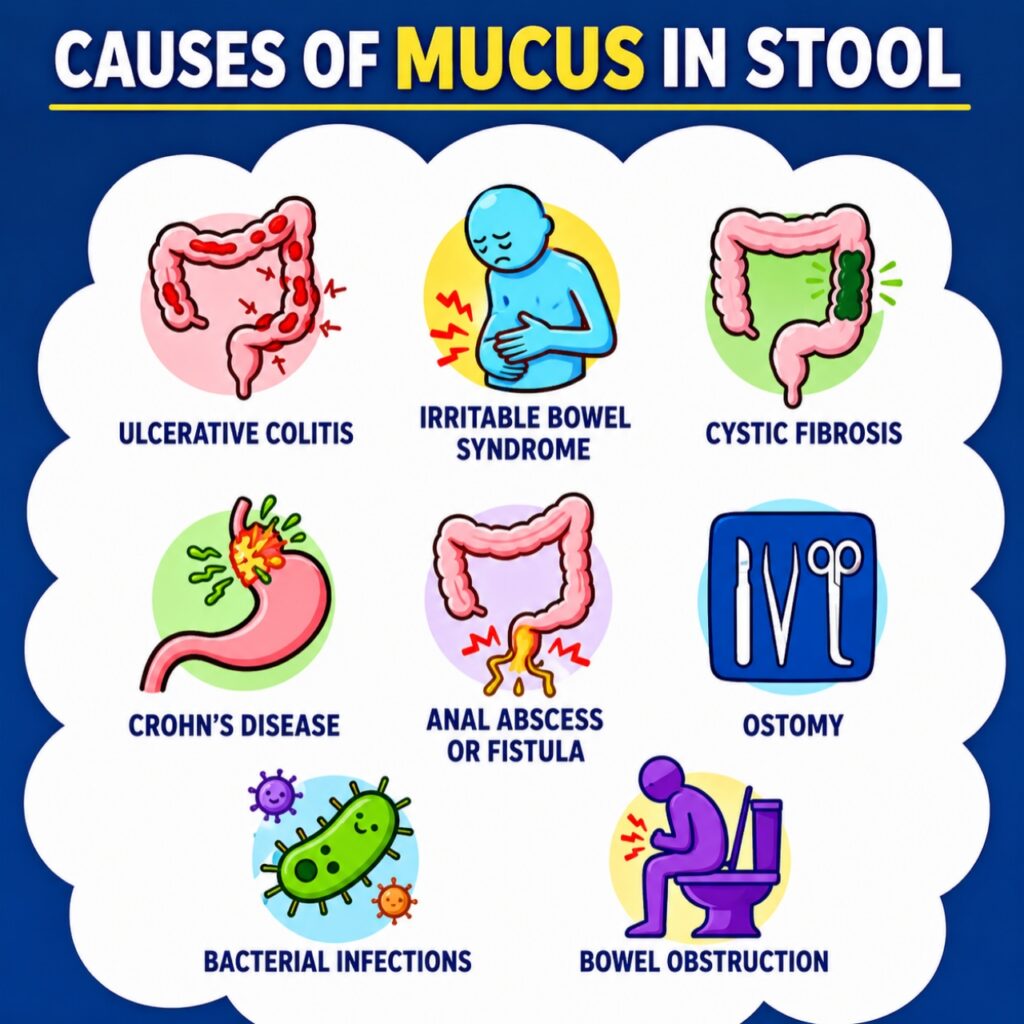 Digestive health remains one of the most overlooked areas of healthcare, especially in many developing societies where people silently endure embarrassing bowel symptoms without seeking medical help. One of such distressing conditions is faecal seepage accompanied by fatty, foul-smelling mucus discharge. Though often ignored or dismissed as ordinary “stomach upset,” this symptom may indicate deeper problems involving digestion, intestinal inflammation, microbial imbalance, liver dysfunction, pancreatic disease, or bowel disorders.
Faecal seepage refers to the involuntary leakage of stool or mucus from the anus, particularly after bowel movements or during bowel urgency. When associated with oily, greasy, or offensive-smelling mucus, it commonly suggests poor fat digestion or intestinal irritation. Affected individuals may also experience bloating, abdominal discomfort, excessive gas, floating stool, incomplete bowel evacuation, and irritation around the anal region. Beyond the physical discomfort, these symptoms can significantly affect confidence, mental well-being, social interaction, and productivity.
From a public health perspective, digestive disorders are increasingly common due to unhealthy diets, sedentary lifestyle, stress, alcohol consumption, overuse of antibiotics, environmental toxins, and poor fibre intake. In many low- and middle-income countries, poor sanitation, contaminated water, and parasitic infections further contribute to bowel diseases. Unfortunately, embarrassment and stigma often prevent many people from seeking proper medical evaluation, allowing potentially serious conditions to progress unnoticed.
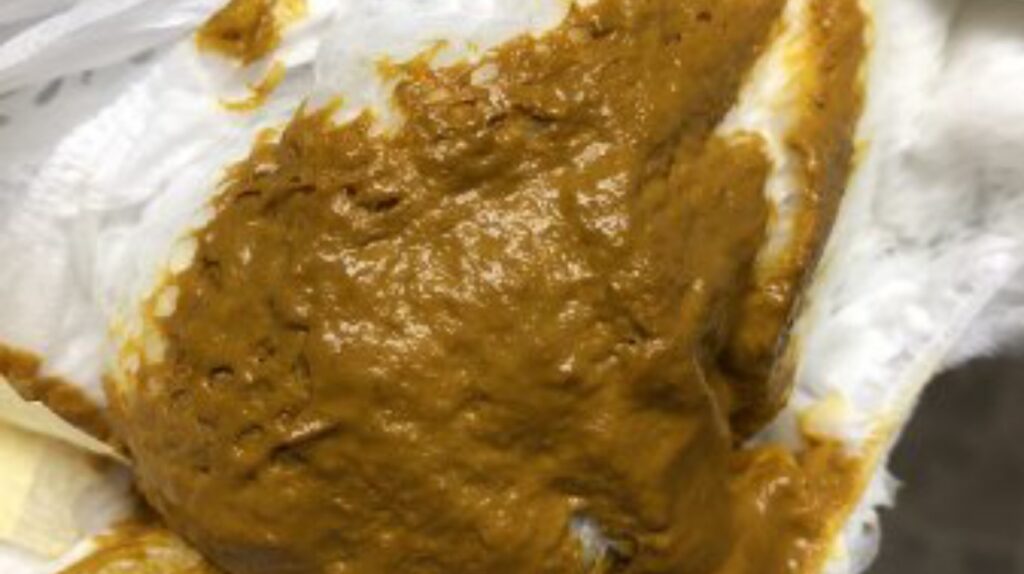 Several medical conditions can cause fatty, smelly mucus stool. One of the most common is fat malabsorption, also known as steatorrhea. This occurs when the body is unable to properly digest or absorb dietary fats. Under normal conditions, bile acids from the liver and digestive enzymes from the pancreas help break down fats for absorption in the intestine. When these processes are impaired due to pancreatic insufficiency, liver disease, gallbladder problems, celiac disease, or intestinal disorders, excess fat remains in the stool, producing greasy, floating, foul-smelling stool and oily leakage.
Another important factor is gut dysbiosis, a condition involving imbalance of the intestinal microbiome. The human gut contains trillions of microorganisms that regulate digestion, immunity, metabolism, and inflammation. Poor diet, alcohol abuse, infections, chronic stress, and excessive antibiotic use may disrupt this balance, leading to gas formation, inflammation, excess mucus production, bloating, and offensive stool odour.
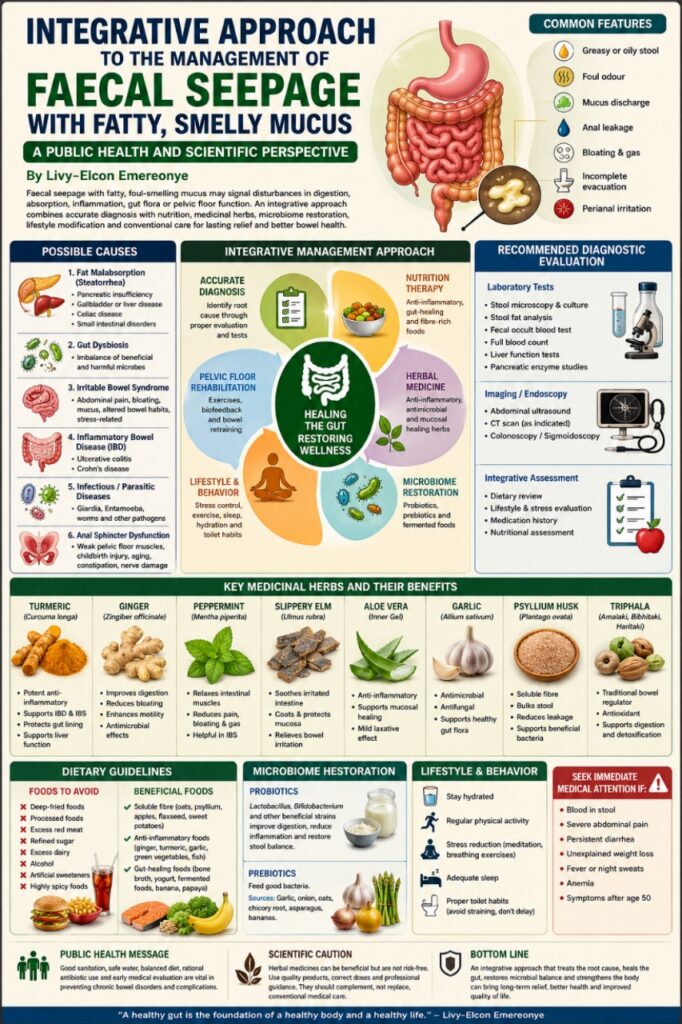 Irritable Bowel Syndrome (IBS) is another common cause. IBS is a functional bowel disorder characterized by abnormal interaction between the brain and digestive system. Symptoms often include mucus in stool, bloating, abdominal pain, altered bowel habits, and anxiety-related bowel disturbances. Emotional stress can worsen bowel urgency and mucus secretion.
Chronic inflammatory conditions such as ulcerative colitis and Crohn’s disease, collectively known as inflammatory bowel disease (IBD), may also cause mucus discharge, diarrhea, abdominal pain, fatigue, and weight loss. In some cases, infections caused by parasites such as Giardia lamblia or Entamoeba histolytica contribute to intestinal irritation and malabsorption, especially in areas with poor sanitation.
Weakness of the anal sphincter or pelvic floor muscles can also lead to faecal seepage. This may occur due to aging, childbirth injury, chronic constipation, or neurological disorders.
Because several diseases can produce similar symptoms, proper medical evaluation is essential. Diagnostic investigations may include stool microscopy and culture, stool fat analysis, fecal occult blood test, liver function tests, pancreatic enzyme studies, abdominal ultrasound, colonoscopy, and nutritional assessment. Lifestyle factors such as stress, alcohol intake, sleep quality, and medication history should also be reviewed carefully.
 An integrative approach to management combines conventional medicine with nutrition, herbal therapy, microbiome restoration, lifestyle modification, and preventive healthcare.
Dietary therapy plays a central role in intestinal healing. Deep-fried foods, processed meat, excess dairy products, refined sugar, alcohol, and highly spicy foods should be reduced because they worsen inflammation and digestive irritation. Instead, emphasis should be placed on soluble fibre-rich foods such as oats, apples, flaxseed, psyllium husk, and sweet potatoes, which help bulk stool and reduce seepage.
Anti-inflammatory foods including ginger, turmeric, garlic, green vegetables, and fatty fish may support gut healing. Fermented foods, yogurt, papaya, banana, and bone broth may also help restore intestinal integrity and improve digestion.
Medicinal herbs have long been used in managing gastrointestinal disorders, and several possess scientifically recognized anti-inflammatory, antimicrobial, and digestive properties.
Curcuma longa contains curcumin, a powerful anti-inflammatory compound that may help reduce intestinal inflammation, support liver function, and improve symptoms of IBS and inflammatory bowel disease. It can be consumed as tea, powder, or capsules.
Zingiber officinale is widely known for improving digestion and bowel motility. It may help reduce bloating, nausea, gas formation, and intestinal fermentation.
Mentha piperita has shown benefits in IBS management by relaxing intestinal muscles and reducing abdominal pain, bloating, and bowel discomfort. Enteric-coated peppermint oil capsules are commonly used clinically.
Ulmus rubra contains mucilage that coats and soothes the intestinal lining, thereby reducing irritation and improving stool passage.
Aloe vera inner gel may support intestinal healing and soothe inflamed bowel tissue when used cautiously in appropriate preparations.
Allium sativum possesses antimicrobial and antifungal properties that may help combat harmful intestinal microorganisms contributing to foul stool odour and dysbiosis.
Plantago ovata is particularly valuable because it improves stool consistency, supports beneficial gut bacteria, and reduces leakage.
 For individuals with anal sphincter weakness, pelvic floor rehabilitation involving Kegel exercises, bowel retraining, and biofeedback therapy may help improve bowel control and reduce seepage.
Fat malabsorption may also result in deficiencies of vitamins A, D, E, and K, as well as minerals such as zinc, magnesium, and iron. Proper nutritional assessment and supplementation may therefore be necessary.
Prevention remains a critical public health strategy. Healthy high-fibre diets, improved sanitation, safe water supply, rational antibiotic use, and early medical evaluation of persistent bowel symptoms are essential in reducing digestive disease burden.
However, immediate medical attention should be sought if symptoms are accompanied by blood in stool, severe abdominal pain, fever, unexplained weight loss, persistent diarrhea, vomiting, anemia, or symptoms beginning after age 50, as these may indicate more serious disease.
Although medicinal herbs may provide important benefits, they are not entirely risk-free. Herb-drug interactions, allergic reactions, contamination, and improper dosing can occur. Herbal therapies should therefore complement—not replace—proper medical evaluation and treatment.
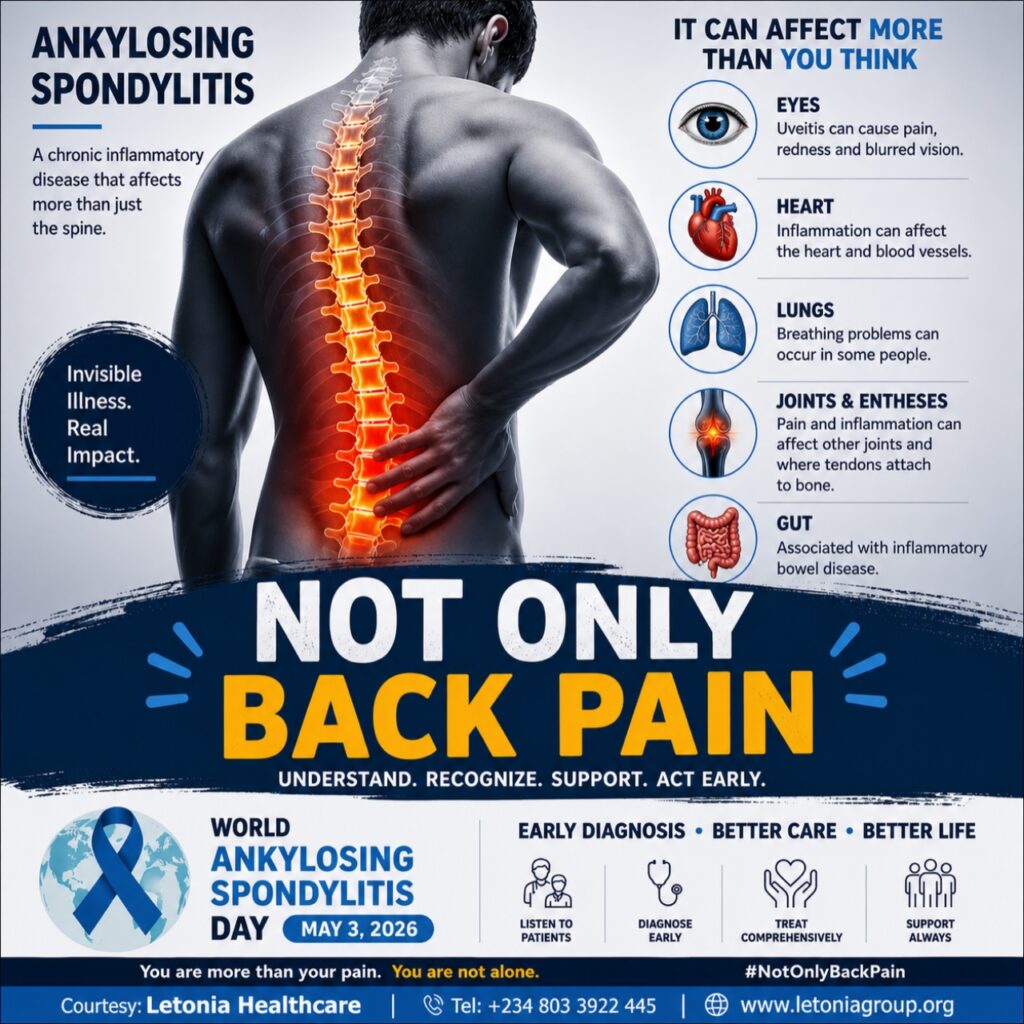 On May 3 each year, the global health community pauses to acknowledge Ankylosing Spondylitis (AS)—a chronic, inflammatory disease that is at once underdiagnosed, misunderstood, and too often trivialized. The 2026 theme, “Not Only Back Pain,” is not a slogan for rhetorical flourish; it is a corrective lens. It challenges a dangerous reductionism that has long obscured the full clinical, social, and economic burden of this condition.
To call Ankylosing Spondylitis “back pain” is akin to calling a storm a breeze. It is incomplete at best, and at worst, it delays diagnosis, distorts treatment, and diminishes patient dignity. This article argues that AS is a systemic disease with multi-organ implications, profound psychosocial consequences, and a pressing need for integrative, patient-centered care. It also contends that health systems—particularly in low- and middle-income countries—must evolve rapidly to meet the demands of this complex condition.
The Science Beyond the Spine
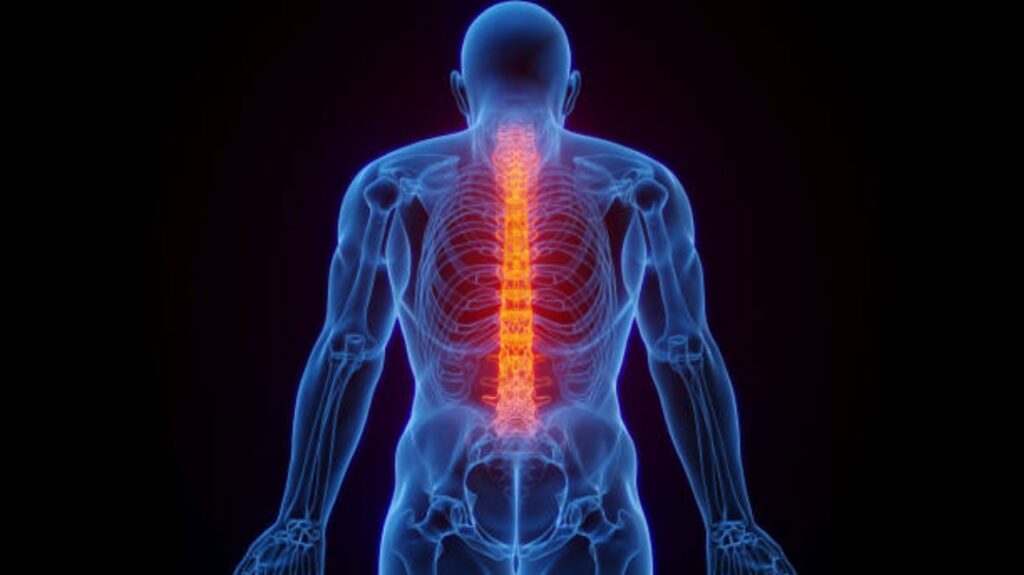
Ankylosing Spondylitis belongs to a family of diseases known as axial spondyloarthritis (axSpA), characterized primarily by inflammation of the spine and sacroiliac joints. The hallmark symptom is inflammatory back pain—typically worse in the morning or after periods of inactivity, and improving with exercise. But this clinical description, though accurate, is insufficient.
At the molecular level, AS is strongly associated with the HLA-B27 gene, yet the presence of this gene is neither necessary nor sufficient to cause the disease. This underscores the multifactorial nature of AS, involving genetic predisposition, immune dysregulation, and environmental triggers. Cytokines such as tumor necrosis factor-alpha (TNF-α) and interleukin-17 (IL-17) play pivotal roles in driving inflammation, making them key targets for modern biologic therapies.
But the inflammation in AS does not respect anatomical boundaries. It extends beyond the axial skeleton to affect peripheral joints, entheses (sites where tendons and ligaments attach to bone), and multiple organ systems. Uveitis, a painful inflammation of the eye, occurs in up to 40% of patients. Cardiovascular complications, including aortitis and conduction abnormalities, are well-documented. Pulmonary fibrosis, renal impairment, and gastrointestinal involvement—particularly in association with inflammatory bowel disease—further complicate the clinical picture.

 Therapeutic Advances—and Gaps
The past two decades have witnessed remarkable progress in the treatment of AS. Nonsteroidal anti-inflammatory drugs (NSAIDs) remain the first line of therapy, providing symptomatic relief for many patients. However, for those with persistent disease activity, biologic agents targeting TNF-α and IL-17 have revolutionized care.
These therapies not only reduce inflammation but can also slow or halt disease progression. They represent a triumph of translational medicine—where insights from immunology are translated into targeted interventions.
Yet, access to these therapies is deeply unequal. In high-income countries, biologics are increasingly available, though still costly. In low- and middle-income settings, including much of Africa, they remain largely inaccessible. Even when available, they are often not covered by insurance, placing them out of reach for most patients.
This disparity is not merely economic; it is ethical. The right to effective treatment should not be determined by geography or income.
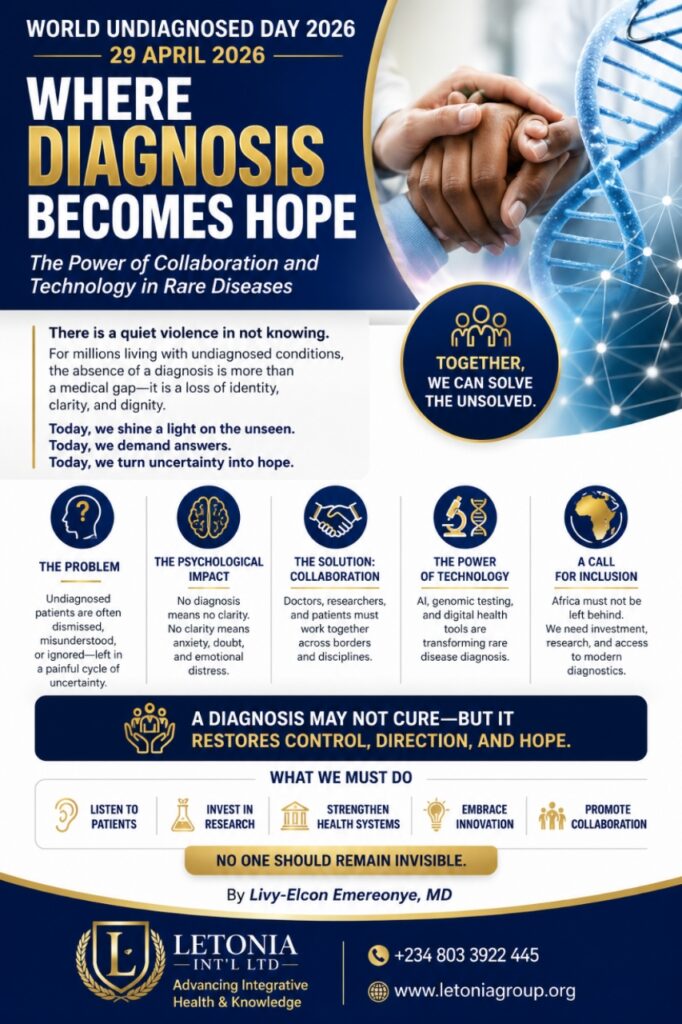 World Undiagnosed Day — 29 April 2026
There is a quiet violence in not knowing.
It does not bleed. It does not scream. It does not collapse the body in spectacle. It lingers—unseen, unnamed, and therefore unaddressed. For millions living with undiagnosed conditions, the absence of a diagnosis is not just a medical gap; it is a fracture of identity, dignity, and psychological stability.
Today, 29 April 2026, as we mark World Undiagnosed Day, we confront a hard truth: modern medicine, for all its power, still leaves too many behind. And too often, it does so quietly.
Yet within that silence, something is shifting. Collaboration is rising. Technology is accelerating. And in that convergence, diagnosis is becoming hope.
The Cruel Psychology of Uncertainty
To be undiagnosed is to live in suspension—neither fully ill nor fully believed.
Patients are dismissed as exaggerators. Their symptoms are labeled “stress,” “psychosomatic,” or worse, ignored. But the deeper damage is psychological. Humans are wired for meaning. We need names, explanations, anchors.
A diagnosis is more than a label—it is a narrative. It answers the relentless question: What is wrong with me?
Without it, patients drift.
Uncertainty breeds anxiety, depression, and self-doubt. Over time, many begin to question their own reality. Trust erodes—first in the system, then in themselves. This is the hidden brutality of undiagnosed disease: it destabilizes both body and mind, while remaining invisible to society.
Medicine Must Do Better
Let’s be candid—this is not just biology failing. It is systems failing.
Modern medicine is optimized for patterns, not anomalies. Doctors are trained to recognize the familiar, not to pursue the rare. When symptoms fall outside known frameworks, patients are often sidelined, referred endlessly, or dismissed outright.
Efficiency has quietly replaced curiosity.
But every undiagnosed patient is not an inconvenience—they are a challenge to medical thinking. If medicine is truly scientific, then the unknown is not a nuisance. It is the frontier.
Collaboration Is Not Optional
No single clinician can solve the puzzle of undiagnosed disease alone. Complexity demands collective intelligence.
When neurologists, geneticists, immunologists, psychologists, and data scientists converge, blind spots shrink. When global networks share cases in real time, distance becomes irrelevant. A baffling case in Owerri may find clarity in Berlin—or Boston.
And patients? They are no longer passive.
Across digital platforms and advocacy networks, they are organizing, sharing data, identifying patterns, and shaping research. This is a quiet but powerful shift—from hierarchy to partnership.
Those who live the illness often understand it in ways textbooks never will.
Technology Is Rewriting the Rules
If collaboration is the engine, technology is the accelerant.
Genomic sequencing now reveals what symptoms conceal. AI detects patterns the human eye might miss. Wearables generate continuous health data, turning patients into real-time case studies.
Diseases that once lingered in mystery are now being decoded at the molecular level.
But let’s be clear—technology is not magic. Without access, it becomes another layer of inequality. Without ethics, it becomes dangerous. Innovation must be matched with inclusion, or it will simply deepen the divide.
Africa Cannot Be Left Behind
In Nigeria and across Africa, undiagnosed diseases expose deeper systemic gaps—limited diagnostic tools, specialist shortages, fragile infrastructure.
But this is not a dead end. It is an inflection point.
Africa can leapfrog outdated systems through telemedicine, mobile health, and decentralized diagnostics. What is needed is intentional investment—in infrastructure, in training, and critically, in research.
African genetic diversity remains underrepresented globally. That absence is not academic—it directly contributes to missed diagnoses.
If global health is to be truly global, Africa must be seen, studied, and prioritized.
Diagnosis Is Power
A diagnosis does not always cure—but it transforms.
It restores clarity. It ends the guessing. It replaces doubt with direction.
Patients move from confusion to strategy. From isolation to community. From invisibility to recognition.
Even without a cure, a name changes everything.
Hope, in this context, is not wishful thinking. It is informed, grounded, and actionable.
A Moral Obligation
This is not just a medical issue. It is an ethical one.
To remain undiagnosed is to be denied understanding of one’s own body. It is a form of medical invisibility that disproportionately affects the vulnerable.
Healthcare systems must be held accountable. Governments must invest. Institutions must reward curiosity, not just speed.
This is not charity.
It is justice.
Strength Without Romanticism
Yes, many patients develop extraordinary resilience. They become advocates, researchers, and community builders. They turn uncertainty into movement.
But resilience should not be glorified as a solution.
It is a response to neglect—not a replacement for responsibility.
The Road Ahead
Will we eliminate all undiagnosed diseases? Unlikely.
Biology is too complex.
But we can do far better. We can shorten diagnostic journeys. We can reduce dismissal. We can build systems that treat uncertainty as a beginning—not a dead end.
And we can ensure that no patient is left unheard.
Final Thought
World Undiagnosed Day is not just a date. It is a reckoning.
A call to confront the blind spots of medicine.
A call to amplify collaboration.
A call to democratize technology.
A call to restore dignity through diagnosis.
Because a diagnosis is not merely a conclusion.
It is recognition.
And for those who have lived too long in uncertainty, recognition is where hope begins.
PS: Dr. Emereonye could be reached on: +234 803 3922 445