
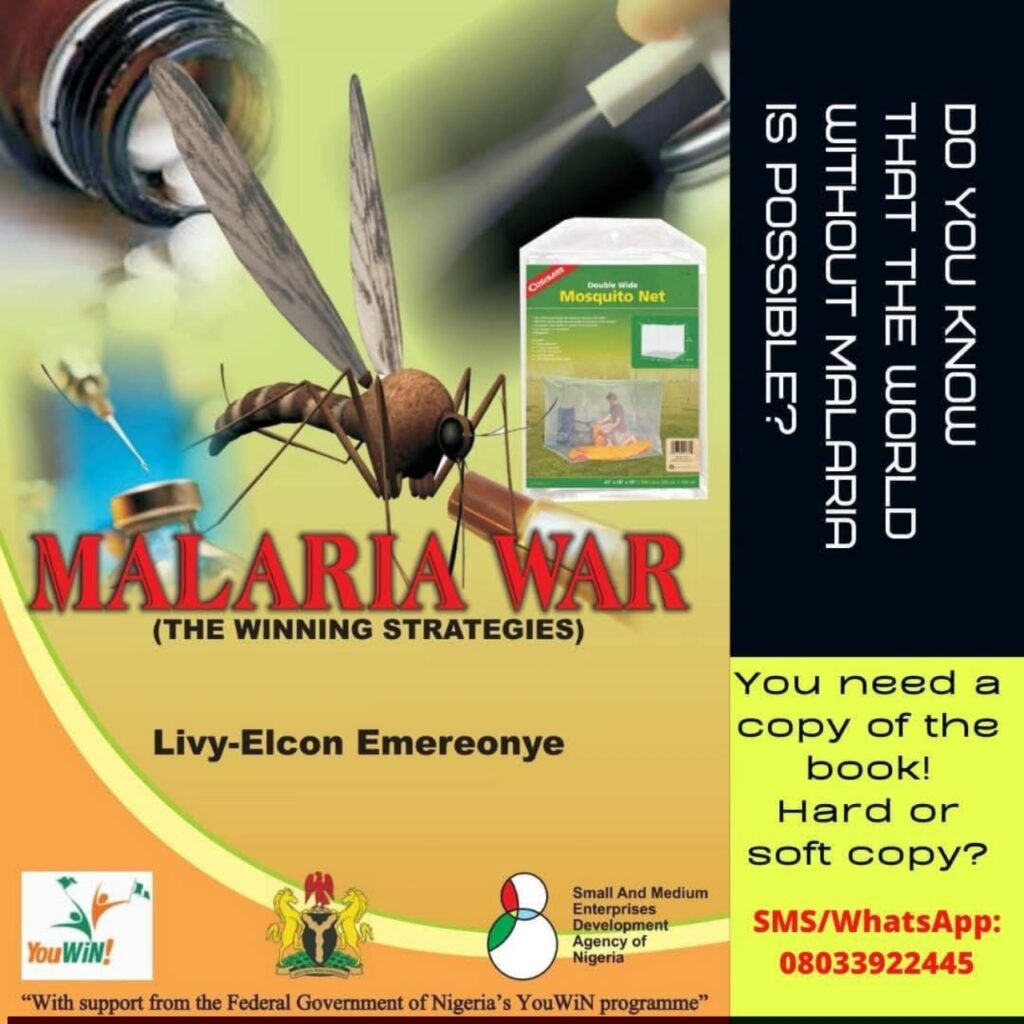
Integrative Approach to Dealing with the Malaria Menace: A Holistic Scientific Perspective By Livy-Elcon Emereonye
Integrative Approach to Dealing with the Malaria Menace: A Holistic Scientific Perspective
Aligned with the 2026 World Malaria Day Theme: “Drive to End Malaria: Now We Can. Now We Must.”
By Livy-Elcon Emereonye
Abstract
Malaria remains one of the most persistent and devastating infectious diseases globally, exerting a disproportionate burden on sub-Saharan Africa. Despite decades of progress in vector control, diagnostics, and pharmacotherapy, malaria continues to claim hundreds of thousands of lives annually, reflecting a complex interplay of biological, environmental, socio-economic, and systemic determinants. The 2026 World Malaria Day theme—“Drive to End Malaria: Now We Can. Now We Must.”—captures both the unprecedented opportunity and urgent responsibility to eliminate malaria using available tools and innovative strategies.
This paper presents a comprehensive, multidisciplinary, and integrative analysis of malaria, encompassing its epidemiology, etiology, pathophysiology, clinical manifestations, diagnosis, and treatment. It critically evaluates the role of antibiotics, explores host genetic factors such as ABO blood groups, and examines the relevance of herbaceutically formulated products like Kuriba® Capsules (Letonia Int’l Ltd) within evidence-based integrative care.
Furthermore, the article advances a systems-based integrative framework that incorporates herbal medicine, nutritional optimization, environmental management, behavioral change, and health system strengthening. It argues that malaria elimination is no longer constrained by lack of knowledge or tools, but by gaps in implementation, integration, and political will. The paper concludes that achieving malaria elimination requires a deliberate fusion of science, policy, community engagement, and innovation.
1. Introduction
Malaria has long been both a biomedical challenge and a socio-political burden. Caused by protozoan parasites of the genus Plasmodium and transmitted by female Anopheles mosquitoes, malaria continues to threaten nearly half of the global population.
According to the World Health Organization (WHO), there were approximately 249 million cases and 608,000 deaths globally in 2022, with over 94% occurring in Africa (WHO, 2023). Nigeria alone accounts for nearly 27% of global malaria cases, making it the epicenter of the global malaria burden.
Yet, paradoxically, humanity has never been better equipped to end malaria. We now possess:
Highly effective artemisinin-based combination therapies (ACTs)
Proven preventive tools such as insecticide-treated nets (ITNs) and indoor residual spraying (IRS)
Emerging vaccines (RTS,S and R21)
Advanced diagnostic technologies
Expanding knowledge of genomics, immunology, and vector ecology
The persistence of malaria despite these tools highlights a critical reality: malaria is not merely a parasitic disease—it is a systems disease.
The 2026 theme challenges global health actors to move from capability to commitment, from knowledge to action, and from fragmentation to integration.
2. Definition and Epidemiology
Malaria is an acute and sometimes chronic febrile illness caused by Plasmodium parasites, transmitted primarily through bites of infected female Anopheles mosquitoes.
Major Species Affecting Humans
Plasmodium falciparum (most lethal; dominant in Africa)
Plasmodium vivax (relapsing malaria; global distribution)
Plasmodium ovale
Plasmodium malariae
Plasmodium knowlesi (zoonotic; Southeast Asia)
Global and Regional Epidemiology
Malaria transmission is shaped by climate, ecology, and socio-economic conditions:
Sub-Saharan Africa: High, stable transmission
South-East Asia & Latin America: Moderate transmission
Seasonality: Peaks during rainy seasons
Urbanization: Alters transmission patterns
High-Risk Groups
Children under five
Pregnant women
Immunocompromised individuals (e.g., HIV/AIDS)
Migrant and displaced populations
Malaria is both a disease of poverty and a driver of poverty, perpetuating cycles of reduced productivity, healthcare costs, and educational disruption.
3. Etiology and Pathophysiology
Etiology
Transmission pathways include:
Mosquito bites (primary)
Blood transfusion (rare)
Congenital transmission
Life Cycle
1. Sporozoite Stage (Liver Phase)
Parasites invade hepatocytes and multiply silently.
2. Merozoite Stage (Blood Phase)
Parasites infect red blood cells (RBCs), causing cyclical rupture.
3. Gametocyte Stage
Transmissible forms taken up by mosquitoes.
Pathophysiological Mechanisms
Hemolysis → Anemia
Cytoadherence & Sequestration (P. falciparum)
Rosetting (linked to blood groups)
Cytokine storm → Fever & inflammation
Microvascular obstruction → organ dysfunction
Severe malaria results from a combination of parasite virulence and host immune response dysregulation.
4. Risk Factors
Environmental Determinants
Stagnant water bodies
Poor drainage systems
Climate variability (temperature, rainfall)
Socio-economic Determinants
Poverty and inequality
Poor housing
Limited healthcare access
Biological Determinants
Age
Pregnancy
Immunosuppression
Systemic Determinants
Weak health systems
Poor surveillance
Inadequate policy implementation
5. Blood Group and Malaria: A Genetic Lens
Host genetics significantly influence malaria outcomes.
Key Findings
Blood group O → protective against severe malaria
Blood groups A, B, AB → increased severity
Mechanism
Reduced rosetting in group O
Lower microvascular obstruction
Implications
Precision public health strategies
Risk stratification in endemic regions
This insight reinforces malaria as a host–parasite–environment interaction, not merely an infection.
6. Clinical Features
Uncomplicated Malaria
Fever
Chills
Headache
Myalgia
Fatigue
Severe Malaria
Severe anemia
Cerebral malaria
Acute respiratory distress
Renal failure
Hypoglycemia
7. Diagnosis
Standard Methods
Microscopy (gold standard)
Rapid Diagnostic Tests (RDTs)
PCR (high sensitivity)
Supportive Tests
Full blood count
Liver and renal function tests
Accurate diagnosis is critical to avoid misuse of antimalarials and antibiotics.
8. Treatment Strategies
8.1 Conventional Therapy
ACTs (first-line)
Artesunate for severe malaria
Supportive care
Challenges
Drug resistance
Poor adherence
Counterfeit medicines
8.2 Role of Antibiotics
Though not primary treatments, antibiotics play a role in:
Co-infections (e.g., typhoid, pneumonia)
Severe malaria (empirical therapy)
Adjunct therapy (e.g., doxycycline)
Caution
Unchecked use fuels antimicrobial resistance (AMR).
9. Integrative Medicine Approach
The central argument of this paper is that malaria elimination requires integration, not substitution.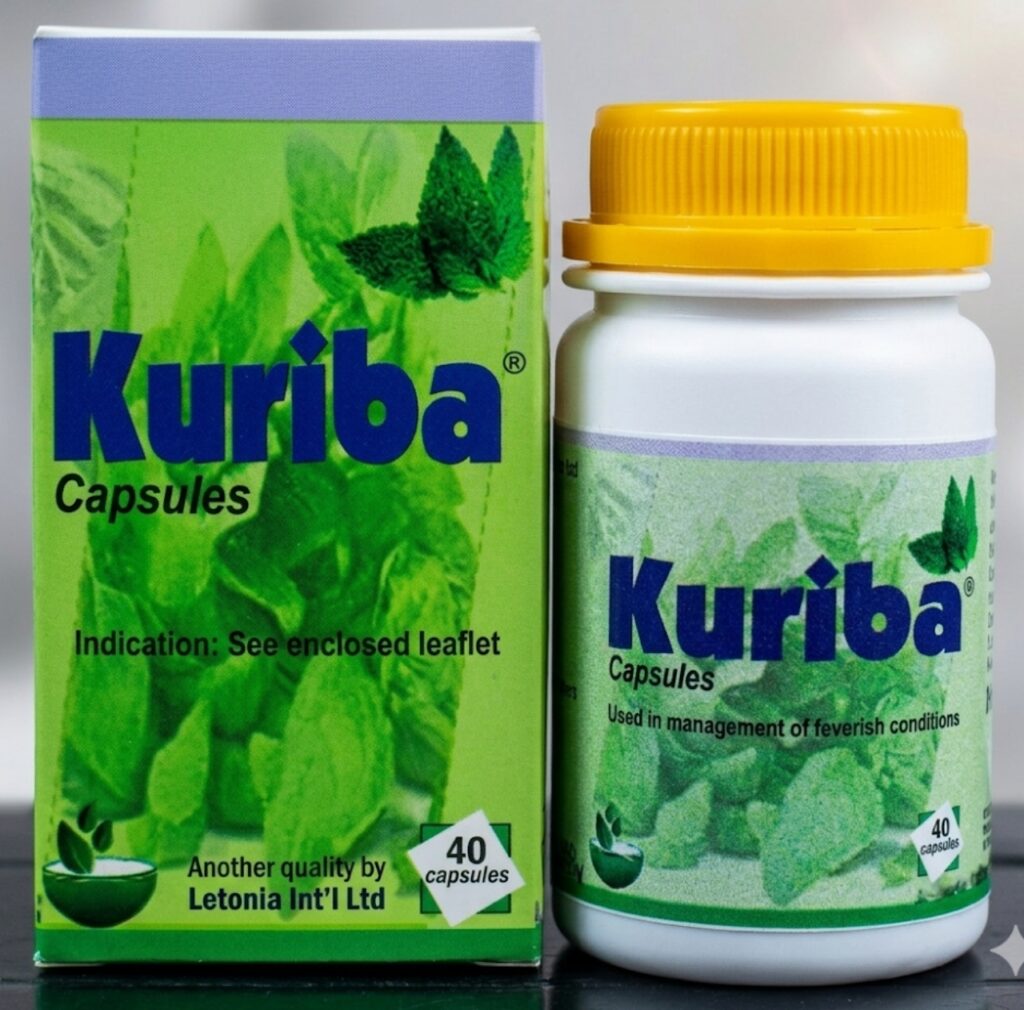
9.1 Herbal Medicine and Herbaceutics
Africa’s biodiversity offers immense therapeutic potential.
Key Plants
Artemisia annua
Azadirachta indica (Neem)
Morinda lucida
Alstonia boonei
Herbaceutics and Standardization
Herbaceutics bridges traditional medicine and modern pharmacology.
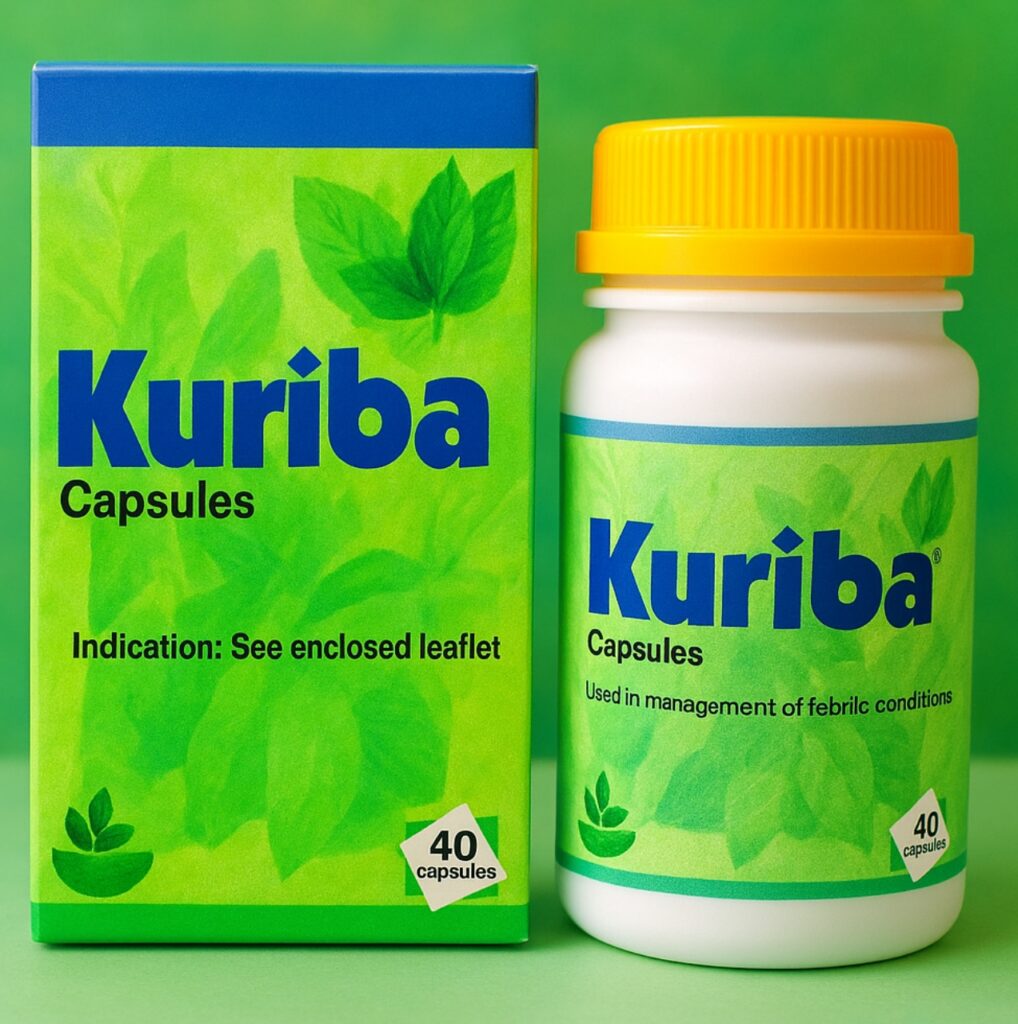
Case Example: Kuriba® Capsules
Standardized herbal formulation
Designed for consistency, safety, and efficacy
Clinical Positioning
Adjunct to standard therapy
Supportive care during recovery
Scientific Imperatives
Clinical trials
Toxicology studies
Regulatory compliance (e.g., NAFDAC)
9.2 Nutritional Support
Nutrition directly influences immunity and recovery.
Iron → anemia correction
Zinc → immune function
Vitamins A, C, D → antioxidant support
9.3 Environmental Management
Elimination of breeding sites
Waste management
Drainage systems
Biological controls
9.4 Behavioral Interventions
Use of ITNs
Early treatment-seeking
Community education
9.5 Health System Integration
Collaboration across disciplines
Strengthening primary healthcare
Digital surveillance
10. Prevention Strategies
ITNs
IRS
IPT (pregnancy, infants)
Vaccines (RTS,S, R21)
 11. Discussion: From Control to Elimination
The theme “Now We Can. Now We Must.” reflects a turning point.
What Has Changed?
Tools exist
Knowledge is sufficient
Technology is advancing
What Is Missing?
Political will
Systems integration
Community ownership
Malaria elimination is no longer a scientific question but a governance and implementation challenge.
12. Conclusion
Malaria persists not because it is unbeatable, but because responses remain fragmented. A holistic, integrative, and systems-driven approach offers the most realistic pathway to elimination.
The convergence of:
Biomedical innovation
Herbal and traditional knowledge
Environmental management
Policy commitment
…creates a powerful framework for action.
The message of 2026 is unequivocal:
We have the tools. We understand the disease. The time for hesitation has passed. Now we can. Now we must.
PS: Dr. Emereonye could be reached on: +234 803 3922 445
References
1. World Health Organization (2023). World Malaria Report.
2. WHO (2022). Guidelines for Malaria.
3. CDC (2024). Malaria Overview.
4. White NJ et al. (2014). Malaria. The Lancet.
5. Dondorp AM et al. (2017). Severe malaria. Nat Rev Dis Primers.
6. Ashley EA et al. (2014). Artemisinin resistance. NEJM.
7. Tusting LS et al. (2017). Housing and malaria risk. Lancet Planet Health.
8. Rowe JA et al. (2009). Blood group and malaria. Trends Parasitol.
9. Ginsburg H, Deharo E (2011). Antimalarial plants. Phytomedicine.
10. Willcox M et al. (2011). Herbal medicine for malaria.
11. Olliaro P (2005). Drug resistance. Clin Infect Dis.
12. Snow RW et al. (2017). Malaria epidemiology.
13. Bhatt S et al. (2015). Malaria decline. Nature.
14. WHO (2016–2030). Global Technical Strategy.
15. RTS,S Clinical Trials Partnership (2015). Lancet.
16. Duffy PE, Patrick Gorres J (2020). Malaria vaccines.
17. Noor AM et al. (2014). Malaria risk mapping.
18. WHO (2024). R21 vaccine updates.
19. Lengeler C (2004). ITNs effectiveness. Cochrane Review.
20. Sachs J, Malaney P (2002). Economic burden of malaria. Nature.
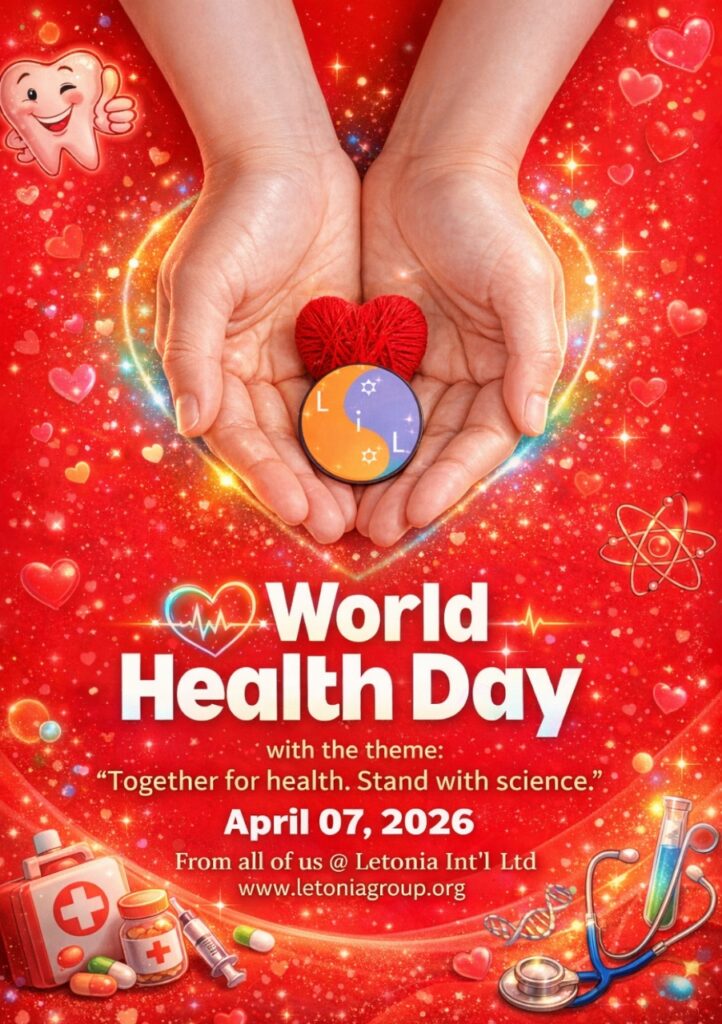 In an age where misinformation travels faster than microbes and skepticism often competes with evidence, the 2026 World Health Day theme—“Together for health. Stand with science”—is both timely and urgent. It is a rallying call to humanity: trust science, strengthen collaboration, and safeguard the delicate web that connects people, animals, plants, and the planet.
Health is no longer a siloed human concern. The COVID-19 pandemic, climate change, antimicrobial resistance, and emerging zoonotic diseases have made one truth unmistakably clear: our survival is intertwined. The concept of One Health—recognizing the interdependence of human, animal, and environmental health—is no longer theoretical; it is foundational.
Science is our most reliable compass in navigating this complex terrain. Vaccines, diagnostics, public health policies, climate modeling, and agricultural innovations are all products of rigorous scientific inquiry. Yet, science does not operate in isolation. Its true strength lies in collaboration—across borders, disciplines, and sectors.
In this spirit, there is a growing need for a positive and deliberate shift toward evidence-based integrative medicine and integrative health. By combining conventional medical practice with scientifically validated traditional, complementary, and lifestyle-based approaches, integrative health offers a more holistic, patient-centered model of care. When guided by evidence, regulation, and professional standards, it strengthens prevention, enhances treatment outcomes, and aligns with the broader One Health vision.
When scientists share data, when governments align policies with evidence, and when healthcare professionals—across orthodox and complementary systems—work together with veterinarians, environmentalists, and communities, the result is powerful: faster responses to outbreaks, safer food systems, healthier ecosystems, and more resilient populations.
Consider the growing threat of zoonotic diseases—illnesses transmitted from animals to humans. Preventing the next pandemic is not just about hospitals and medicines; it involves monitoring wildlife, regulating livestock practices, preserving biodiversity, and reducing environmental degradation. It demands cooperation between farmers, researchers, policymakers, and citizens alike.
Similarly, the health of plants—often overlooked—directly impacts nutrition, food security, and economic stability. Crop diseases, soil depletion, and climate stressors can trigger cascading effects on human health. Scientific collaboration in agriculture and environmental conservation is therefore not optional; it is essential.
However, standing with science also requires courage. It means confronting misinformation, investing in research, and ensuring equitable access to scientific advancements. It also means rigorously evaluating and integrating diverse medical knowledge systems, embracing what works, and discarding what does not.
On this World Health Day, the message is clear: the challenges we face are interconnected, and so must be our solutions. Science provides the tools, but collaboration provides the force.
To stand with science is to stand for truth over rumor, prevention over reaction, and unity over fragmentation. It is to recognize that the health of a child in Umuezealla-Ogboko community, a forest in the Amazon, livestock in rural Asia, and oceans across the globe are threads in the same fabric.
Together, guided by science—and strengthened by evidence-based integrative health—we can protect that fabric and secure a healthier, more sustainable future for all.
 Abstract
Autism Spectrum Disorder (ASD) is a complex, heterogeneous neurodevelopmental condition characterized by persistent deficits in social communication and interaction alongside restricted and repetitive patterns of behavior. With a steadily increasing global prevalence, ASD represents a significant clinical, social, and public health concern. This paper provides a comprehensive, evidence-based review of autism, including its definition, epidemiology, etiological mechanisms, diagnostic framework, and integrative management strategies. Particular emphasis is placed on the multifactorial nature of ASD, involving genetic susceptibility, neurobiological alterations, environmental exposures, immune dysregulation, and gut–brain axis interactions. The paper further explores integrative approaches that combine conventional behavioral and pharmacological interventions with nutritional therapy, herbal medicine, microbiome modulation, and psychosocial support. Current evidence suggests that while ASD has no cure, early, individualized, and multidisciplinary integrative care significantly improves developmental outcomes and quality of life. The paper concludes by highlighting future directions in precision medicine and the importance of inclusive policies and societal acceptance.
Keywords: Autism Spectrum Disorder, Integrative Medicine, Neurodevelopment, Gut-Brain Axis, Herbal Medicine, Neuroinflammation
Introduction
Autism Spectrum Disorder (ASD) is a lifelong neurodevelopmental condition that affects how individuals perceive, interact with, and respond to their environment. Since its first clinical description by Leo Kanner in 1943, autism has evolved from a narrowly defined disorder to a broad spectrum encompassing diverse phenotypes and functional abilities. According to the World Health Organization (WHO, 2023), approximately 1 in 100 children globally is diagnosed with ASD, although prevalence estimates in some regions, such as the United States, are as high as 1 in 36 (CDC, 2024).
The rising prevalence of ASD has intensified research into its causes and management. While conventional approaches—particularly behavioral therapies—remain foundational, there is growing recognition of the need for integrative models that address biological, psychological, and environmental dimensions of health.
This article written in commemoration of 2026 World Autism Day aims to provide a comprehensive and expanded overview of ASD, with particular attention to its etiology and integrative management. The discussion integrates current scientific evidence with clinical insights relevant to integrative medicine practice.
 Definition and Clinical Features of Autism
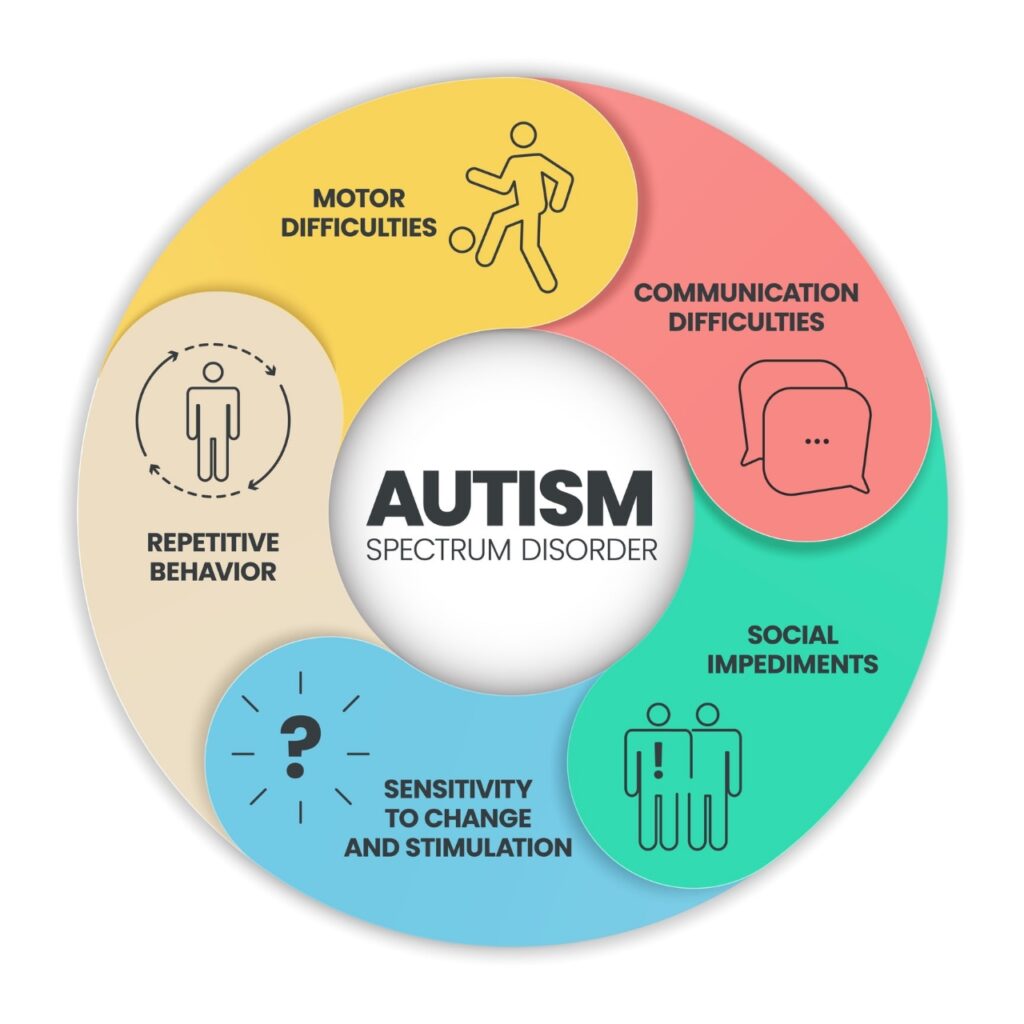
Autism Spectrum Disorder is defined by the Diagnostic and Statistical Manual of Mental Disorders, Fifth Edition (DSM-5) as a condition characterized by two core domains: (1) persistent deficits in social communication and social interaction, and (2) restricted, repetitive patterns of behavior, interests, or activities (American Psychiatric Association [APA], 2013).
Social Communication Deficits
Individuals with ASD often exhibit:
Difficulty initiating or sustaining conversations
Reduced sharing of emotions or interests
Impaired understanding of non-verbal cues such as facial expressions and gestures
Challenges in developing and maintaining relationships
Restricted and Repetitive Behaviors
These may include:
Stereotyped movements (e.g., hand-flapping, rocking)
Insistence on sameness and adherence to routines
Highly restricted or fixated interests
Hyper- or hypo-reactivity to sensory input
Spectrum Nature and Heterogeneity
The term “spectrum” reflects variability in severity, intellectual ability, and functional outcomes. Some individuals demonstrate high cognitive functioning with subtle social impairments, while others require substantial support due to intellectual disability and limited communication.
Early Signs and Developmental Trajectory
Symptoms typically emerge in early childhood, often before age three. Early warning signs include delayed speech, lack of eye contact, limited response to name, and atypical play behaviors (Zwaigenbaum et al., 2015). Early detection is critical for timely intervention.
Epidemiology and Global Burden
The global burden of ASD has increased significantly over the past two decades. Improved awareness, expanded diagnostic criteria, and better screening tools contribute to rising prevalence rates. However, disparities exist in diagnosis and care, particularly in low- and middle-income countries.
ASD imposes substantial economic and social burdens on families and healthcare systems. Costs include therapy, education, healthcare, and lost productivity. These realities underscore the need for scalable, cost-effective, and integrative care models.
Etiology of Autism Spectrum Disorder
ASD is a multifactorial condition resulting from complex interactions between genetic, neurobiological, environmental, and immunological factors.
Genetic Factors
Genetic contributions to ASD are substantial, with heritability estimates ranging from 50% to 90% (Tick et al., 2016). Advances in genomics have identified numerous risk genes involved in synaptic function, neuronal signaling, and brain development.
Copy number variations (CNVs) and mutations in genes such as SHANK3, NRXN1, and MECP2 have been implicated. Syndromic forms of autism include Fragile X syndrome and Rett syndrome (Lord et al., 2020).
Neurobiological Mechanisms
Neuroimaging studies reveal differences in brain structure and connectivity in individuals with ASD. Findings include:
Altered cortical thickness
Abnormal white matter connectivity
Early brain overgrowth followed by atypical pruning
Neurotransmitter systems, particularly serotonin, gamma-aminobutyric acid (GABA), and glutamate, are also implicated (Ecker et al., 2015).
Environmental Risk Factors
Environmental exposures during prenatal and perinatal periods may increase ASD risk. These include:
Maternal infections and immune activation
Exposure to environmental toxins (e.g., heavy metals, air pollution)
Advanced parental age
Preterm birth and low birth weight
These factors likely interact with genetic susceptibility to influence neurodevelopment (Modabbernia et al., 2017).
Immune Dysregulation and Neuroinflammation
Emerging evidence suggests that immune dysfunction plays a role in ASD. Studies have identified:
Elevated pro-inflammatory cytokines
Microglial activation in the brain
Autoimmune processes
Neuroinflammation may disrupt neural connectivity and contribute to behavioral symptoms (Estes & McAllister, 2015).
Gut-Brain Axis and Microbiome
The gut–brain axis has become a major focus in autism research. Many individuals with ASD experience gastrointestinal disturbances, including constipation, diarrhea, and dysbiosis.
Alterations in gut microbiota composition may influence brain function through immune, metabolic, and neural pathways (Cryan et al., 2019). This has important implications for integrative treatment strategies.
Debunking the Vaccine Myth
Extensive epidemiological studies have conclusively shown that vaccines do not cause autism (Taylor et al., 2014). This remains a critical public health message.
Diagnosis of Autism
Diagnosis of ASD is primarily clinical and based on behavioral assessment and developmental history. There is no single biomarker for autism.
Diagnostic Tools
DSM-5 criteria
Autism Diagnostic Observation Schedule (ADOS)
Autism Diagnostic Interview-Revised (ADI-R)
Importance of Early Diagnosis
Early diagnosis allows for early intervention, which significantly improves language, cognitive, and adaptive outcomes (Zwaigenbaum et al., 2015).
Integrative Management of Autism
Given the complexity of ASD, management requires a holistic, multidisciplinary approach that integrates conventional and complementary therapies.
Behavioral and Educational Interventions
Applied Behavior Analysis (ABA) remains one of the most evidence-based interventions for ASD. It focuses on reinforcing positive behaviors and reducing maladaptive ones (Reichow et al., 2018).
Other key interventions include:
Speech and language therapy
Occupational therapy
Social skills training
Individualized education programs (IEPs)
Nutritional Interventions
Nutrition plays a critical role in brain development and function.
Dietary Approaches
Gluten-free, casein-free diets (mixed evidence)
Whole-food, anti-inflammatory diets
Supplementation
Omega-3 fatty acids
Vitamin D
Magnesium
Zinc
Vitamin B6
Some studies report improvements in behavior and cognition, although findings remain heterogeneous (Sathe et al., 2017).
 Discussion
The management of ASD requires a paradigm shift from symptom-based treatment to holistic, patient-centered care. Integrative medicine offers a framework for combining conventional therapies with complementary approaches tailored to individual needs.
However, challenges remain, including variability in treatment response, limited high-quality evidence for some complementary therapies, and disparities in access to care.
Future research should focus on precision medicine, biomarker discovery, and large-scale clinical trials to validate integrative interventions.
Conclusion
Autism Spectrum Disorder is a complex, multifactorial condition requiring comprehensive and individualized care. Integrative approaches that combine behavioral, nutritional, medical, and complementary therapies offer the most promising outcomes.
As global awareness increases, efforts must prioritize early diagnosis, accessible interventions, and societal inclusion. A deeper understanding of autism not only enhances clinical care but also promotes acceptance of neurodiversity.
PS: Dr. Emereonye could be reached on: +234 803 3922 445
References
American Psychiatric Association. (2013). Diagnostic and statistical manual of mental disorders (5th ed.).
Centers for Disease Control and Prevention. (2024). Autism prevalence estimates.
Cryan, J. F., et al. (2019). The microbiota-gut-brain axis. Physiological Reviews, 99(4), 1877–2013.
Ecker, C., Bookheimer, S. Y., & Murphy, D. G. (2015). Neuroimaging in autism. The Lancet Neurology, 14(11), 1121–1134.
Estes, M. L., & McAllister, A. K. (2015). Immune mechanisms in autism. Nature Reviews Neuroscience, 16(8), 469–486.
Kang, D. W., et al. (2017). Microbiota transfer therapy. Microbiome, 5(1), 10.
Kulkarni, S. K., et al. (2012). Bacopa monnieri. Phytotherapy Research, 26(3), 313–323.
Lord, C., et al. (2020). Autism spectrum disorder. The Lancet, 392(10146), 508–520.
Modabbernia, A., et al. (2017). Environmental risk factors. Current Psychiatry Reports, 19(11), 88.
Reichow, B., et al. (2018). Behavioral intervention. Cochrane Database.
Sathe, N., et al. (2017). Nutritional interventions. Pediatrics, 139(6).
Singh, N., et al. (2014). Ashwagandha overview.
Taylor, L. E., et al. (2014). Vaccines and autism. Vaccine, 32(29), 3623–3629.
Tick, B., et al. (2016). Heritability of autism. JAMA Psychiatry, 73(6), 585–593.
Wood, J. J., et al. (2020). CBT in autism. Journal of Child Psychology and Psychiatry, 61(3), 305–315.
World Health Organization. (2023). Autism.
Zwaigenbaum, L., et al. (2015). Early intervention. Pediatrics, 136(S1), S60–S81.

 Abstract
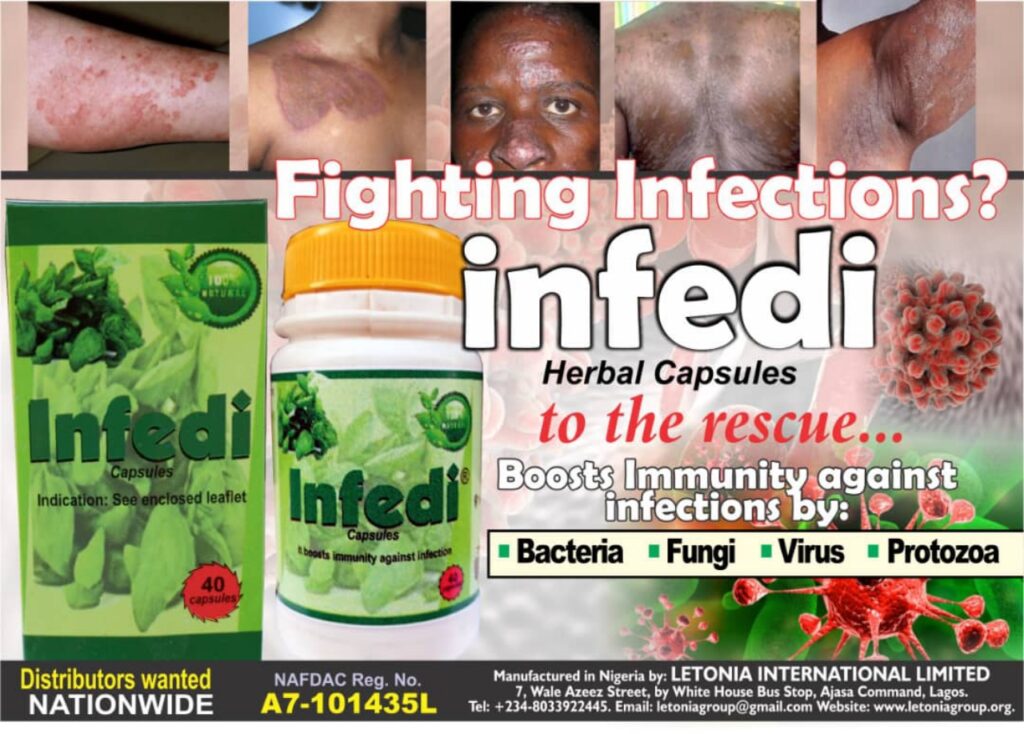
Herbaceutics, as conceptualized by Livy-Elcon Emereonye, represents a structured scientific and philosophical framework for the formulation of aesthetic herbal medicinal products. It integrates traditional herbal knowledge with modern pharmaceutical principles, emphasizing compatibility, safety, and stability as the core pillars of herbal dosage form development. This article presents Herbaceutics as both a science and an art, detailing its theoretical foundations, formulation principles, dosage design, and quality control systems. It further explores its relevance in integrative medicine and global health, positioning Herbaceutics as a bridge between traditional herbal practice and modern pharmaceutics.
Keywords: Herbaceutics, Herbal Medicine, Pharmaceutics, Phytotherapy, Dosage Forms, Safety, Stability, Compatibility
1. Introduction
Herbal medicine remains one of the oldest and most widely used healthcare systems globally. Despite its long-standing use, challenges such as lack of standardization, dose inconsistency, and safety concerns have limited its integration into modern medical practice. Herbaceutics is proposed as a solution-oriented discipline aimed at transforming herbal medicine into a scientifically grounded and pharmaceutically reliable system.
Herbaceutics is defined as the science and art of herbal dosage form formulation with emphasis on compatibility, safety, and stability through replicability and reproducibility . This concept extends beyond crude herbal preparations and focuses on the systematic design, development, and evaluation of herbal dosage forms.
2. Conceptual Framework of Herbaceutics
2.1 Core Principles
Herbaceutics is anchored on three foundational pillars:
Compatibility: Ensuring chemical, physical, and biological harmony among herbal constituents.
Safety: Establishing toxicological profiles and safe dosage limits.
Stability: Maintaining the integrity and efficacy of herbal formulations.
2.2 Interdisciplinary Nature
Herbaceutics integrates multiple scientific disciplines, including pharmacognosy, phytochemistry, pharmaceutics, pharmacology, and regulatory science.
3. Herbaceutics as a Scientific Discipline
3.1 Phytochemical Complexity
Medicinal plants contain diverse bioactive compounds such as alkaloids, flavonoids, terpenoids, and glycosides. These compounds interact in complex ways, necessitating careful formulation strategies.
3.2 Standardization Techniques
Standardization ensures reproducibility and includes:
Chromatographic profiling (HPLC, GC)
Marker compound quantification
Spectroscopic analysis
3.3 Bioavailability Considerations
Enhancing the bioavailability of phytochemicals is critical and may involve advanced delivery systems such as phytosomes and nano-formulations.
4. Herbaceutics as an Art
The art of Herbaceutics lies in the intelligent combination of herbal ingredients to achieve optimal therapeutic outcomes. It involves experiential knowledge, formulation intuition, and patient-centered considerations such as palatability and cultural acceptance.
5. Herbal Dosage Form Design
5.1 Solid Dosage Forms
They include tablets, capsules, powders, and granules, offering dose precision and stability.
5.2 Liquid Dosage Forms
They include syrups, tinctures, and suspensions, though often limited by stability concerns.
5.3 Semi-solid Dosage Forms
They include creams, ointments, and gels for topical applications.
5.4 Advanced Delivery Systems
They include liposomes, nanoparticles, and phytosomes for improved therapeutic performance.
6. Compatibility in Herbal Formulation
Compatibility studies assess:
Herb–herb interactions (synergistic or antagonistic)
Herb–drug interactions
Physicochemical stability
These evaluations are essential to prevent therapeutic failure or adverse effects.
7. Safety Evaluation
Safety assessment includes:
Toxicological studies (acute and chronic)
Evaluation of contaminants (heavy metals, pesticides)
Dose standardization
Regulatory compliance with agencies such as WHO, FDA, and NAFDAC is critical.
8. Stability Studies
Stability testing ensures product quality over time and includes:
Accelerated stability studies
Real-time stability testing
Factors affecting stability include temperature, humidity, light, and oxidation.
9. Quality Control and Assurance
Quality control involves ensuring identity, purity, and potency through:
Analytical techniques (HPLC, TLC, UV-Vis)
Microbial testing
Good Manufacturing Practices (GMP)
10. Methodology for Herbaceutic Development
10.1 Raw Material Selection and Authentication
The Herbaceutic process begins with rigorous selection and authentication of plant materials. This includes botanical identification, voucher specimen documentation, and compliance with WHO guidelines on Good Agricultural and Collection Practices (GACP).
10.2 Extraction and Processing
Standardized extraction procedures are employed to ensure reproducibility. Methods include maceration, percolation, Soxhlet extraction, and modern techniques such as supercritical fluid extraction. Solvent selection is guided by polarity and target phytochemicals.
10.3 Formulation Design
Formulation development involves:
Preformulation studies (solubility, pH stability, hygroscopicity)
Excipient compatibility studies
Optimization of dosage form (tablet, capsule, liquid, semi-solid)
10.4 Analytical Standardization
Standardization is achieved through:
Chromatographic fingerprinting (HPLC, TLC)
Quantification of bioactive markers
Batch-to-batch consistency evaluation
10.5 Stability Testing Protocols
Stability studies follow ICH guidelines, including:
Accelerated testing (40°C ± 2°C / 75% RH ± 5%)
Long-term testing (25°C ± 2°C / 60% RH ± 5%)
10.6 Safety and Toxicological Evaluation
Acute and sub-chronic toxicity studies in animal models
Cytotoxicity assays
Evaluation of herb–drug interactions
11. Clinical Validation of Herbaceutics
11.1 Preclinical Studies
Preclinical evaluation includes in vitro and in vivo studies to establish pharmacological activity, mechanism of action, and safety profile.
11.2 Clinical Trial Design
Clinical validation follows structured protocols:
Phase I: Safety and tolerability
Phase II: Efficacy and dose optimization
Phase III: Large-scale validation
Randomized controlled trials (RCTs) are considered the gold standard for evaluating Herbaceutic formulations.
11.3 Outcome Measures
Clinical endpoints may include:
Symptom reduction
Biomarker improvement
Quality of life indices
11.4 Pharmacovigilance
Post-marketing surveillance ensures long-term safety and detection of rare adverse effects.
11.5 Case for Integrative Medicine
Herbaceutics supports integration with conventional therapies, particularly in chronic disease management where multi-target approaches are beneficial.
12. Discussion
Herbaceutics represents a paradigm shift in herbal medicine, emphasizing scientific validation and pharmaceutical precision. It addresses longstanding challenges in herbal practice and aligns with global trends toward integrative healthcare.
13. Conclusion
Herbaceutics provides a comprehensive framework for advancing herbal medicine into a scientifically robust and clinically reliable discipline. By focusing on compatibility, safety, and stability, it ensures that herbal products meet modern standards of efficacy and quality.
 Abstract
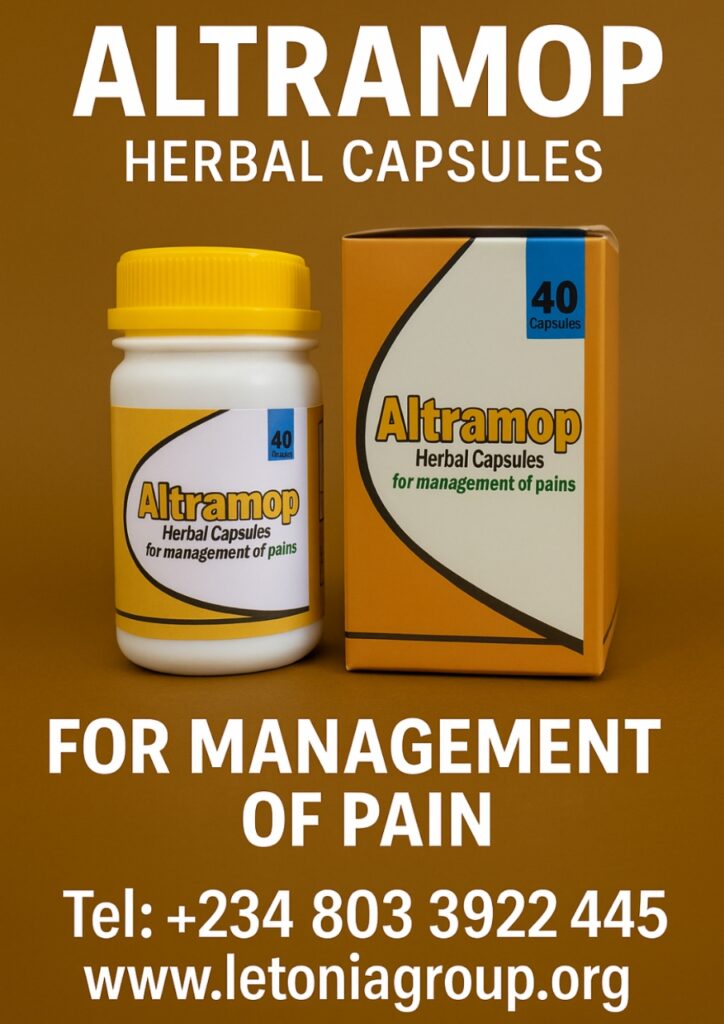
Pain remains one of the most common clinical complaints globally, significantly affecting quality of life, productivity, and overall wellbeing. Conventional pharmacological approaches—particularly non-steroidal anti-inflammatory drugs (NSAIDs)—are effective but often associated with gastrointestinal complications, especially in ulcer-prone individuals. This has created a critical need for safer, yet effective alternatives. Altramop®, a proprietary product of Letonia Int'l Ltd, represents a scientifically conceptualized herbal formulation designed to provide effective pain relief while maintaining gastrointestinal safety. Developed within the framework of Letonia’s integrative health philosophy, it reflects a commitment to safety, efficacy, and patient-centered care. This article explores the burden of pain, limitations of conventional therapies, the rationale for herbal alternatives, and the role of Altramop® in integrative pain management.
Introduction
Pain is both a sensory and emotional experience, often serving as a warning signal for underlying pathology. Acute or chronic, pain can arise from inflammatory processes, tissue injury, nerve dysfunction, or systemic conditions. In Nigeria and across the globe, pain-related conditions such as arthritis, musculoskeletal disorders, dysmenorrhea, and headaches constitute a major proportion of outpatient visits.
While modern medicine has made significant advances in pain control, the safety profile of commonly used medications remains a concern. NSAIDs, though widely prescribed, are notorious for their gastrointestinal side effects, including gastritis, peptic ulcers, and even life-threatening bleeding. This poses a dilemma, particularly for patients with existing ulcers or those at high risk.
It is within this context that innovative, research-informed herbal solutions—such as Altramop® by Letonia Int'l Ltd—offer a promising and timely alternative.
The Burden of Pain and Its Management Challenges
Pain is not merely a symptom; it is a complex health issue that affects millions of people daily. Chronic pain, in particular, can lead to disability, psychological distress, and economic loss.
Key Challenges in Pain Management:
1. Safety Concerns: Long-term use of NSAIDs increases the risk of gastrointestinal complications, renal impairment, and cardiovascular events.
2. Ulcer Sensitivity: Many patients cannot tolerate conventional analgesics due to pre-existing gastric ulcers.
3. Accessibility: In many low-resource settings, safe pain management options are limited.
4. Dependence and Misuse: Opioids, though effective, carry a high risk of dependence and abuse.
These challenges underscore the need for safer, accessible, and effective alternatives—an area where structured herbal innovations are gaining increasing relevance.
 Core Principles Behind Altramop®:
Anti-inflammatory Action: Targeting inflammation as a root cause of pain.
Analgesic Effect: Providing symptomatic relief.
Gastroprotective Support: Ensuring safety for ulcer and non-ulcer patients.
Mechanisms of Action
Although herbal formulations often act synergistically, the therapeutic effects of Altramop® can be understood through the following mechanisms:
1. Anti-inflammatory Activity
Certain phytochemicals—such as flavonoids, alkaloids, and polyphenols—are known to inhibit inflammatory mediators like prostaglandins, cytokines, and nitric oxide.
2. Analgesic Properties
Herbal compounds may interact with pain receptors or modulate neurotransmitter activity, reducing the perception of pain.
3. Antioxidant Effects
Oxidative stress plays a role in chronic inflammation and pain. Antioxidants help neutralize free radicals, thereby reducing tissue damage.
4. Gastroprotective Action
Some herbs enhance mucus production, improve gastric blood flow, and protect the mucosal lining—making them suitable for ulcer patients. This aligns with the core safety philosophy behind Altramop®.
Clinical Relevance: Ulcer vs Non-Ulcer Patients
One of the defining advantages of Altramop® is its suitability for both ulcer and non-ulcer patients.
For Ulcer Patients:
Avoids gastric irritation common with NSAIDs
Supports mucosal healing
Reduces risk of gastrointestinal bleeding
For Non-Ulcer Patients:
Provides effective pain relief
Suitable for long-term use
Minimizes systemic side effects
This dual suitability positions Altramop® as a versatile option in pain management, further reinforcing Letonia Int'l Ltd’s role in advancing safer, inclusive therapeutic alternatives.
Integrative Medicine Perspective
Integrative medicine emphasizes the combination of conventional and alternative therapies to achieve optimal health outcomes. Altramop®, as developed by Letonia Int'l Ltd, fits well within this paradigm, offering a bridge between traditional herbal wisdom and modern integrative clinical practice.
Potential Applications:
Musculoskeletal pain (e.g., arthritis, back pain)
Headaches and migraines
Menstrual pain (dysmenorrhea)
Post-exercise inflammation etc
By offering a safer alternative, Altramop® can complement conventional therapies or serve as a standalone option in pain conditions.
Safety and Quality Considerations
The credibility of any herbal product depends on rigorous quality control and adherence to regulatory standards.
Key Considerations:
Standardization of Ingredients
Absence of Contaminants
Proper Dosage and Labeling
Compliance with NAFDAC Regulations
As a flagship product of Letonia Int'l Ltd, Altramop® is positioned to prioritize these standards, ensuring both safety and efficacy while aligning with best practices in herbal product development.
The Future of Herbal Pain Management in Nigeria
Nigeria is uniquely positioned to lead in herbal medicine due to its rich biodiversity and deep-rooted traditional knowledge. However, the future depends on:
Increased research and clinical trials
Strong regulatory frameworks
Public education on safe herbal use
Collaboration between conventional and traditional practitioners
Products like Altramop®, developed by Letonia Int'l Ltd, represent a step toward a more integrative and sustainable healthcare system, driven by innovation and responsible herbal medicine practice.
Conclusion
Pain management remains a critical challenge in modern healthcare, particularly in patients who are vulnerable to the side effects of conventional medications. Altramop®, a product of Letonia Int'l Ltd, offers a promising herbal alternative that combines efficacy with safety, making it suitable for both ulcer and non-ulcer patients.
It underscores Letonia Int'l Ltd’s broader mission of enhancing health outcomes through safe, effective, and accessible natural therapies, while setting a benchmark for excellence in herbal medicine innovation.
 Abstract
The common cold is the most prevalent acute respiratory illness globally, imposing a significant burden on healthcare systems, economies, and quality of life. Despite its self-limiting nature, its high transmissibility, recurrence, and potential for complications underscore the need for a comprehensive management strategy. Conventional biomedical approaches remain largely symptomatic, with no definitive antiviral cure for most causative agents. Integrative medicine offers a multidimensional framework that combines conventional therapeutics with nutritional optimization, phytomedicine, and lifestyle interventions aimed at enhancing host immunity and reducing disease burden. This paper provides a detailed analysis of the virology, immunopathogenesis, and clinical features of the common cold while critically examining evidence-based integrative interventions, with a particular emphasis on African medicinal plants and their pharmacological relevance. The integration of traditional knowledge with modern clinical evidence presents a promising pathway for improved management and prevention of upper respiratory tract infections.
Introduction
The common cold represents a paradox in modern medicine: a disease of immense prevalence yet limited definitive therapeutic options. It is responsible for millions of outpatient visits annually and constitutes a leading cause of absenteeism from work and school. Although often dismissed as trivial, the cumulative socio-economic impact is substantial, particularly in low- and middle-income countries where healthcare access and preventive strategies may be suboptimal.
From an integrative medicine perspective, the common cold extends beyond a simple viral infection. It reflects a dynamic interaction between pathogen virulence, host immune competence, environmental exposures, and socio-behavioral determinants of health. This broader lens is particularly relevant in African contexts, where traditional medicine remains a primary healthcare resource for a significant proportion of the population.
This work aims to bridge conventional biomedical understanding with integrative and ethnopharmacological approaches, thereby offering a holistic framework for managing the common cold.
Virology and Etiological Agents
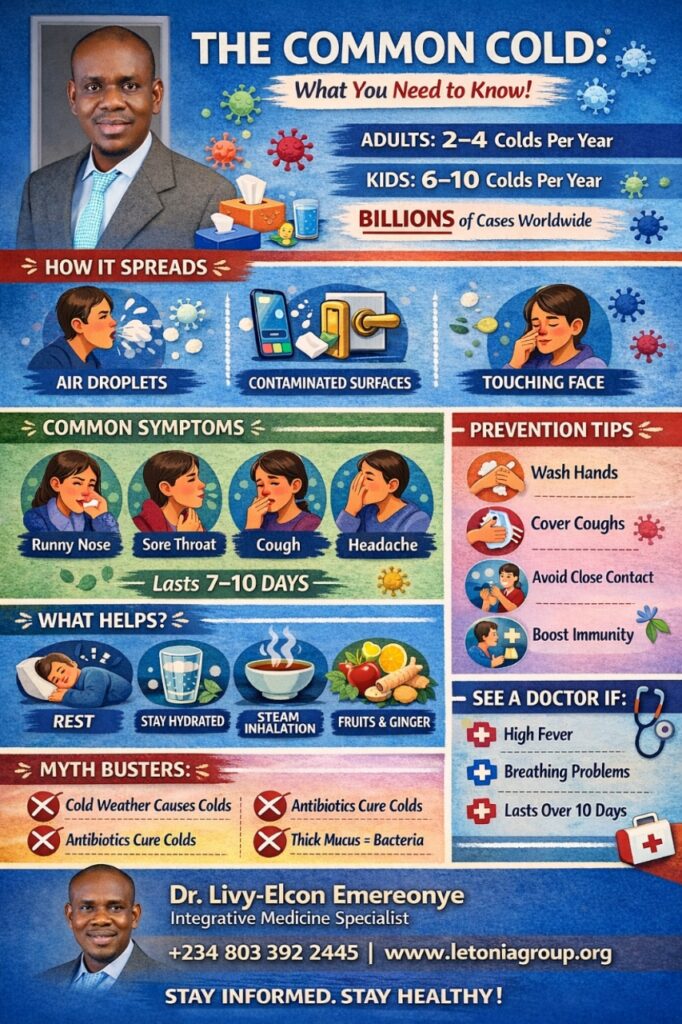
The common cold is caused by a heterogeneous group of viruses, with over 200 identified serotypes. Rhinoviruses remain the predominant pathogens, accounting for approximately 40–50% of cases. These viruses belong to the Picornaviridae family and exhibit high genetic variability, which complicates vaccine development.
Other significant viral agents include:
Coronaviruses (non-SARS strains associated with mild infections)
Respiratory syncytial virus (RSV)
Adenoviruses
Parainfluenza viruses
Enteroviruses
Rhinoviruses primarily replicate at temperatures between 33–35°C, corresponding to the nasal cavity environment, which explains their predilection for the upper respiratory tract.
 Immunopathogenesis
The pathophysiology of the common cold is driven more by host immune responses than by direct viral cytotoxicity. Following viral entry, pathogens bind to specific receptors such as ICAM-1 on nasal epithelial cells. Viral replication triggers the activation of innate immune responses, including:
Release of cytokines (e.g., IL-1, IL-6, TNF-α)
Production of interferons
Recruitment of neutrophils and lymphocytes
These immune mediators are responsible for the hallmark symptoms of the common cold. For instance:
Bradykinin contributes to sore throat and nasal irritation
Histamine promotes sneezing and rhinorrhea
Prostaglandins induce fever and malaise
Importantly, symptom severity often correlates with the intensity of the inflammatory response rather than viral load alone. This insight provides a rationale for integrative therapies that modulate inflammation and immune balance.
Clinical Features and Diagnosis
The incubation period ranges from 1–3 days. Symptoms typically peak within 48–72 hours and resolve within 7–10 days. Common manifestations include:
Nasal congestion and discharge
Sneezing
Sore throat
Cough
Mild fever (especially in children)
Fatigue and malaise
Diagnosis is primarily clinical, based on symptomatology. Laboratory testing is rarely required except in severe or atypical cases.
Limitations of Conventional Management
Conventional treatment focuses on symptomatic relief and includes:
Analgesics (paracetamol, NSAIDs)
Antihistamines
Decongestants
Antitussives
However, several limitations persist:
1. Lack of curative therapy
2. Adverse effects of medications (e.g., sedation from antihistamines)
3. Widespread misuse of antibiotics, contributing to antimicrobial resistance
4. Neglect of immune system optimization
These limitations highlight the need for complementary approaches.
 Lifestyle Medicine
Sleep
Sleep deprivation significantly impairs immune function. A study by Cohen et al. (2009) demonstrated that individuals sleeping less than six hours per night were more susceptible to cold infections.
Stress Management
Chronic stress elevates cortisol levels, which suppress immune responses. Mind-body interventions such as meditation and breathing exercises improve immune resilience.
Physical Activity
Moderate exercise enhances immune surveillance, while excessive exertion may suppress immunity.
Prevention Strategies
Effective prevention combines:
Hand hygiene
Respiratory etiquette
Nutritional optimization
Herbal prophylaxis
Environmental control
Safety Considerations in Integrative Practice
While herbal medicine offers significant benefits, safety considerations are essential:
Potential herb-drug interactions
Variability in herbal preparations
Need for standardization and dosage regulation
Healthcare practitioners must adopt evidence-based approaches to ensure patient safety.
 Introduction
There are problems that shout, and there are problems that whisper while doing lasting damage. Bedbug infestation in Nigerian boarding schools belongs firmly in the latter category. It is normalized, trivialized, and often dismissed as an inevitable inconvenience of communal living. Yet, beneath this casual acceptance lies a deeply entrenched public health issue with measurable physiological, psychological, and academic consequences.
This article argues that the persistence of bedbugs in Nigerian boarding schools is not merely an issue of hygiene, but a structural failure involving policy neglect, infrastructural decay, and inadequate application of scientific pest management principles. It further contends that without a paradigm shift from reactive control to preventive, evidence-based strategies, the problem will remain endemic.
Understanding the Bedbug: Biology and Behavior
Bedbugs (Cimex lectularius) are hematophagous insects that feed exclusively on blood, primarily human. They are nocturnal, cryptic, and highly adaptive, making them particularly difficult to detect and eradicate. Adult bedbugs are reddish-brown, oval-shaped, and approximately 4–7 mm in length. Their flattened bodies allow them to hide in narrow crevices such as mattress seams, bed frames, wall cracks, and furniture joints (Doggett et al., 2018).
Bedbugs do not transmit diseases in the conventional sense, but their bites can cause significant dermatological reactions, including pruritic wheals, allergic responses, and secondary infections due to scratching (Goddard & deShazo, 2009). Importantly, bedbugs can survive for months without feeding, increasing their resilience in environments where control measures are inconsistent.
Their reproductive capacity further complicates eradication. A single female can lay hundreds of eggs over her lifetime, and under favorable conditions, infestations can escalate rapidly (Reinhardt & Siva-Jothy, 2007).



 References
Curcio, G., Ferrara, M., & De Gennaro, L. (2006). Sleep loss, learning capacity and academic performance. Sleep Medicine Reviews, 10(5), 323–337.
Doggett, S. L., Dwyer, D. E., Peñas, P. F., & Russell, R. C. (2018). Bed bugs: clinical relevance and control options. Clinical Microbiology Reviews, 31(1), e00062-16.
Environmental Protection Agency (EPA). (2010). Integrated Pest Management (IPM) Principles.
Goddard, J., & deShazo, R. (2009). Bed bugs (Cimex lectularius) and clinical consequences of their bites. JAMA, 301(13), 1358–1366.
Reinhardt, K., & Siva-Jothy, M. T. (2007). Biology of the bed bugs (Cimicidae). Annual Review of Entomology, 52, 351–374.
Romero, A., Potter, M. F., Potter, D. A., & Haynes, K. F. (2007). Insecticide resistance in the bed bug: a factor in the pest's sudden resurgence? Journal of Medical Entomology, 44(2), 175–178.